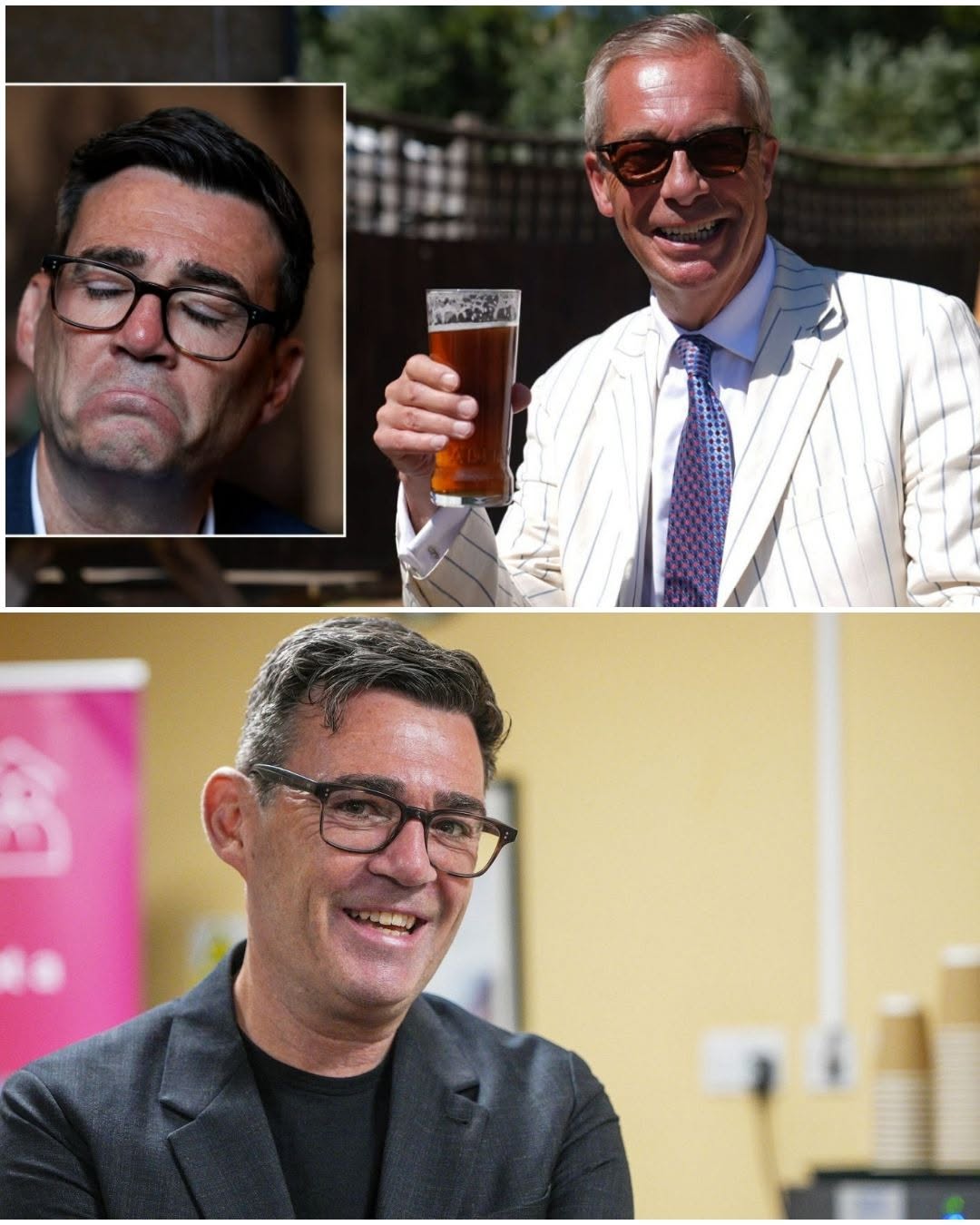
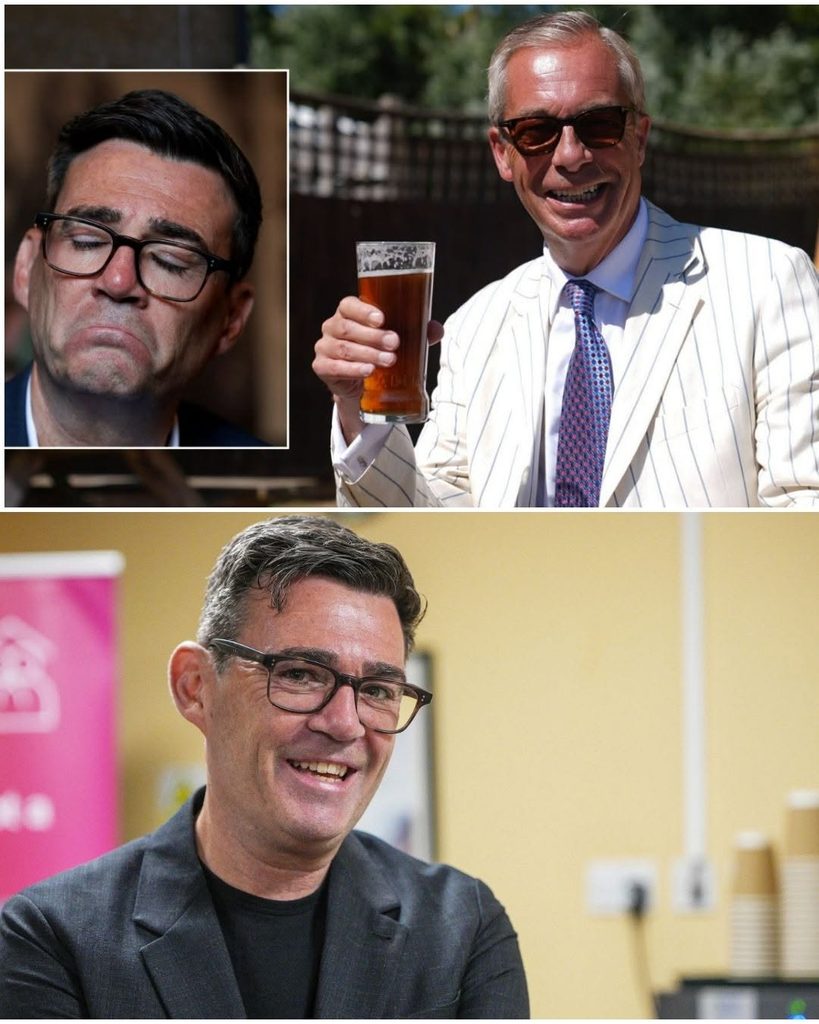
The initial wave of political goodwill following Andy Burnham’s ascension to Prime Minister—frequently dubbed the “Burnham bounce” by political commentators—appears to have dissipated.
Where Entertainment Comes Alive, Bringing Energy, Fun, and Unforgettable Moments to Every Screen.
A massive new public opinion survey released today reveals a significant shift in the UK political landscape, with Nigel Farage’s Reform UK surging ahead of the governing Labour Party.
According to the Survation mega-poll, which surveyed more than 10,000 respondents, Reform UK would win the most seats if a general election were held today. The data projects that Reform would secure 227 seats, displacing Labour, which the poll places second with a projected 197 seats. The dramatic shift underscores growing public discontent with the new administration, just weeks into Burnham’s tenure.
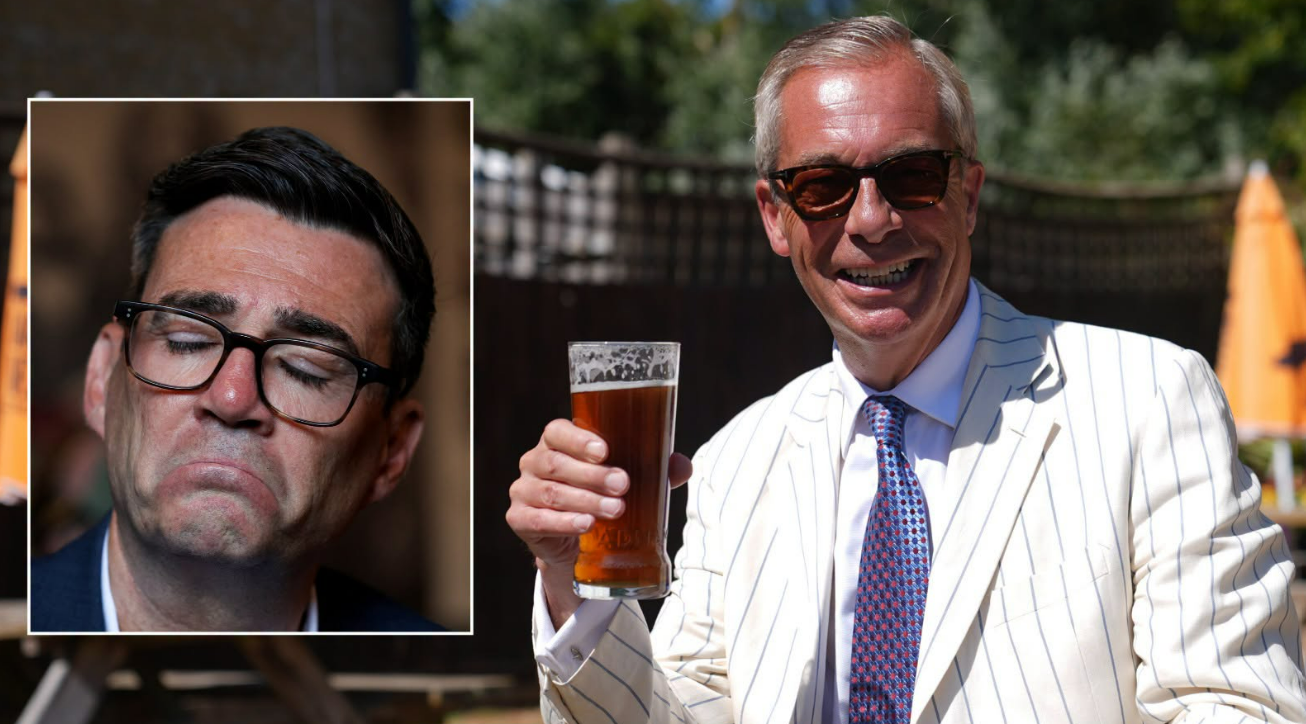
Political analysts suggest the drop in Labour’s support is tied to increasing public frustration over the government’s communication strategy and policy execution. While Burnham initially won praise for a less scripted, more “human” communication style compared to his predecessor Keir Starmer, critics argue he has struggled to provide definitive answers on critical issues during recent, unscripted media appearances. Detractors point to evasive responses regarding the UK’s preparedness against alleged Russian threats and the handling of the ongoing cross-channel migrant crisis.
Furthermore, the administration is facing intense scrutiny over impending fiscal decisions ahead of the highly anticipated October budget. Controversy is brewing over reports that Chancellor John Healey—who prominently resigned as Defense Secretary just months ago in protest of inadequate military funding—is now abandoning his previous demand to increase defense spending to 3% of GDP, opting instead to maintain the prior target of 2.7%. This perceived flip-flop, coupled with commitments to increase foreign and climate aid while domestic energy bills soar, has fueled opposition attacks arguing that Labour is neglecting the financial realities of British households.
Against this backdrop of government criticism, Reform UK continues to dominate political discourse by introducing hardline policy proposals that generate intense national debate. Adding to their recent controversial pledge to prioritize British-born citizens for social housing, the party announced a new policy intending to “block voters who cannot speak English” from participating in UK elections.
The proposal immediately sparked outrage among left-leaning politicians and civil rights advocates, who condemned it as discriminatory and undemocratic. However, right-wing commentators have defended the policy, arguing that basic English proficiency is a necessary requirement for democratic participation and societal integration. Supporters of the measure contend that individuals who cannot speak the national language are likely economic migrants who burden the welfare system and, therefore, should not influence national elections.
As the October budget approaches, the pressure on Prime Minister Burnham is expected to intensify. With Reform UK seizing the momentum in the polls, Labour faces the daunting task of implementing necessary, and likely unpopular, fiscal measures while attempting to regain the public trust lost during the swift evaporation of the Burnham bounce.