Andy Burnham’s blunt Brexit verdict is backed by a clear majority of Britons

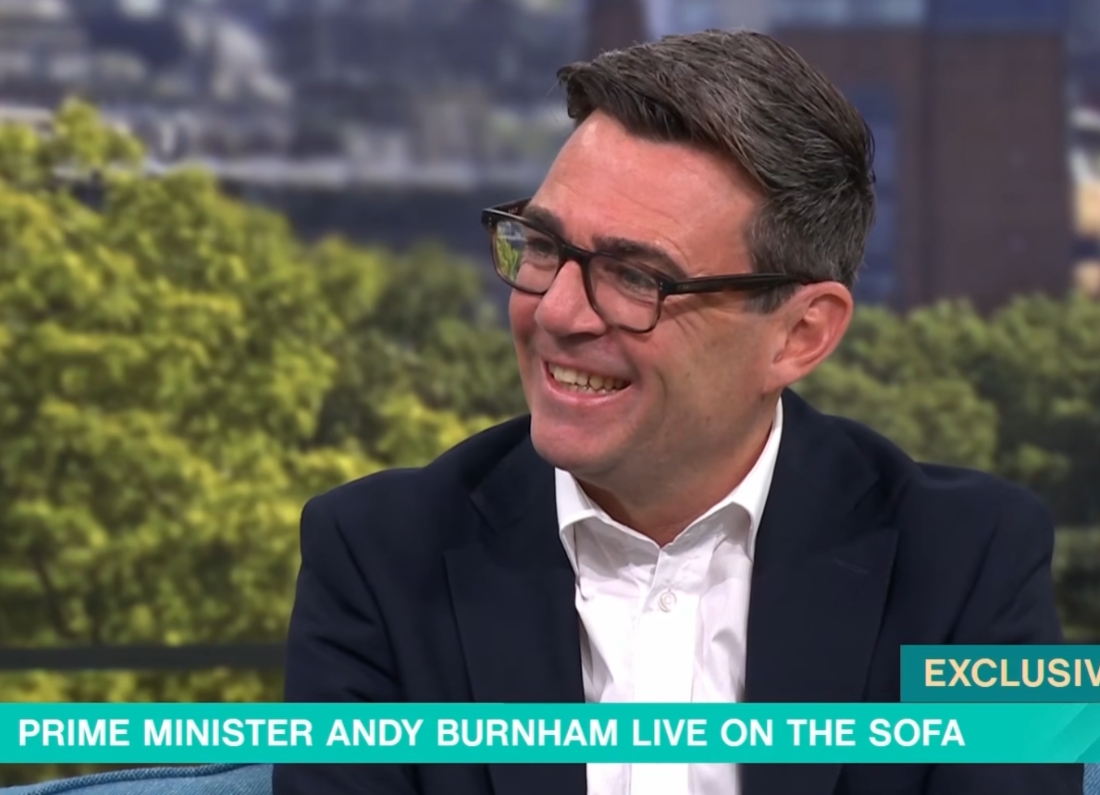
A majority of Britons agree with Andy Burnham’s verdict that leaving the European Union was a “wrong turn” for the country, according to new polling.
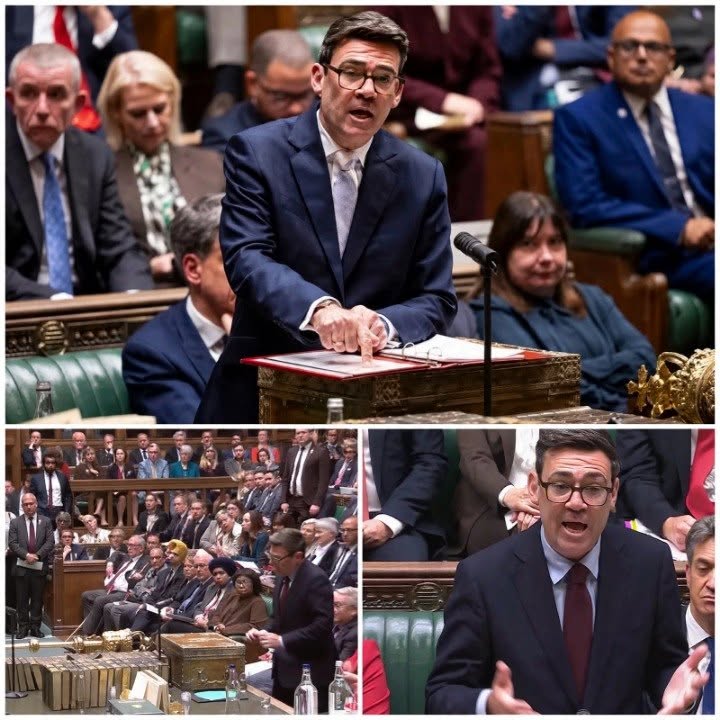
The prime minister used his first major Commons address to argue that Brexit had made Britain’s long-standing economic problems worse, contributing to weak growth and stalled regeneration.
A YouGov survey conducted after the speech found that 55 per cent of Britons regarded Brexit as more of a wrong turn for the UK. Just 21 per cent considered it a right turn.
Another 11 per cent chose neither, while 13 per cent said they did not know.
The poll of 5,114 adults suggests Burnham’s criticism of Brexit is closer to mainstream public opinion than Downing Street might once have feared. It does not, however, mean voters agree on what should happen next.
Burnham blames Brexit for a decade of low growth
Burnham told MPs that Britain had taken a series of damaging decisions since the 1980s, beginning with the centralisation of political power and widespread privatisation.
He argued that the loss of major industries had weakened communities before austerity reduced the ability of councils to respond.
Brexit then compounded those problems, he said, bringing:
“A decade of low growth and stalled regeneration.”
Burnham’s argument was wider than the UK’s departure from the EU. He challenged an economic model which he believes has concentrated growth around London while allowing towns and cities elsewhere to fall behind.
He pointed to the water industry as an example of privatisation failing to deliver for the public, describing it as “a leaking monument to that approach”.
The prime minister said his government would give regions greater control and pursue what he called “good growth in every postcode”.
His assessment reflects his record in Greater Manchester, where he repeatedly pressed successive governments for more control over transport, housing and investment.
Brexit voters remain sharply divided
The headline result concealed a substantial political divide.
Among people who voted Labour at the 2024 general election, 78 per cent viewed Brexit as a wrong turn. By contrast, 59 per cent of Reform UK voters said leaving the EU had been the right decision.
That presents an obvious political difficulty for Burnham.
He wants to talk more openly about the economic consequences of Brexit, but Labour is also trying to win back former supporters who moved to Reform in traditionally working-class constituencies.
The government has therefore stopped well short of proposing another referendum or reversing Brexit.
Labour’s existing red lines remain in place, meaning there will be no return to the EU single market, customs union or freedom of movement during this Parliament.
Burnham has instead promised to accelerate negotiations for a closer relationship with Brussels. His government is seeking agreements intended to reduce barriers affecting food, energy and trade while improving security cooperation.
The House of Commons Library notes that the UK is still outside both the single market and customs union, leaving exporters facing more barriers than they did before Brexit.
It also confirms that Burnham’s government intends to maintain Labour’s manifesto red lines while seeking a more ambitious partnership.
The next UK-EU summit is expected later in 2026.
What has Brexit done to the economy?
Measuring the exact cost of Brexit is difficult because economists must compare Britain’s actual performance with an estimate of what might have happened had the country remained in the EU.
There is nevertheless broad agreement among mainstream economic institutions that the introduction of new trade barriers has harmed the economy.
The Office for Budget Responsibility estimates that Brexit will eventually leave UK imports and exports around 15 per cent lower than they would otherwise have been. It expects the resulting reduction in trade to lower long-term productivity by approximately four per cent.
Those figures represent a comparison with remaining in the EU rather than a prediction that the economy will shrink by four per cent in absolute terms.
Critics of the OBR’s analysis argue that the forecasts place too little weight on Britain’s ability to negotiate trade agreements elsewhere. Supporters point out that replacing frictionless access to the country’s largest nearby market was always likely to be difficult.
The OBR’s assessment remains the basis used by the government’s official fiscal watchdog.
Britain remains divided over Thatcher
YouGov also asked whether Margaret Thatcher’s time in Downing Street represented a right or wrong turn for the country.
The result was much closer.
Thirty-five per cent said her premiership had been a wrong turn, while 28 per cent thought it had been a right one. Fourteen per cent selected neither and almost a quarter did not know.
The party divide was again stark. Most Conservative and Reform voters regarded the Thatcher years positively, while a majority of Labour voters agreed with Burnham’s criticism.
Kemi Badenoch accused the prime minister of “living in the past” after his Commons speech and argued that his prescription would take Britain back towards the economic policies of the 1970s.
Burnham’s position is that Thatcher’s legacy remains relevant because privatised utilities and the concentration of power in Westminster continue to shape the economy today.
The argument also helps him draw a clear line between his government and the Conservatives. It is riskier among voters who regard Thatcher as a strong leader or believe the problems of modern Britain cannot be blamed on decisions made four decades ago.
What happens next?
The polling gives Burnham room to speak more bluntly about Brexit than his predecessor did.
Saying Brexit damaged Britain is no longer a particularly radical position. A majority of those surveyed agreed with his description, and only around one in five called it a right turn.
The bigger question is what Burnham intends to do about it.
Keeping Britain outside the single market and customs union limits how much trade friction can be removed. The government may secure useful agreements with Brussels, but they are unlikely to recreate the access Britain had as an EU member.
Burnham has correctly judged that many voters are willing to hear a prime minister admit Brexit caused damage.
They may now expect him to explain how he plans to repair it.