BREAKING: THE BORDER BOMBSHELL THAT COULD CHANGE BRITAIN FOREVER!
Britain Reopens Refugee Resettlement Route as Labour, Reform and Restore Clash Over Who Should Be Allowed to Stay
LONDON — Home Secretary Shabana Mahmood has reopened a controlled refugee resettlement programme that will allow selected refugees to travel legally to Britain, triggering a sharp political confrontation over whether safe routes can reduce irregular migration or instead create another pathway for people to settle permanently in the UK.
The announcement has quickly generated dramatic claims that the government has created a “backdoor” allowing migrants to be flown directly into Britain.
There is an element of truth behind the description: people accepted through the programme will be able to enter Britain legally rather than attempting dangerous journeys across the English Channel.
But it is not an unrestricted immigration route.
The revived UK Resettlement Scheme, or UKRS, is intended for refugees identified through organised resettlement arrangements, including cooperation with the United Nations refugee agency. The government says applicants will undergo security and eligibility checks before entering Britain.
That distinction has done little to calm the political argument.
What Mahmood actually announced
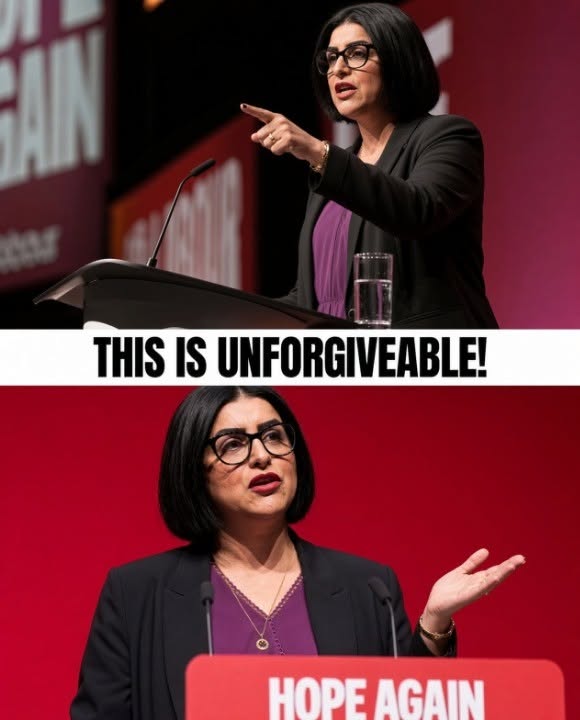
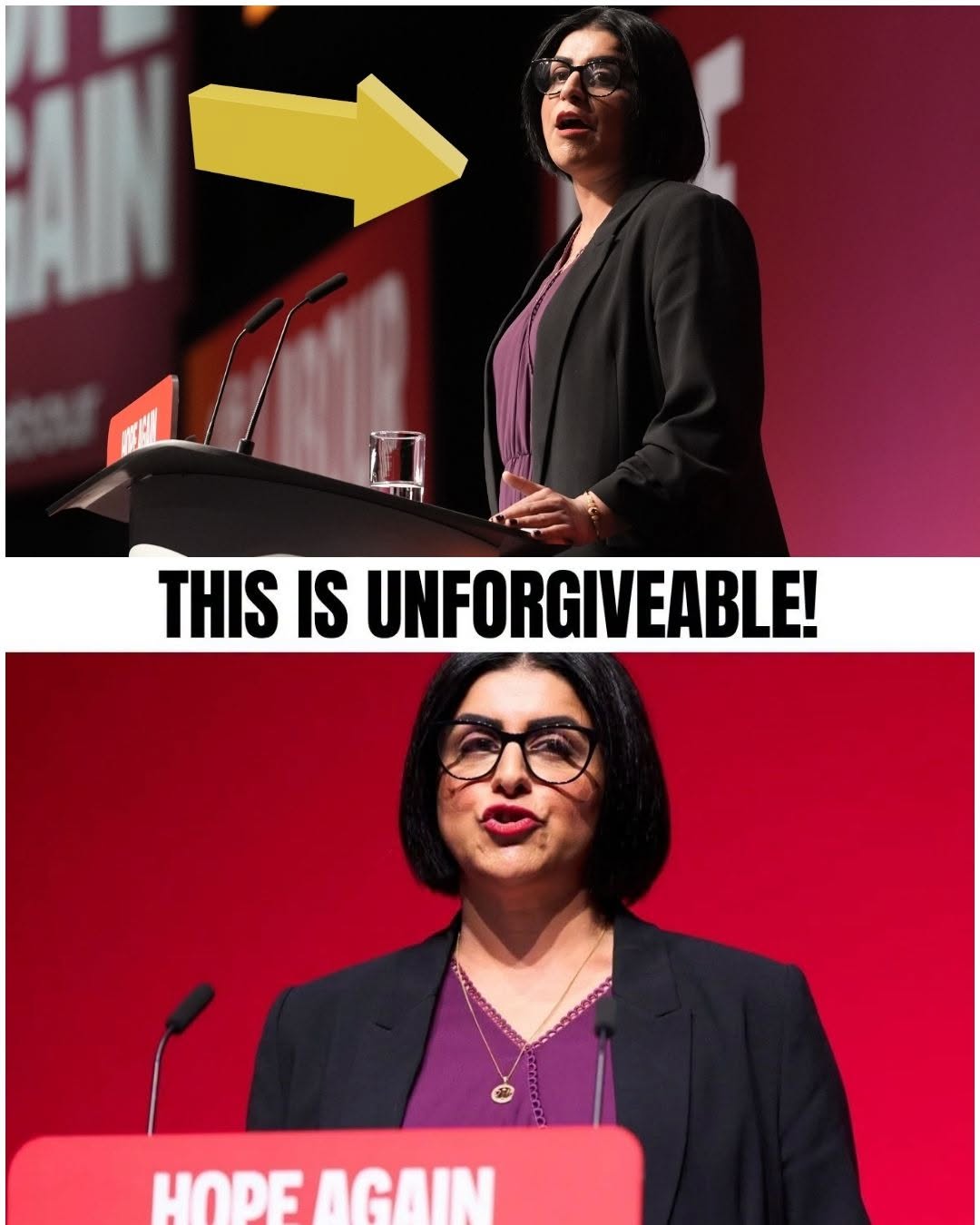
Speaking at Labour’s conference, Mahmood confirmed that the government would reopen the UK Resettlement Route in partnership with the United Nations.
The Home Secretary said Britain would take vulnerable refugees from camps around the world and provide them with an opportunity to rebuild their lives.
Approximately one quarter of referrals are expected to involve Afghan women and girls and Palestinian refugees, groups the government identifies as particularly vulnerable because of persecution and conflict.
The programme is initially expected to involve hundreds of people rather than tens of thousands.
Numbers could eventually rise into the low thousands annually, depending partly on progress in reducing irregular migration.
That is significantly different from the impression created by claims that Britain has simply opened a new border.
Why would Britain fly refugees into the country?
The government’s argument is that controlled resettlement can provide an alternative to dangerous and irregular journeys.
Under such a system, refugees do not need to reach Britain clandestinely and then claim asylum after arrival.
Instead, selected applicants can be screened before travelling and enter through an authorised route.
Labour argues that this creates greater control over who enters the country while allowing Britain to continue providing protection to particularly vulnerable people.
Mahmood is simultaneously pursuing tougher measures elsewhere in the asylum system.
Her wider reforms include attempts to accelerate removals, tighten settlement rules and restrict some claims that can prevent deportation.
This produces an immigration policy with two distinct elements: harsher treatment of irregular migration alongside limited legal routes for selected refugees.
Critics argue those two objectives contradict each other.
The government says they complement each other.
Reform UK strongly rejects the plan
Reform UK has taken a fundamentally different position.
Zia Yusuf, the party’s home affairs spokesman, described the new route as “illegitimate” and argued that voters had not authorised the government to bring additional refugees into Britain.
He also said that if he became Home Secretary, people admitted under the programme would not automatically be permitted to remain permanently.
Nigel Farage has similarly opposed the expansion of refugee routes and emphasised national-security concerns.
The underlying disagreement is larger than the number of people expected to arrive under this particular scheme.
Labour accepts the principle that Britain should maintain controlled humanitarian pathways for refugees.
Reform increasingly questions whether Britain should continue accepting significant numbers of refugees through such schemes at all.
The controversial “family life” question
A separate argument concerns human-rights law — particularly Article 8 of the European Convention on Human Rights, which protects respect for private and family life.
Critics of Britain’s immigration system, including Reform politicians, have repeatedly argued that Article 8 can make removing foreign nationals more difficult once they have developed family connections in Britain.
But the phrase “right to a family life” can create a misleading impression when stripped of its legal context.
Article 8 is not an automatic right for anyone with relatives in Britain to enter the country or remain indefinitely.
It is a qualified right.
Authorities and courts can interfere with Article 8 rights when doing so is lawful and necessary for objectives including national security, public safety, economic wellbeing or prevention of crime.
The controversy concerns how those competing considerations should be balanced in individual immigration cases.
Mahmood herself has proposed reforms designed to reduce the ability of unsuccessful asylum seekers to use certain human-rights arguments to delay removal.
So the government simultaneously supports continued membership of the European human-rights framework while seeking to narrow how some protections operate in immigration cases.
Refugee family reunion remains restricted
There is another important distinction.
The new resettlement programme should not be confused with Britain’s refugee family-reunion system.
Mahmood told the House of Lords Justice and Home Affairs Committee in July that refugee family reunion remained suspended while the government considered its future policy.
She specifically said that the government had not yet settled its policy on family reunion.
That makes claims that the new announcement simply opens an unlimited “family life loophole” difficult to sustain.
The legal questions surrounding Article 8, family reunion and the UK Resettlement Scheme overlap politically, but they are not the same immigration mechanism.
Other legal routes are also being developed
The UKRS is only part of the government’s emerging system.
Ministers are developing additional sponsorship pathways through which communities, universities and employers could identify refugees they are prepared to sponsor.
The Home Office told Parliament in September that a refugee study route and named sponsorship route would open to applications from prospective sponsors in autumn 2026, with arrivals expected from autumn 2027.
A refugee work route is expected to open during 2027.
The theory is that organisations willing to sponsor refugees could shoulder some of the practical responsibility involved in helping them establish themselves.
Supporters argue that such schemes are safer and more orderly than allowing smugglers to determine who reaches Britain.
Opponents argue that creating additional pathways risks increasing migration rather than substituting for Channel crossings.
Whether substitution actually occurs will ultimately depend on future data.
Restore Britain goes considerably further
Rupert Lowe’s Restore Britain has adopted an even more restrictive position.
Its published immigration programme proposes removing every person it considers to be living illegally in Britain, withdrawing from the European Convention on Human Rights and replacing much of the existing asylum framework.
Restore also says certain legally resident foreign nationals should face removal if they fail conditions concerning employment, benefits, integration, English-language ability or criminal conduct.
Lowe has additionally stated publicly that people admitted through Labour’s proposed new refugee routes would be removed under a future Restore government.
That is a political commitment rather than current law.
Whether such removals would actually be legally possible would depend on the immigration status granted to the individuals, legislation enacted by Parliament, Britain’s international obligations and circumstances in their countries of origin.
For example, removing someone to a country where they faced a genuine risk of torture or persecution would raise substantial legal questions under both domestic and international law.
Is the scheme really a “backdoor”?
That ultimately depends on what the term is intended to imply.
If “backdoor” means the government is secretly allowing people to bypass immigration controls, the description does not fit the publicly announced policy.
The programme has been announced openly.
It involves an established refugee-resettlement mechanism, cooperation with international organisations and planned security screening.
If the criticism instead means that the government is creating a legal route through which people who otherwise would not have been able to settle in Britain can eventually establish permanent lives there, that describes a genuine political disagreement.
The government intends precisely that outcome for at least some recognised refugees.
Reports indicate that refugees admitted through the resettlement scheme could qualify for indefinite leave to remain after five years — potentially a substantially faster path than some people entering through irregular asylum routes under Mahmood’s broader reform proposals.
That difference is deliberate.
Labour wants to create incentives favouring authorised refugee routes over irregular entry.
The numbers will matter
Perhaps the biggest unanswered question is scale.
A programme involving several hundred carefully selected refugees has very different implications from one admitting tens of thousands annually.
Mahmood’s initial plans point toward the former.
But the scheme could expand into the low thousands each year if irregular migration falls.
That conditional expansion is likely to become an important measure of whether the government’s strategy succeeds.
Supporters will look for evidence that controlled routes reduce reliance on smugglers while protecting vulnerable refugees.
Opponents will watch for evidence that the schemes simply add another migration stream without materially reducing Channel crossings.
A fundamental political divide
The controversy therefore reaches well beyond one announcement.
Labour’s position is increasingly based on a distinction between irregular migration that it wants to deter and controlled humanitarian migration that it wants to preserve.
Reform UK is arguing for substantially tighter restrictions and questioning whether Britain’s existing human-rights framework prevents effective immigration control.
Restore Britain proposes going further still, including mass removals and withdrawal from the ECHR.
Those are materially different visions for Britain’s borders.
What has not happened is the unrestricted opening of a new route allowing migrants generally to board flights and settle in Britain.
What has happened is politically significant enough without that exaggeration.
Britain is reopening a programme under which selected refugees can be screened abroad and brought legally into the country, while simultaneously attempting to make irregular arrival and long-term settlement more difficult.
Whether that combination produces greater control or simply another layer of complexity will depend on something neither government announcements nor opposition warnings can yet establish:
how many people ultimately arrive, how effectively they are screened, how many remain permanently, and whether expanding legal pathways actually contributes to fewer dangerous and irregular Channel crossings.