“STOP GASLIGHTING THE PUBLIC!” — MIGRATION ROW ERUPTS LIVE ON GB NEWS! A heated GB News exchange has put Labour’s migration stance under scrutiny, as a Labour MP faced a sharp accusation of “gaslighting” the public. The discussion quickly escalated, with both sides clashing over migration policy and leaving viewers divided. One moment from the exchange is now drawing particular attention. What was said on air, and why has it sparked such a strong reaction? Watch the full exchange and join the debate in the comments!
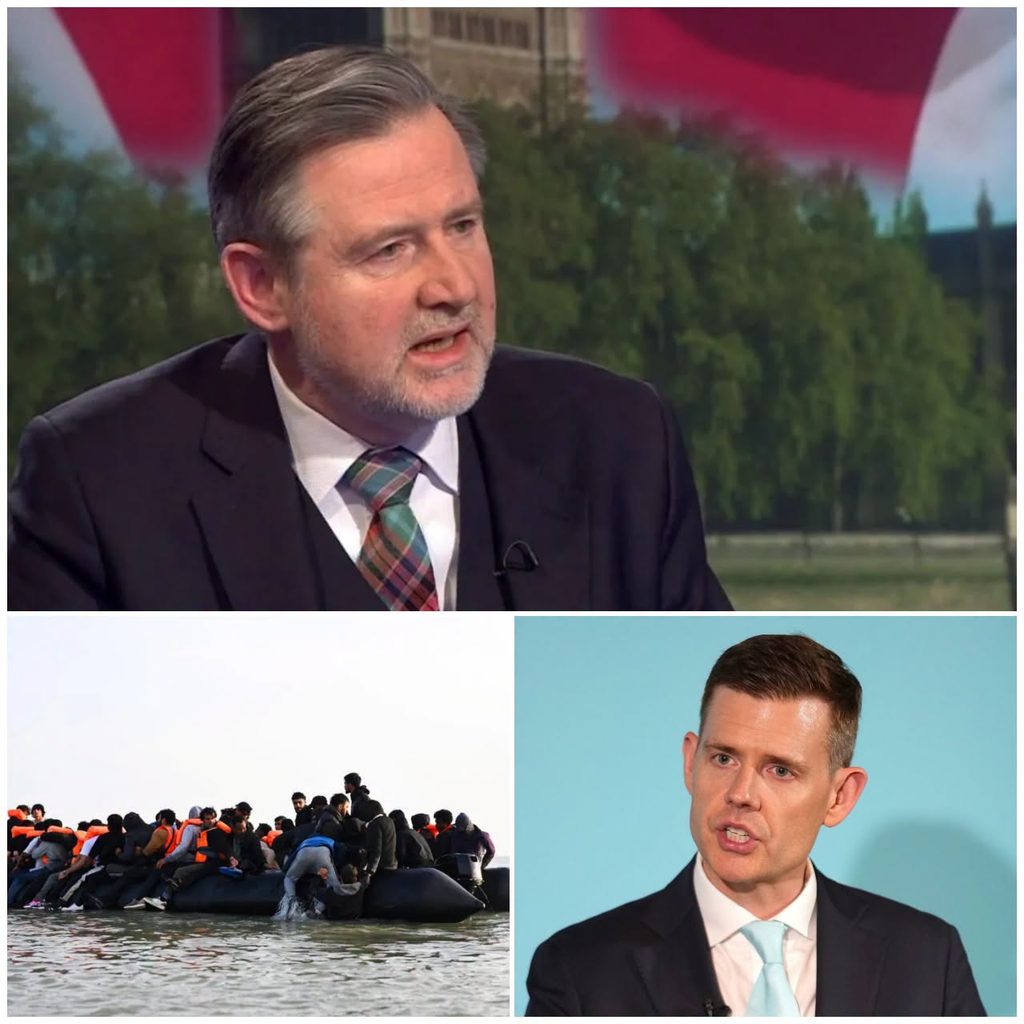
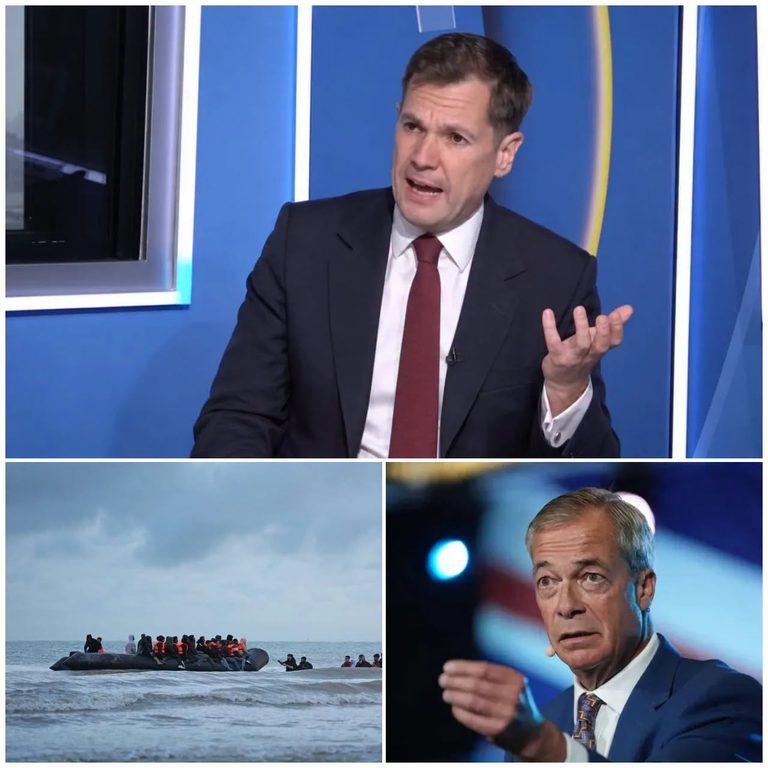
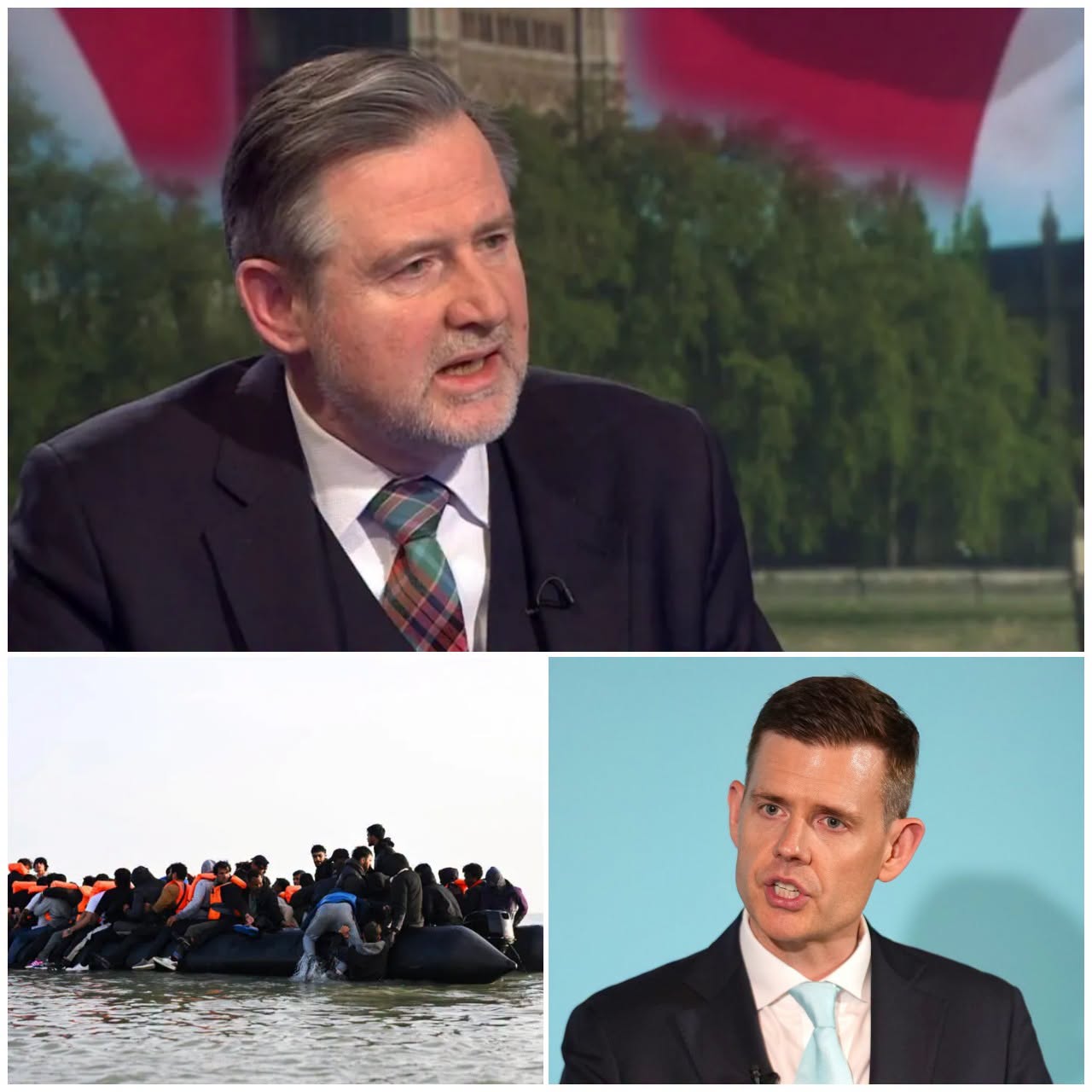
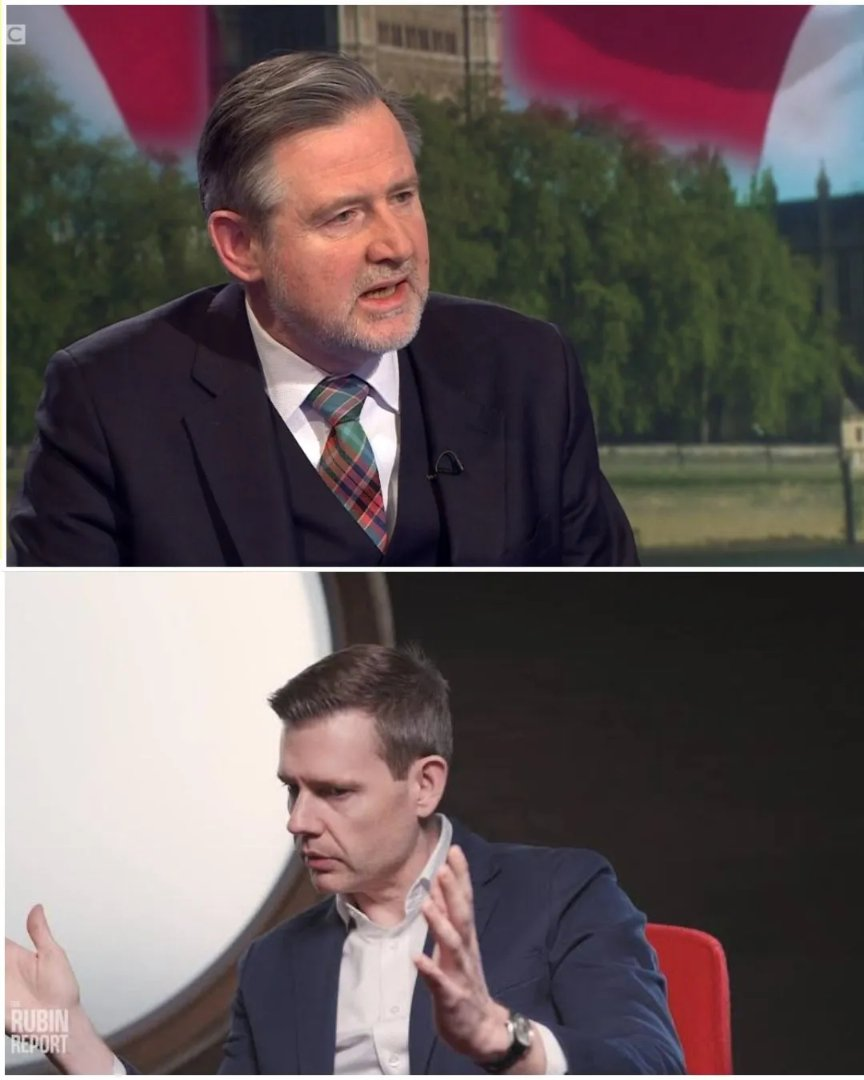
Labour MP Barry Gardiner and commentator Matt Goodwin traded accusations of misleading viewers during a heated on-air argument about small-boat crossings, legal routes and the European Convention on Human Rights.
The exchange has continued to circulate as a flashpoint in the wider migration debate.
A tense confrontation on GB News has drawn renewed attention after academic and commentator Matt Goodwin accused Labour MP Barry Gardiner of “gaslighting” the public over the scale and handling of Channel crossings.
The discussion, which took place on Michelle Dewberry’s programme, quickly escalated into mutual claims that each side was distorting the reality of Britain’s immigration challenges.
The row centred on recent small-boat arrivals, the government’s approach to returns, and whether expanding certain safe and legal routes while remaining bound by the European Convention on Human Rights can deliver meaningful control.
Goodwin argued that official narratives underplayed the numbers and the practical barriers to removal.
He told Gardiner: “You’re gaslighting people watching this show,” pointing to continued crossings and Labour’s decisions on additional legal pathways from countries including Afghanistan and Syria.

Gardiner rejected the charge.
He maintained that leaving the ECHR would not automatically unlock returns because destination countries still have to agree to accept people, and he argued that the loss of previous EU mechanisms after Brexit remains a significant obstacle.
He in turn accused Goodwin of offering an overly simplistic solution that itself misled the public.
Presenter Michelle Dewberry was seen reacting with visible frustration as the argument intensified.
Clips of the exchange have continued to circulate, with supporters of each side claiming the other had been exposed.
The core disagreement
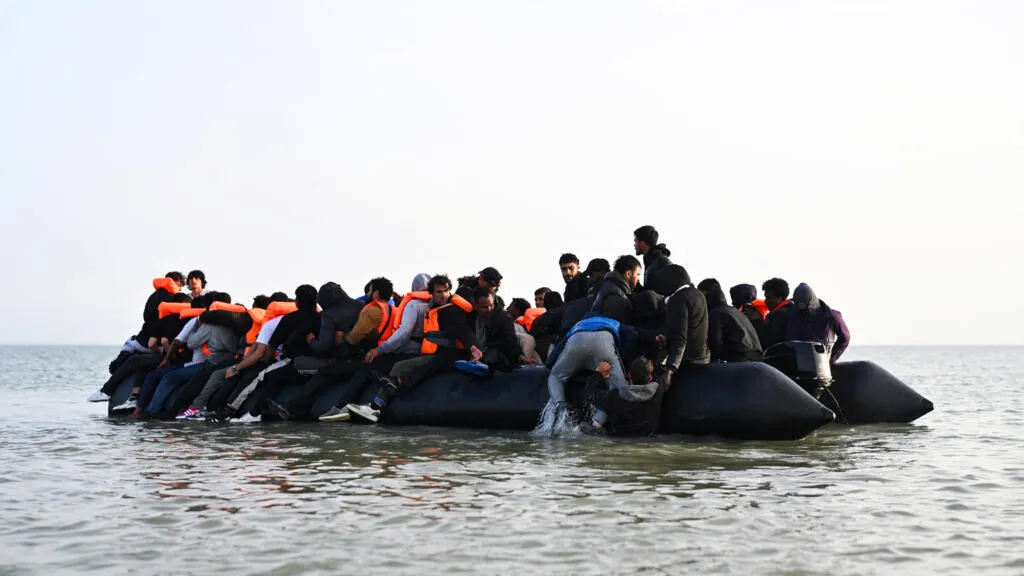
The clash reflects a deeper and persistent divide.
One side emphasises the cumulative total of irregular arrivals, the relatively low rate of removals, and the pressure on housing, services and public trust.
The other stresses legal, diplomatic and logistical constraints on returns, the distinction between asylum claims and other forms of migration, and the risks of unilateral action that could damage international cooperation.
Small-boat crossings have remained a high-profile issue under successive governments.
Labour has pointed to reductions in some net migration categories and changes to legal routes, while critics argue that the overall system continues to grant settlement pathways to large numbers of people who arrived in earlier high-inflow years.
The ECHR debate remains equally polarised: advocates of reform or withdrawal argue it has been used to block removals, while defenders insist the real barriers are operational and diplomatic.
Political context
Exchanges of this kind have become common on British television and social media.
They rarely resolve the underlying policy questions, but they illustrate the depth of mutual distrust.
Reform UK and Conservative voices often frame Labour positions as denial of the scale of the problem.
Labour MPs and ministers tend to portray right-wing critiques as unrealistic or as scapegoating.
For viewers, the practical questions remain the same: how many people are arriving irregularly, how many are removed, what legal tools actually work, and whether the current mix of deterrence, processing and international agreements is delivering results the public finds acceptable.
The GB News clash did not settle those questions, but it crystallised the rhetorical battleground on which they continue to be fought.
As long as Channel crossings persist and returns remain limited, such confrontations are likely to recur.
The public is left weighing competing claims about numbers, causes and solutions amid a highly charged political atmosphere.