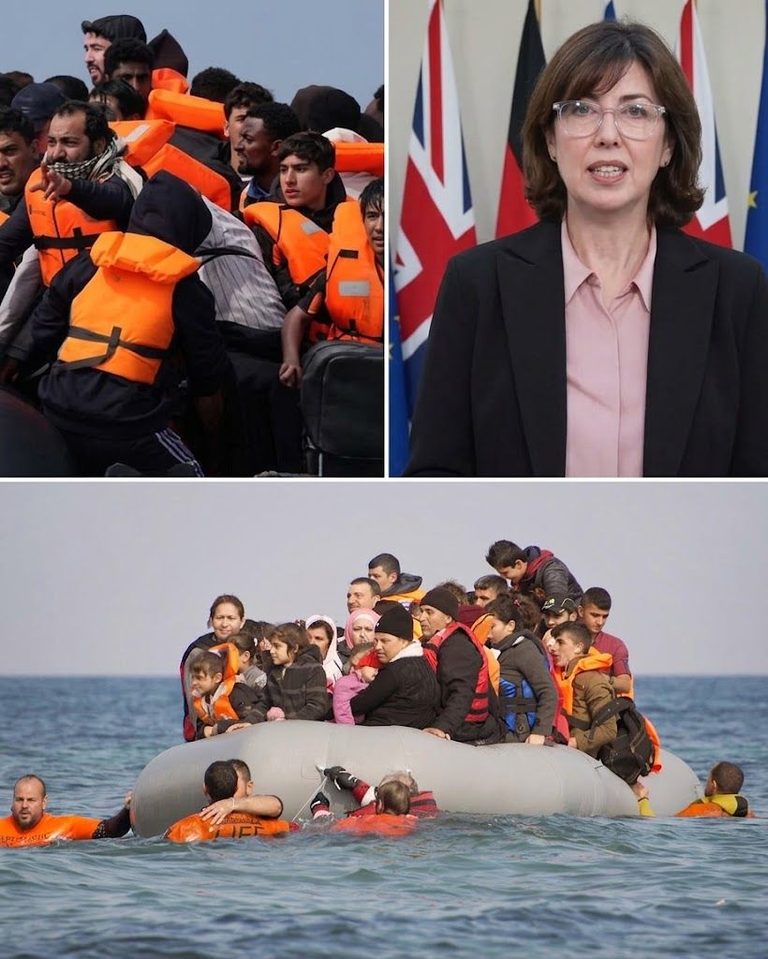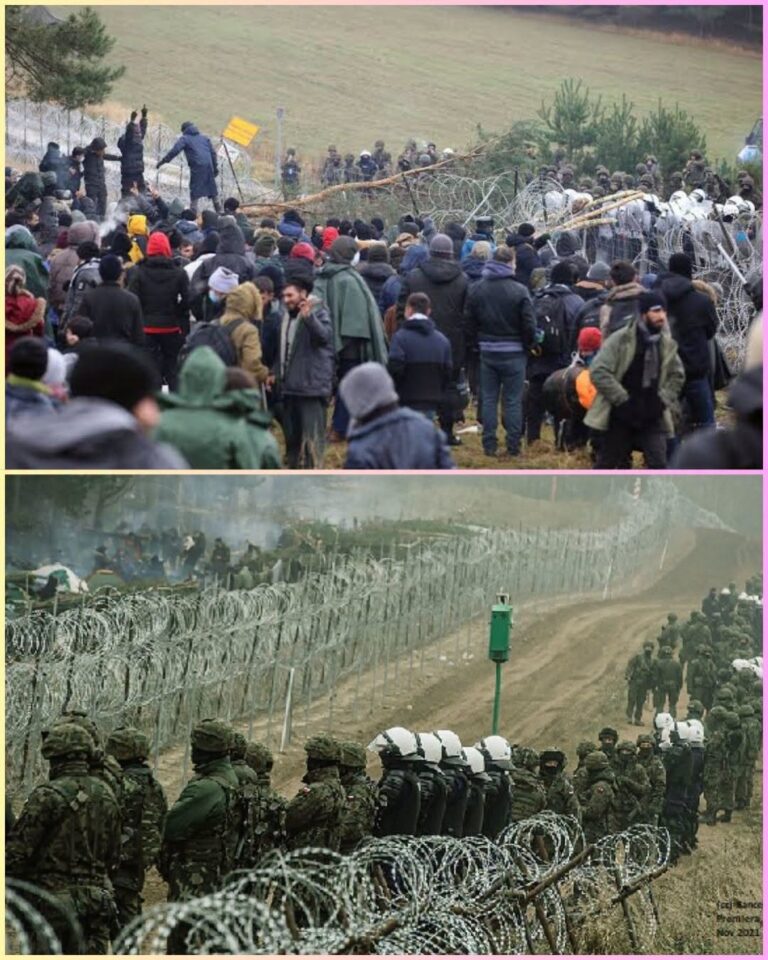
PARLIAMENT IN UPROAR OVER BORDER CHAOS! Tensions just reached a BOILING POINT in the House of Commons! MPs are furiously clashing over the recent protests, with some screaming “fascism” and blaming politicians for inciting fear on the streets! But wait until you hear the Minister’s bombshell statement that left BOTH sides completely stunned! When directly confronted about “vigilante groups” taking control, the government’s shocking response was…
The session highlighted the stark ideological divides within Parliament regarding the handling of illegal immigration and the nature of the protests themselves.
Several MPs, including a Green Party representative and independent MP Jeremy Corbyn, strongly condemned the demonstrations.
They characterized the events as the work of organized, “fascistic” groups and accused the participants of engaging in racist and violent behavior.
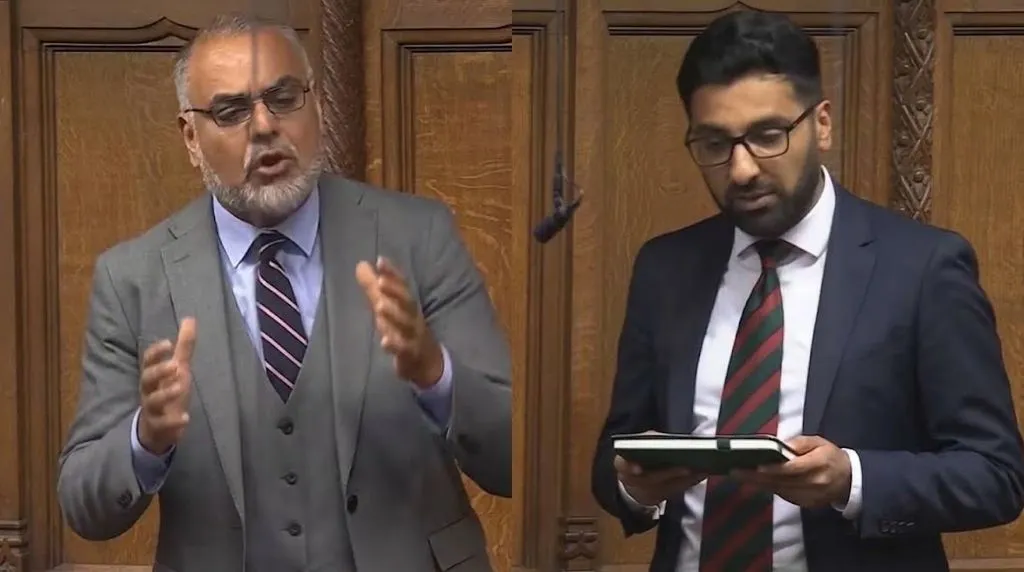
One MP voiced concern over reports of masked individuals taking to the streets, stopping cars, and intimidating ethnic minority communities.
He directly questioned the government on what actions would be taken against what he termed “vigilante groups.”
Furthermore, the MP argued that the use of inflammatory political language—specifically the term “invasion”—bears responsibility for inciting “street vigilantism” and racial fear.
The attending Minister acknowledged the seriousness of the situation, confirming that the incidents involved “malicious actors stirring up hatred and division.”
However, she declined to comment on specific police operations or potential charges, emphasizing the operational independence of law enforcement.
The Minister firmly rejected the notion that the government is pandering to anti-migrant sentiment, stating she has been clear in “calling out the racism” and “thuggery” seen at the protests.
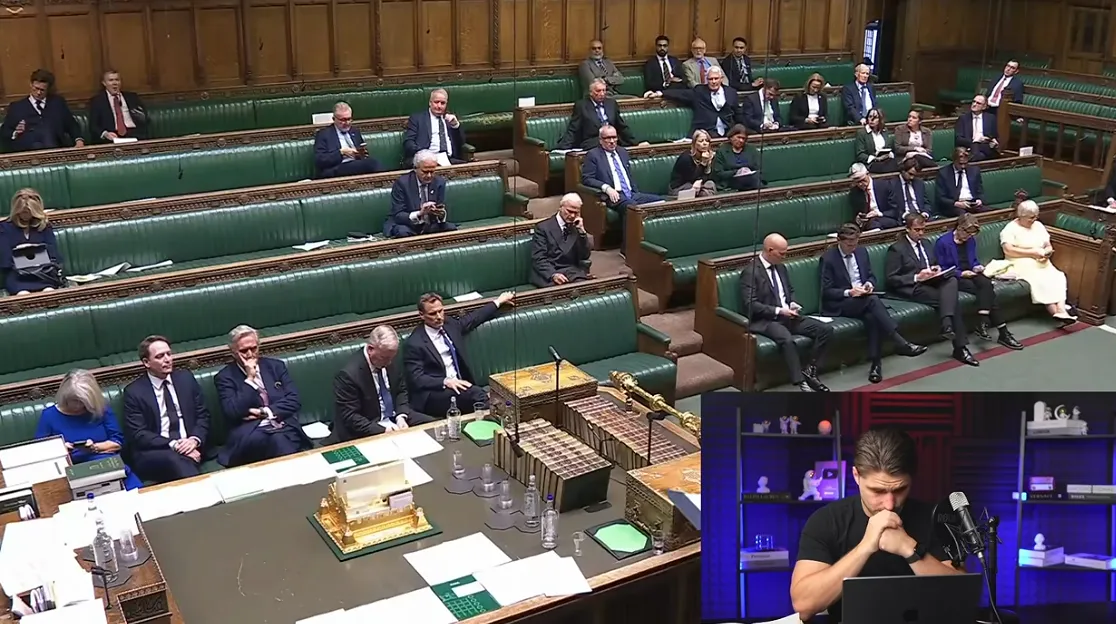
While the government maintained its stance on prosecuting criminal behavior, the Minister also acknowledged the underlying public sentiment, stating that it is possible to condemn racist actions while simultaneously recognizing the “anger that individuals feel about our borders.”
This dual approach drew criticism from across the political spectrum.
Those condemning the protests accused the government of employing “selective outrage,” contrasting the current response to migration with the UK’s previous intake of 250,000 Ukrainian refugees.
They urged the establishment of safe routes for those fleeing conflict to prevent exploitation by criminal smuggling networks.
Conversely, the use of terms like “far-right” and “racist” to describe the protesters remains a point of contention for those who argue the demonstrations are a legitimate expression of public frustration.
Outside the chamber, commentators and opposition figures argue that the primary concern of the protesters is the enforcement of legal immigration processes, regardless of the migrants’ race or origin.
The debate underscored the profound challenge facing the current government: balancing the demand for stricter border enforcement with the necessity of maintaining public order and preventing the escalation of civil unrest.
As the Home Office continues to navigate the complexities of illegal migration, the deep political divisions displayed in the Commons suggest that consensus on border policy remains elusive.