“CAUGHT OUT LIVE ON THE BBC!” PAT MCFADDEN FACES FURIOUS PRESSURE FROM LAURA KUENSSBERG AS HER GRILLING EXPOSES ONE VERY AWKWARD MOMENT! The Labour minister was pushed repeatedly for a straight answer, but the exchange became increasingly uncomfortable as Kuenssberg refused to move on. His response left the key question unanswered – and the moment is bound to fuel fresh debate.
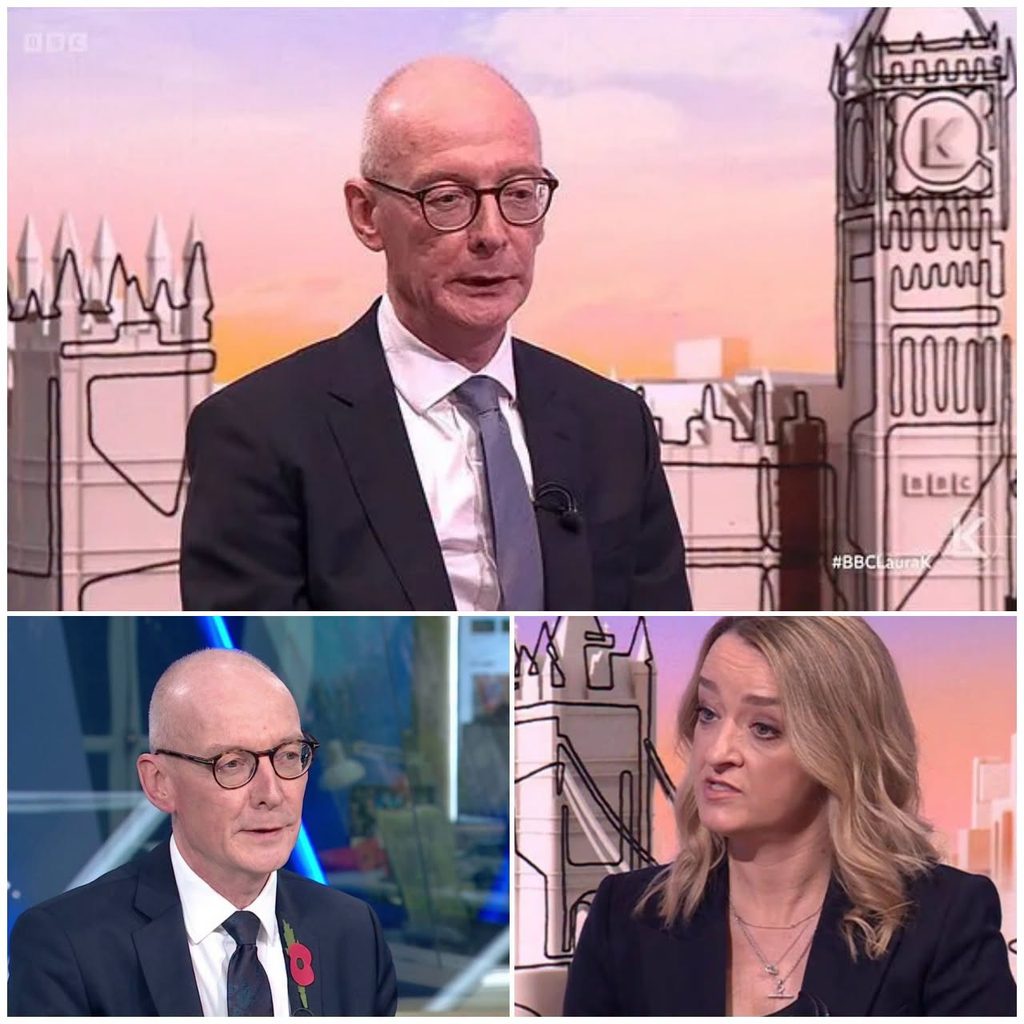
Pat McFadden refused to tell Laura Kuenssberg whether the overall benefits bill will be higher or lower by the next General Election.
Appearing on Sunday with Laura Kuenssberg, the Work and Pensions Secretary addressed Alan Milburn’s upcoming proposal, in which he calls for a shift in government spending away from benefits for young people to measures that support getting them into work.
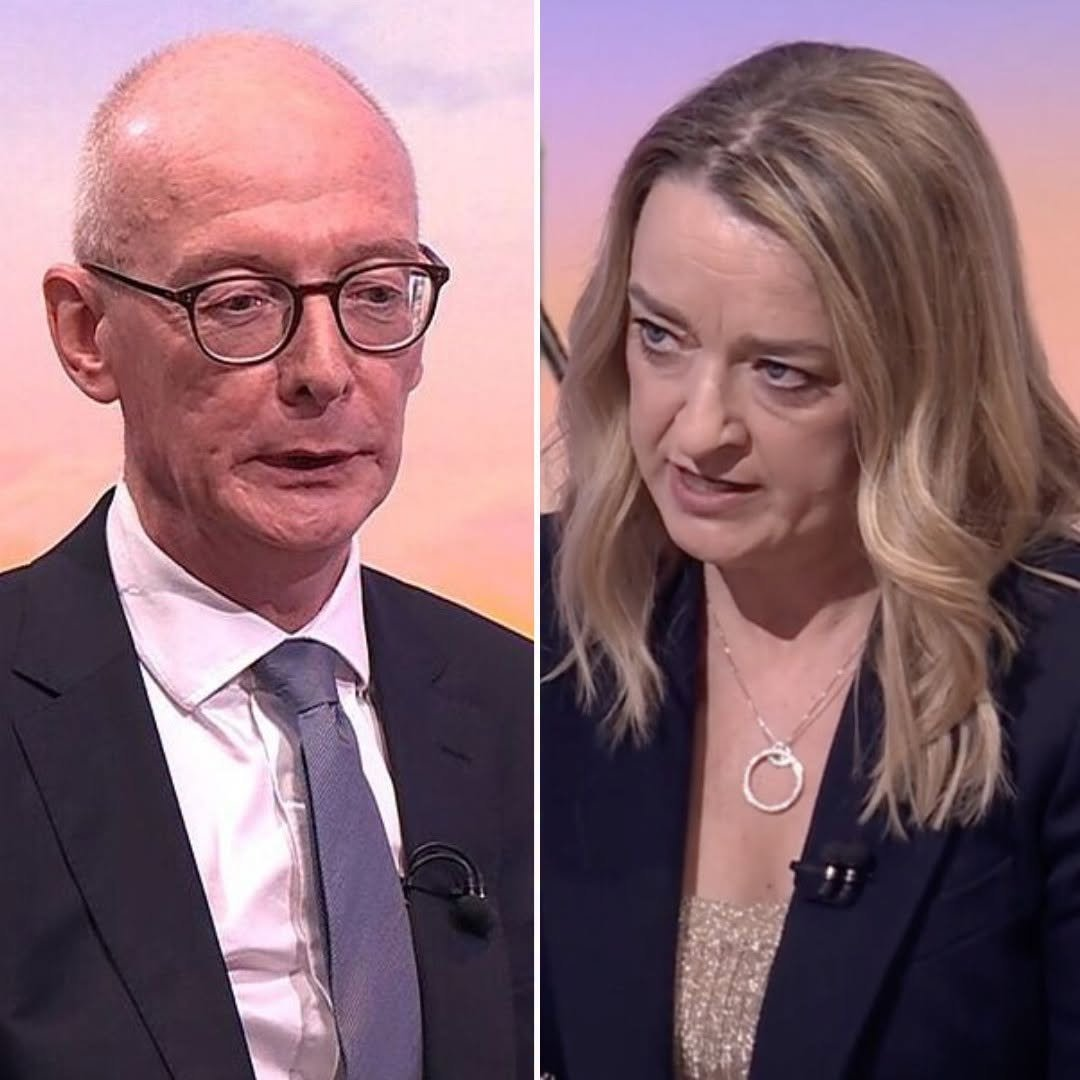
He argued the amount spent on young people’s benefits is 25 times as much as that on employment support and he hopes to shift it drastically.
McFadden refused to rule out some young people losing benefits ahead of the release of a report into young people not in education, employment or training (Neets), but there was one question he struggled to answer.
“Will the overall benefits bill be higher or lower by the time of the next general election?”
the presenter asked, prompting McFadden to ask precisely what she meant.
“The overall working age benefits bill,” she clarified, adding that it does not include pensioners and children.
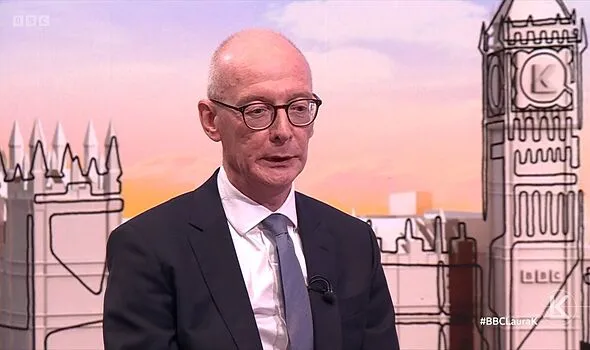
Pat McFadden refused to answer Laura Kuenssberg’s question about the benefits bill (Image: BBC)
“Will the overall bill for working age benefits be higher or lower by the next election?” she asked once again.
“I can’t say that,” the politician admitted.
“We upgrade benefits every year and it’s important to keep people up with the cost of living.”
He claimed: “You will have parties coming on here waving around a big number. I say two things about it.
It’s not credible because it’s not what they did when they were in power.
“And it’s not the way to go about it.
The way to go about a shift like this is to make sure you have a new settlement for people to enable people to change their lives for the better.
That’s what this report has as its heart.”
Kuenssberg attempted to clarify: “But you will not, as the Work and Pensions Secretary, if you expect working age welfare, which this year is predicted to be £182 billion, £221 billion by the time you get to 2031, you won’t tell us if you think that will be higher or lower by the next general election?”
McFadden argued that people go wrong when they “pick a number and retrofit a policy to it”.
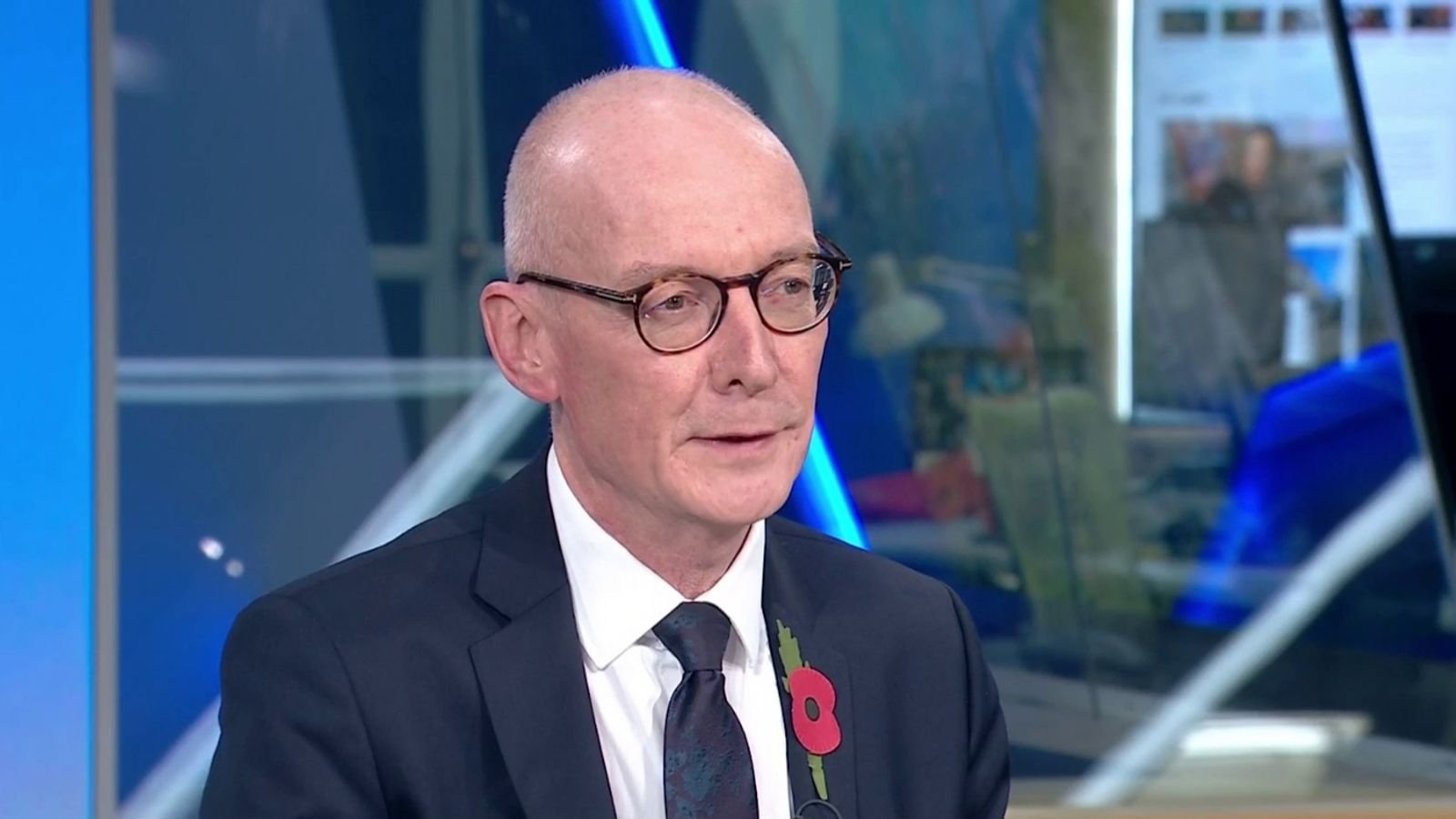
He added: “This is something very different. It’s a much more fundamental and long-term idea.
This is not the same thing as we tried last year with different PR.
“This is a different policy, a different approach and that’s why, I think, it’s going to lead to a better outcome for the million young people not in employment.”