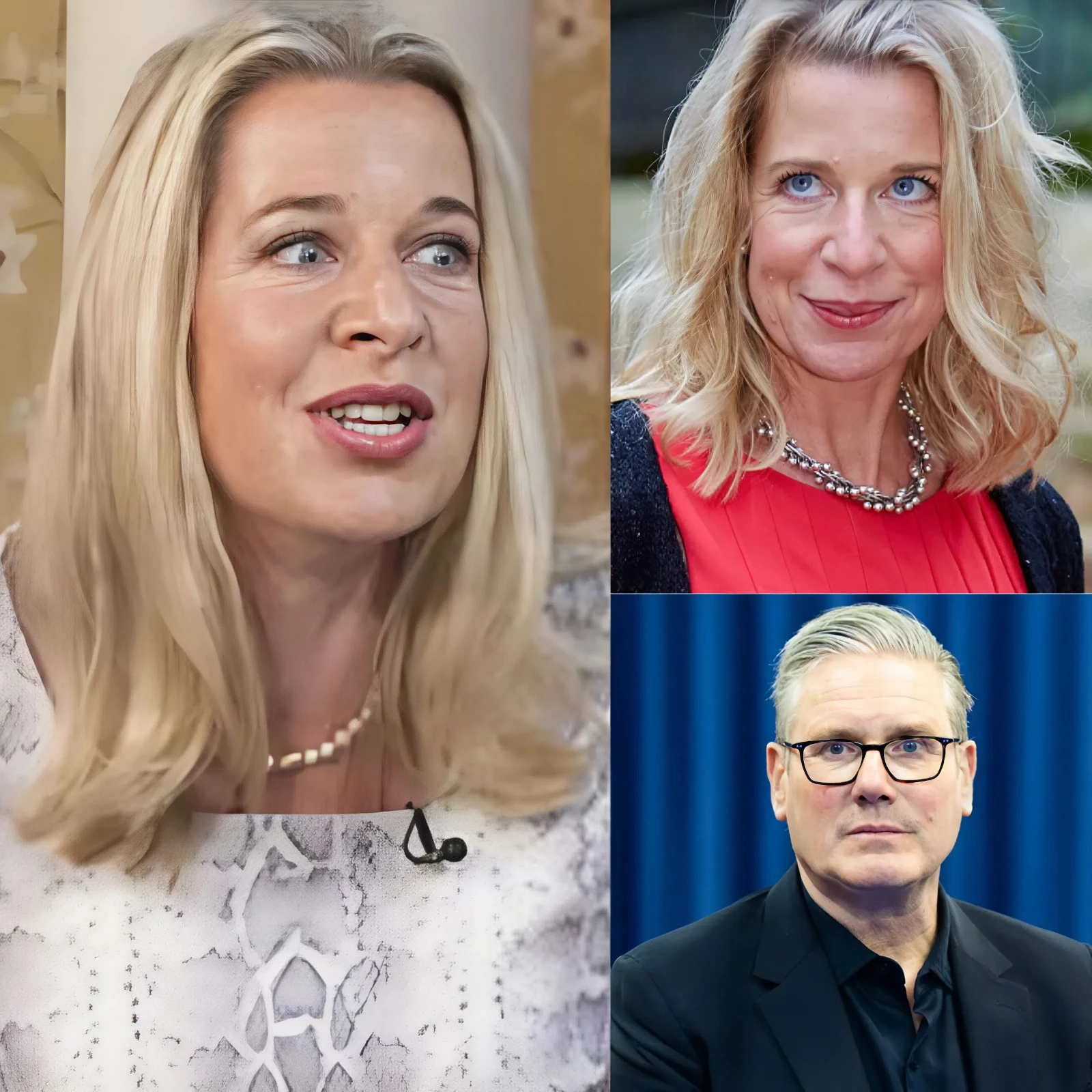
BREAKING: Keir Starmer attacks Katie Hopkins — and gets a FIERY response he won’t forget
An extremely heated political confrontation has recently shaken the British landscape, attracting the attention of millions of citizens and fueling an unprecedented wave of public discussion, simultaneously spreading globally and being intensely observed across media platforms.
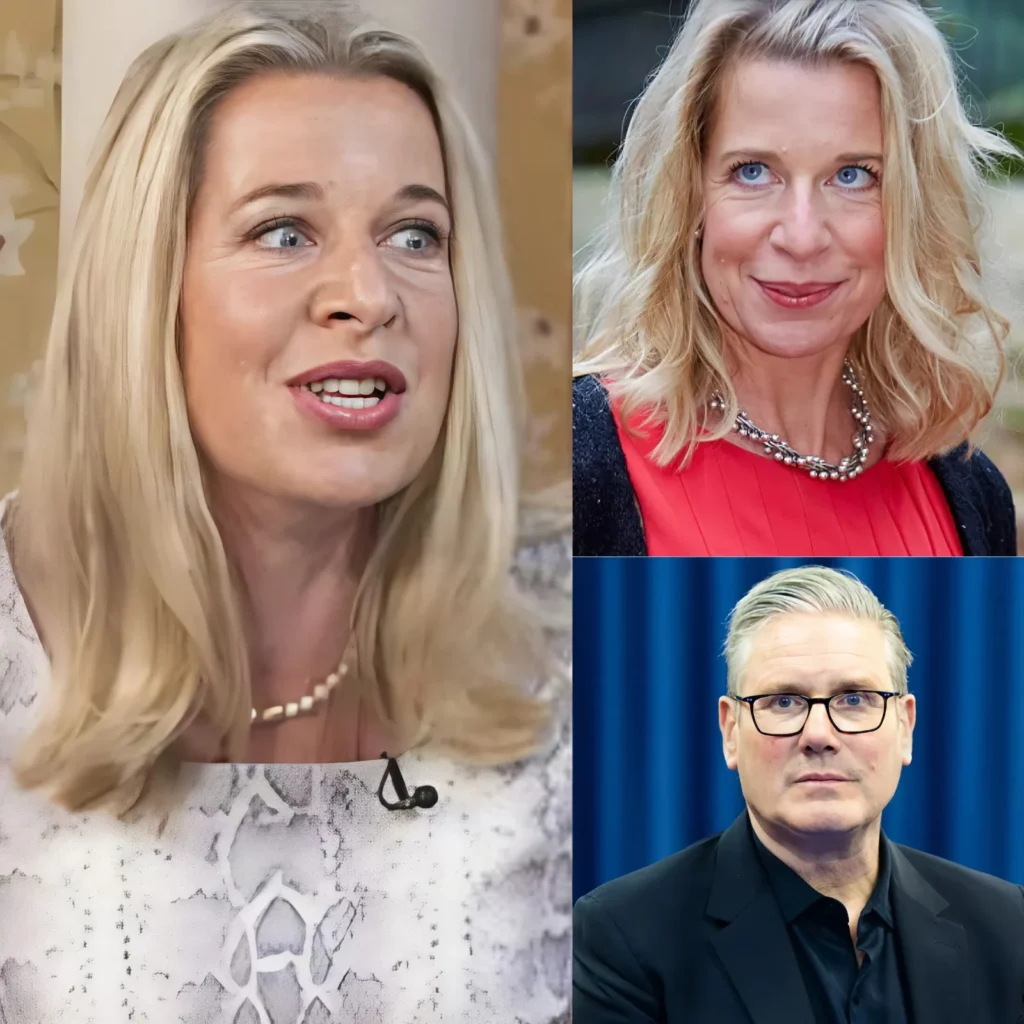
Prime Minister Keir Starmer publicly criticized a well-known commentator, describing some of her positions as incompatible with British values, immediately triggering an equally strong and detailed response that spread globally and was intensely covered by the media.
The commentator’s reply was swift, direct, and widely shared on social media, turning a political exchange into a true national media phenomenon, simultaneously distributed worldwide and continuously observed with high media intensity.
Many observers described the episode as a symbolic clash between deeply different visions regarding national identity, economic policies, and the role of the modern state.
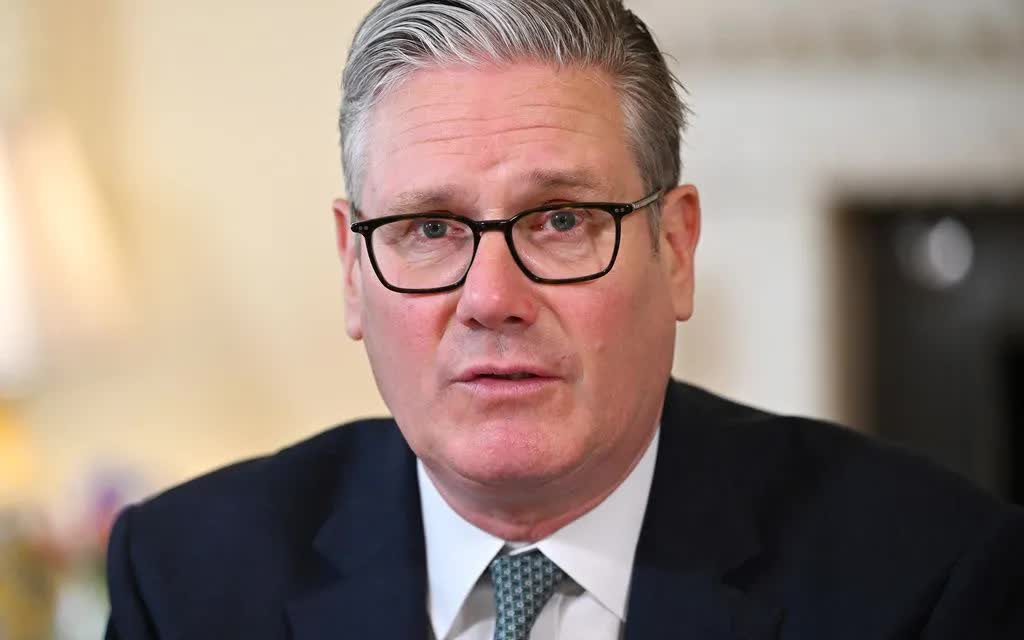
According to several analysts, the debate quickly went beyond the single episode, becoming a reflection of broader tensions present in contemporary British society.
Social media platforms amplified every statement, turning the confrontation into a narrative battle followed by millions of users connected simultaneously around the world.
Many citizens expressed support for the criticism directed at the government, highlighting concerns related to the cost of living, tax policies, and modern public services.
Other users, however, defended the government’s actions, arguing that some accusations are excessive or based on distorted interpretations of contemporary reality.
According to political communication experts, the strength of the episode lies in its ability to simplify complex issues into direct and easily shareable messages.
Many analysts believe that this type of clash contributes to strengthening political polarization, creating increasingly sharp divisions among different parts of the electorate.
British television networks have dedicated extensive coverage to the case, hosting debates among politicians, journalists, and experts to analyze the content and implications of the confrontation.
According to some commentators, the central issue concerns the very meaning of so-called “British values” and who has the authority to define them in the current context.
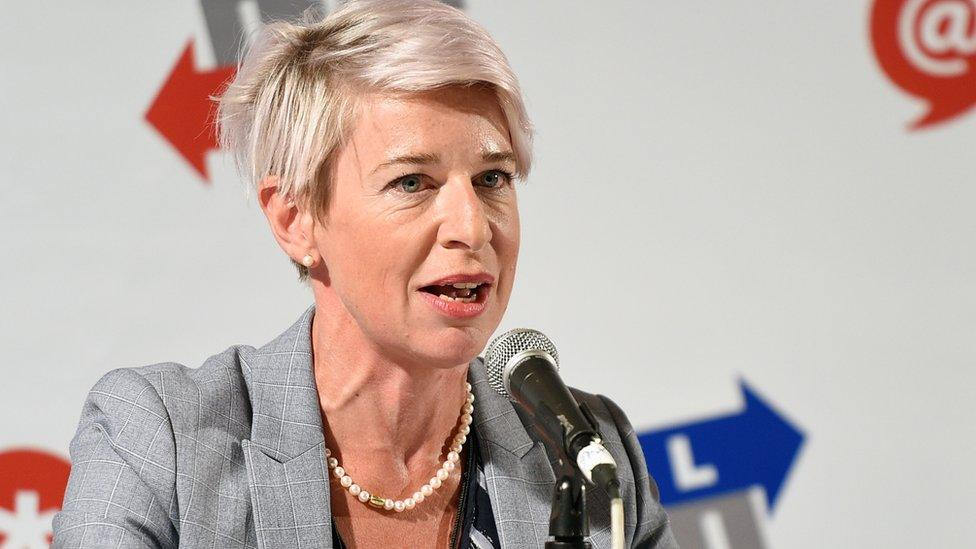
Many citizens are questioning how to reconcile freedom of expression with public responsibility, especially as political language becomes increasingly direct and polarizing.
Other observers point out that similar episodes reflect a broader transformation in political communication, increasingly influenced by modern digital dynamics.
According to sociologists, the growing intensity of public debate is also linked to economic and social factors, which fuel frustration and a demand for change.
Many scholars highlight how the language used in these clashes can influence collective perceptions and contribute to shaping dominant narratives.
Images and videos of the confrontation continue to circulate, keeping media attention high and generating further public reactions.
Many online users believe that such episodes offer an opportunity to openly discuss important issues, even if in a heated manner.
Other citizens, however, fear that the growing level of conflict makes it increasingly difficult to find shared political compromises.
According to various analysts, the case could also affect the future of British political debate, influencing communication strategies and electoral campaigns.
Many international observers are following the situation, considering it indicative of dynamics present in numerous Western democracies.
Universities are analyzing the case within political science and communication courses, highlighting the growing importance of social media in shaping public debate.
Many professors emphasize the need to promote more constructive dialogue capable of addressing differences without degenerating into personal clashes.
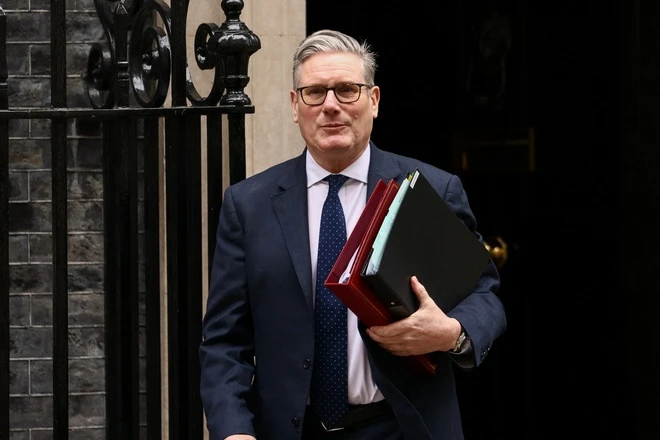
Other academics, however, believe that heated confrontation is an inevitable component of democracy, especially during periods of strong social change.
Social platforms continue to play a central role, amplifying every statement and contributing to turning the confrontation into a global viral event.
Many British citizens report feeling increasingly emotionally involved in these debates, a sign of growing politicization of everyday life.
Other residents express concern about the overall climate, fearing that rising tensions could have long-term consequences for social cohesion.
According to several experts, the future of political debate will depend on the ability to balance freedom of expression, public responsibility, and mutual respect.
Many observers believe that episodes like this will continue to emerge, reflecting deep changes in the way politics and society interact.
Others argue that these tensions could actually open space for new forms of dialogue and democratic participation.
Whatever the final interpretation, one reality now appears evident to millions of people connected online: British political debate is entering an increasingly intense, visible, and deeply divisive phase.