LIVE BROADCAST EXPLOSION! CABINET MINISTER CORNERED!
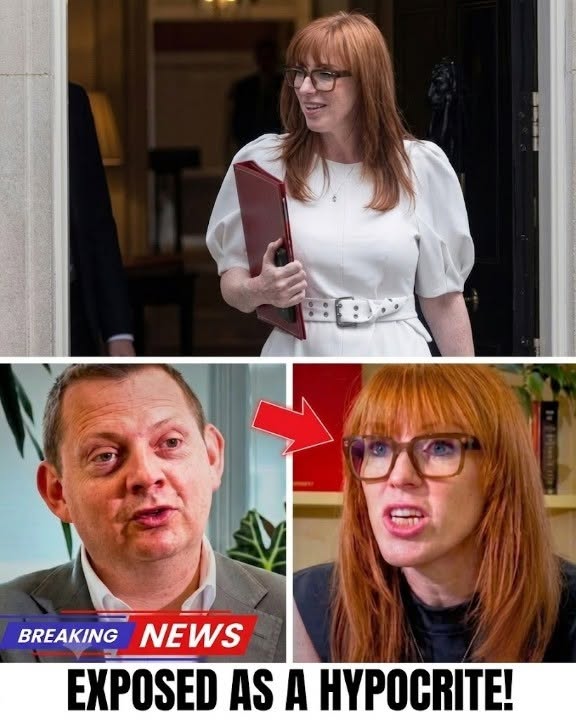

Angela Rayner Defends £16,876 Severance Payment in Tense Broadcast Clash After Cabinet Return
Angela Rayner has found herself at the centre of a fresh political storm after refusing to return a £16,876 ministerial severance payment she received when she resigned from government last year.
The row erupted after Rayner returned to Cabinet as Housing Secretary under Prime Minister Andy Burnham, less than a year after quitting government during a damaging tax controversy. Her return immediately revived questions over the exit payment she accepted after resigning – and whether she should now hand the money back to taxpayers.
In her first major broadcast interview since returning to office, Rayner defended keeping the payment, saying she had been out of government for just under a year and was now returning to deliver in government again. The Independent reported that she refused to repay the nearly £17,000 severance sum despite renewed pressure from political opponents.
The issue has quickly become a row about hypocrisy, public money and political standards.
What the Payment Was
The £16,876 payment was a ministerial exit payment, sometimes described by critics as a “golden goodbye.”
Under ministerial rules, departing ministers can receive a severance payment when they leave government. Ministers aged over 65 or reappointed within three weeks do not qualify. Rayner resigned in September 2025 and was out of Cabinet for around ten months before returning, meaning she qualified under the rules at the time. LBC reported that the payment was made after she resigned as deputy prime minister and housing secretary following the controversy over tax paid on her £800,000 Hove flat.
That is the legal and procedural defence.
Rayner was entitled to the payment under the rules then in place.
But politics is not only about entitlement. It is also about judgement.
Why Critics Are Calling It a Double Standard
The controversy is politically damaging because Rayner had previously been one of the strongest critics of Conservative ministers receiving severance payments after short periods in office or after controversial resignations.
The Independent noted that when in opposition, Rayner sharply criticised Conservative ministers who received lump-sum payments during the chaotic period of reshuffles between Boris Johnson, Liz Truss and Rishi Sunak.
That history is now being used against her.
Critics argue that Rayner cannot condemn severance payouts when they go to political opponents, then keep one herself after returning to government. They say the issue is not whether the payment was technically lawful, but whether it looks fair to taxpayers.
GB News reported that Conservative figures demanded she hand back the money after being restored to her old Cabinet role by Andy Burnham.
For her opponents, the case is simple: if she believed such payments were wrong before, she should return the money now.
Rayner’s Defence
Rayner’s defence is that she left government, was out of office for a significant period and received the payment under the rules.
She has also argued that she is focused on returning to government work, particularly housing. The Standard reported that Rayner defended not returning the payment in her first major broadcast interview after her return, while also facing questions about the wider housing brief.
Her supporters may argue that political opponents are turning a lawful payment into a scandal for partisan reasons. They may also point out that exit-payment rules apply across parties and that Rayner was not reappointed within the three-week window that would have disqualified her.
There is also a distinction between accepting a payment under existing rules and defending whether those rules should change in future.
But that argument may not satisfy voters.
The public often judges political standards by what seems fair, not by what is technically permitted.
The Tax Controversy Behind the Resignation
The severance row cannot be separated from the reason Rayner left government.
She resigned in September 2025 after admitting she had failed to pay enough stamp duty on a flat in Hove. The Times reported at the time that she faced a possible bill and penalty linked to underpaid stamp duty on the property.
Rayner’s allies have argued that the matter involved complex personal and family circumstances and that she acted with integrity after the issue came to light. Critics have framed it more harshly, saying the controversy damaged her credibility on fairness and tax.
That background makes the severance payment more politically sensitive. A minister resigning in ordinary circumstances may attract less criticism. A minister resigning after a tax controversy, then returning to Cabinet and keeping a payout, creates a much stronger attack line for opponents.
Why the Broadcast Moment Went Viral
The live broadcast clash became viral because it compressed the entire controversy into one uncomfortable question: will you give the money back?
Rayner’s refusal gave critics a clean headline.
Supporters may say she answered directly and stood by her position. Critics say she failed to confront the double standard.
Broadcast interviews are often brutal because they strip away procedural detail. Legal entitlement, ministerial rules and timing windows matter, but viewers often hear a simpler story: a senior politician took nearly £17,000 after resigning, then returned to the same department and refused to repay it.
That is why the moment spread quickly online.
Public Money and Political Trust
The row touches a deeper issue: public trust in politics.
Many voters already believe politicians operate under different rules from ordinary people. Severance payments for ministers can reinforce that perception, especially when the politician later returns to high office.
For people struggling with rent, bills, mortgages or tax, a £16,876 payout is not a minor sum. It can look like a reward for failure, even if the rules describe it as compensation for loss of office.
This is the emotional force behind the scandal.
Rayner may be legally right.
But critics argue she is politically wrong.
The Rule Change Question
The timing also matters because Labour had previously pledged changes to ministerial severance rules.
The Sun reported that Rayner received the payout under the old system before new rules came into force preventing ex- ministers found guilty of serious ministerial-code breaches from receiving such payments.
That detail has intensified the criticism. Opponents say she benefited from a loophole just before the standards system was tightened.
Her defenders may respond that rules cannot be applied retroactively and that changing the system for the future does not require people to repay money they lawfully received under the old one.
But again, the political problem remains.
The more technical the defence sounds, the more damaging the optics may become.
Why This Matters for Burnham’s Government
The row is also a problem for Andy Burnham.
Rayner’s return was intended to strengthen the government’s housing agenda. Instead, one of the first stories around her comeback has been about a severance payment and allegations of hypocrisy.
Burnham now faces a difficult choice. Defending Rayner too strongly risks tying his government to the controversy. Leaving her to handle it alone risks making the issue drag on.
For a new prime minister trying to project competence, fairness and renewal, the row is an unwelcome distraction.
Opposition parties know this. That is why they are pushing the issue hard.
A Wider Pattern of Anger
Ministerial severance payments have caused controversy before.
Dominic Raab received a near-£17,000 payout after resigning following a bullying investigation, a case that also triggered criticism and calls for repayment. The Guardian reported in 2024 that the payout led to anger from political opponents who argued ministers should not benefit financially after leaving under a cloud.
This shows the issue is not limited to Rayner or Labour.
The public often reacts strongly when senior politicians receive taxpayer-funded exit money after controversial departures. The party label may change, but the public frustration is similar.
That is why Rayner’s past criticism of Conservative payouts matters so much. She is now being judged against the same standard she once used against others.
Conclusion: Lawful Payment, Damaging Optics
Angela Rayner’s refusal to return her £16,876 severance payment has created an early political headache after her return to Cabinet.
The payment appears to have been made under the rules in place at the time. Rayner was out of government for around ten months, not reappointed within the three-week window that would have blocked entitlement, and she has defended keeping the money.
But the political controversy is not only about legality.
It is about consistency.
Rayner once criticised similar payouts when they went to Conservative ministers. Now she is defending one of her own. Supporters say she followed the rules and is being targeted by opponents.
Critics say the refusal exposes a glaring double standard.
For voters, the question may be simpler still:
If politicians demand higher standards from others, should they not apply those same standards to themselves?
That is why a £16,876 payment has become a much bigger political problem – and why the row may continue long after the broadcast moment fades.