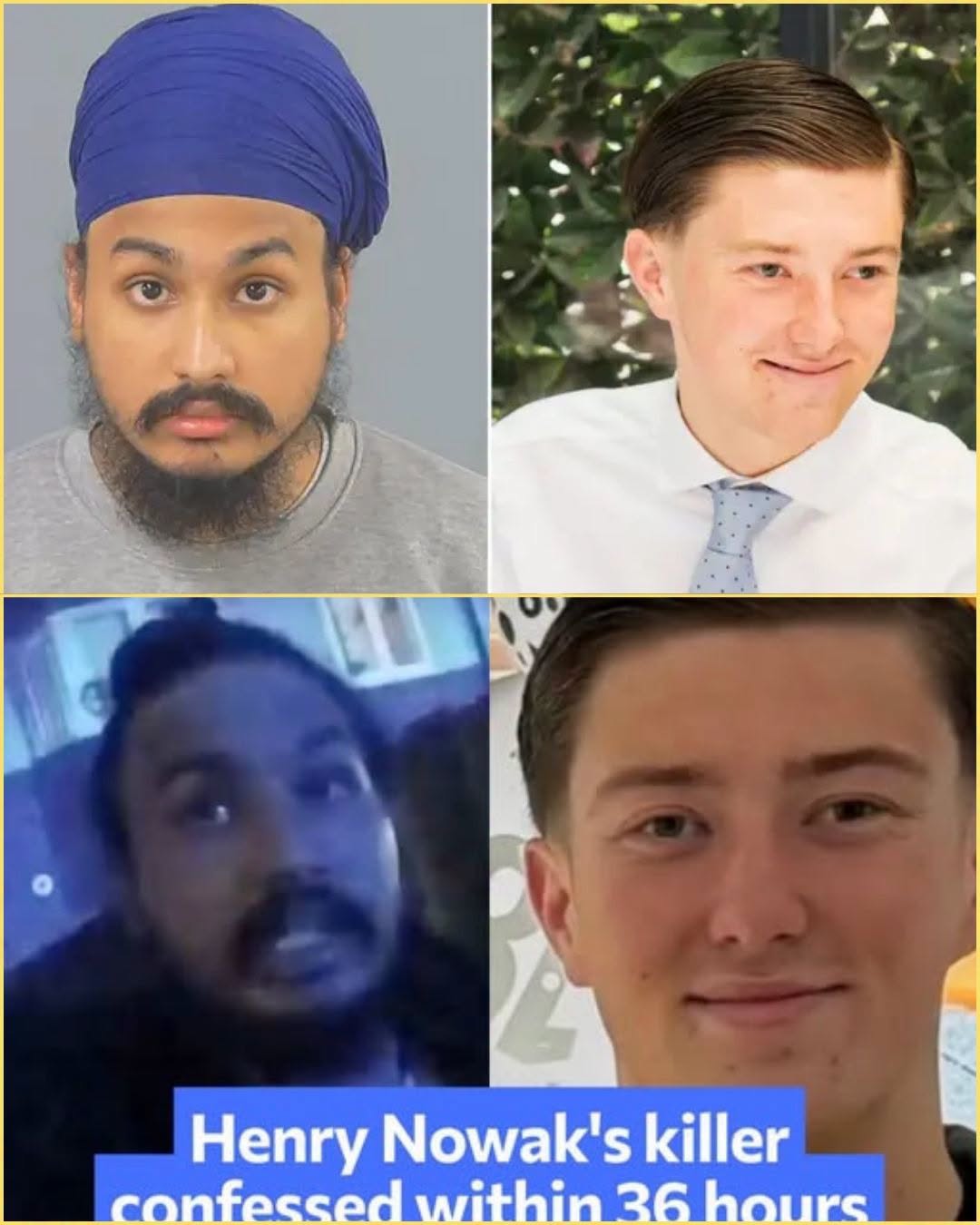
Convicted killer Vickrum Digwa not only took the life of 18-year-old student Henry Nowak, but he also twisted the narrative to blame his dying victim for a racist attack—tricking police into handcuffing a teenager as he drew his final breaths. Yet, that isn’t even the most brazen twist he just pulled at the Court of Appeal… The dark truth behind the viral bodycam footage has just revealed a terrifying detail that left the entire UK in utter disbelief,
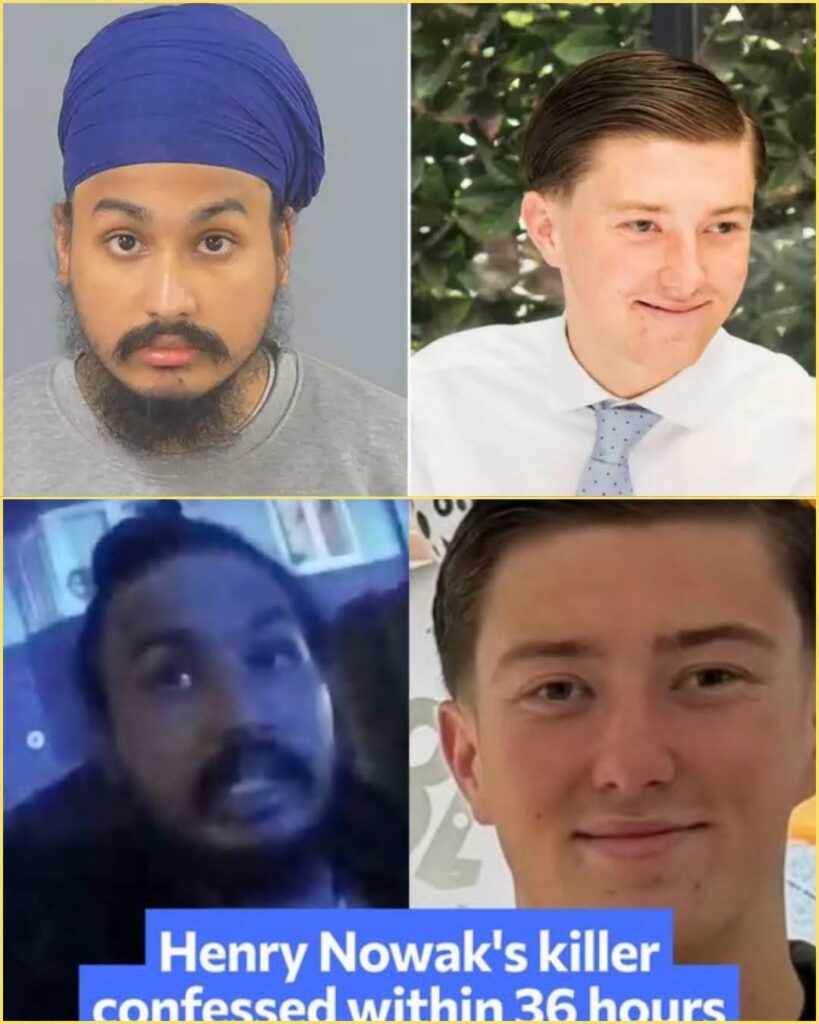
SHOCKING BETRAYAL: HOW VICKRUM DIGWA BLAMED HIS DYING VICTIM FOR A RACIST ATTACK BEFORE ASKING THE COURT OF APPEAL TO SET HIM FREE
An eighteen-year-old university student with a bright future ahead of him, Henry Nowak, lay mortally wounded on a cold Southampton pavement, gasping for his final breaths after being viciously stabbed with a lethal dagger. Instead of showing a single shred of humanity or remorse as the young man fought for his life, his killer, Vickrum Digwa, immediately orchestrated a cold-blooded lie to the responding police officers, claiming with conviction that he had been the true victim of an unprovoked, hate-fueled racist assault.
Tragically duped by the perpetrator’s swift and manipulative narrative, the arriving officers placed heavy metal handcuffs onto the critically injured teenager, restraining him as he desperately struggled to breathe in the final, agonizing moments of his short life.
The harrowing bodycam footage capturing those devastating minutes was later made public, sending shockwaves across the country, sparking widespread national outrage, and triggering an official police misconduct investigation into how the chaotic scene was handled by the officers on duty.
Now, despite having been convicted of murder and handed a mandatory life sentence with a minimum term of 21 years behind bars, Digwa is audaciously attempting to challenge both his conviction and his sentence at the Court of Appeal, leaving a devastated family forced to relive their worst nightmare all over again.
The criminal justice system had already recognized the profound severity and cruelty of Digwa’s actions, with the Solicitor General formally stepping in to review the 21-year minimum term under the legal argument that it was “unduly lenient” given the senseless violence displayed that evening.
Yet, in an astonishingly bold legal move that has reignited public indignation, Digwa is actively petitioning the highest appellate judges in the land to either overturn his murder conviction entirely or grant him a significantly reduced prison sentence, refusing to quietly accept responsibility for taking a human life.

The legal framework of modern democratic justice dictates that every convicted individual, regardless of the nature of their offense, retains the fundamental human right to appeal their conviction and sentence—a vital constitutional safeguard designed strictly to prevent miscarriages of justice and ensure fair trials.
However, high-profile cases like Digwa’s push the moral and emotional boundaries of this statutory right to their absolute limit, forcing a grieving society to confront a deeply troubling ethical dilemma: should an offender who deliberately exploited the law and misled police while his victim lay dying on the street still be afforded every legal privilege and avenue to fight for his freedom?
For Henry Nowak’s heartbroken family, these endless, drawn-out legal proceedings mean that the unbearable agony of his tragic loss remains an open, unhealing wound, ensuring that the horrifying memory of his final moments continues to haunt their daily lives without any sense of closure.
As the Court of Appeal prepares to consider Digwa’s controversial application, the ultimate question hanging over the nation is whether the judicial system will uphold a sentence meant to reflect the true gravity of a stolen young life, or allow a killer’s calculated deceit to afford him a second chance at liberty.