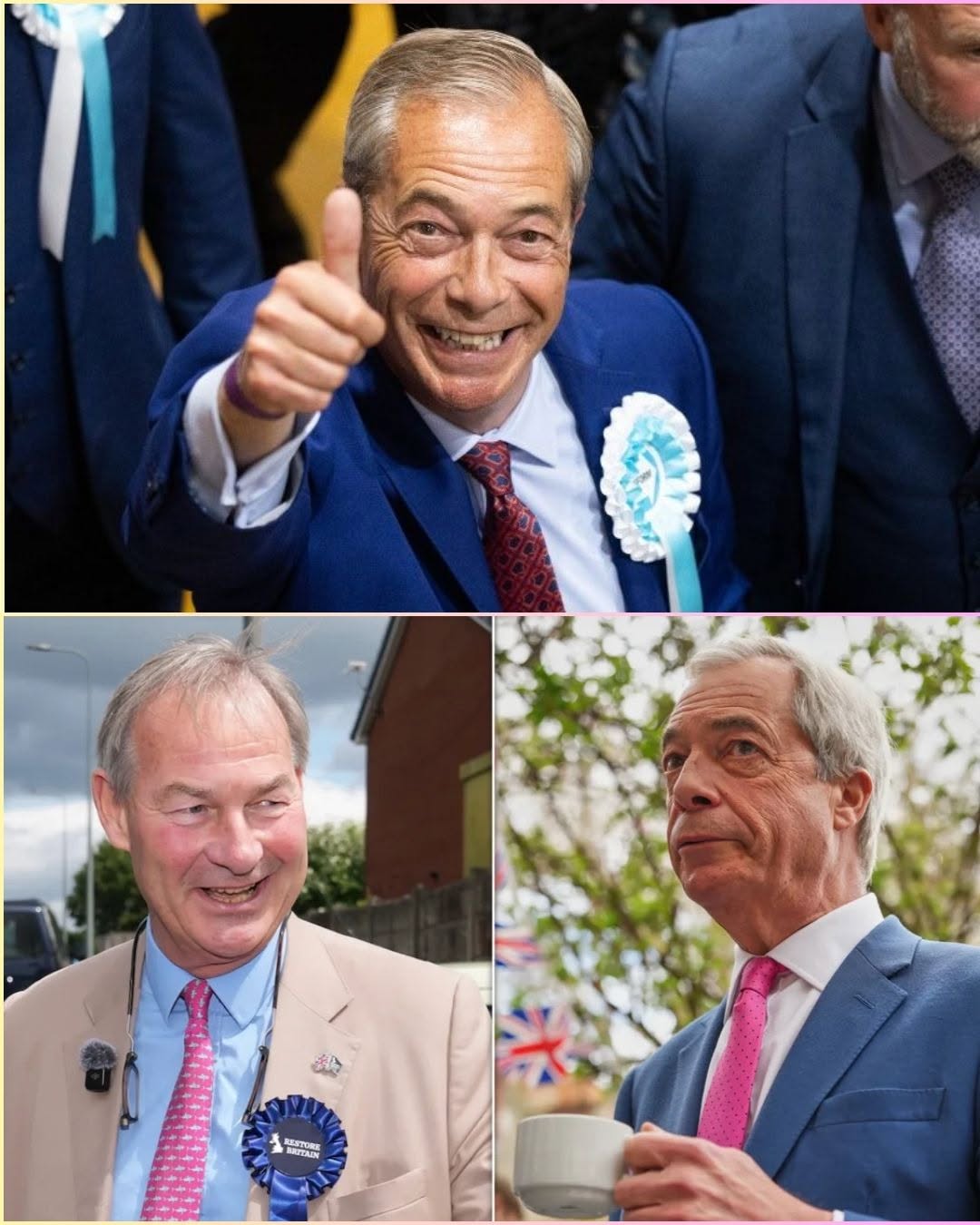
A Surprise Political Alliance Is Suddenly Making Headlines. Could Nigel Farage and Robert Lowe be preparing for something bigger?
A Surprise Political Alliance Is Suddenly Making Headlines. Could Nigel Farage and Robert Lowe be preparing for something bigger?
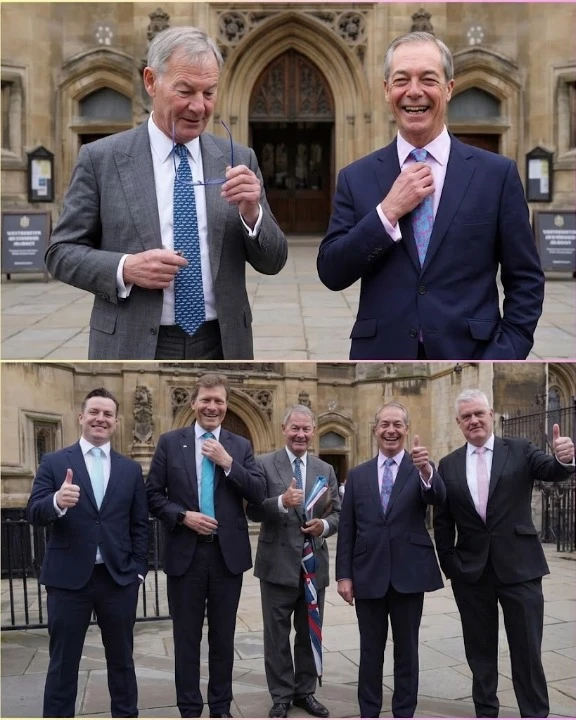
Nigel Farage and Rupert Lowe: Is a Surprise Political Alliance Really on the Table?
A surprise political alliance between Nigel Farage and Rupert Lowe is suddenly making headlines, raising one of the biggest questions on Britain’s right: could Reform UK and Restore Britain be preparing for something bigger?
The speculation began after Lowe, the leader of Restore Britain and a former Reform UK MP, publicly urged Farage to work with him and put “personalities and past disagreements aside.” Lowe’s message was presented as a call for unity, warning that Britain’s right-wing vote could be split if Reform and Restore continue fighting each other.
But this is not a confirmed alliance.
It is an offer — and a highly conditional one.
Reports say Lowe attached five major conditions to any cooperation, including a harder line on deportations, tougher migration controls, restrictions on the burqa and sharia courts, a referendum on the death penalty, welfare cuts, and a refusal to include former Conservative ministers in any future cabinet.
That is why the proposal has caused such a stir. To supporters, Lowe is trying to unite the patriotic right before the next election. To critics, he is trying to force Farage into accepting Restore Britain’s harder platform.
Farage has not accepted the offer. He has said he is “open-minded” about discussions, but the relationship between the two men remains tense. The Guardian reported that Lowe later accused Farage of lying over an exchange of messages between them about the proposed cooperation.
The stakes are obvious. Reform UK remains the larger force, but Restore Britain does not need to overtake Reform to cause serious problems. Under Britain’s first-past-the-post system, even a smaller party can split the vote in key seats and help Labour, the Conservatives or Liberal Democrats win.
That is Lowe’s leverage.
His message to Farage is simple: unite with us, or risk division.
But Farage faces a difficult calculation. Accepting Lowe’s terms could energise hardline voters who want stronger action on immigration, crime and national identity. It could also alienate more moderate voters who dislike Labour and the Conservatives but are uncomfortable with religious bans, death-penalty debates or Restore’s uncompromising tone.
The wider Conservative Party is also being pulled into the argument. Kemi Badenoch has rejected calls to “unite the right,” saying she is trying to “unite the country” rather than form pacts with Reform UK. The Times also noted that Lowe’s conditions included opposition to former Conservative ministers playing roles in any future cabinet.
So could Farage and Lowe really join forces?
Possibly — but not easily.
This is not a warm reunion. Lowe’s Restore Britain emerged after a bitter split with Reform UK, and the personal distrust between the two camps remains strong. What looks like an alliance offer may also be a political trap: if Farage refuses, Lowe can accuse him of dividing the right; if Farage accepts, Lowe can claim he forced Reform onto Restore’s agenda.
For now, there is no signed pact, no shared candidate list, and no confirmed electoral deal.
There is pressure.
There is calculation.
There is mistrust.
And there is a growing recognition that Britain’s populist right may soon have to choose between unity and rivalry.
If Farage and Lowe can find common ground, the next election could look very different.
If they cannot, the biggest threat to Britain’s right may not come from Labour or the Conservatives.
It may come from itself.