Reform UK Proposes Sweeping Asylum Changes, Sparking Debate Over Immigration, Legal Obligations, and Britain’s Future
Reform UK Proposes Sweeping Asylum Changes, Sparking Debate Over Immigration, Legal Obligations, and Britain’s Future

Introduction
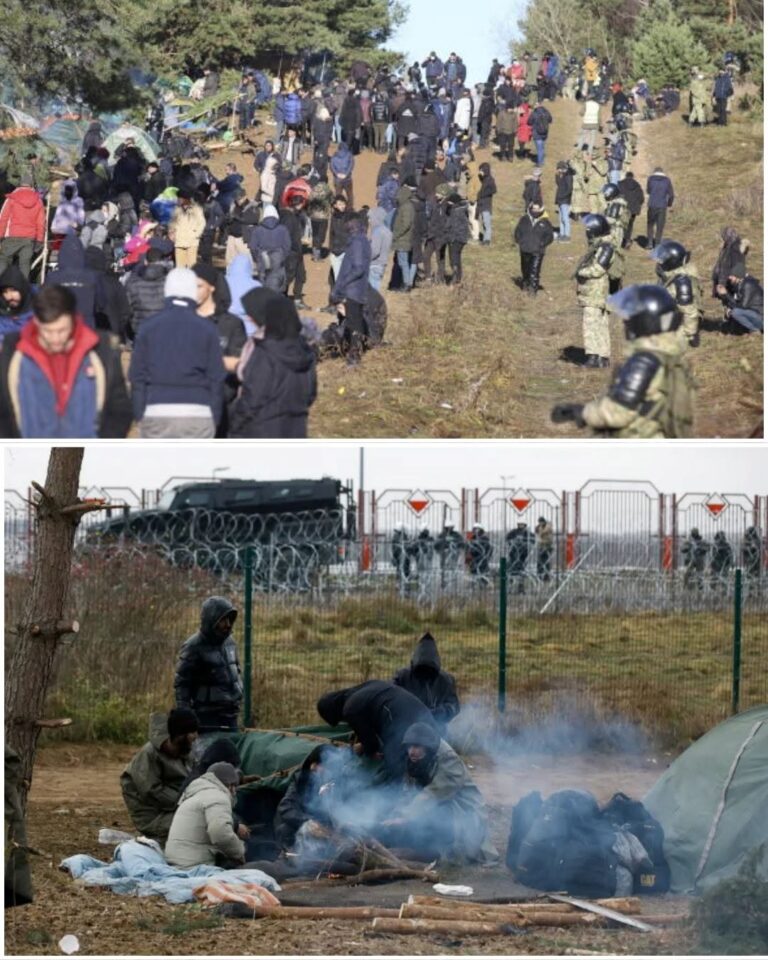
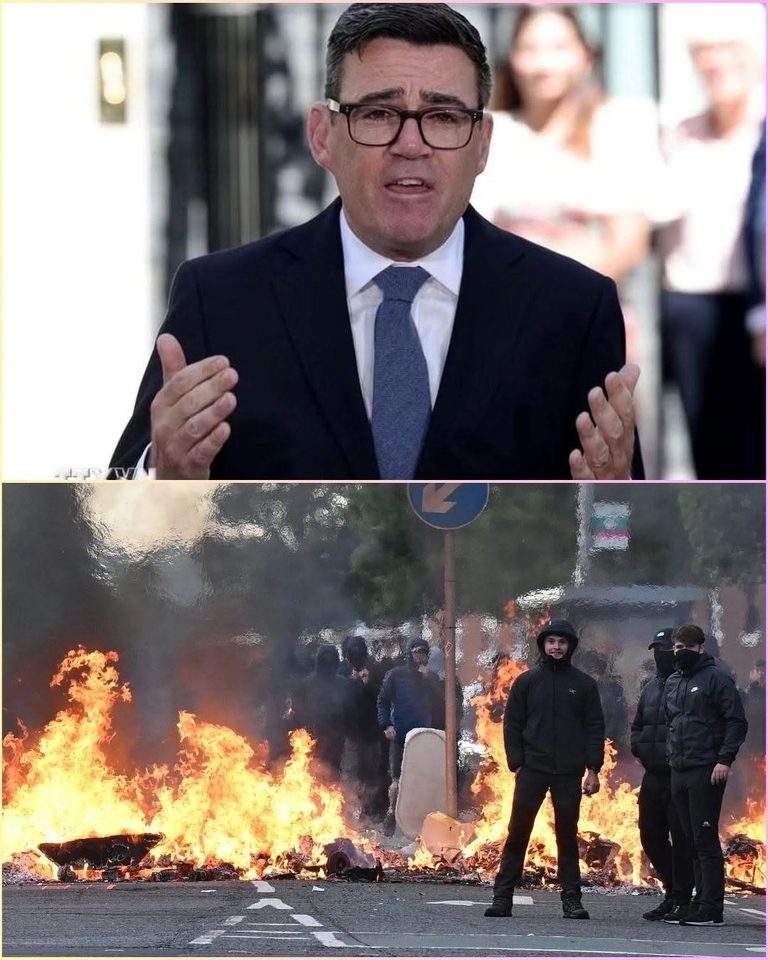
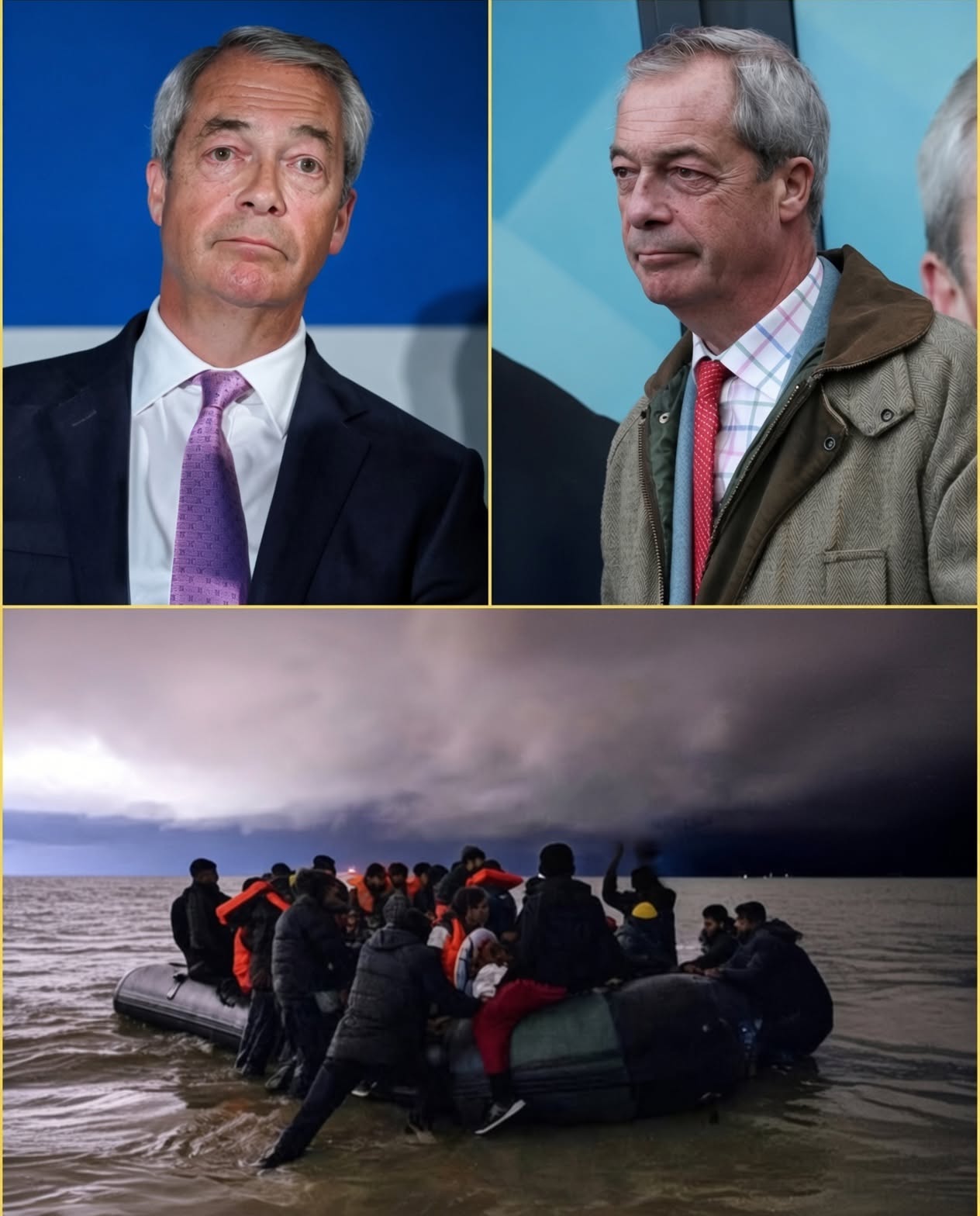
Immigration has once again become one of the defining issues in British politics after Nigel Farage and Reform UK outlined proposals for a far tougher approach to asylum and illegal migration. The proposals, which include reviewing the status of certain migrants and expanding deportations for individuals who do not have a legal right to remain in the United Kingdom, have generated intense political debate and widespread discussion on social media.
Viral posts have claimed that the plans could lead to the deportation of up to 400,000 asylum seekers, including some individuals who have already been granted protection. Supporters describe the proposals as a necessary response to years of rising migration and pressure on public services, while critics argue they could create significant legal, humanitarian, and practical challenges.
Although immigration has become one of the UK’s most politically divisive issues, many of the claims circulating online require important context. The implementation of any large-scale policy would depend on legislation, court rulings, existing domestic law, and the United Kingdom’s international legal obligations.
Reform UK’s Immigration Agenda
Reform UK has consistently campaigned for a substantial overhaul of Britain’s immigration and asylum system.
Among its publicly stated priorities are:
- reducing both legal and illegal migration;
- strengthening border security;
- increasing deportations of people with no legal right to remain;
- expanding detention capacity;
- reforming the asylum process;
- withdrawing from or amending legal frameworks that the party argues restrict effective immigration enforcement.
Party leaders argue that current policies have failed to control migration effectively and have placed increasing pressure on housing, healthcare, education, and other public services.
The Claim of 400,000 Deportations
One of the most widely circulated claims is that Reform UK’s proposals could result in the removal of 400,000 people.
This figure is part of political debate and depends on how different categories of migrants are defined. It should not be interpreted as an official government plan or a confirmed number of individuals who would be deported.
In practice, any large-scale removals would require:
- individual legal assessments;
- immigration case reviews;
- compliance with UK law;
- consideration of appeals;
- logistical capacity;
- cooperation with other countries.
Whether such numbers could realistically be achieved remains the subject of considerable debate among legal experts, policymakers, and immigration specialists.
Could Refugee Status Be Reviewed?
Some reports suggest that Reform UK would support reviewing the immigration status of certain individuals who have already been granted protection.
Under current UK law, refugee or humanitarian protection status can already be revoked in specific circumstances, including where:
- protection was obtained through fraud;
- an individual poses a serious threat to national security;
- circumstances in the country of origin have fundamentally changed, subject to legal safeguards.
However, refugee status cannot simply be withdrawn on a blanket basis without legal process. Any broader changes would almost certainly require new legislation and could face judicial scrutiny.
Supporters’ Perspective
Supporters of Reform UK’s proposals argue that:
- immigration laws should be enforced consistently;
- illegal entry should not lead to permanent residence;
- stronger deportation policies would deter dangerous Channel crossings;
- reducing immigration could ease pressure on public services, housing, and infrastructure;
- restoring public confidence requires visible enforcement of existing laws.
Many supporters believe current governments have been too slow to address rising migration levels.
Critics’ Perspective
Critics argue that the proposals raise significant concerns.
Among the issues they highlight are:
- compatibility with international refugee law;
- obligations under the European Convention on Human Rights;
- administrative feasibility;
- humanitarian consequences;
- diplomatic cooperation with countries of origin.
Human rights organizations also caution that large-scale removals would require careful individual assessments to ensure compliance with domestic and international legal protections.
Legal Challenges
Immigration law in the UK is governed by a combination of:
- Acts of Parliament;
- domestic case law;
- international treaties;
- refugee law;
- human rights obligations.
Any major reform would likely face:
- parliamentary debate;
- judicial review;
- appeals through the immigration tribunal system;
- possible challenges in higher courts.
As a result, even if Parliament approved significant reforms, implementation could take considerable time.
The Wider Political Debate
Immigration remains one of the most significant issues dividing British politics.
Supporters of stricter controls argue that:
- border security underpins national sovereignty;
- illegal migration should be discouraged;
- taxpayers expect immigration laws to be enforced;
- asylum systems should prioritize genuine refugees while preventing abuse.
Others argue that Britain must continue to uphold its humanitarian commitments while improving the efficiency and fairness of the asylum system.
Practical Challenges
Even where deportation orders are issued, practical obstacles may arise.
These can include:
- legal appeals;
- difficulties confirming identity;
- lack of travel documentation;
- refusal by countries of origin to accept returns;
- limited detention capacity;
- operational costs.
Previous governments of different political parties have encountered many of these challenges when seeking to increase removals.
Social Media and Political Messaging
The issue has been widely discussed online through highly emotional headlines claiming:
- “Britain’s biggest deportation ever”;
- “400,000 migrants to be removed”;
- “political earthquake”;
- “Britain takes back control.”
Such language reflects campaign messaging and political opinion rather than confirmed government action.
Readers should distinguish between party proposals, enacted legislation, official government policy, and commentary shared on social media.
Public Opinion
Opinion polling has consistently shown that immigration remains among the issues many voters consider most important.
However, views differ considerably regarding how immigration should be managed.
Some voters prioritize:
- stronger border enforcement;
- reduced migration;
- faster deportations.
Others emphasize:
- humanitarian responsibilities;
- compliance with international law;
- efficient asylum processing;
- integration and community cohesion.
These differing priorities continue to shape political debate across the United Kingdom.
Conclusion
Reform UK’s latest immigration proposals have intensified one of Britain’s most enduring political debates. By advocating tougher border controls, expanded deportations, and significant reforms to the asylum system, the party has appealed to voters who believe current policies have failed to manage migration effectively. At the same time, the proposals have drawn criticism from opponents who argue they could face substantial legal, humanitarian, and operational challenges.
At the time of writing, there is no confirmed government policy to deport 400,000 asylum seekers, and any such large-scale changes would require extensive legislative, judicial, and administrative processes before they could be implemented. The figures and outcomes discussed in political campaigns should therefore be understood as proposals and projections rather than established facts.
As Britain continues to debate immigration, asylum, and border security, the central questions remain how to balance effective enforcement, the rule of law, humanitarian obligations, and public confidence. The answers to those questions are likely to remain at the forefront of British politics for years to come.