ELON MUSK CLASHES OVER IMMIGRATION, BORDER SECURITY AND EUROPE’S FUTURE IN HEATED INTERVIEW -cici
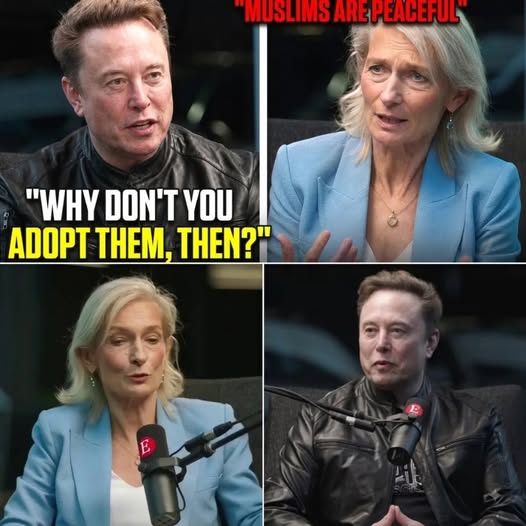
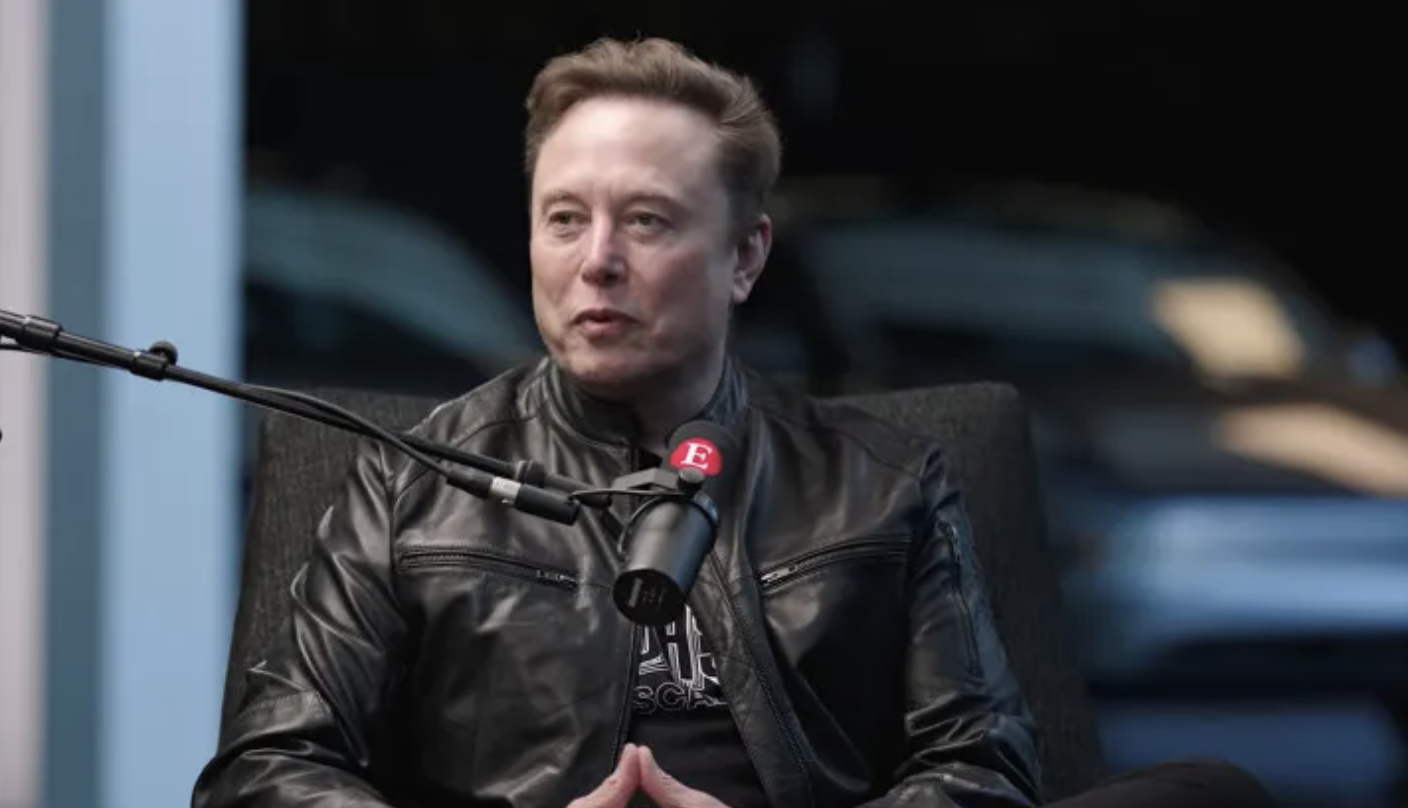
Elon Musk has defended his increasingly outspoken views on immigration, border security and the political direction of Europe during a tense interview in which he rejected accusations that he is exaggerating the continent’s problems. The discussion became particularly heated when the conversation turned to Musk’s claim that civil conflict in Britain could become inevitable if current trends continue, with the interviewer challenging him over how often he actually visits the country and accusing him of presenting an overly dystopian picture of Europe.
Musk acknowledged that he had not been in Britain recently, but argued that his assessment was not based simply on personal observation. He pointed to crime statistics and broader social trends, saying that a large and rapidly growing population with beliefs he considers incompatible with established Western values could eventually create serious tensions. When challenged over his statement that “civil war in Britain is inevitable,” Musk maintained that this would be the potential consequence if existing trends continued. He argued that societies could eventually reach a point where competing groups attempted to impose fundamentally different values, creating a confrontation between those seeking to preserve existing institutions and those seeking major cultural change.
The interviewer disputed that interpretation, arguing that Britain remained significantly safer than many American cities and that violent crime was not developing in the way Musk suggested. The discussion repeatedly returned to the contrast between statistical measurements and perceptions of life on the ground. Musk was accused of influencing millions of people through his posts on X and of contributing to a distorted image of Europe, particularly through his support for political movements and material portraying Europe as increasingly dangerous. Musk rejected that characterization, arguing that there were genuine problems that conventional media organizations were failing to address adequately.
A major point of disagreement concerned immigration and integration. Musk said he was not opposed to immigration in principle, but argued that countries should maintain secure borders and should not admit large numbers of people whose beliefs are fundamentally opposed to the values of the societies they are entering. He described this as a question of cultural integration rather than hostility toward individuals based on their background.
The interviewer challenged Musk over accusations of racism and anti-Muslim sentiment. Musk responded by pointing to his family and business relationships, noting that his partner is of Indian heritage and that they have children together. He also pointed to the international composition of senior executives at his companies as evidence that he did not judge people according to race.
When asked directly whether he was anti-Muslim, Musk clarified that his opposition was directed toward the arrival of people whose views he regarded as incompatible with Western principles. He specifically cited opposition to rape, murder and the imposition of laws or social rules that contradict values that have developed in Western societies. He argued that these concerns should not automatically be dismissed as far-right politics.
The conversation then moved toward the increasingly contested political definition of the “far right.” Musk argued that some of the principles he supports are simply mainstream political concerns rather than extremist positions. He highlighted secure borders, safe cities and sensible government spending, asking why any of those objectives should automatically be described as far-right or fringe.
He also criticized what he described as the media’s tendency to apply political labels too readily. In his view, demanding effective border controls or safer communities does not inherently place someone on the political extreme. The interviewer, however, argued that Musk’s support for certain European political figures and parties had consequences beyond those individual policy positions, particularly because of his enormous audience on X.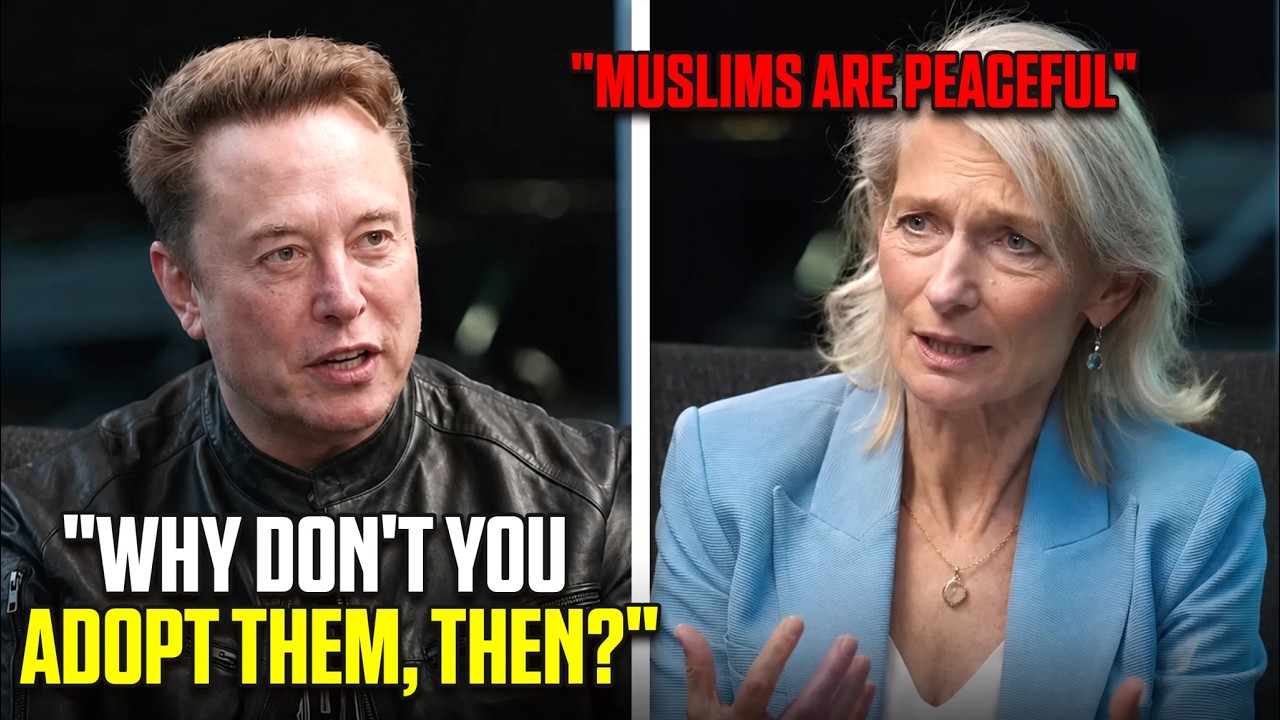
The issue of political influence became another central disagreement. The interviewer questioned why Musk, an American-based businessman, should have such a significant role in European political debates when he does not live permanently in Europe. Musk responded that he viewed the issue from the perspective of the wider Western world rather than from the standpoint of one particular country. He suggested that developments in Europe could have implications for Western societies more broadly.
The interviewer also criticized Musk for promoting material that he said glorified vigilante violence and portrayed Europe as a dystopian society. Musk defended his decision to share the film, arguing that people should watch it and make their own judgments. He also accused traditional media organizations of contributing to censorship and failing to reflect public concerns accurately.
Another important section of the interview focused on freedom of speech. Musk argued that restrictions on speech in Britain and elsewhere in Europe were becoming increasingly problematic. The interviewer acknowledged that there were legitimate concerns surrounding restrictions on expression, but argued that Musk’s political interventions could nevertheless contribute to polarization and strengthen groups described as authoritarian or extremist.
Musk rejected that criticism, insisting that his objective was straightforward: Europe should have secure borders and should avoid admitting very large numbers of people who cannot or will not integrate into the societies where they settle. He described the principle as “common sense” and said that the debate should not automatically be reduced to accusations of racism or extremism.
The interviewer ultimately agreed that secure borders were a legitimate political objective, although he maintained that Musk had exaggerated the scale of Europe’s problems. He argued that Britain and other European countries had experienced difficulties but were not the kind of “hellhole” Musk’s social media activity could sometimes make them appear to be.
Musk countered that the problem was precisely that political leaders and media organizations were failing to recognize the scale of the challenges developing in Europe. He argued that the issue was not whether the United States was perfect, but whether European countries were facing a serious and potentially growing problem that required action.
The final part of the discussion focused on why migration pressures continue despite political efforts to control them. Musk argued that Europe’s welfare systems create a powerful economic incentive for people from poorer parts of the world to migrate. If living standards and benefits available in Europe are substantially higher than those available in migrants’ countries of origin, he said, the incentive to move will remain strong.
The interview therefore exposed a broader disagreement over how Europe should understand immigration, integration, crime and political polarization. The interviewer emphasized the danger of exaggerating social problems and empowering divisive political movements, while Musk argued that concerns over borders, public safety and cultural integration should be treated as legitimate issues rather than dismissed through political labels.
At the center of the disagreement was a question that extends beyond Musk himself: whether demands for secure borders, safer cities and more disciplined government spending represent mainstream political concerns or evidence of a broader shift toward the political right.
Musk clearly believes the former.
The interviewer remains far more skeptical, warning that Musk’s enormous online influence can shape political debates in ways that may deepen Europe’s divisions.