**WHY IS POLAND REFUSING TO FOLLOW EUROPE’S MIGRATION PATH? Poland’s tough stance on migration is putting it at the centre of a growing European debate over **borders, national identity and the future of the EU.** While some see Poland’s approach as defending national sovereignty, others fear it could deepen divisions across Europe. **Is Poland standing up for its people — or moving further away from the rest of Europe?**
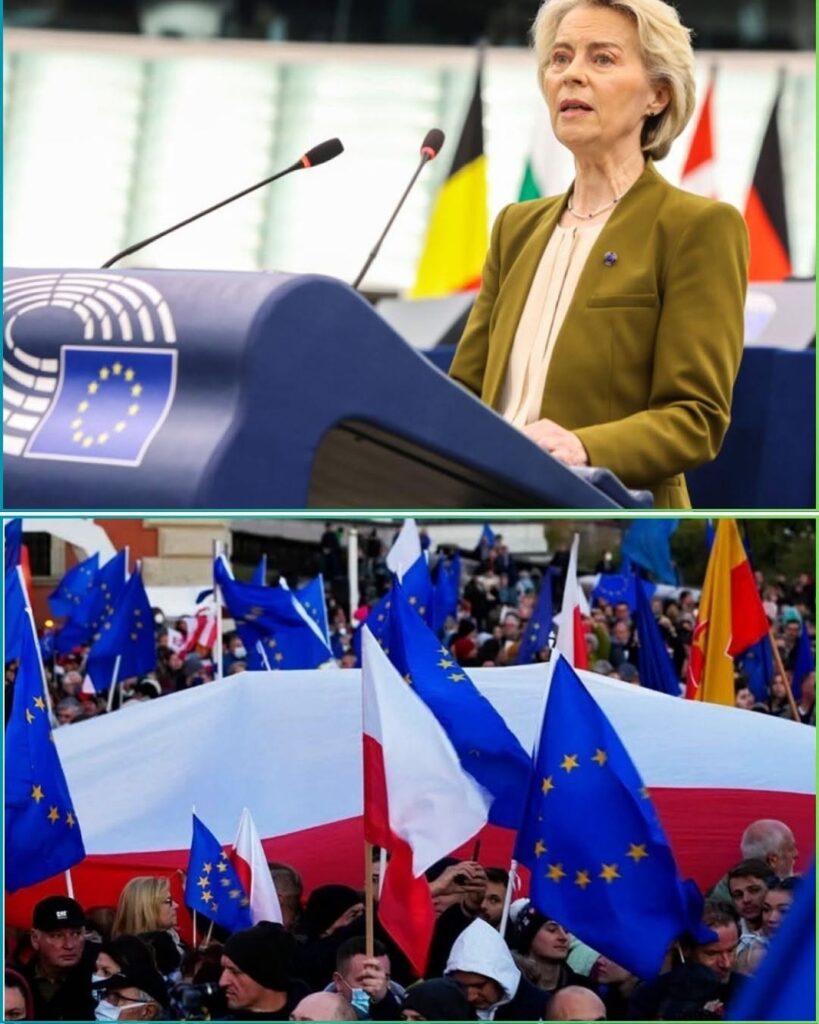
WHY IS POLAND REFUSING TO FOLLOW THE REST OF EUROPE?
A Different Path That Has Placed Poland at the Center of Europe’s Migration Debate
For much of the past decade, migration has remained one of the defining political issues shaping Europe. Governments across the continent have faced difficult questions about border security, asylum systems, labor shortages, humanitarian responsibilities, and social integration. While many European countries have adjusted their policies in response to changing migration patterns, Poland has continued to pursue an approach that many observers describe as significantly different from that of several Western European nations. Supporters argue that Poland’s strategy has helped preserve public confidence, maintain relatively low crime levels, strengthen border security, and protect national sovereignty. Critics counter that the picture is far more complicated, pointing to humanitarian concerns, legal obligations under European Union law, demographic challenges, and the need for broader international cooperation. As debates over migration continue to intensify across Europe, Poland has become one of the most closely watched examples of an alternative policy model. Whether viewed as a success or a source of controversy, the country’s approach has become central to wider discussions about the future of Europe itself.
The Migration Crisis Changed European Politics in Lasting Ways
The roots of today’s debate can be traced back to the migration pressures that emerged during the middle of the last decade, when conflicts in the Middle East, instability in parts of Africa, and other international crises contributed to a sharp increase in the number of people seeking asylum in Europe. European governments responded in different ways. Some accepted significant numbers of asylum seekers under various humanitarian arrangements, while others called for stricter external border controls and greater national discretion over immigration policy. These differing responses exposed divisions that continue to influence European politics today. Migration gradually evolved from being primarily a humanitarian issue into a broader discussion involving security, economics, national identity, labor markets, housing, healthcare, education, and public confidence in government institutions. Poland’s position developed within this wider European context rather than in isolation.
Poland’s Leaders Have Consistently Emphasized National Sovereignty
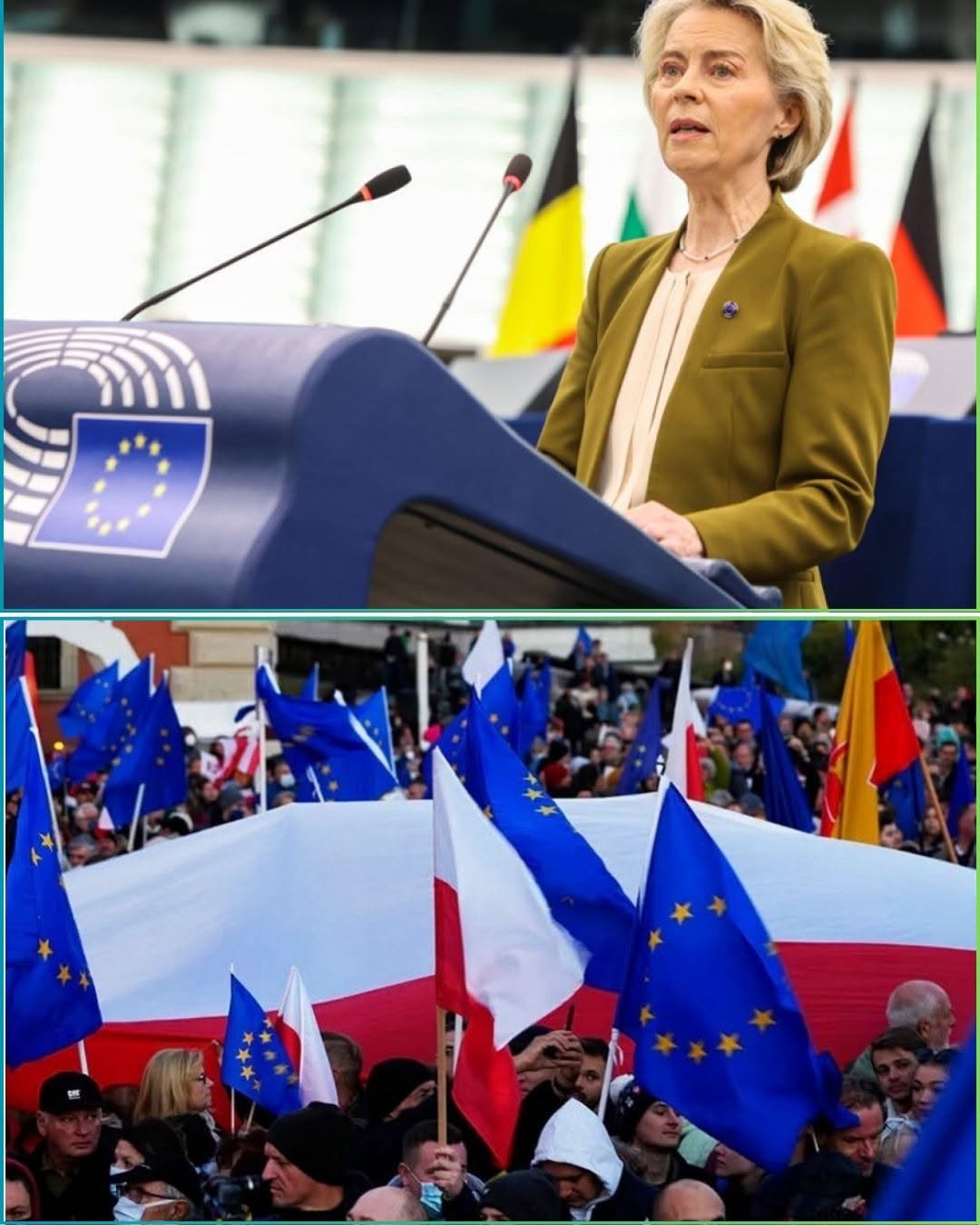
Successive Polish governments have frequently argued that decisions regarding migration should remain primarily under national control rather than being determined through compulsory redistribution mechanisms at the European level. Officials have repeatedly stated that every country faces different historical, demographic, economic, and security circumstances, making a uniform migration policy difficult to apply across all member states. Supporters of this position argue that governments are accountable first to their own citizens and therefore must retain authority over who enters the country and under what conditions. They contend that maintaining sovereign control over immigration policy is essential for preserving democratic accountability, effective border management, and long-term social stability. Critics, however, argue that migration is a shared European challenge requiring collective solutions and greater solidarity among EU member states.
Border Security Has Become a Defining Feature of the Polish Approach
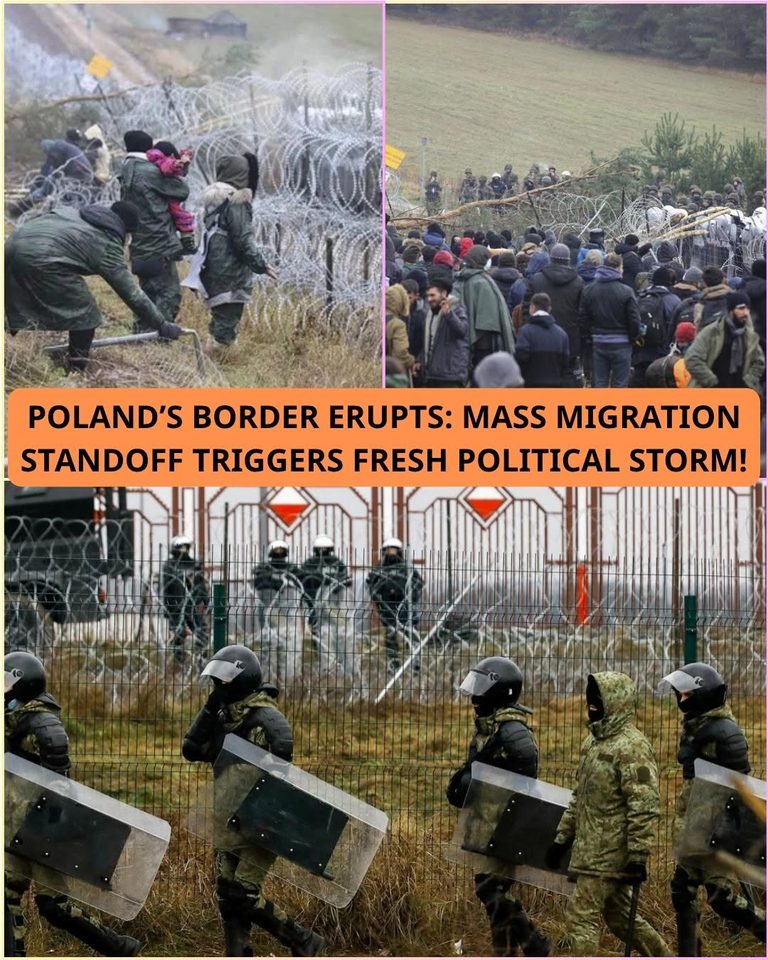
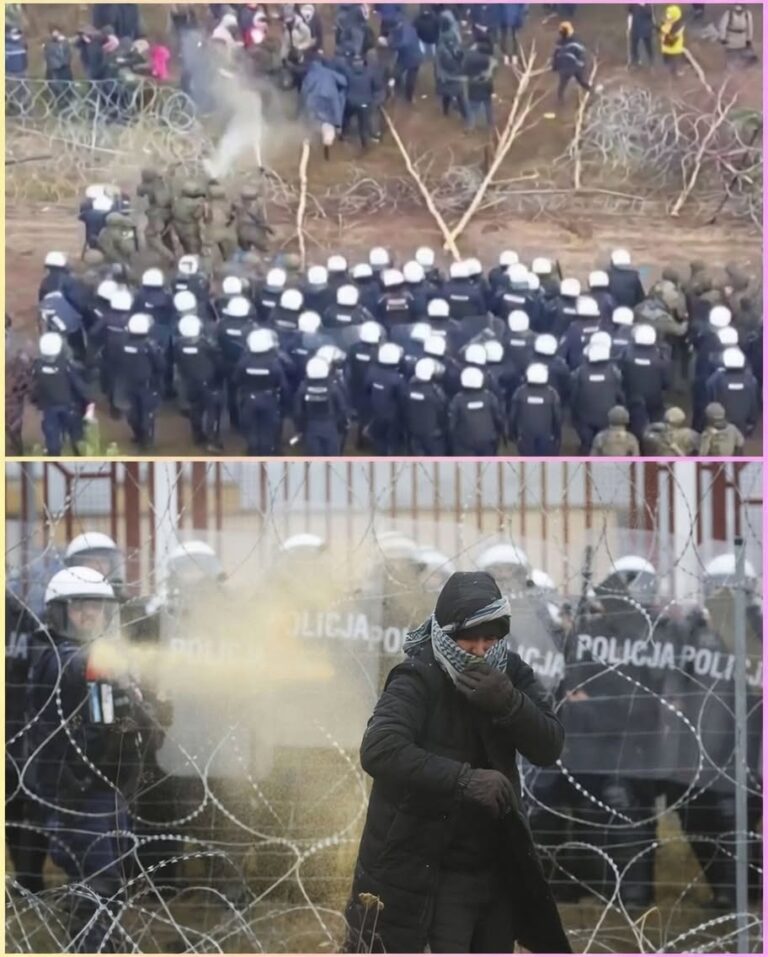
One of the most visible aspects of Poland’s migration policy has been its emphasis on strengthening border security. Significant investment has been directed toward protecting the country’s external frontier, particularly along sections of the European Union’s eastern border. Authorities have argued that controlling irregular crossings helps discourage human trafficking networks, protects national security, and maintains confidence in legal immigration systems. Government officials frequently distinguish between legal migration, which they say remains important for economic development, and irregular migration, which they argue must be effectively prevented. Images of reinforced border infrastructure and increased security operations have frequently appeared in international media, contributing to Poland’s reputation for maintaining one of Europe’s firmer approaches to border management.
Supporters of Poland’s migration policies often cite relatively low recorded crime rates as evidence that their approach has contributed to maintaining public safety. They argue that strict border controls reduce opportunities for organized criminal networks involved in human smuggling while allowing authorities to manage migration more effectively. However, criminologists generally caution that crime trends are influenced by numerous factors, including demographics, economic conditions, policing practices, reporting behavior, social policy, and local circumstances. Establishing direct causal relationships between migration policies and crime statistics is therefore considerably more complex than simple comparisons may suggest. Nevertheless, public perceptions of safety remain an important component of political debate, and many voters continue to regard security as a primary consideration when evaluating immigration policy.
Economic Growth Has Also Entered the Discussion
Another argument frequently presented by supporters concerns Poland’s economic performance over recent years. The country has experienced sustained economic development, rising investment, expanding exports, and comparatively resilient growth during periods when several European economies faced significant challenges. Government representatives and some commentators argue that maintaining control over immigration has not prevented economic progress and that Poland has successfully balanced labor market needs with national migration priorities. Economists, however, note that Poland’s economic success reflects numerous factors, including industrial development, European Union funding, infrastructure investment, education, entrepreneurship, domestic consumption, and integration within European supply chains. While migration policy forms part of the broader policy environment, most analysts agree that economic outcomes cannot be explained by a single factor alone.
Social Cohesion Is Frequently Cited by Government Supporters
The concept of social cohesion occupies a central place within Poland’s public discussion about migration. Supporters of existing policies argue that gradual demographic change allows communities to integrate newcomers more effectively while preserving social stability and public confidence. They contend that governments should carefully consider integration capacity alongside migration decisions, emphasizing language acquisition, employment opportunities, cultural adaptation, and respect for domestic laws. Critics respond that social cohesion should not be viewed as incompatible with greater openness, pointing to numerous examples across Europe where migrants have successfully contributed to local communities, businesses, education, and public services. The debate therefore extends beyond numerical migration targets into broader questions regarding how societies integrate newcomers over the long term.
Critics Argue That the Debate Is More Complex Than Political Slogans Suggest
Opponents of Poland’s approach argue that migration policy should not be reduced to simple comparisons between countries or broad political narratives. Human rights organizations, legal experts, and some European officials have raised concerns regarding asylum procedures, access to international protection, and compliance with certain legal obligations. They argue that individuals seeking refuge should have their claims assessed fairly under established legal frameworks. Critics also caution against portraying migration primarily through the lens of security, emphasizing that many asylum seekers are fleeing conflict, persecution, or humanitarian crises rather than seeking economic opportunity alone. According to this perspective, effective migration policy requires balancing border management with humanitarian commitments and international law.