POLAND’S BORDER POLICY REMAINS AT THE CENTER OF EUROPE’S MIGRATION DEBATE
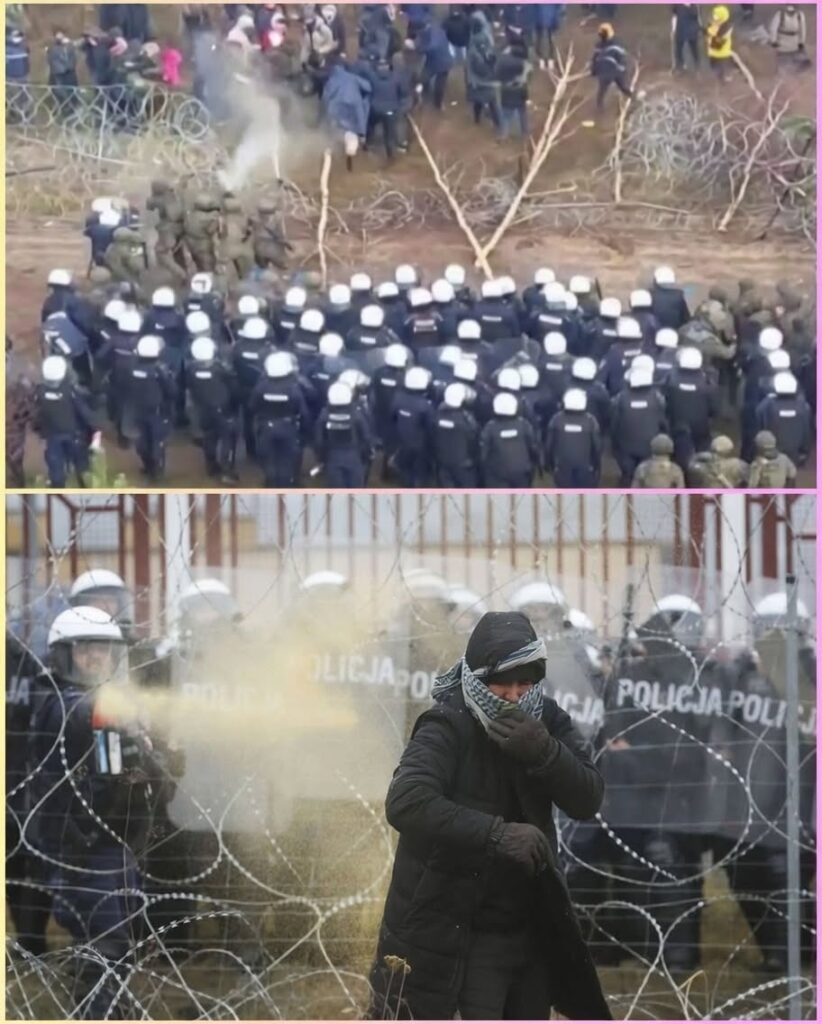
Poland’s approach to border security has once again become the focus of discussion across Europe as new developments at the country’s frontier renew debate over immigration policy, national sovereignty, and humanitarian responsibilities. The issue continues to divide political leaders, policy experts, and the public.
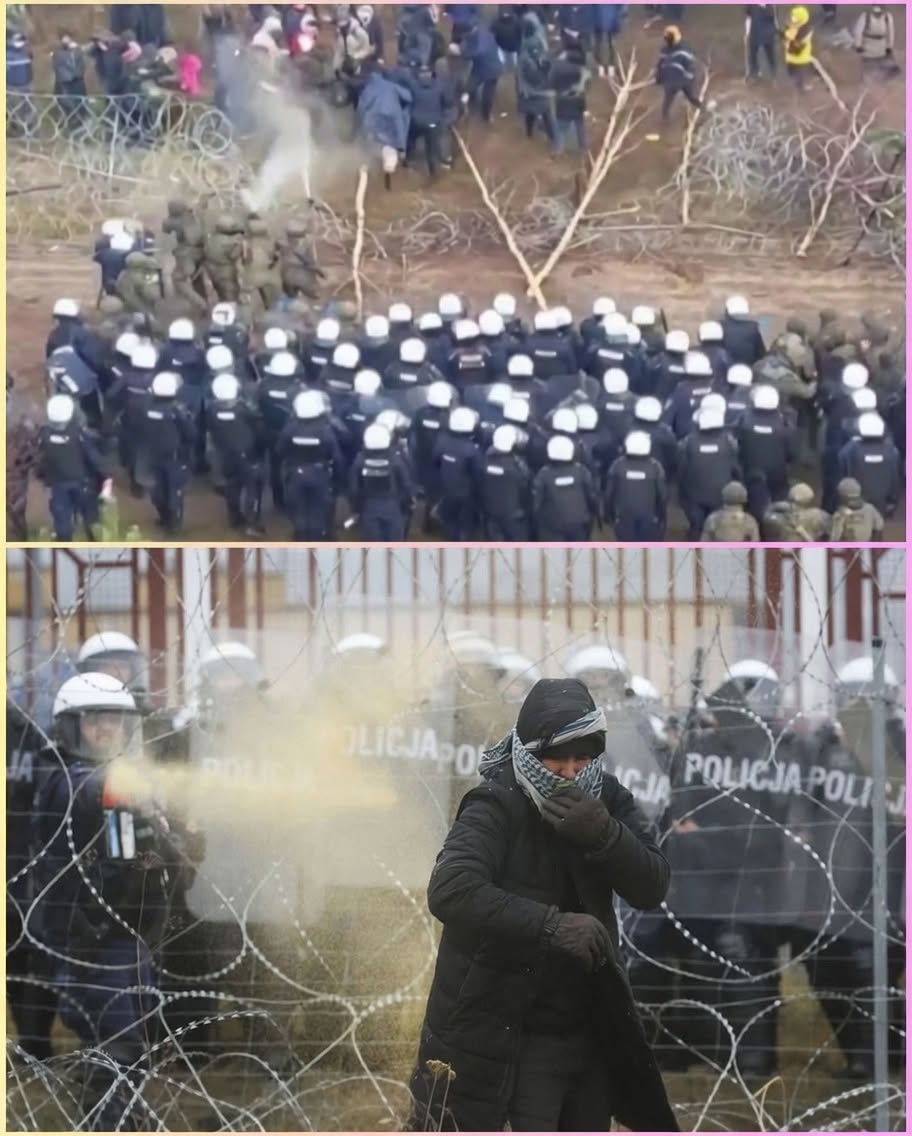
Recent reports from Poland’s eastern border have prompted fresh attention to the government’s strategy for managing irregular migration. While officials maintain that protecting the country’s borders remains a national priority, the developments have also generated renewed discussion within the European Union.
The Polish government has consistently argued that effective border protection is essential for maintaining national security and preserving the integrity of legal immigration systems. Officials say that controlling unauthorized crossings is both a sovereign responsibility and an obligation under European border management rules.
Supporters of Poland’s approach believe firm border enforcement helps discourage illegal crossings and disrupts the criminal networks that organize human smuggling. They argue that every country has the right to determine who may enter its territory through lawful immigration procedures.
Many supporters also contend that strong border controls help maintain public confidence in immigration systems. In their view, effective enforcement distinguishes legal migration from unauthorized entry and reinforces respect for the rule of law. Critics, however, argue that migration policy should always be balanced with humanitarian obligations. Human rights organizations have repeatedly emphasized that individuals seeking international protection should have access to fair asylum procedures consistent with domestic and international law.
Several humanitarian groups have called for continued safeguards to ensure that vulnerable people including families and individuals fleeing conflict or persecution are treated according to established legal standards while their cases are assessed.
The debate extends far beyond Poland itself. Across Europe, governments continue to disagree over how responsibility for migration should be shared among member states and how external borders should be managed during periods of increased migration pressure.
Some European governments support stronger external border enforcement, arguing that it is necessary to protect the Schengen Area and reduce irregular migration. Others place greater emphasis on coordinated asylum systems, humanitarian protection, and long-term international cooperation.
Political analysts note that migration has remained one of the European Union’s most divisive policy issues for more than a decade. Questions surrounding border security, asylum processing, labor migration, and integration continue to influence elections and public debate across the continent.
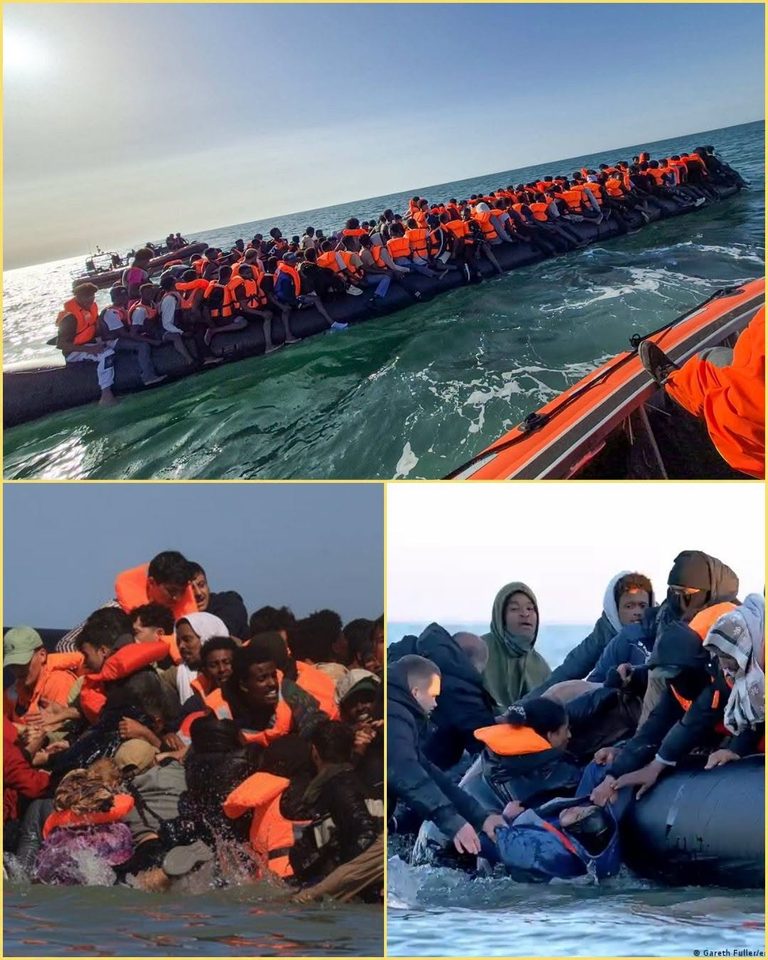
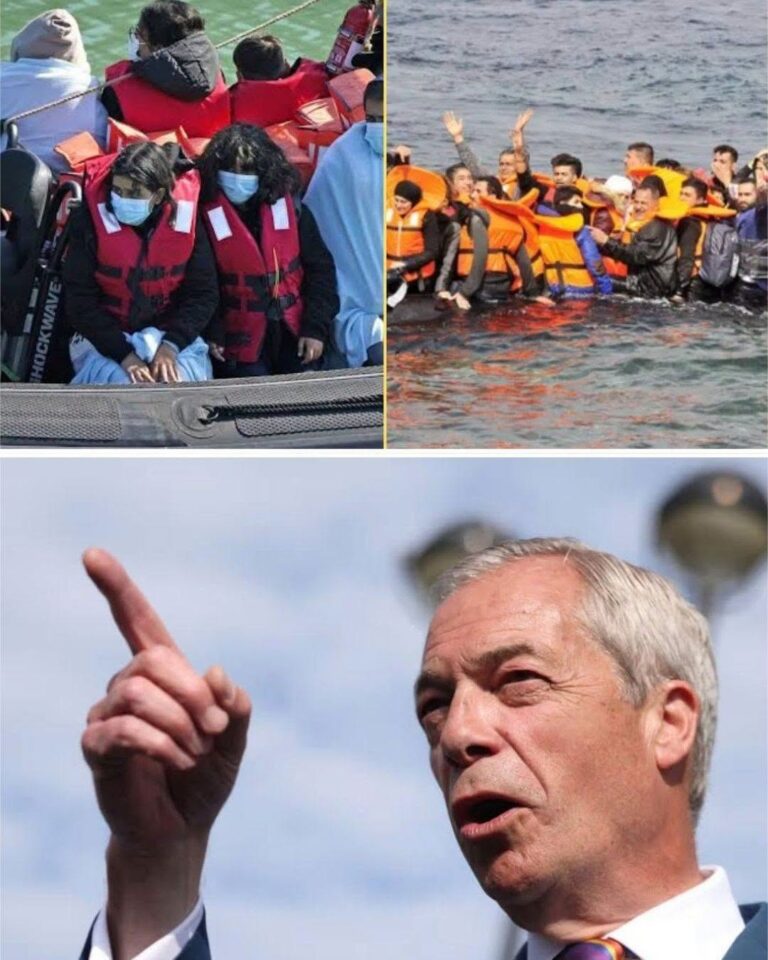
Social media has further intensified discussion of the issue. Images, videos, and eyewitness accounts from border regions frequently circulate online, although experts caution that individual clips may not always provide complete context or reflect the full circumstances surrounding specific incidents.
Security specialists emphasize that modern border management involves multiple objectives, including protecting national security, preventing human trafficking, combating organized crime, facilitating lawful travel, and ensuring compliance with international legal obligations toward asylum seekers.
Legal experts also point out that migration policy operates within a complex framework of national legislation, European Union law, and international treaties. As a result, governments must balance domestic policy priorities with their broader legal commitments.
Observers believe the latest developments are likely to keep migration near the top of Europe’s political agenda. As economic pressures, geopolitical instability, and international conflicts continue to influence migration patterns, governments are expected to face ongoing challenges in developing effective and widely supported policies.
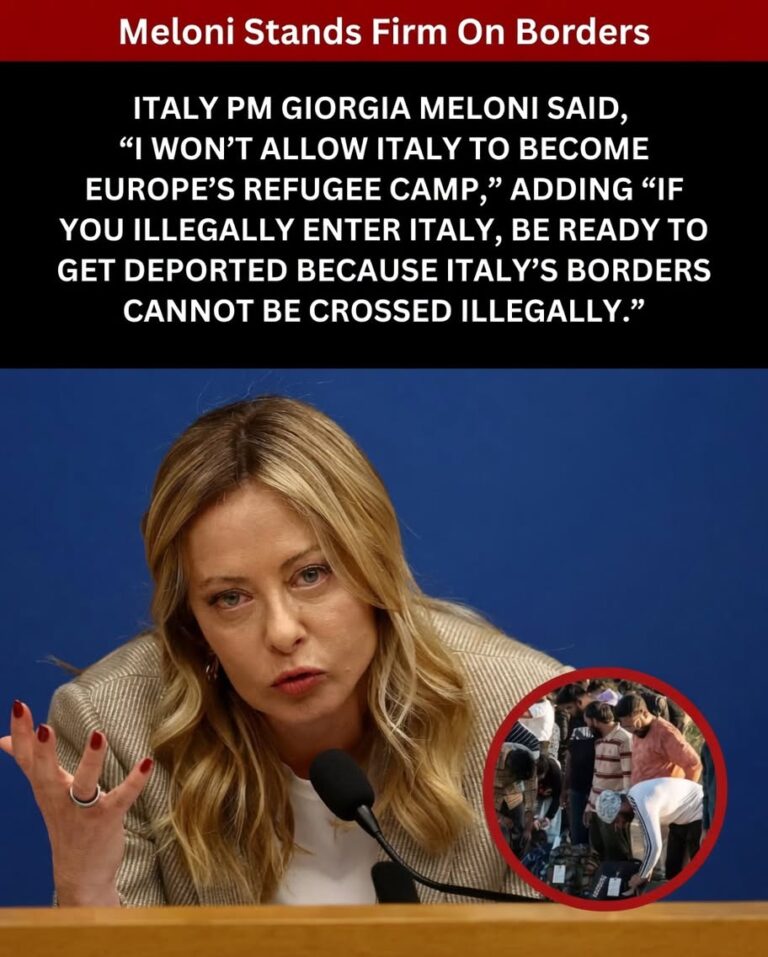
Whether praised as a necessary response to irregular migration or criticized as an overly restrictive approach, Giorgia Meloni’s position continues to shape political discussion both inside Italy and throughout Europe. As migration remains one of the continent’s most significant policy challenges, debates over border security, legal migration, humanitarian obligations, and the rule of law are expected to remain central to European politics for the foreseeable future.