Something about Keir Starmer’s latest appearance has struck a nerve across Britain
The Fragility of Leadership: Keir Starmer Faces Unprecedented Electoral Contraction
The landscape of British politics has undergone a dramatic and destabilizing shift following local election results that many analysts are calling an existential threat to the current Labour administration. Prime Minister Keir Starmer now finds himself under intense scrutiny after a series of electoral defeats that have fundamentally challenged his mandate.
The atmospheric tension in Westminster reached a fever pitch as early data indicated a significant collapse in support for Labour’s traditional strongholds. This electoral contraction is being viewed not merely as a temporary setback, but as a potential end to the perceived stability of Starmer’s leadership.
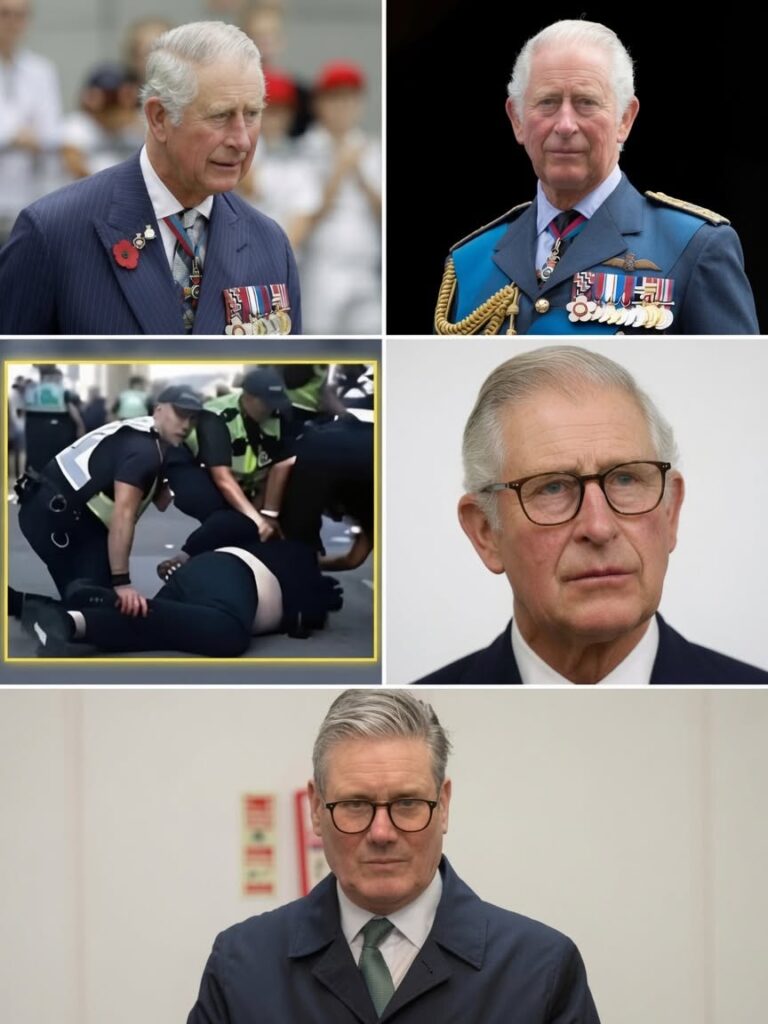
The Prime Minister’s recent public appearances have been marked by a somber tone as he attempts to address the mounting losses. He has faced a barrage of questions regarding his future, with many critics suggesting that his position has become increasingly untenable in the current climate.

Statistical data emerging from the local councils presents a stark reality for the sitting government. In several key areas, the Labour Party reportedly retained only 17% of the seats it was defending, representing a staggering loss of approximately 83% of its local representatives.
This collapse in local representation has triggered a wave of concern among Labour MPs, many of whom are now openly questioning the party’s strategic direction. The loss of “brilliant representatives” who were deeply embedded in their communities has left a vacuum in local governance.
In contrast to Labour’s struggles, the Reform UK party has seen a meteoric rise, securing over 170 council seats in a short period. This surge suggests that a significant portion of the electorate is seeking alternatives outside the traditional two-party system.
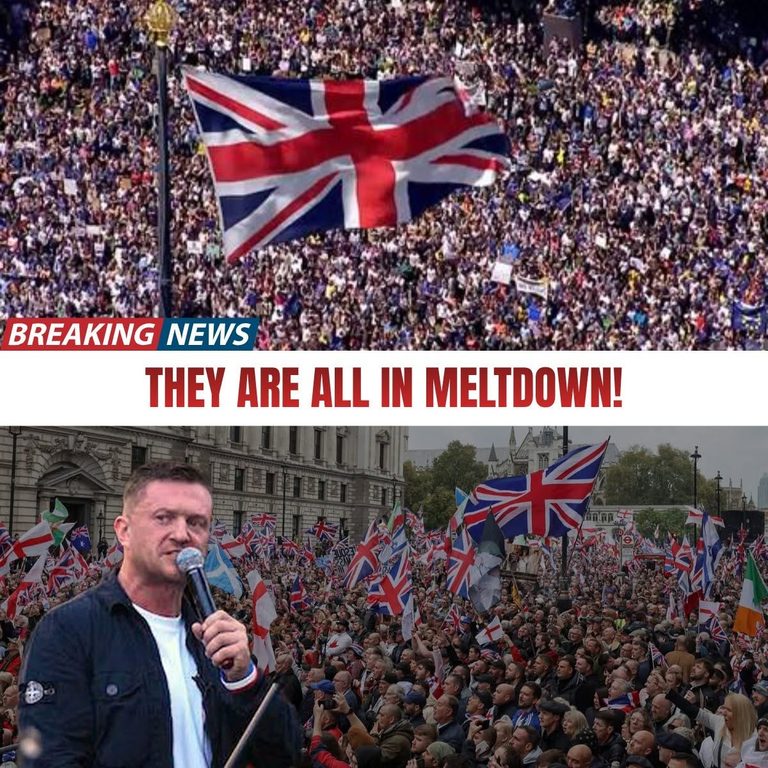
Nigel Farage, leader of Reform UK, has characterized these results as a “truly historic change” in British politics. He argues that the old divisions of left and right are being replaced by a new alignment focused on national identity and border control.
During a series of televised interviews, Keir Starmer repeatedly insisted that he would “not walk away” from his responsibilities. He argued that resigning would “plunge the country into chaos,” a phrase he used multiple times to justify his continued leadership.
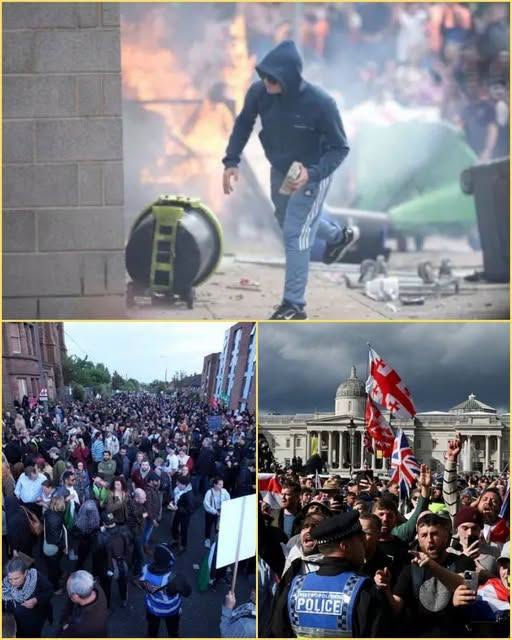
However, many observers have pointed out that the public’s perception of “chaos” may differ from the Prime Minister’s. Critics argue that the current state of illegal immigration and economic stagnation already constitutes a form of national disorder.
The Prime Minister acknowledged that his government has made “unnecessary mistakes” and failed to provide enough “hope” to the public. He admitted that while they were honest about national challenges, they did not convince voters that lives would improve.
Voter dissatisfaction appears to be rooted in a feeling that the “pace of change” is too slow. Many citizens feel that the promises made during the general election have not translated into tangible improvements in their daily lives or financial security.
The issue of illegal immigration has emerged as a primary driver of the electorate’s frustration. Critics argue that the government’s perceived inaction on border security has alienated a significant portion of the working-class voters who once supported Labour.
Furthermore, the government’s decision to provide financial aid to international partners while domestic public services struggle has been a point of contention. This has led to accusations that the administration is out of touch with the needs of the British public.
Within the Labour Party, the atmosphere is reportedly one of “panic” as officials scramble to contain the political fallout. While figures like Ed Miliband have publicly supported the Prime Minister, rumors of internal challenges to his leadership continue to circulate.
The Prime Minister’s resolve to “strengthen his resolve” rather than step down has been met with skepticism. To many, this stance appears to be a refusal to acknowledge the depth of the public’s desire for a leadership change.

The rise of Reform UK in traditional Labour areas suggests a permanent realignment of the British political map. Voters in these regions appear to be rejecting the “status quo” in favor of more radical, reform-minded policies on trade and migration.
Public sentiment on social media has been overwhelmingly critical, with clips of Starmer’s interviews going viral. The “83% loss” statistic has become a rallying cry for those calling for an immediate general election or a change in Prime Minister.
The Prime Minister’s mention of avoiding a “war in Iran” and stabilizing public finances was intended to project competence. However, these high-level policy claims seem to have little resonance with a public struggling with the cost-of-living crisis.
Critics have labeled Starmer the “worst Prime Minister in living history,” highlighting the disconnect between his self-perception and public approval. This gap in perception is creating a dangerous instability within the UK’s governing structures.
The narrative of “inheriting a difficult situation” from the previous government is also losing its effectiveness. Voters are increasingly holding the current administration accountable for its own performance over the last several months of governance.
Nigel Farage has predicted that the pattern of Reform UK victories will continue across the South, particularly in Essex and Norfolk. If these predictions hold true, the Conservative Party may face a similar annihilation in its heartlands.
The idea that politics is no longer about “left and right” is gaining traction. Many voters now view the struggle as one between a disconnected metropolitan elite and a frustrated, ignored provincial population.
Keir Starmer’s refusal to “sugarcoat” the results was a rare moment of candor. Yet, his subsequent refusal to contemplate resignation suggests a leader who is hunkering down rather than genuinely reflecting on the message sent by voters.
The “captive audience” the Prime Minister addressed in the wake of the polls remained largely unconvinced by his rhetoric. The usual “Labour tropes” regarding public service investment were seen by many as empty promises in light of the results.
The role of minor parties and independent candidates in these elections cannot be overlooked. Their success indicates that the British public is more willing than ever to “vote with their feet” and abandon traditional loyalties.
As the government prepares to set out new steps for “delivering change,” the pressure is mounting. Any failure to provide immediate and visible results will likely accelerate the decline of the Labour Party’s influence.
The “busted flush” narrative surrounding Starmer’s leadership is becoming difficult to counteract. Once a leader loses the aura of inevitability and competence, it is notoriously difficult to regain the trust of a skeptical electorate.
The comparison to the “note in the drawer” left by previous administrations highlights the cyclical nature of British political blame. However, the public seems tired of historical excuses and is demanding current, effective solutions to modern problems.
The significance of these local elections extends beyond council seats. They serve as a powerful barometer of national mood, indicating that the Prime Minister is presiding over a deeply divided and increasingly restless country.
Whether Keir Starmer can navigate this crisis remains a subject of intense debate. The issues of immigration, economic hope, and party unity remain unresolved, leaving the Prime Minister’s future—and that of his party—hanging in the balance.