
British politics may have just crossed a line that Westminster never expected
The Westminster Realignment: Reform UK’s Surge and the Existential Crisis of the Labour Party
The landscape of British politics has undergone a tectonic shift following local election results that many analysts are calling an unprecedented rejection of the established order. Prime Minister Keir Starmer and the Labour Party are facing a period of intense introspection after a series of electoral defeats that have fundamentally challenged their mandate. The emergence of Reform UK as a dominant force has transformed what was once a two-party system into a fragmented and unpredictable political arena.
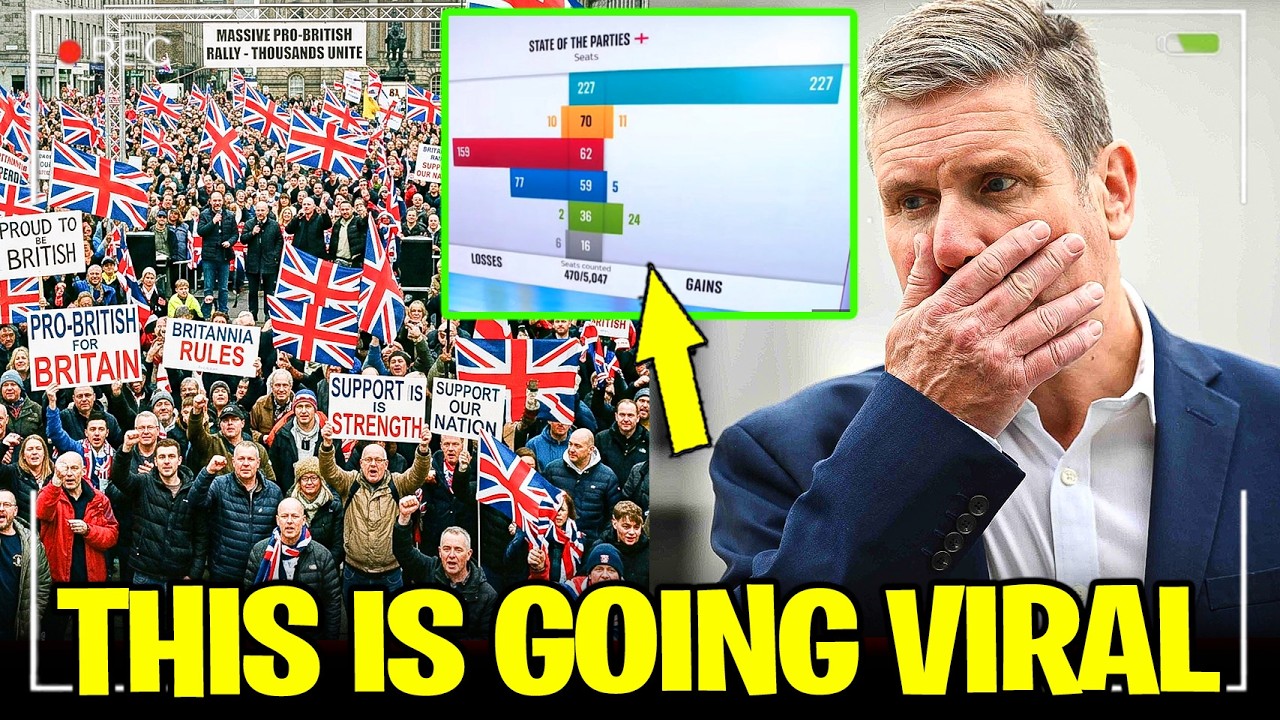
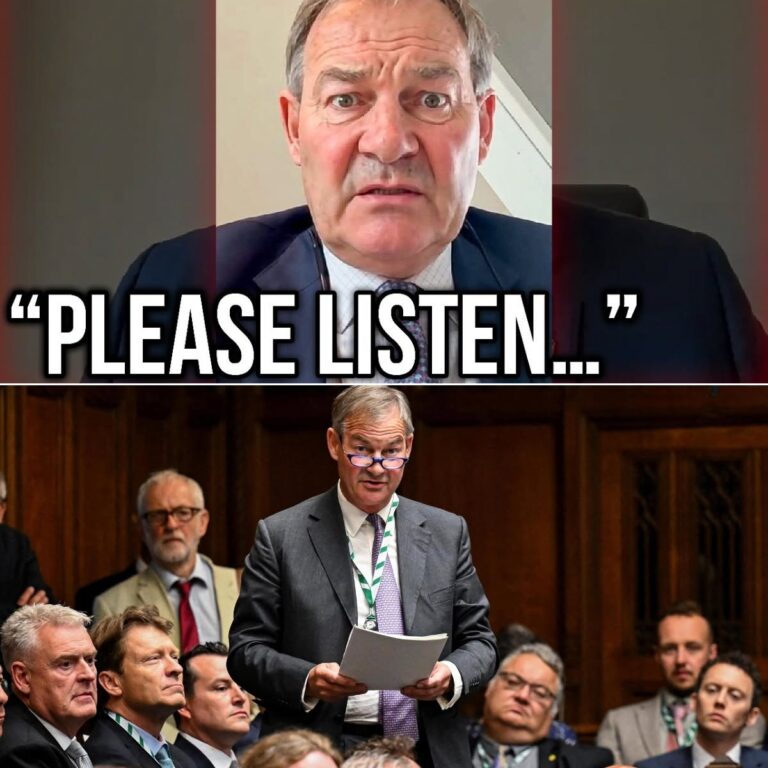
The scale of the shift was most visible during a series of televised appearances where Starmer appeared to grapple with the reality of the mounting losses. The Prime Minister, known for his composed demeanor, faced significant scrutiny as early data indicated that Labour was hemorrhaging support in its traditional heartlands. This electoral contraction is being viewed not merely as a temporary setback, but as a potential end to the “business as usual” approach in Westminster.
The statistical data emerging from the local councils is, by historical standards, quite staggering for the sitting government. In several key areas, the Labour Party reportedly retained only 17% of the seats it was defending, representing a loss of approximately 83%. This collapse in support has triggered a wave of concern among Labour MPs, many of whom are now questioning the party’s ability to reconnect with the working-class voters who once formed its bedrock.
In contrast, the Reform UK party, led by Nigel Farage, has seen a meteoric rise that has defied early polling predictions. The party surged from a marginal presence to securing over 700 council seats, a gain of hundreds in a single election cycle. Farage has characterized this as a “truly historic shift,” claiming that his party is now winning one in three contested seats across diverse regions of the country.
The “Red Wall” areas, which Labour had hoped to solidify, have proven particularly volatile, with voters shifting toward Reform UK in significant numbers. This trend suggests that the cultural and economic concerns of these voters are not being addressed by Starmer’s current policy framework. The perception that the major parties are “feathering their own nests” while ordinary citizens struggle has become a recurring theme in voter interviews.
Public frustration has centered heavily on the issues of cost of living and the government’s management of national borders. Many voters expressed a sense of betrayal, stating that while they were promised increased prosperity, their actual economic reality has become increasingly precarious. This economic anxiety has been compounded by a feeling that the government is no longer “listening” to the priorities of the British people.
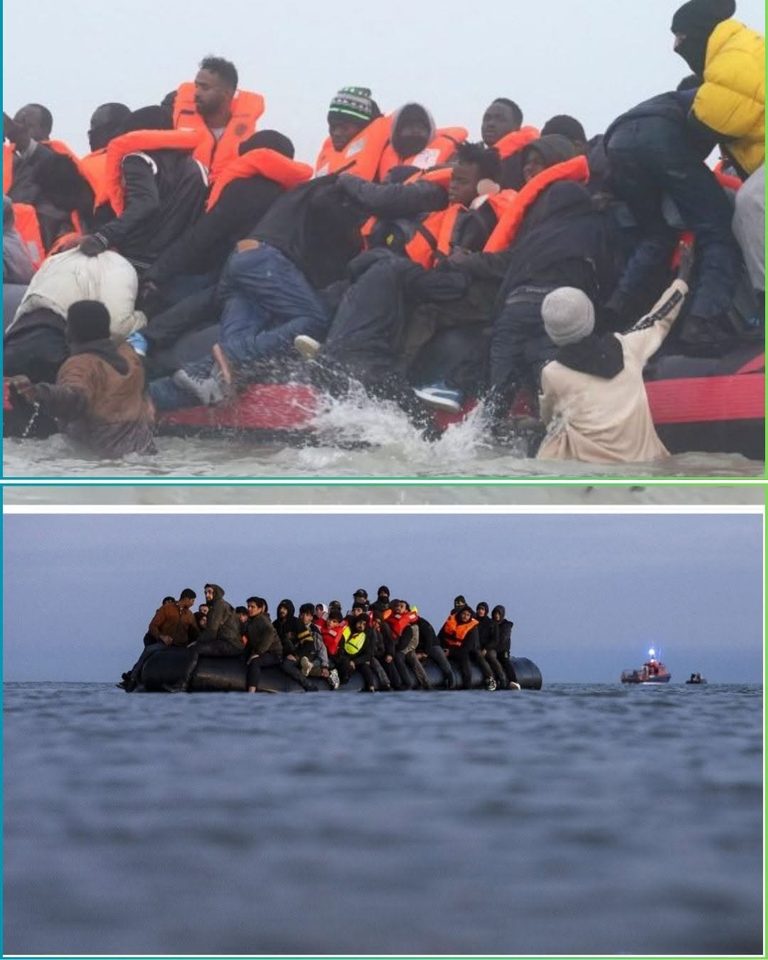
The discourse surrounding immigration has become a primary driver of the Reform UK surge, with voters frequently citing “out-of-control” migration as a reason for their defection. Interviews with former Labour supporters revealed a deep-seated belief that the government has lost its grip on the situation. These voters argue that while they are not “racist,” they feel that the influx of people is straining public services and diluting national identity.
Keir Starmer’s response to these developments has been one of somber acknowledgement, as he admitted the party failed to offer enough “hope” to the public. During a public address, he stated that while the government was right to be honest about the depth of national challenges, it did not do enough to convince the electorate that tangible improvements were on the horizon. This admission of failure is a rare moment of public vulnerability for the Prime Minister.
The Prime Minister’s resolve to “reflect and respond” is now being put to the test as he attempts to stabilize his leadership. He has promised to set out new steps in the coming days to address housing, safety, and the cost-of-living crisis. However, critics argue that these promises may be “too little, too late” for a public that has already begun to look toward alternative political movements.
Nigel Farage has leveraged this momentum to declare the “death” of the traditional left-right political divide. He argues that the new alignment is between a “globalist establishment” represented by Labour and the Conservatives, and a “nationalist reform” movement represented by his party. This narrative has resonated deeply with voters who feel marginalized by the rapid social and economic changes of the last decade.
The success of Reform UK in London, particularly the win in the borough of Havering, indicates that the party’s appeal is not limited to the North of England. This breakthrough in the capital suggests that dissatisfaction with the current government is a nationwide phenomenon. Farage noted that this victory “goes against the trend” of London being a stronghold for the more progressive, metropolitan wings of the major parties.
The Conservative Party has not been spared in this electoral cull, also suffering significant losses in their traditional heartlands. This suggests that the electorate is rejecting “fake conservatism” just as much as “left-leaning policies.” The result is a political vacuum that Reform UK is aggressively filling, positioning itself as the only true alternative for voters who want a radical departure from the status quo.
Analysts are now drawing parallels between the UK’s current political climate and global trends of populism seen in other Western nations. The rejection of “diversity-focused” policies in favor of national interests is a theme that has been echoed in the United States and Canada. This suggests that Starmer’s challenges are part of a broader international shift that is reshaping the geopolitical landscape of the 2020s.
The role of media and social platforms in amplifying this discontent cannot be overstated, as clips of frustrated voters go viral across the internet. These digital echoes have created a feedback loop that reinforces the narrative of a “government in collapse.” For Starmer, managing this media environment has proven to be as difficult as managing the actual policy challenges facing the country.
The Prime Minister’s mention of “unnecessary mistakes” during his address has sparked intense debate within the Labour Party. Some argue that the party has moved too far to the left, while others believe it has not been radical enough in its pursuit of economic justice. This internal friction threatens to further destabilize the party just as it needs to project an image of unity and strength.

Voters in areas like Tameside have described the election as a “political reboot,” signaling a willingness to “roll the dice” on unproven parties. This suggests a breakdown in the traditional loyalty that once characterized British voting patterns. The willingness to experiment with Reform UK indicates a level of desperation and a desire for “change at any cost” among the electorate.
The “big calls” mentioned by Starmer, such as stabilizing public finances and avoiding international conflict, appear to have had little impact on voter sentiment. For many, these high-level policy successes do not translate into a better quality of life. The gap between Westminster’s “macro” view of the country and the “micro” reality of households is wider than ever.
Nigel Farage’s confidence continues to grow, as he predicts further victories in Essex and Norfolk. He claims that his party has “professionalized” at a rapid rate, moving from a disorganized protest group to a disciplined political machine. This professionalization is a key factor in why Reform UK has been able to translate public anger into actual council seats and electoral power.
The impact of this realignment on the future of the British two-party system is a subject of intense speculation. If Reform UK can maintain its momentum, it could fundamentally alter how general elections are contested in the UK. The prospect of a “three-party” or “multi-party” system could lead to more coalition governments and a shift in the way policy is negotiated.
For the Labour Party, the road to recovery is fraught with difficulty, as they must find a way to reclaim the narrative of “hope” and “change.” The Prime Minister’s upcoming steps will be scrutinized for their substance and their ability to resonate with a disillusioned public. Without a significant shift in strategy, the party risks being relegated to the sidelines of British politics.
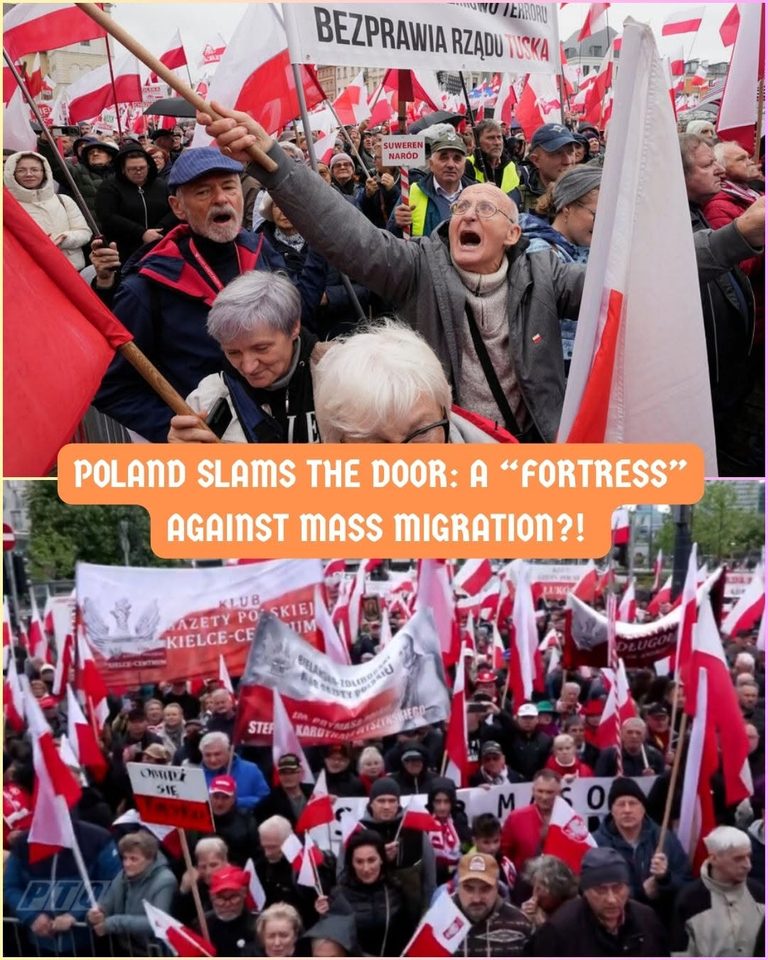
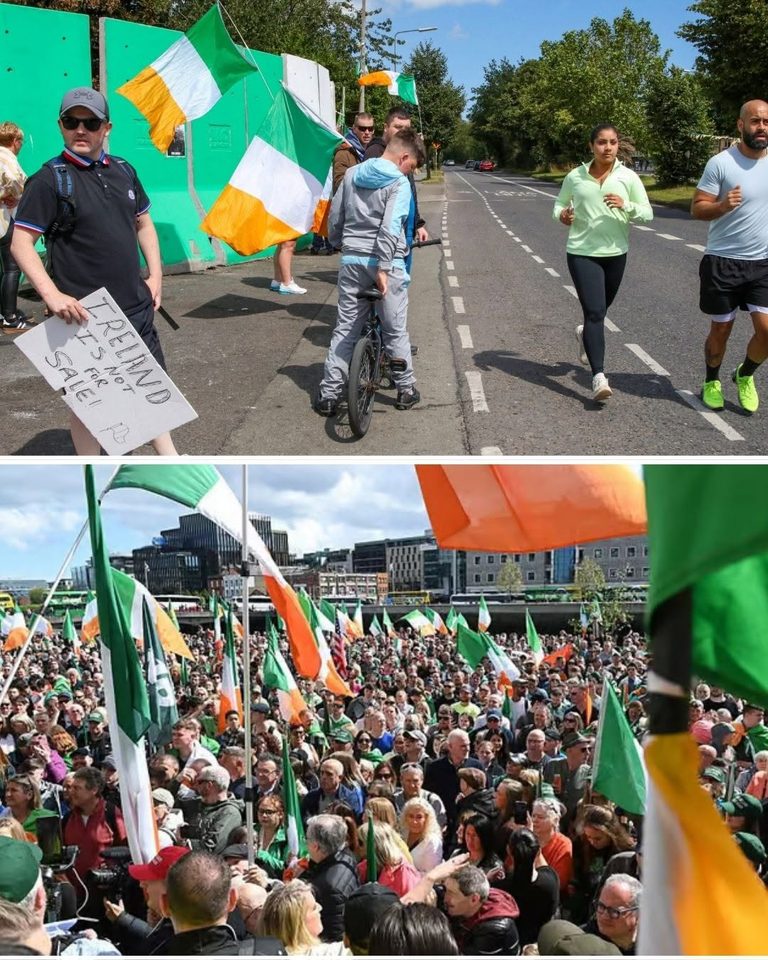
The role of external influencers and activists, such as Tommy Robinson, has also been highlighted as a factor in the growing “patriot” movement. While these figures remain controversial, their ability to mobilize large numbers of people for protests has contributed to the sense of a nation in turmoil. This grassroots energy is being channeled into the electoral success of parties like Reform UK.
The current geopolitical tensions and economic shocks have created a “perfect storm” for the sitting government. Starmer acknowledged these challenges but noted that the public still wants to see the “promised change.” The inability of the government to deliver on these promises has created a “status quo” that many voters feel is letting them down on a daily basis.
As the final seats are declared, the “historic change” Farage spoke of is becoming a tangible reality on the map of the UK. The “smashing to matchwood” of Labour’s defenses in certain councils is a metaphor for the broader destruction of traditional political certainties. The country is entering an era of deep uncertainty where the old rules no longer apply.
The Prime Minister’s resolve to “strengthen his resolve” rather than being weakened by the results is a defiant stance, but one that may not reflect the reality of his political standing. Leadership is as much about perception as it is about policy, and the perception of a “collapsing” career is a difficult one to shake. The coming months will determine if Starmer can reinvent his leadership or if he will be overwhelmed by the tide.
The discussion regarding “Diversity, Equity, and Inclusion” (DEI) policies has also emerged as a point of contention, with some critics linking these policies to the government’s perceived failures. This cultural debate is becoming increasingly polarized, with parties like Reform UK framing DEI as an elitist distraction from the “real” problems facing the working class.
Japan’s approach to immigration was cited by some commentators as a model that the UK should have followed. This comparison highlights a desire among a segment of the British public for a more restrictive and culturally protective approach to national policy. This sentiment is a direct challenge to the multicultural vision that has been promoted by both Labour and the Conservatives for decades.
The “jubilant” mood at Reform UK’s headquarters stands in stark contrast to the “pessimism” found in local communities. This irony reflects the fact that while one group sees an opportunity for renewal, another sees the disintegration of the services and social fabrics they rely on. Navigating these two vastly different experiences will be the primary task of any future leader.
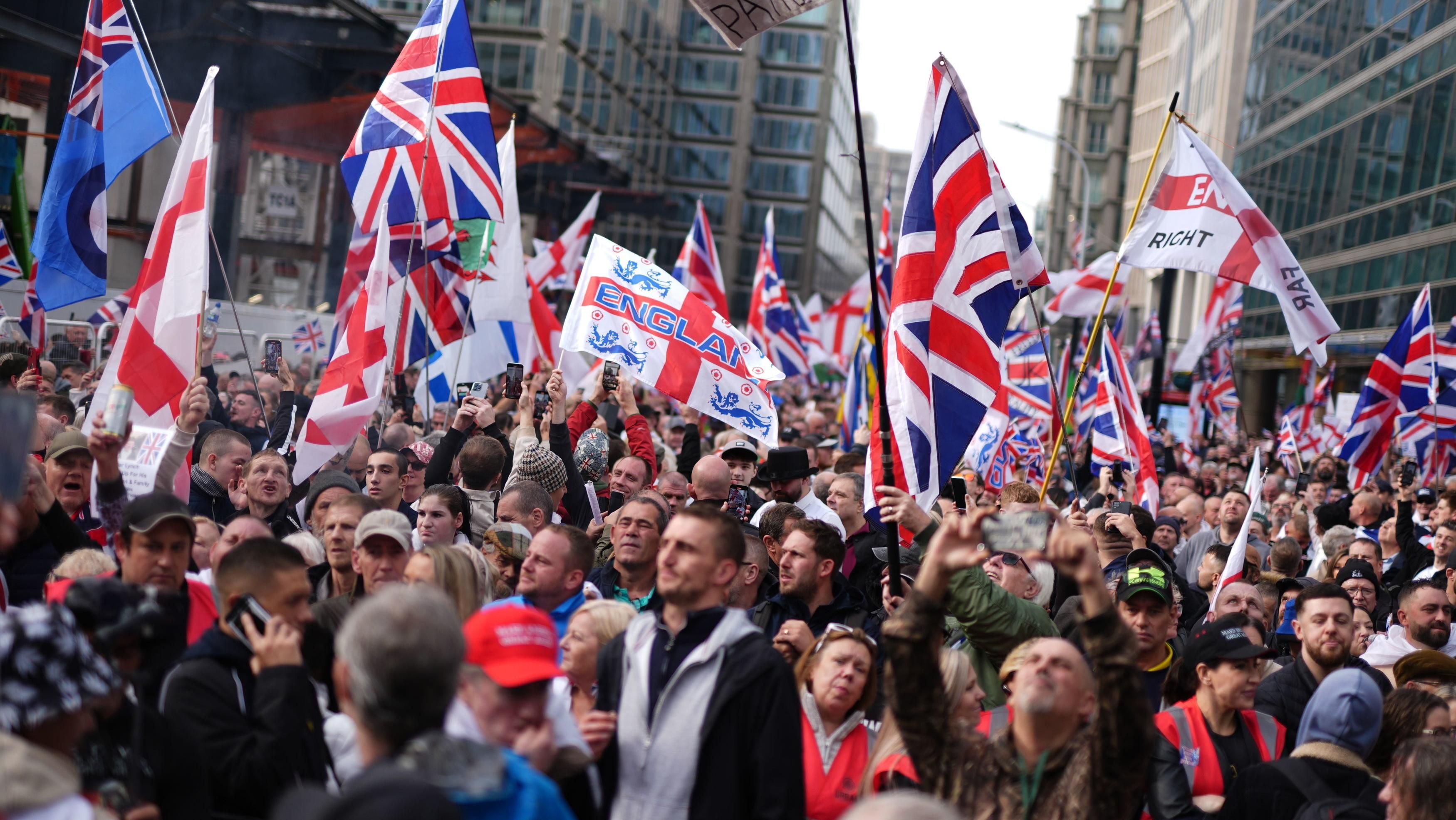
The ” reshaping of British politics” is not just about who holds the most seats, but about what ideas now hold power over the public imagination. The surge of Reform UK suggests that national identity, border control, and economic protectionism are the new priorities for a significant portion of the electorate. These are ideas that the traditional major parties have struggled to integrate into their platforms.
The transcript reveals that the issues are far from settled, with the results sparking as many questions as they have answered. The question of “what country is next” suggests that the events in the UK are being watched as a bellwether for the rest of the Western world. The stability of liberal democracies across the globe may be at stake as these political realignments continue to unfold.
In conclusion, the local election results of 2026 have delivered a profound blow to Keir Starmer’s leadership and the Labour Party’s traditional dominance. The rise of Reform UK represents a fundamental shift in the priorities of the British electorate, signaling a desire for radical change and a rejection of the Westminster status quo. Whether the established parties can adapt to this new reality or if they will be swept away by the tide of reform remains the defining question of British politics today.