Diplomatic tensions are escalating between the United States and the UK’s Labour government following a series of disagreements over international territorial agreements and domestic media regulation. The White House has publicly criticized recent UK policy proposals, warning of potential censorship and geopolitical vulnerability.
A primary point of contention centers on a recent UK government green paper titled “Watch this space: a new strategic direction for UK media.” The proposal outlines plans to compel social media companies and search engines to prioritize content from designated “trustworthy sources” in their algorithms. The government explicitly named public service broadcasters like the BBC, ITV, and Channel 4 as beneficiaries of this proposed prioritization.
The US administration strongly rebuked the proposal. In a statement published via the US Embassy in London, the White House challenged the mechanics of the plan, asking how the UK government intends to designate which media outlets qualify as “trustworthy.” The statement warned that any system encouraging the government to dictate which sources receive preferential visibility risks leading to “viewpoint-based censorship.”
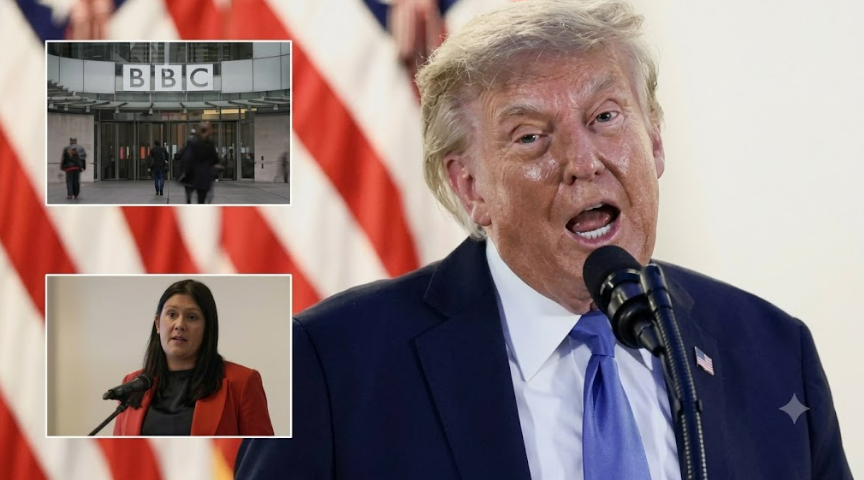
The US government argued that algorithmically boosting government-preferred media has the practical effect of suppressing disfavored speakers, a consequence they assert is “not meaningfully different than outright removal.” Noting that the vast majority of affected platforms are US-based, the administration expressed concern over potential overreach that could alter how British citizens receive information from American media outlets and independent journalists. US officials characterized the policy as potentially facilitating the “extra censorship of protected speech by Americans online.”
The media regulation dispute compounds existing friction regarding the Chagos Islands. Despite apparent pressure from the US, UK Defence Secretary Wes Streeting recently confirmed in a letter to his Conservative counterpart that the Labour government remains committed to the current agreement regarding the islands. Streeting argued the deal is the best way to secure the long-term operations of the critical joint US-UK military base on Diego Garcia and protect it from legal challenges.
However, the agreement—which critics characterize as a “surrender”—has faced direct opposition from US President Donald Trump. In a recent statement, Trump criticized the handling of the islands, stating, “They gave it over to people that shouldn’t really have it… it was terrible.” Trump suggested the agreement hindered military logistics, claiming forces had to fly planes “much further than necessary” because the UK “wasn’t able to give it to us.” Trump indicated he expects the new UK Prime Minister, Andy Burnham, to review the arrangement.
The dual controversies highlight a growing rift between the US administration and the Labour government. Conservative critics within the UK have seized on the US pushback, arguing that the Chagos deal signals geopolitical weakness—citing renewed Argentinian interest in the Falkland Islands as a consequence—and that the media green paper represents an authoritarian overreach designed to artificially prop up state-aligned broadcasters like the BBC.
As the consultation period for the media green paper closes, the UK government faces significant pressure from its closest ally to clarify or abandon policies the US views as hostile to free speech and international security interests.