Masked Vigilantes and Migrant Boats: The Channel Confrontations Fueling Britain’s Border Debate
Introduction: A New Flashpoint in Britain’s Migration Crisis
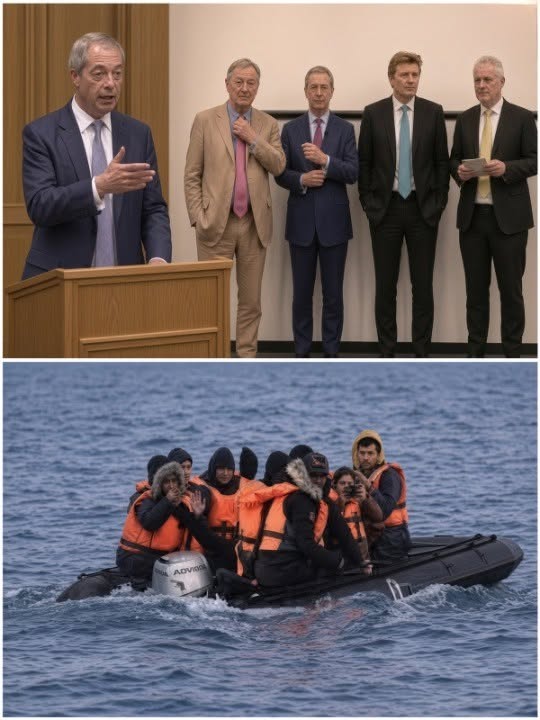
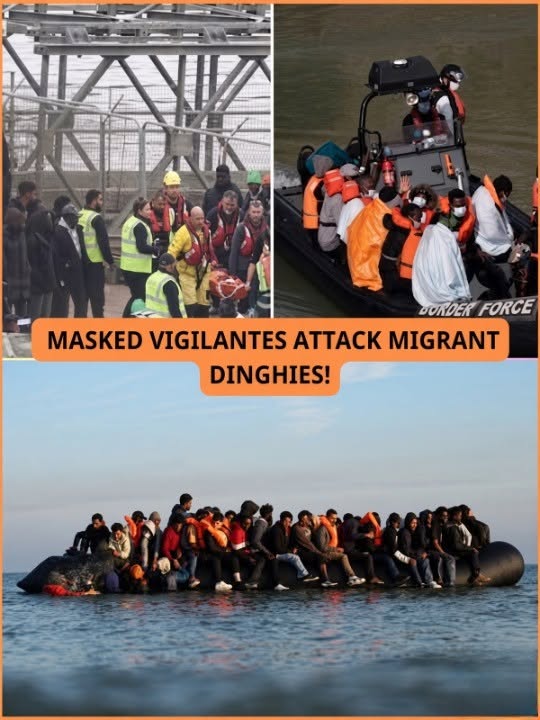
Images and videos appearing to show masked individuals confronting migrant boats in the English Channel have triggered a wave of public debate across Britain. The footage, shared widely online, has reignited arguments about illegal migration, border enforcement, public frustration, and the limits of civilian intervention.
Supporters of tougher migration controls have described the scenes as a sign of growing anger among communities who feel government policies have failed to address repeated Channel crossings. They argue that ordinary citizens are becoming increasingly frustrated by what they see as a lack of effective action against illegal migration.
However, critics have warned that vigilante activity at sea could create serious risks, potentially putting migrants, volunteers, and law enforcement personnel in dangerous situations. They argue that border management is the responsibility of government agencies and trained authorities, not private groups.
The events have therefore become part of a much larger national conversation: how should Britain respond to continued small boat crossings, and where should the line be drawn between public protest and direct action?
The Growing Tension Around Channel Crossings
For several years, small boat crossings across the English Channel have remained one of the most politically sensitive issues in the United Kingdom.
Thousands of people have attempted the dangerous journey from northern France to Britain, often travelling in overcrowded inflatable dinghies organised by people smugglers.
The journeys are extremely hazardous. The Channel is one of the busiest shipping routes in the world, with strong currents, unpredictable weather, and heavy commercial traffic.
British authorities, including the Border Force and emergency services, have repeatedly warned that the crossings put lives at risk.
Governments of different political parties have struggled to find a solution. Measures have included increased cooperation with France, stronger enforcement against criminal smuggling networks, changes to asylum procedures, and attempts to discourage people from making the journey.
Despite these efforts, the issue remains politically unresolved, creating frustration among many voters.
Who Are the Masked Individuals and What Happened?
The footage circulating online reportedly shows masked people approaching or confronting migrant boats in the Channel area. However, details surrounding the individuals involved, their intentions, and the exact circumstances of the incidents require careful verification.
Some online commentators have described them as “vigilantes” attempting to stop migrant crossings themselves. Others have portrayed them as activists responding to what they believe is a failure of government border policy.
The term “vigilante” itself is controversial.
Supporters of direct action argue that citizens have the right to express opposition when they believe official systems are failing.
Critics argue that individuals taking enforcement into their own hands can undermine the rule of law and create unpredictable consequences.
Authorities generally maintain that immigration enforcement must be carried out by legally authorised agencies with appropriate training and equipment.
Why Some People Support Hard-Line Action
Among those supporting tougher action, the issue is connected to concerns about border control, national sovereignty, and public resources.
Some residents in coastal areas have expressed frustration about the repeated arrival of migrant boats and the pressure placed on local communities, including accommodation services and public facilities.
They argue that governments have spent years promising solutions while crossings continue.
For some campaigners, the appearance of civilian groups confronting boats represents a visible expression of public anger.
They believe stronger measures are necessary to discourage illegal crossings and reduce the influence of smuggling gangs.
Some also argue that governments should listen more closely to citizens who feel ignored by political leaders.
Concerns About Vigilante Behaviour
Despite public frustration, legal experts and community leaders have warned about the dangers of unofficial intervention.
The English Channel is a complex environment where even trained professionals face challenges.
Attempting to intercept boats, approach migrants at sea, or interfere with rescue operations could create additional risks.
There are also legal questions surrounding private citizens attempting to enforce immigration rules.
Immigration control involves complex procedures, including asylum rights, international agreements, and humanitarian responsibilities.
Critics argue that individuals without official authority may not understand the legal situation of people arriving by boat.
They warn that emotionally charged situations could escalate quickly, particularly when large groups of people are involved.
The Humanitarian Dimension
Behind the political arguments are thousands of individual human stories.
Many people attempting Channel crossings say they are fleeing conflict, persecution, poverty, or instability in their home countries.
Human rights organisations argue that migrants and asylum seekers should be treated with dignity and that rescue responsibilities must remain a priority.
They emphasise that regardless of political views on immigration policy, people travelling in dangerous boats remain vulnerable human beings.
However, opponents argue that humanitarian concerns must be balanced with border security and the need for a controlled immigration system.
They claim that uncontrolled arrivals can create pressure on housing, public services, and social cohesion.
This tension between humanitarian responsibility and border enforcement is at the centre of the migration debate.
The Role of Social Media in Amplifying the Conflict
The controversy has also highlighted the powerful role of social media.
A short video clip can spread internationally within hours, often reaching millions of viewers before authorities provide official information.
Supporters and opponents of different political positions frequently use online platforms to present competing interpretations of the same event.
A video showing confrontation may be described by one side as “citizens defending the border” and by another as “dangerous vigilantism.”
The reality may involve more complicated circumstances that are not immediately visible in short clips.
Experts have repeatedly encouraged people to verify information before reaching conclusions, especially on issues involving migration, crime, and public safety.
Political Pressure on the Government
The Channel crossings have become one of the biggest political challenges facing successive British governments.
Voters across the political spectrum have demanded clearer answers about how illegal migration should be managed.
Some parties have called for tougher border controls, stricter asylum rules, and stronger action against people smugglers.
Others argue that the focus should be on improving legal migration routes, international cooperation, and humanitarian systems.
The issue has become especially significant because immigration is closely connected to public confidence in government.
When people believe borders are not being controlled effectively, trust in institutions can decline.
France and Britain’s Shared Challenge
The English Channel migration issue is not only a British problem.
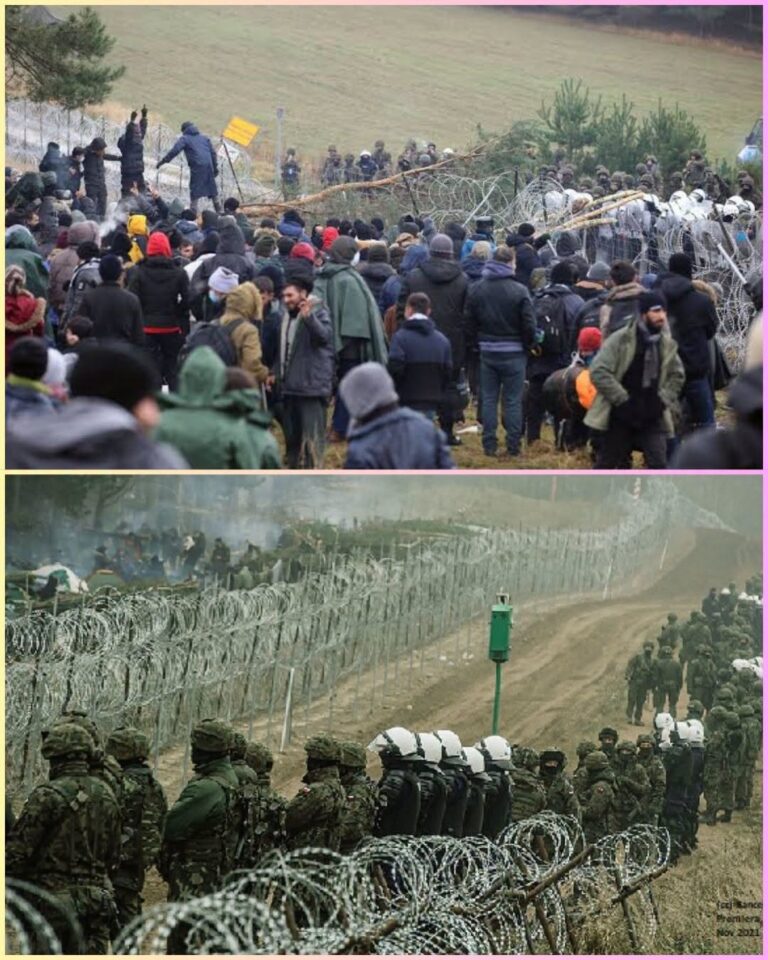
France has also faced significant challenges managing migrants gathering along its northern coastline.
British and French authorities have worked together through agreements designed to reduce crossings and disrupt smuggling networks.
However, cooperation has faced political pressure and practical difficulties.
Smuggling organisations constantly adapt their methods, often changing routes and tactics.
Authorities on both sides argue that stopping the crossings requires international cooperation rather than isolated national action.
The Debate Over Responsibility
At the heart of the controversy is a fundamental question:
Who is responsible for solving the migration crisis?
Those frustrated with current policies argue that governments have failed and that communities are being left to deal with the consequences.
They believe stronger action is necessary.
Others argue that allowing private groups to intervene creates more problems than solutions.
They believe democratic governments, courts, and law enforcement agencies must remain responsible for immigration enforcement.
The disagreement reflects a wider debate about trust in institutions and the role of citizens in modern democracies.
A Divided Public Conversation
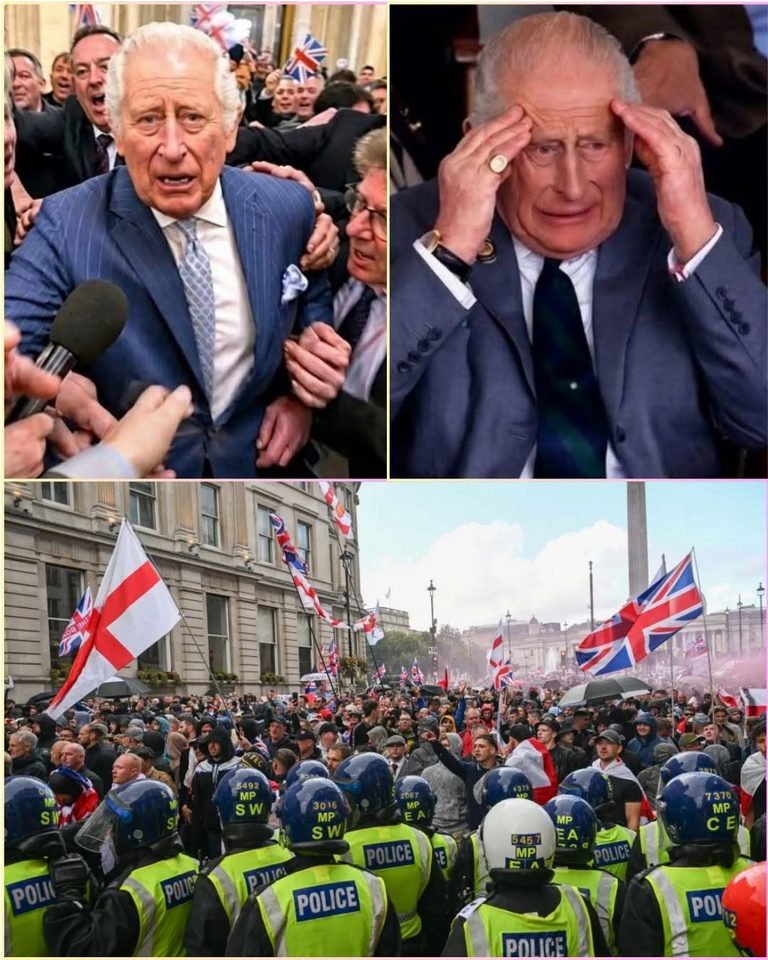
The reaction to the Channel confrontation reflects how deeply divided Britain has become over migration.
For some, the issue represents a failure to protect borders.
For others, it represents a humanitarian challenge requiring compassion and international cooperation.
Both sides often express genuine concerns, but the debate has become increasingly emotional.
The language used online can sometimes make compromise more difficult, with accusations of extremism, cruelty, or betrayal appearing on both sides.
Finding a balanced approach remains a major challenge for policymakers.
Conclusion: A Symbol of a Much Bigger Debate
The reported confrontations involving masked individuals and migrant boats have become more than a single incident.
They represent wider frustrations, fears, and disagreements about immigration, national identity, government responsibility, and public safety.
Supporters of stronger border controls see the events as evidence that many citizens have lost confidence in existing policies.
Critics see them as a warning about the dangers of individuals attempting to replace official authorities.
The facts surrounding individual incidents must continue to be examined carefully, but the broader debate is unlikely to disappear.
As Britain continues to search for answers on migration, the challenge will be finding a solution that addresses border security, respects the rule of law, and recognises the human realities behind every crossing.
The Channel remains not only a physical border between two countries, but also a symbol of one of the most difficult political questions facing modern Britain.