Nigel Farage Renews Calls for Stronger Border Controls as UK Immigration Debate Continues
Nigel Farage Renews Calls for Stronger Border Controls as UK Immigration Debate Continues
Immigration and border security remain among the most closely watched issues in British politics, and comments made by Reform UK leader Nigel Farage have once again brought the subject into the national spotlight. His latest remarks regarding illegal Channel crossings have reignited discussion about the effectiveness of current immigration policies, border enforcement, and the future direction of the United Kingdom’s asylum system.
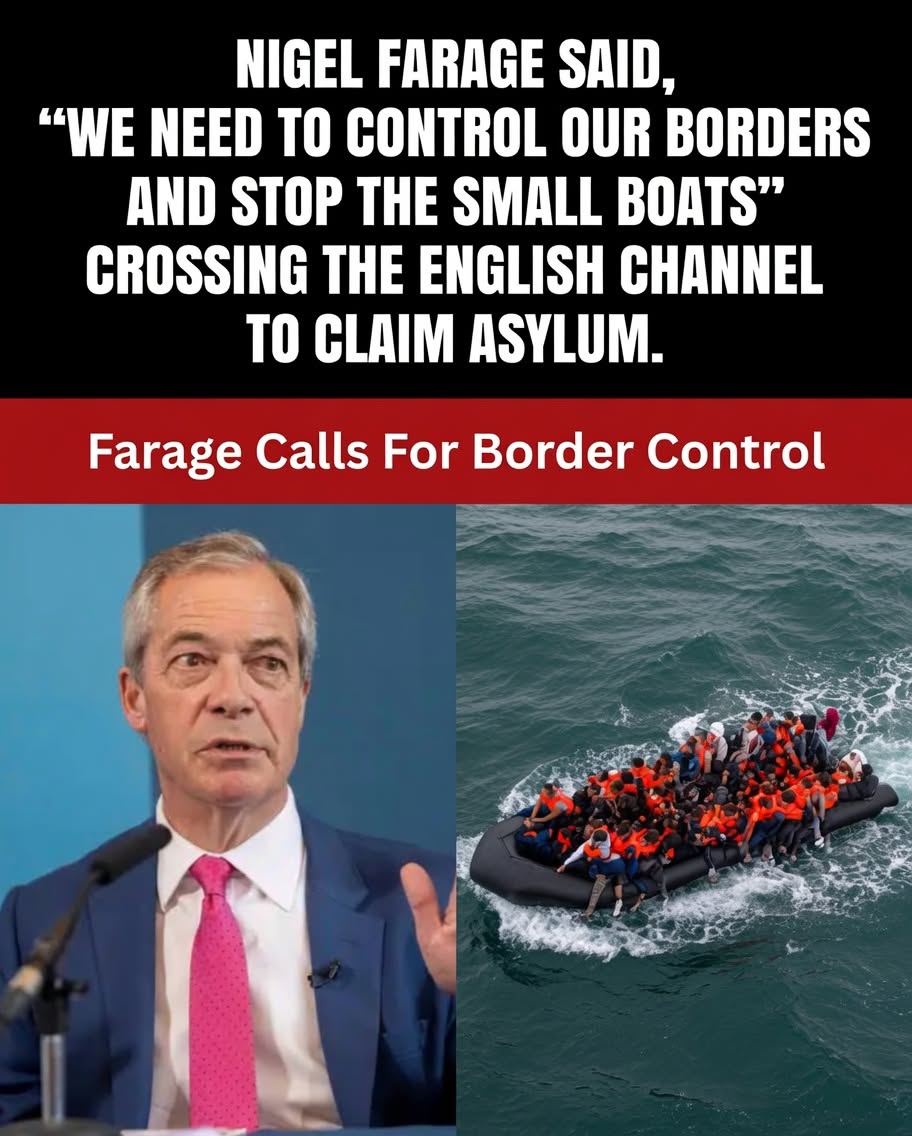
For several years, small boat crossings across the English Channel have been at the center of political debate in Britain. The issue has generated extensive discussion in Parliament, the media, and among the public, with successive governments facing pressure to reduce irregular migration while maintaining compliance with domestic and international legal obligations.
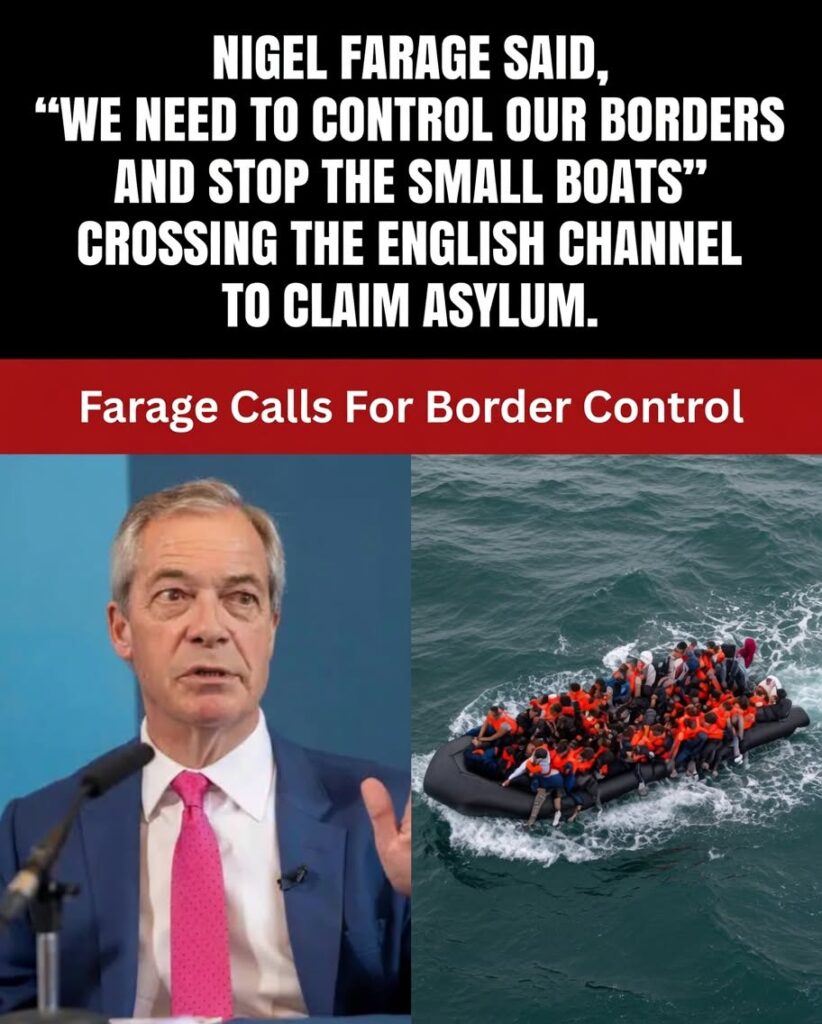
Nigel Farage has consistently argued that stronger border enforcement is necessary to reduce illegal crossings. Referring to migrants arriving in small boats to seek asylum, he has stated, “We need to control our borders and stop the small boats.” The remark reflects his long-standing political position on immigration and border security rather than an official government policy.
Supporters of Farage’s approach argue that maintaining secure national borders is a fundamental responsibility of any government. They believe that reducing irregular migration would strengthen public confidence in the immigration system and ensure that legal migration routes operate more effectively.
Many of his supporters also contend that a clearer distinction should be made between people using legal immigration
pathways and those entering the country through irregular means. In their view, a more robust enforcement strategy would discourage dangerous crossings while reinforcing respect for immigration laws.
Critics, however, argue that the issue is more complex than border enforcement alone. They point out that many people arriving by small boat later submit asylum claims, and under both UK law and international refugee conventions, each application must be assessed individually according to established legal procedures.
Human rights organizations have repeatedly emphasized the humanitarian risks associated with Channel crossings. They note that the journey is one of the busiest and most dangerous maritime routes in the world and have called for continued efforts to prevent loss of life while addressing the underlying causes that drive people to undertake such dangerous journeys.
Migration specialists explain that irregular migration across the Channel is influenced by a combination of international conflicts, political instability, organized criminal smuggling networks, economic factors, and differences in asylum systems across Europe. Because of these factors, they argue that long-term solutions require cooperation between the United Kingdom and its international partners.
The British government has introduced a range of measures in recent years aimed at reducing illegal Channel crossings. These have included agreements with neighboring countries, increased investment in border security, enhanced law enforcement cooperation, and proposals to reform the asylum system. Different governments have also explored legislative changes intended to accelerate asylum decisions and strengthen immigration enforcement.
Opposition parties and policy experts have proposed a variety of alternative approaches. Some argue for expanding international cooperation against people-smuggling networks, while others advocate improvements to asylum processing, legal migration pathways, and agreements with European partners to manage migration more effectively.
Political analysts observe that immigration continues to rank among the most important issues for many British voters. Opinion polls regularly show that questions involving border security, asylum policy, housing, public services, and labour shortages influence political attitudes across different regions of the country.
Economists note that immigration policy also has implications for the labour market. While certain sectors of the British economy rely on migrant workers to address skills shortages, policymakers continue to debate how to balance economic needs with public expectations regarding border control and immigration management.
Legal experts emphasize that Parliament has the authority to reform immigration legislation, provided changes remain consistent with domestic law and applicable international obligations. Any future reforms would be subject to parliamentary scrutiny, judicial oversight where appropriate, and continued public debate.
Observers also point out that political rhetoric surrounding immigration often attracts widespread attention because the issue combines questions of national security, humanitarian responsibility, economic policy, and public confidence. Statements by high-profile political figures frequently generate strong reactions from both supporters and critics, reflecting the deeply divided nature of public opinion on the subject.
Whether welcomed or challenged, Nigel Farage’s remarks have once again contributed to a broader national conversation about the future of British immigration policy. While opinions remain sharply divided over the best path forward, there is broad agreement that immigration, border security, and asylum reform will remain central issues in UK politics for the foreseeable future. As policymakers continue to debate potential reforms, the challenge will be finding solutions that address public concerns while meeting the country’s legal obligations and maintaining confidence in the immigration system.