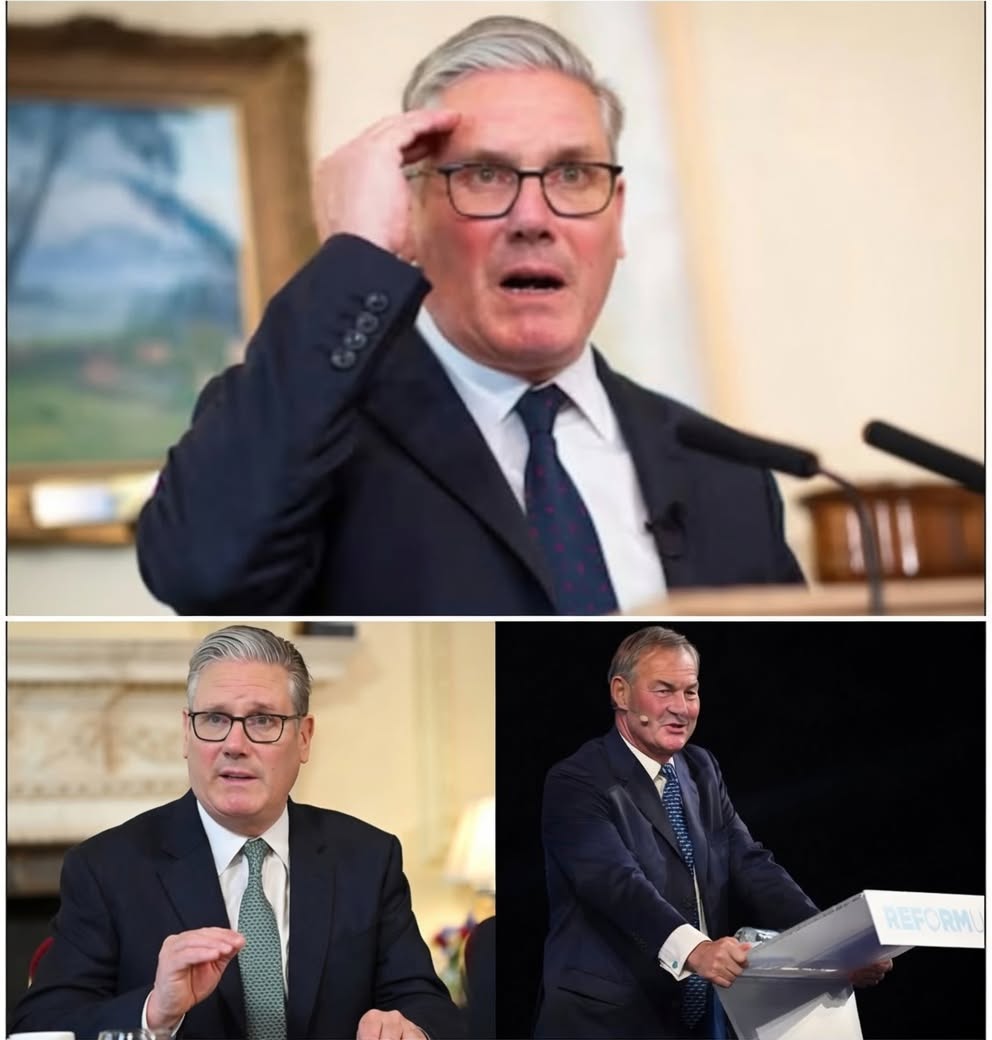
Rupert Lowe Criticizes Keir Starmer as Political DebateOver Government Leadership Intensifies
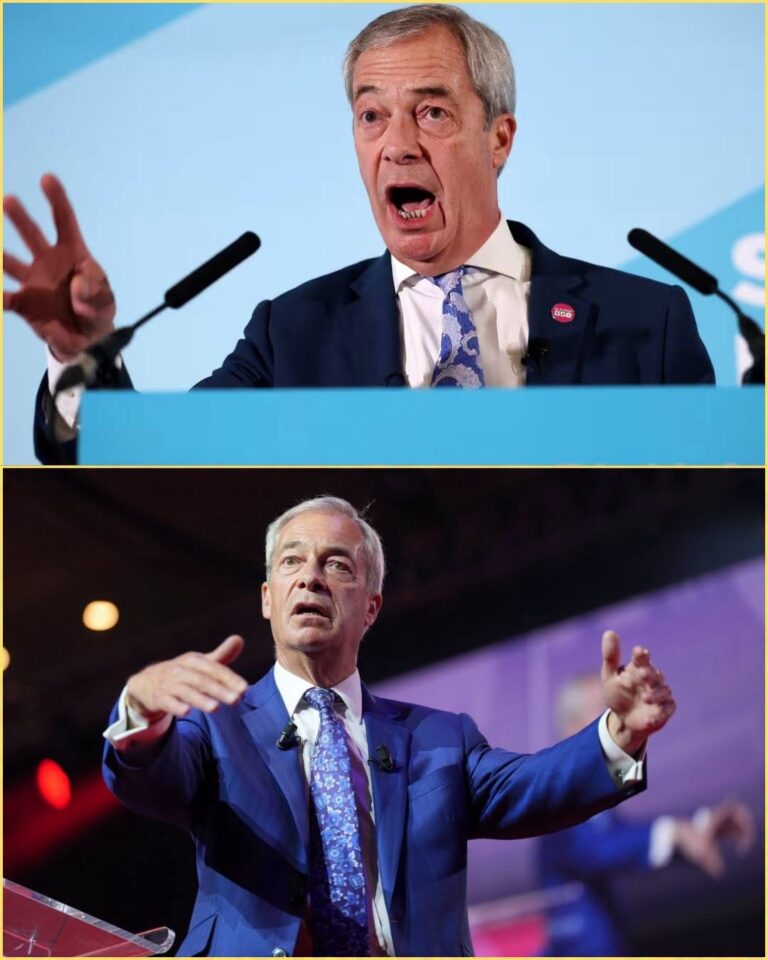
Political debate in the United Kingdom has intensified after Rupert Lowe delivered a strongly worded criticism of Prime Minister Keir Starmer during a recent public appearance. His remarks, which have been widely shared across social media, focused on government policy changes, political trust, and wider concerns about transparency in public life.
During his address, Lowe argued that the Labour government has departed from positions it presented to voters before taking office. He said repeated policy reversals have raised questions, in his view, about political consistency and public confidence. These comments represent Lowe’s political opinion and have not been endorsed by official institutions.
One phrase from the speech quickly attracted widespread online attention after Lowe accused the Prime Minister of having “betrayed the nation.” The statement was widely quoted by supporters and critics alike, becoming one of the most discussed moments from the broadcast on social media.
Supporters of Lowe argued that his comments reflected frustration among some voters who believe governments of different political parties have too often failed to deliver on campaign promises. They said elected leaders should be held accountable when policy decisions differ significantly from pre-election commitments.
Critics, however, described the language as highly confrontational and argued that political disagreements should be debated on the basis of evidence and policy rather than emotionally charged slogans. They maintained that governments frequently adapt policies in response to changing economic, diplomatic, or security circumstances.
The discussion also touched on criticism surrounding the appointment of Peter Mandelson to a diplomatic role. Lowe questioned the political judgment behind the appointment and referred to wider public debate that has appeared online concerning historical controversies. At the time of writing, no official findings support many of the broader claims circulating on social media, and those claims remain disputed or unverified.
The discussion also highlighted broader disagreements over how policing should be financed. Some Assembly Members called for greater investment in frontline services, while others emphasized the need to improve efficiency and ensure that existing resources are used as effectively as possible.
Experts in policing note that decisions about police funding involve multiple institutions. While the Mayor has
responsibilities relating to policing in London through the Mayor’s Office for Policing and Crime, central government also plays a significant role in determining overall funding levels for police forces.
Public safety specialists observe that debates about policing frequently involve competing priorities. Investment may be required not only for visible neighbourhood patrols but also for specialist investigations, cybercrime, counter-terrorism, domestic abuse, safeguarding, and other increasingly complex areas of policing.
Political analysts suggest that crime and policing are likely to remain major issues in London’s political debate. Public concern over community safety continues to influence discussions between local government, Parliament, and policing authorities, particularly as economic pressures affect public services.
Community organizations have emphasized that effective policing depends on cooperation between officers, local authorities, and residents. Many groups argue that crime prevention requires both strong law enforcement and sustained investment in education, youth services, mental health support, and community partnerships.
Constitutional experts also note that public scrutiny of elected officials is an important feature of democratic governance. Mayor’s Question Time is designed to allow Assembly Members from different political parties to question the Mayor on policy decisions and hold the executive to account in a public forum.
The exchange has generated significant discussion across traditional media and social media platforms. Supporters of the Mayor argue that his administration is addressing difficult financial realities while continuing to prioritize public safety. Critics believe further action is needed to strengthen policing capacity and rebuild public confidence in frontline services.