

SENTENCE BACKFIRES: Henry Nowak’s Killer Faces LONGER Prison Term After Appeal! He claimed his sentence was “EXCESSIVE” — but the legal challenge ended with an unexpected twist! Vickrum Digwa, convicted of killing Henry Nowak, has had his prison sentence increased after challenging his original punishment. Instead of securing a reduction, the challenge resulted in an even longer jail term. For Henry’s grieving loved ones, the case remains a painful reminder of a young life tragically lost. But what convinced the court to impose a tougher sentence — and how did Digwa’s attempt to challenge his punishment backfire? What do YOU make of the court’s decision?

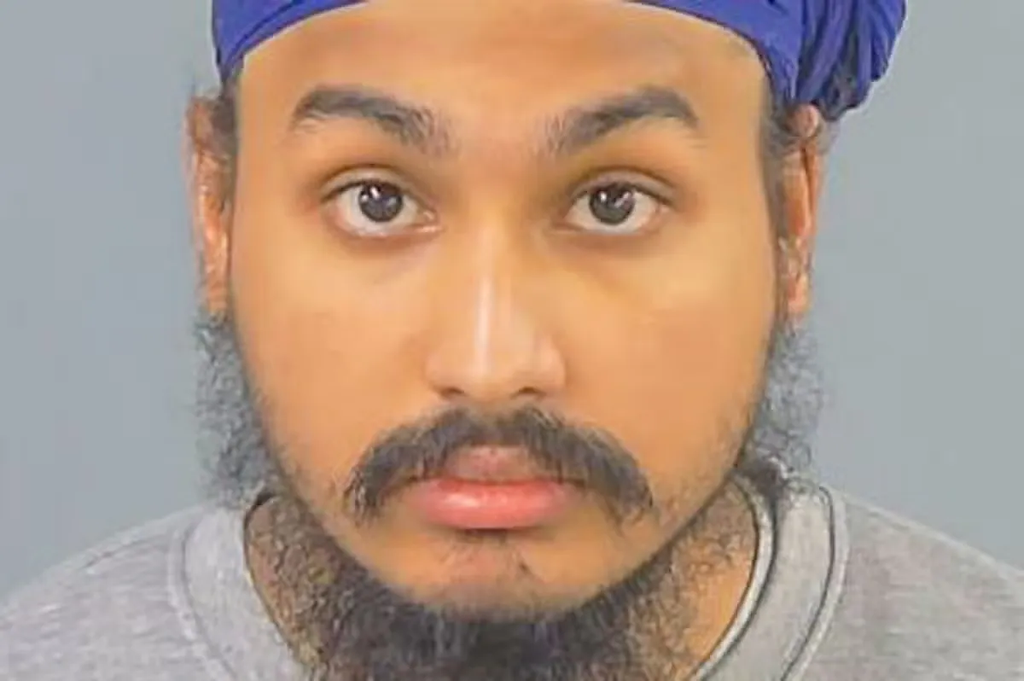
The man who murdered Henry Nowak has failed in his bid to reduce the length of his life sentence.
The Court of Appeal instead increased his minimum term from 21 to 25 years following a successful challenge by the Attorney General.
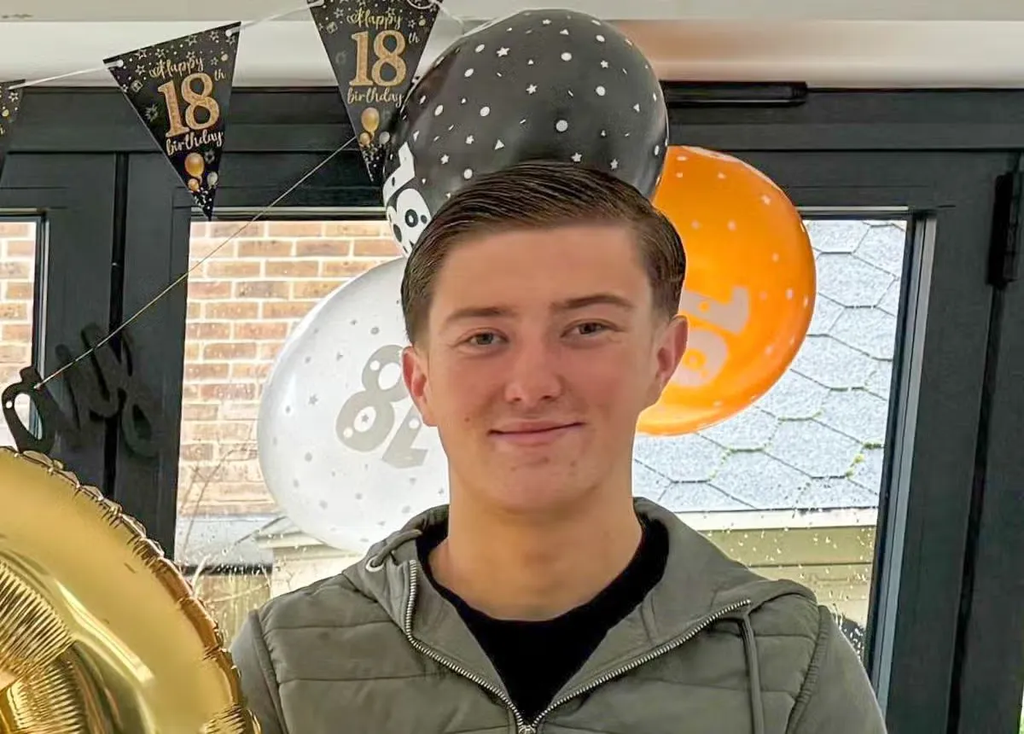
Vickrum Digwa, 23, was jailed in June for fatally stabbing 18-year-old Henry with a 21cm ceremonial knife in Southampton on December 3 last year.
In their ruling on Thursday, three Court of Appeal judges said it was “unarguable” that Digwa’s original sentence was too long and ruled that his minimum term should be increased as it “fell outside the range reasonably open” to the sentencing judge.
Lady Chief Justice Baroness Carr said: “A minimum term of 21 years did not adequately reflect the overall seriousness of the murder.
It was not only lenient, but unduly so.”
Digwa had falsely accused Henry of racially abusing him, leading police to handcuff the student as he lay dying from his injuries.
The release of police body-worn footage showing Henry, from Chafford Hundred, Essex, being placed in handcuffs sparked widespread anger.
Baroness Carr, sitting with Mr Justice Nicklin and Mr Justice Wall at the Royal Courts of Justice in London, heard arguments from Digwa’s barrister that the length of his sentence was “manifestly excessive”, alongside arguments from the Attorney General Ellie Reeves that it was “unduly lenient”.
In written submissions on behalf of the Attorney General, Jonathan Polnay KC said Digwa “abused the privilege” afforded to Sikhs to carry a knife in a public place for religious reasons.
He said: “The offender was carrying a substantial bladed weapon in public, immediately available for use, which he repeatedly deployed against an unarmed and defenceless stranger.
He abused a statutory religious exemption permitting him to carry that weapon.”
Mr Polnay continued: “There were significant additional aggravating factors: the offender’s sustained attempts to pervert the course of justice, his false allegation of racism against the deceased, his procurement of his mother’s assistance in concealing evidence, his degradation of the dying victim by filming him, and his conduct in misleading responders.”
He added that the minimum term imposed failed to “reflect the combined weight of those features”.
Digwa watched proceedings via video link from HMP Frankland in County Durham, wearing a dark suit, shirt and tie.
He appeared to show no reaction as his minimum term was increased.
Members of Henry’s family attended the hearing in London, with one relative wiping away tears as the judgment was delivered.
Speaking to ITV before the hearing, Henry’s stepother Katie Nowak said: “It’s another process that we’ve got to go through.
It’s another fight that we have to have. It was a very clear verdict.
It’s not right that he’s allowed to do this.”
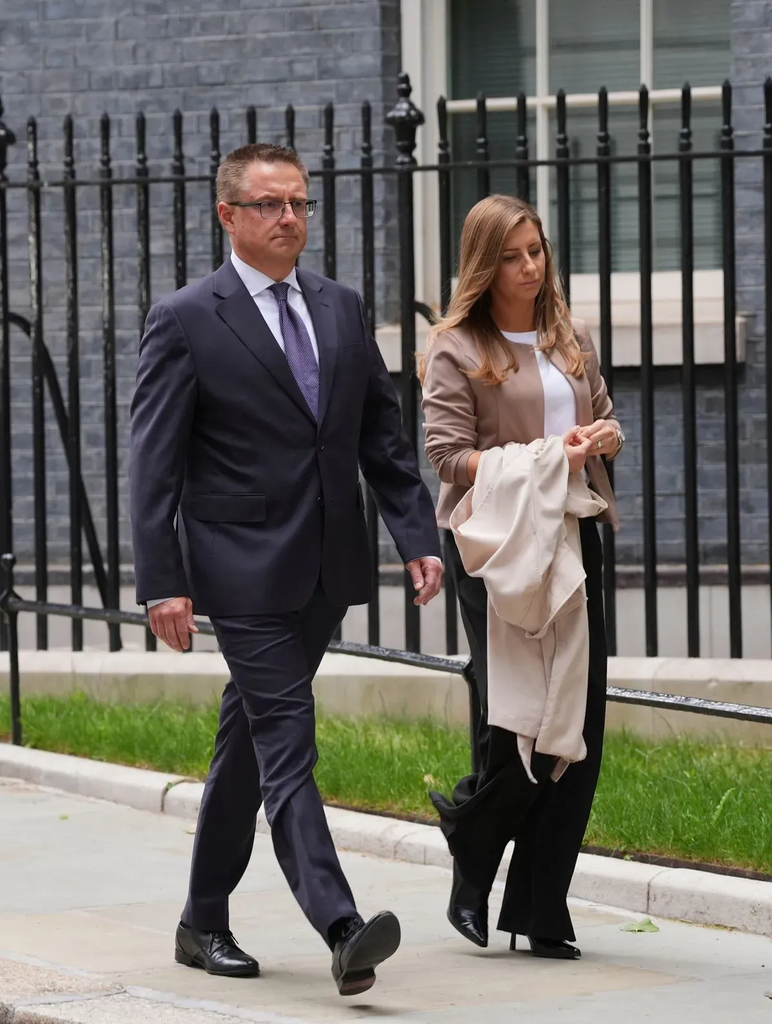
View 3 Images
Katie Nowak said Digwa being allowed to challenge his sentence ‘doesn’t feel fair to us at all'(Image: Yui Mok/PA Wire)
Digwa’s use of dagger was ‘analogous to an abuse of trust’
At Digwa’s sentencing hearing at Southampton Crown Court, Judge William Mousley KC said he had been carrying two knives on the night of the murder.
One was a small knife hidden from view, known as a kirpan, which Sikhs are required to carry at all times.
The other was a “large dagger in a sheath”, which he carried because of his membership of the Nihang order of Sikhs, who have a tradition of having a second knife.
Mr Polnay told the court on Thursday that the bid to increase the sentence “is not about the lawful possession of a kirpan” or the laws allowing Sikhs to carry blades, but “about what followed”.
He said that Digwa’s use of the dagger was “on at least one level, analogous to an abuse of trust”.
He continued: “When a person who has the benefit of that accommodation uses the article protected by law for repeated lethal violence, that is an aggravating factor of particular weight.”
Imran Khan KC, for Digwa, said the sentence could only be increased in “exceptional, rather than borderline cases, and directed to gross error by the sentencing judge”.
He added: “Where is the gross error?”
He acknowledged that the law allowing Digwa to carry the knife “plainly did not” allow him to use it to murder Mr Nowak, but also said Judge Mousley had “already expressly aggravated [the sentence] for both the dangerous weapon and the abuse of religious privilege”, as well as other factors.
He said: “There must be vigilance for using the same underlying facts repeatedly.”
Mr Khan also said carrying a knife for religious reasons “should not of itself” cause Sikh offenders to be given longer sentences.
Challenging the length of the sentence, Mr Khan said that while Digwa’s lies to first responders “unquestionably affected the dignity with which Mr Nowak was treated”, his wounds were unsurvivable.
“The false account therefore did not worsen the fatal injury or deprive Mr Nowak of the prospect of survival,” he said.
Digwa is also separately seeking to overturn his conviction, but a decision has yet to be made on whether that challenge will be allowed to proceed.