Westminster is in a state of absolute FURY tonight! From the mountains of Armenia
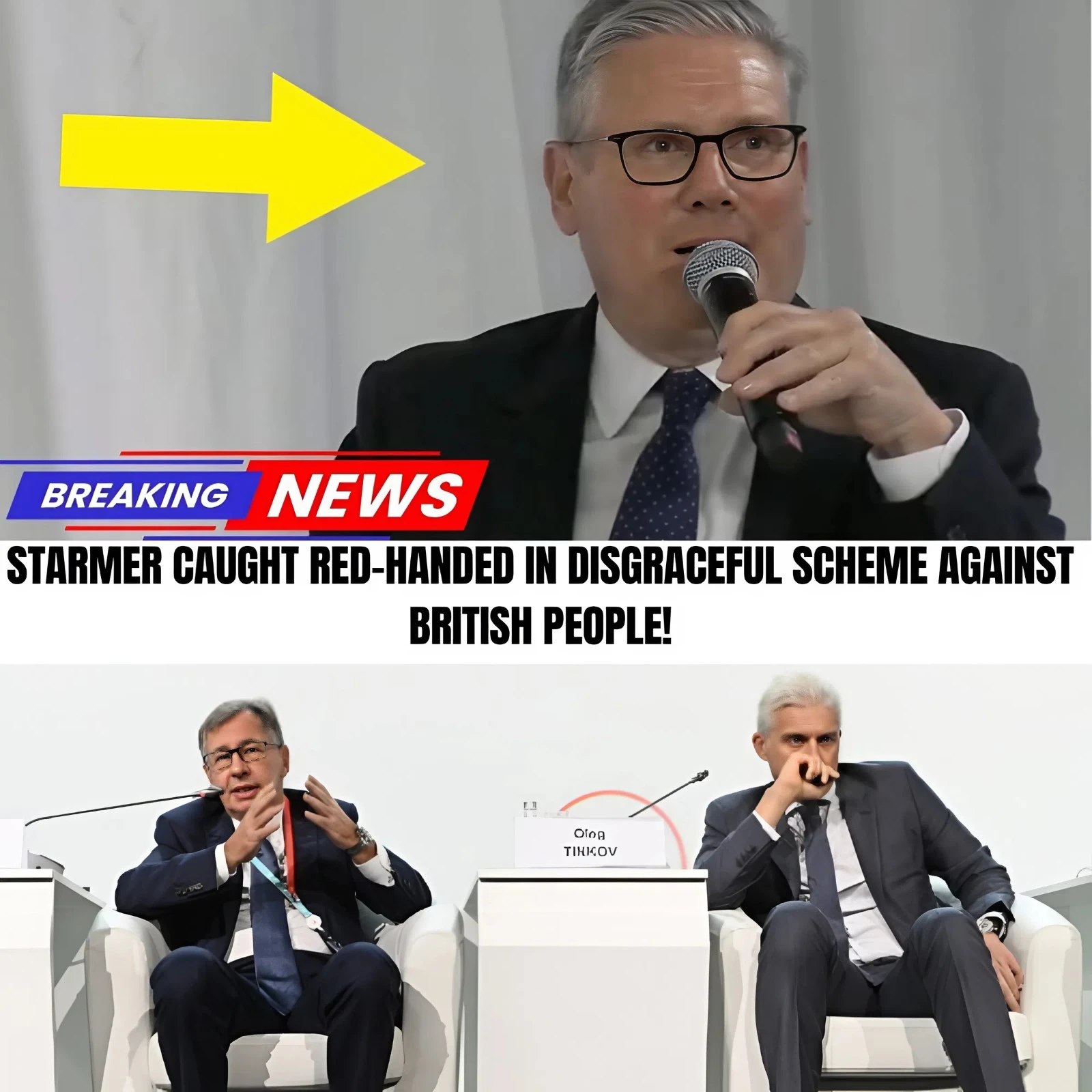
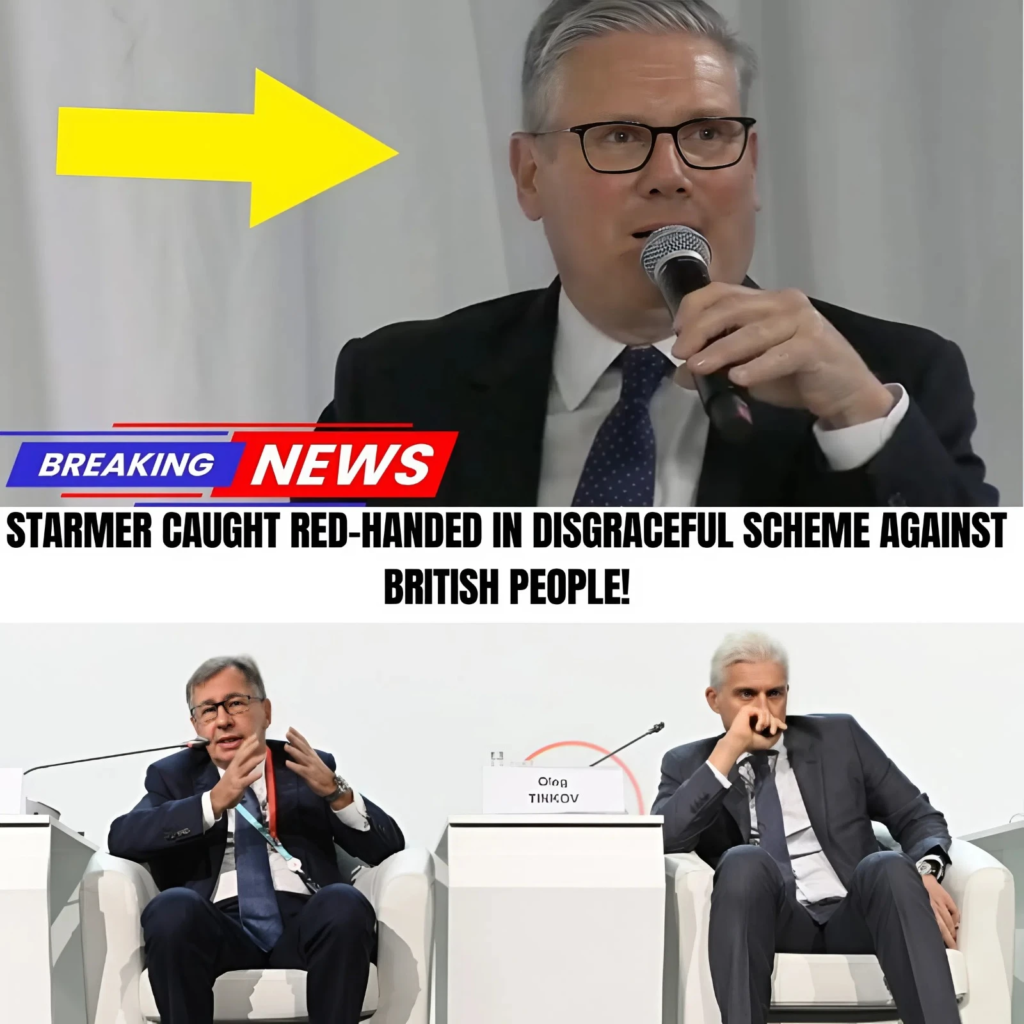
A recent speech by Prime Minister Keir Starmer has strongly reignited the debate over the relationship between the United Kingdom and Europe, generating intense reactions among politicians, analysts, and citizens, simultaneously spreading globally and being continuously observed with high media intensity.
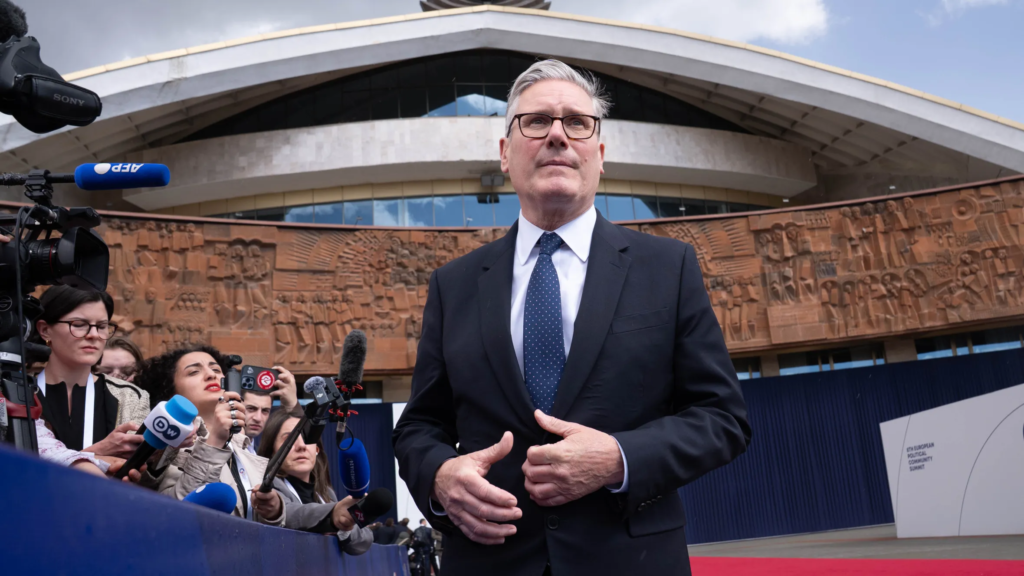
The address, delivered during a major international meeting, touched on crucial issues such as security, economic cooperation, and strategic relations, fueling contrasting interpretations across the country while being widely circulated and intensely covered online.
Some observers viewed the Prime Minister’s words as an attempt to strengthen alliances in an increasingly complex global context, while others expressed concerns about potential implications for national autonomy.
The debate quickly expanded beyond political circles, involving public opinion, media outlets, and digital platforms in an increasingly broad and intense discussion.
Many citizens are questioning the direction the country is taking, wondering whether new forms of cooperation could influence future economic and political decisions.
According to several analysts, the core of the issue lies in the delicate balance between international collaboration and the preservation of national decision-making sovereignty.
Some commentators argue that the language used in the speech reflects a pragmatic strategy aimed at addressing emerging global challenges.

Other critics, however, interpret the message as a signal of possible rapprochement with European structures, raising questions about how this may be perceived by the electorate.
Political reactions were immediate, with representatives from different factions expressing divergent views on the implications of the speech.
Some members of parliament emphasized the importance of maintaining flexibility in international relations, while others reiterated the need to protect previously established decisions.
Social media platforms amplified every statement, turning the debate into one of the most discussed topics of the moment.
Many online users are sharing contrasting opinions, contributing to a discussion landscape that is both rich and highly polarized.
According to sociologists, the intensity of the debate reflects deeper anxieties related to national identity, the economy, and the country’s international role.
Other scholars highlight that modern political communication tends to simplify complex issues, making them more accessible but also more open to differing interpretations.
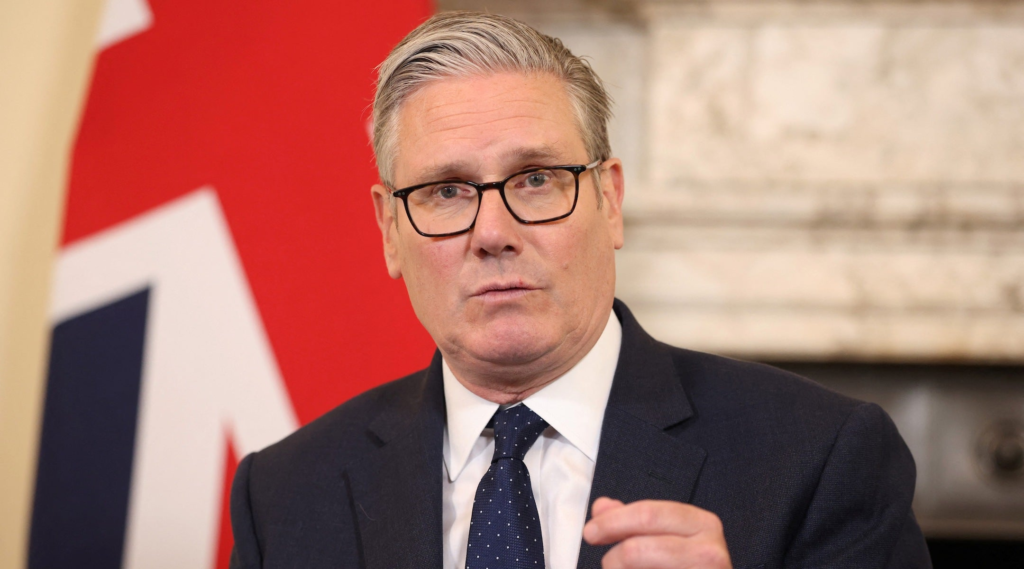
Images and commentary related to the speech continue to circulate, maintaining high media attention and fueling further discussions.
Many international observers are following the situation, viewing it as indicative of the challenges faced by numerous countries.
According to some political analysts, how this situation is handled could significantly influence the future of the United Kingdom’s international relations.
Others believe the debate may lead to greater clarity regarding the country’s strategic priorities.
Universities are analyzing the case as an example of contemporary political communication, highlighting the growing role of digital media.
Many professors stress the importance of distinguishing between political interpretations and verifiable data in order to avoid premature conclusions.
Other academics point out that heated confrontation is an inevitable component of modern democracies.
Digital platforms continue to amplify every aspect of the situation, transforming it into a global viral phenomenon.
Many citizens report feeling increasingly emotionally involved in the debate, a sign of growing politicization of everyday life.
Others express concern about the level of polarization, fearing it may make constructive dialogue more difficult.
According to several experts, the future will depend on the ability of institutions to communicate clearly and manage public expectations.
Many observers believe that episodes like this will continue to emerge, reflecting deep transformations in contemporary politics.
Others argue that these very tensions could create space for new forms of dialogue and democratic participation.
Whatever the final interpretation, one thing is now clear to millions of people connected online: the debate over the future of the United Kingdom remains open, intense, and set to evolve rapidly.