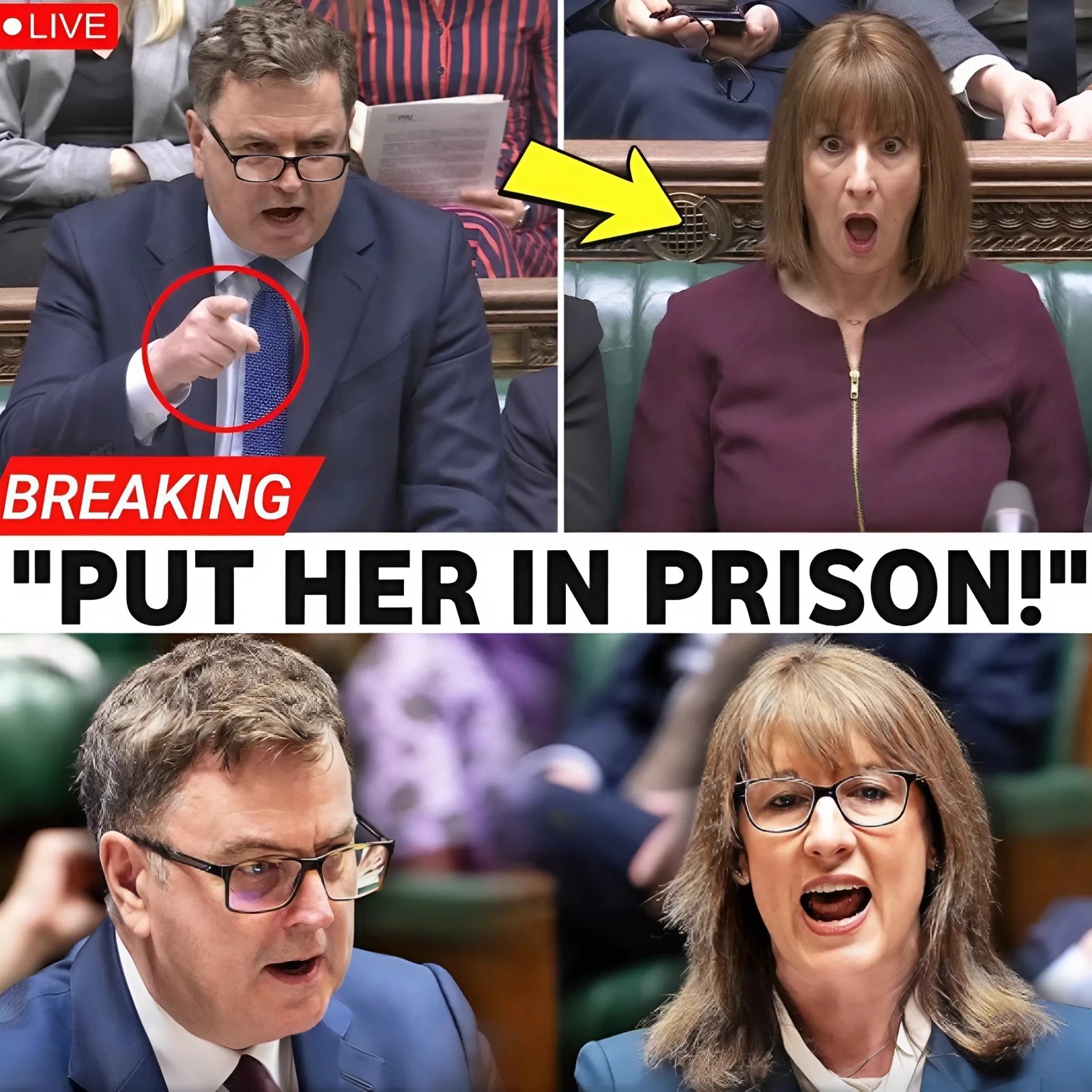
RACHEL REEVES LOOKS SHELL-SHOCKED As Mel Stride DELIVERS BRUTAL TAKEDOWN in Parliament!
The British Parliament has been shaken by one of the fiercest political clashes of recent months following a heated economic confrontation that immediately ignited television coverage, social networks, and national public debates, spreading widely and being intensely observed everywhere.
During an extremely tense parliamentary session, serious accusations concerning economic growth, inflation, taxes, and unemployment turned Westminster into a political arena watched by millions of British citizens simultaneously connected online.
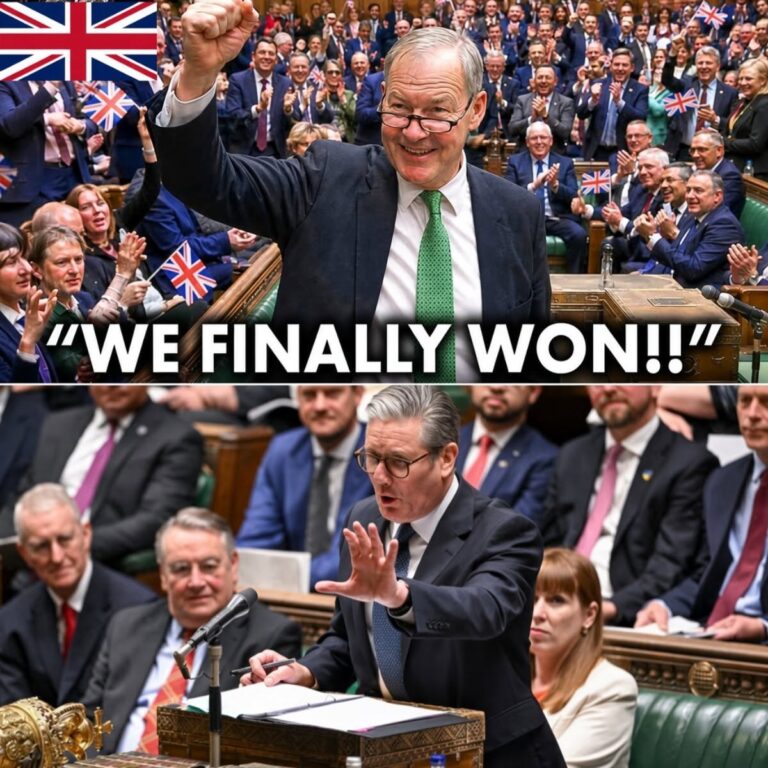
Images emerging from the House of Commons show an electric atmosphere, with agitated MPs, constant shouting, and rising tension as opposition and government clashed over the real state of the modern British economy.
According to many political observers, the parliamentary confrontation represents one of the most delicate moments faced by the government in recent times, as growing economic pressure and declining public trust are fueling widespread collective frustration.
The accusations made during the debate quickly dominated digital platforms and television programs, where millions of users began sharing video clips accompanied by aggressive slogans and highly polarized commentary.
Many British citizens argue that the country is going through a deeply difficult economic phase, marked by rising living costs, tax pressure, and increasing uncertainty regarding future employment.
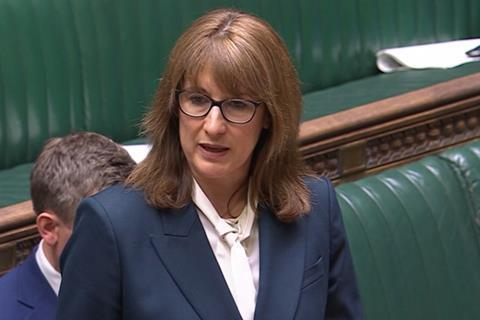
Other residents, however, accuse the political opposition of strategically using selective economic data to create public panic and undermine trust in modern British democratic institutions.
During the parliamentary exchange, the issue of economic growth immediately became central, with mutual accusations regarding unfulfilled electoral promises and what was described as disastrous management of national public finances.
According to several opposition MPs, recent economic decisions have weakened business confidence, increased tax pressure, and worsened employment prospects within many economically fragile British communities.
The government strongly rejected these accusations, arguing that current economic difficulties are largely the result of global crises, international instability, and problems inherited from previous administrations.
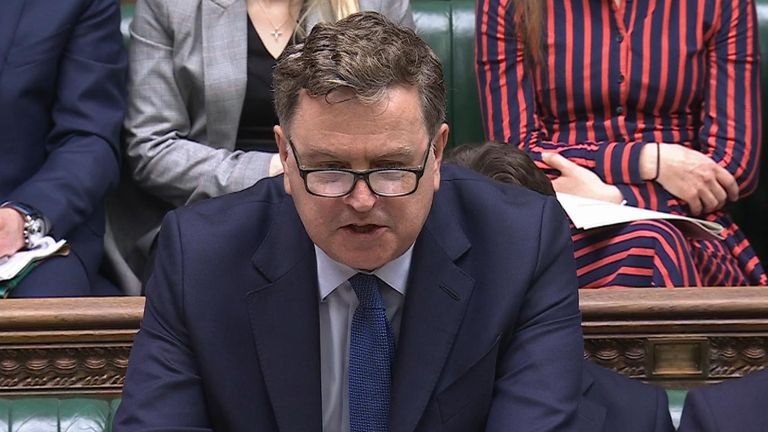
However, this response did not stop the political storm unfolding inside Westminster, where the confrontation quickly escalated into increasingly aggressive exchanges in front of national cameras.
Many British citizens are watching the current political climate with growing frustration, arguing that both government and opposition appear more focused on media clashes than on concrete solutions to everyday economic problems.
Other voters believe that such intense parliamentary confrontations are necessary to force political leaders to publicly answer for economic promises, national debt, and tax management.
British television networks have devoted entire programs to the parliamentary clash, inviting economists, business leaders, and political analysts to assess how much the mutual accusations reflect the actual economic situation of the United Kingdom.
Many economists argue that the country is experiencing a particularly difficult combination of slow growth, high tax pressure, and declining business confidence in future economic prospects.
According to several financial analysts, one of the main issues is the government’s difficulty in convincing markets and citizens that there is a stable and credible economic strategy for the coming years.
Many small British business owners say they feel overwhelmed by high taxes, energy costs, and economic uncertainty, arguing that maintaining profitable operations has become increasingly difficult.
Other citizens emphasize that employees and ordinary families are also facing major daily challenges, including rising bills, high rents, and wages considered insufficient compared to overall price increases.
Digital platforms have significantly amplified the parliamentary controversy, continuously promoting emotional videos, aggressive excerpts, and content capable of generating immediate outrage around the economy, taxes, and political leadership.
Communication experts note that topics such as public finances, inflation, and employment are among the most powerful drivers of virality and emotional engagement on modern digital platforms.
Many British users continue to share fragments of the parliamentary debate, accompanied by accusations, political slogans, and calls for radical change in economic management and national leadership.
According to several sociologists, the growing success of highly aggressive political messaging reflects widespread collective frustration fueled by years of economic stagnation, social crises, and declining institutional trust.
Many young people in Britain are observing the current economic climate with concern, fearing that rising unemployment and financial instability could harm their future prospects related to jobs, housing, and personal security.
Other young citizens believe that contemporary British politics is becoming increasingly theatrical, dominated by aggressive slogans and media clashes that generate views but rarely produce effective solutions.
British universities are organizing debates focused on economic crisis, political populism, and digital communication, trying to understand why such aggressive parliamentary confrontations attract massive public attention.
Many professors insist that simplifying extremely complex economic problems through dramatic accusations risks only increasing collective anger and political polarization in an already deeply fragmented society.
Meanwhile, the issue of public debt continues to dominate British economic discussions, with many observers concerned about future consequences for investment, public services, and national financial sustainability.
According to some financial experts, rising interest on public debt is significantly limiting the UK government’s ability to invest in infrastructure, healthcare, education, and economic growth.
Many British workers say economic difficulties are now clearly visible in everyday life through rising food prices, expensive fuel, and increasing pressure on households.
Others, however, accuse the opposition and media of exaggerating negative data to create public panic, arguing that the British economy is facing global challenges shared by other Western nations.
Images from Parliament show MPs repeatedly interrupting each other during the debate, creating scenes that many observers describe as a clear symbol of growing political polarization in Britain.
According to international analysts, what happened at Westminster reflects a much broader crisis affecting many major Western democracies, marked by economic tension, declining institutional trust, and increasingly aggressive political communication.
Similar debates are emerging in countries such as France, Germany, Italy, and the United States, focusing on inflation, taxation, economic growth, and the growing perceived gap between frustrated citizens and traditional political classes.
Many observers believe that the real contemporary issue lies in the loss of collective trust in the ability of institutions to ensure economic stability within increasingly uncertain and polarized societies.
The coming weeks may prove decisive in determining whether this parliamentary clash is merely a temporary media storm or the beginning of a much deeper political crisis in the modern United Kingdom.
Many moderate citizens say they feel trapped between two extremes, unable to fully identify with either catastrophic accusations or what they see as insufficient reassurances from traditional British politics.
This sense of collective disorientation is reportedly increasing distrust toward political parties, national television, and digital platforms, which are seen as incapable of addressing economic problems seriously without turning them into constant emotional spectacle.
According to many political sociologists, the greatest risk is the complete transformation of democratic economic debate into a continuous narrative war dominated by anger, fear, and aggressive slogans rather than rational discussion.
Many citizens still hope that government and opposition can find a balance between fiscal responsibility, economic growth, and social protection, avoiding further escalation that could damage democratic trust.
Others believe that economic tensions built up over years of inflation, tax pressure, and political instability will inevitably continue to erupt, deeply shaping the social and political future of the United Kingdom.
Images of the parliamentary clash will likely continue to circulate online for a long time, fueling new controversies and increasingly intense discussions about the economy, political leadership, and the future of British society.
As millions of citizens argue intensely in front of televisions and across social media, one question now dominates the contemporary British public debate: who will truly convince the country that they have a credible solution to the economic crisis?