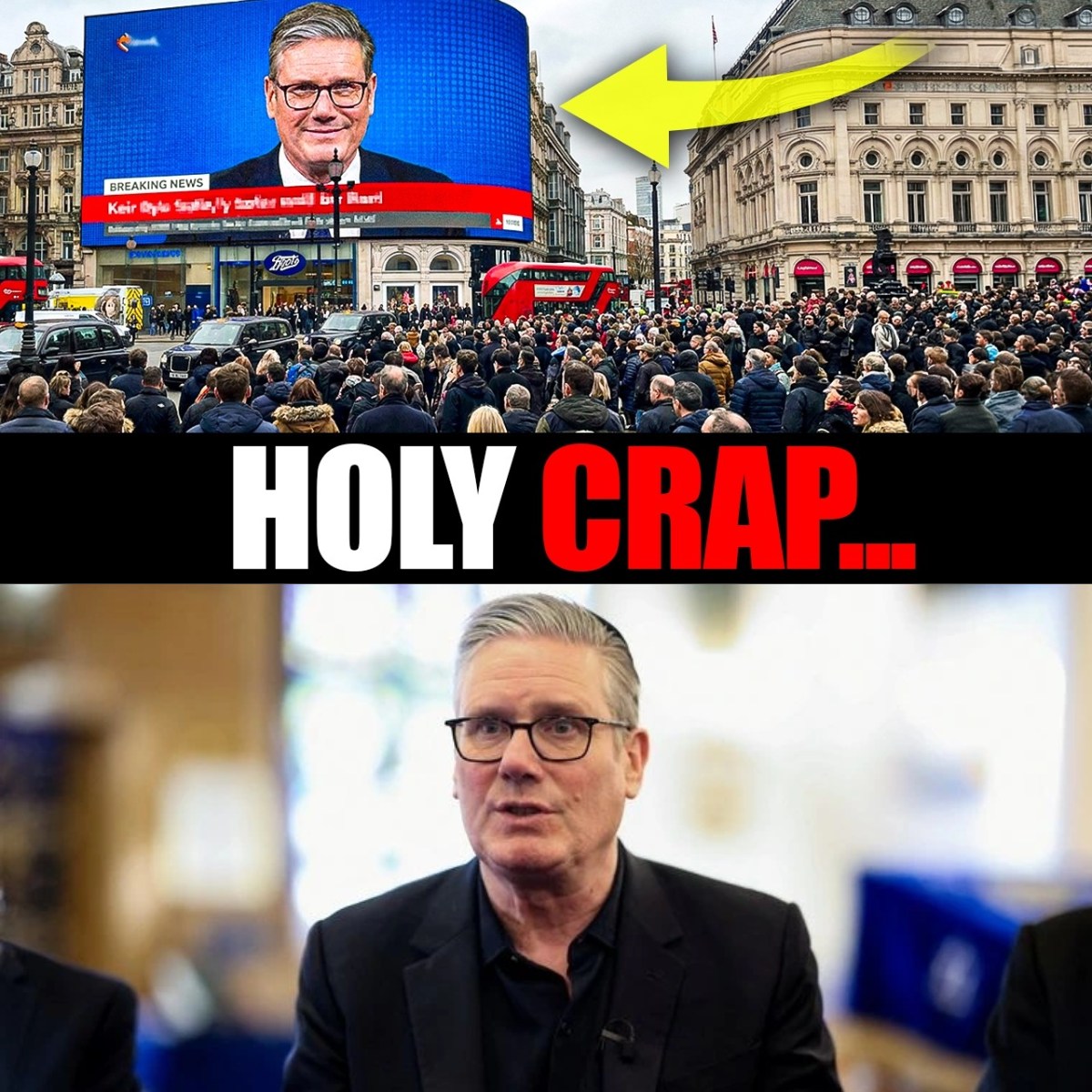
BREAKING: STARMER’S ELECTION DAY MESSAGE BACKFIRES as CONTRADICTORY REACTIONS ERUPT Across Britain.
A Nation at the Crossroads: Analyzing the Growing Friction Between Institutional Rhetoric and Electorate Reality
In the wake of a highly anticipated election day, the political landscape in the United Kingdom finds itself under significant strain as the Labour Party’s strategic messaging faces a formidable wave of public skepticism. Sir Keir Starmer, the party leader, has launched a comprehensive campaign centered on a vision of national renewal, emphasizing a suite of promises designed to alleviate the socio-economic pressures currently weighing on the British populace.
The disconnect between these political assurances and the lived experiences of the electorate has become a focal point of intense national debate and scrutiny. The official Labour narrative has been structured around several key pillars: reducing the cost of living, diminishing National Health Service (NHS) waiting lists, and enhancing community safety through an increased police presence. These pledges are framed as a direct response to the “tough times” the nation is currently enduring.
Starmer is positioning his party as the definitive advocate for working-class citizens, aiming to present a cohesive plan for stability and growth. Yet, the reception on the ground suggests that many voters remain unconvinced by the feasibility of these ambitious targets. Critiques of the Labour platform have surfaced rapidly, particularly concerning the practical impact of proposed energy bill reductions for the average household.
Skeptics argue that the promised savings, when broken down into weekly figures, fail to offer substantial relief for families struggling with systemic inflation. This perception of “too little, too late” has fostered a sense of disillusionment among those who feel that the proposed financial interventions do not align with the gravity of the current economic crisis. This situation has led to a direct challenge of the party’s fiscal credibility.
Furthermore, the state of the NHS remains a primary source of contention between the party leadership and the public. While Starmer emphasizes cutting waiting lists, personal testimonies from citizens highlight a different reality, characterized by prolonged delays in securing basic medical appointments. The contrast between the political promise of efficiency and the reported two-week wait for simple medical concerns has created a narrative of failure.
This gap in perception raises critical questions about whether institutional reforms can keep pace with the urgent healthcare needs of the population. Community safety and the visibility of law enforcement have also emerged as sensitive issues during this election cycle. The Labour Party’s pledge to introduce more “neighborhood police officers” is being met with anecdotal evidence of a “Bobby on the beat” scarcity.
For many residents, the absence of a visible police presence in local communities contradicts the official campaign rhetoric. This discrepancy has led to accusations that the party is utilizing “old tropes” and recycled promises that have historically failed to manifest into tangible improvements in public safety. The political discourse has further intensified as rival factions and independent observers analyze the shifts in voter loyalty.
There is growing evidence that traditional Labour supporters may be gravitating toward alternative platforms, such as the Green Party or Reform UK. This fragmentation suggests a potential realignment of the political spectrum, as voters seek more radical or localized solutions to long-standing issues. The movement toward the Greens, in particular, is often cited as a reaction to Labour’s perceived inability to address housing needs.
Critics argue that the Greens offer a different set of answers, even if the Labour leadership claims they are the “wrong” ones. Meanwhile, Reform UK’s influence appears to be growing among those who prioritize national identity and stricter border controls. This shift indicates a volatile electorate that is no longer satisfied with the binary choices traditionally offered by the two-party system in Britain.
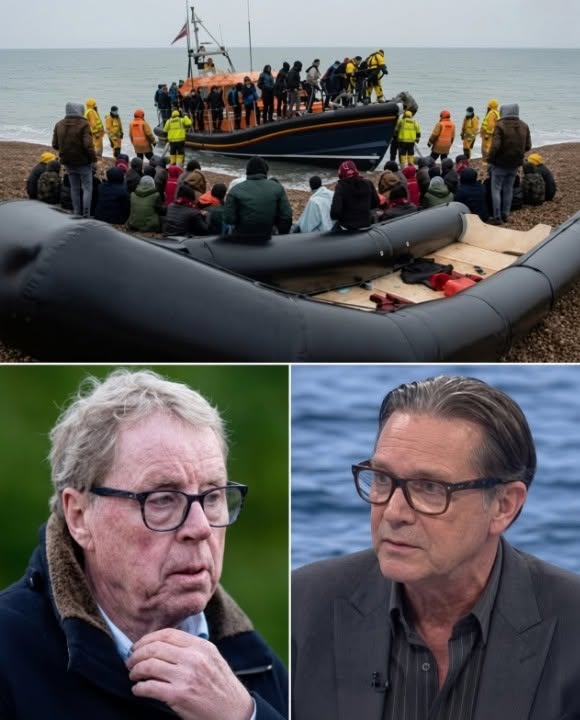
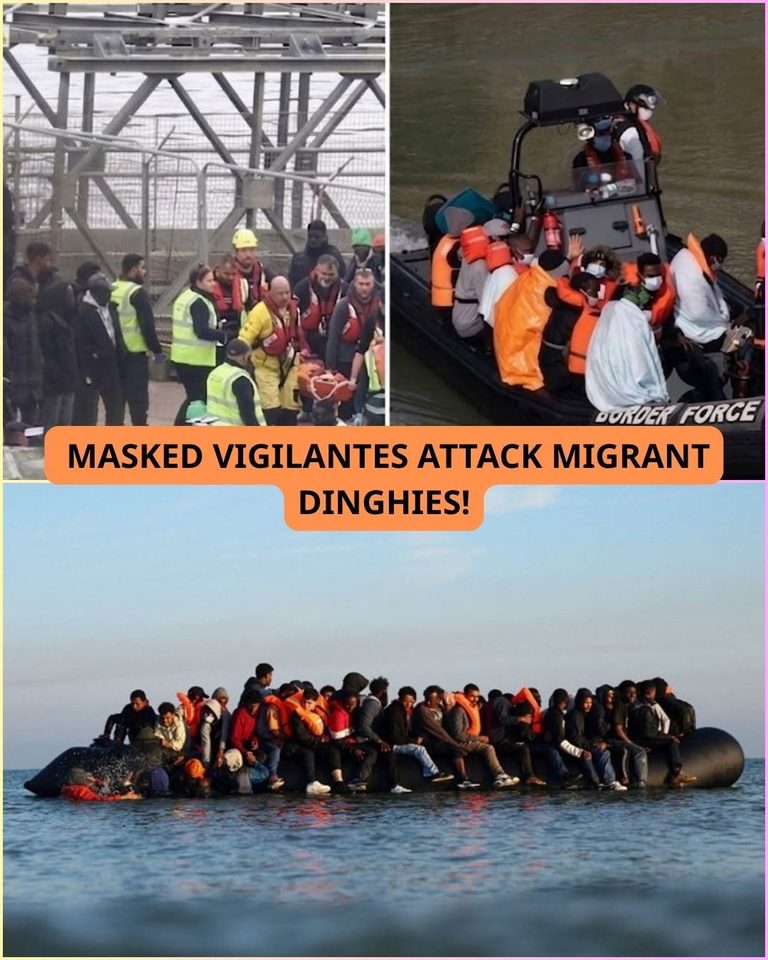
In addition to domestic policy disputes, the issue of immigration remains a highly volatile element of the current political atmosphere. Recent reports concerning the exploitation of the asylum system by organized coaching networks have cast a shadow over the government’s ability to manage border security effectively. Allegations of “industrial scale” exploitation of the immigration system have fueled demands for more stringent enforcement.
The timing of these revelations, coinciding with election day, has exacerbated the pressure on the Labour leadership to provide more than just “platitudes.” Voters are increasingly concerned about fake asylum guidance and the integrity of the British citizenship process. The recent arrests of individuals posing as immigration officers have highlighted the gaps in current enforcement strategies and the need for reform.
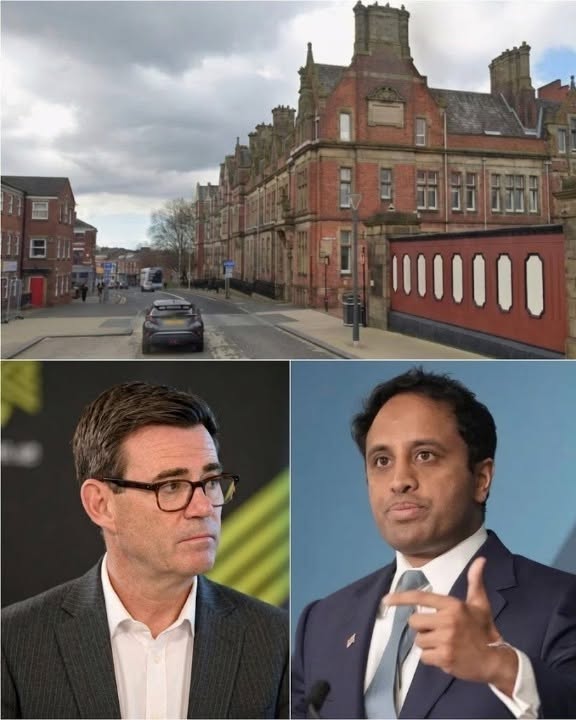
The rhetoric employed by political figures in London, including the Mayor’s office, has also come under fire for being out of touch with financial realities. Critics point to the fiscal challenges facing major metropolitan areas, suggesting that “socialist ideas” are often proposed without clear funding mechanisms. This has led to concerns that ambitious public spending will inevitably lead to increased taxation.
There is a growing fear that such policies will potentially drive away investment or further burden those who are already struggling. The controversy surrounding Starmer’s leadership is often framed by his critics as a pattern of “conflicting ideas” and shifting stances over time. In the fast-paced digital era, the ability of the public to archive statements has led to a crisis of authenticity.
This has empowered opposition groups to capitalize on what they describe as a “track record” of inconsistency, urging the electorate to look beyond campaign videos. As the election results begin to materialize, the central question remains whether the traditional voting system can withstand this period of intense fragmentation. The emergence of local governance models suggests a growing desire for a fundamental shift.

These local models prioritize bottom-up democracy over centralized party control, reflecting a deep-seated frustration with the status quo in Westminster. While the Labour Party continues to advocate for its vision of a unified Britain, the diverse and often contradictory reactions from the electorate indicate a difficult path. The political landscape is shifting beneath the feet of the established political class.
Observers note that the “smarter” voter is now looking for specific results rather than broad ideological promises. The tension between the “working people” narrative and the reality of zero-hours contracts continues to be a point of friction. Labour’s focus on workers’ rights is being tested by critics who point to the financial instability of the current economic model.
Furthermore, the influence of digital media and independent commentators has bypassed traditional journalistic gatekeepers, allowing for a more raw form of political expression. This has created an environment where “election day messages” can backfire almost instantly as they are dissected by an online audience. The speed of this feedback loop has caught many political strategists off guard during this cycle.
In London, the push to “Keep it Labour” is being met with a counter-narrative that describes the current state of the city as problematic. Activists on the ground are working tirelessly to secure votes, yet the atmosphere remains tense and unpredictable. The city’s diversity, once seen as a source of strength for Labour, is now a complex battleground of competing interests.
The role of minor parties in this election cannot be understated, as they act as a “spoiler” or a “sanctuary” for disgruntled voters. Whether it is the Greens blocking new homes or Reform UK demanding immediate removal of illegal migrants, these parties are defining the edges of the debate. This forces the major parties to react, often leading to even more contradictory messaging.
The economic reality of “having no money” is a recurring theme that haunts the promises of all political actors involved. As the Mayor of New York reportedly stated, the cost of social programs must be borne by someone, usually through higher taxes. This global trend of fiscal constraint is making it increasingly difficult for politicians to offer the “whoopdedoo” solutions voters desire.
The phrase “Bobby on the beat” has become a symbol of a bygone era that many wish to restore. It represents a longing for a more tangible sense of order and community connection that many feel has been lost. Labour’s attempt to reclaim this imagery is seen by some as an admission of previous failures in local policing.
As counting approaches, the atmosphere is being described by political observers as far more volatile than many inside Westminster expected only weeks ago. The “unthinkable” is no longer just a headline but a potential reality as the results trickled in. This volatility is a symptom of a deeper malaise within the British body politic that transcends any single election.
The skepticism directed at Starmer is not just personal but institutional, reflecting a decline in trust toward the entire political establishment. Voters are increasingly wary of “trope” after “trope” being reeled out every four or five years. They are looking for a “sensible thing” to do, but finding it difficult to define what that actually means today.
The debate over immigration enforcement failures is particularly damaging to the “safer communities” message of the Labour campaign. When the public sees reports of fraud and conspiracy within the asylum system, it undermines the credibility of broader security pledges. This creates a vacuum that populist movements are more than happy to fill with their own narratives.
The contrast between the “amazing diverse city” and the “disaster” described by critics highlights the polarized nature of modern urban politics. There is no longer a shared reality between different segments of the population, making consensus building nearly impossible. This polarization is the greatest challenge facing any leader who hopes to govern the nation effectively.
The call to “vote Labor and keep backing your family” is a powerful emotional appeal that attempts to simplify complex issues. However, when the “track record” of the individual making the appeal is questioned, the emotional connection begins to fray. The electorate is becoming more forensic in their analysis of political figures and their past actions.
The influence of international events and “the situation abroad” also plays a role in shaping voter sentiment at home. Even as Labour promises to focus on domestic issues, the interconnectedness of the global economy means that energy bills are rarely under local control. This reality makes many of the campaign promises seem hollow or overly optimistic to the informed voter.
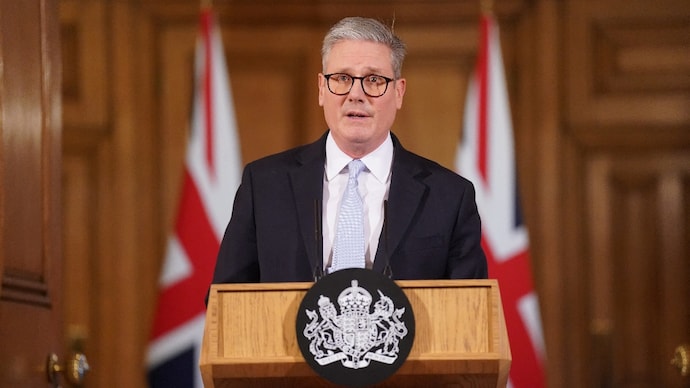
Ultimately, the events surrounding this election day serve as a poignant reminder of the fragile relationship between political authority and public expectation. The “unthinkable” challenges facing the Labour Party are a reflection of a deeply divided nation seeking genuine solutions. Whether the current leadership can bridge this divide or if the landscape will continue to fracture remains a matter of debate.
The issues of immigration, NHS waiting lists, and the cost of living will not disappear once the ballots are counted. They are systemic problems that require more than just election-year focus and carefully scripted campaign messages. The public’s demand for “local democracy from the bottom upwards” is a clear signal that the old ways of governing are being challenged.
As we move into the post-election period, the focus will shift from winning votes to the actual business of governance. The promises made during the heat of the campaign will be held up to the light of fiscal and social reality. Only then will we know if the “unthinkable” was a moment of transformation or just another chapter in a long history of political friction.