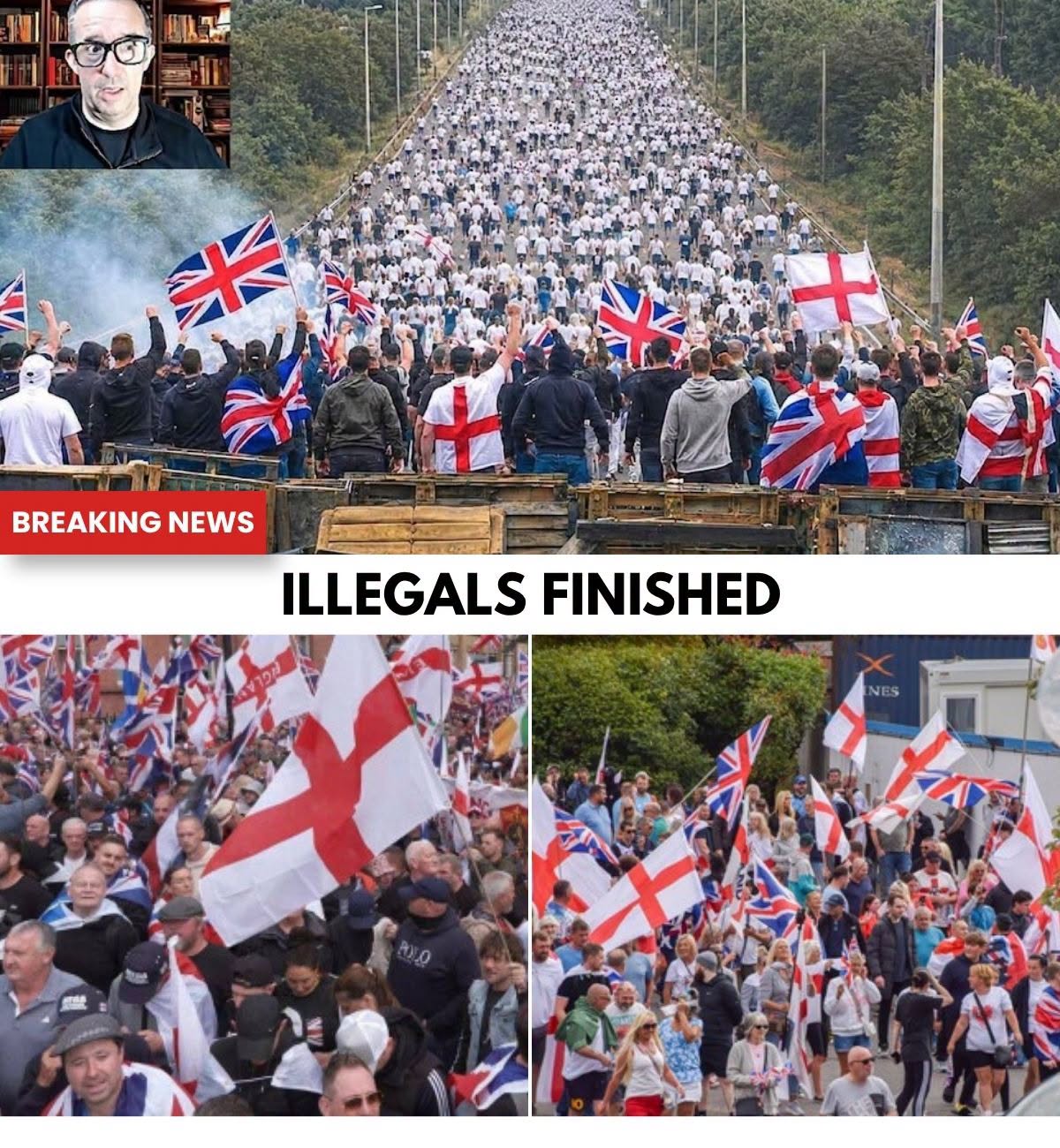
Unrest, Misinformation, and Rising Tensions Across Belfast and Beyond
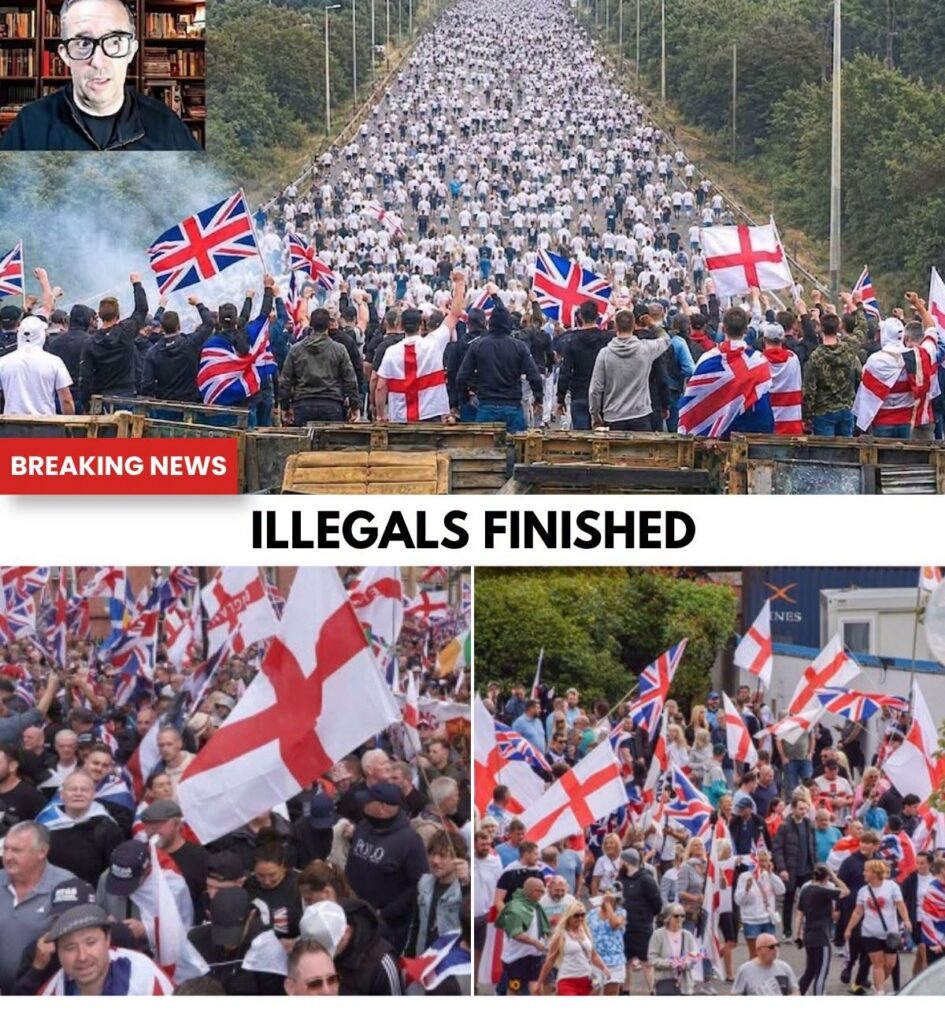
In recent days, social media platforms have been flooded with claims and footage relating to unrest in Northern Ireland and other parts of the UK, particularly Belfast. Some posts circulating online allege large-scale displacement of migrant families and coordinated intimidation campaigns, though many of these claims remain unverified or lack official confirmation.
Reports and videos shared under these narratives often show families packing belongings or moving from temporary accommodation. However, the context behind these movements is frequently unclear, and different sources provide conflicting interpretations of what is actually taking place.
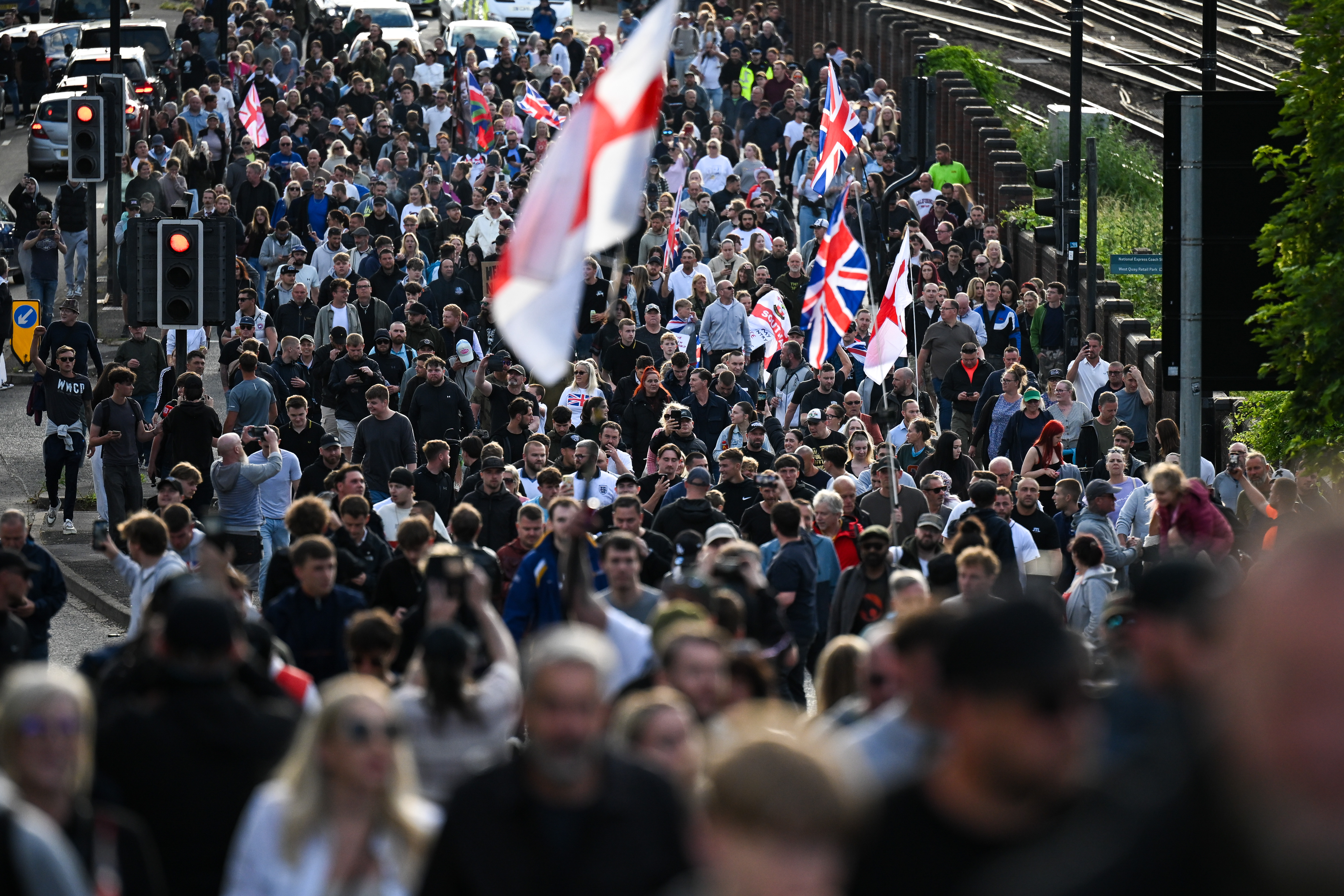
In parallel, there have been widespread claims of night-time confrontations and community-led actions in certain neighbourhoods. These claims describe people going door-to-door challenging residents, but again, independent verification of these specific allegations is limited, and authorities have not publicly confirmed such systematic activity.
What is clear, however, is that tensions in several areas have escalated significantly, with protests, counter-protests, and sporadic violence contributing to a highly unstable environment in parts of Belfast.
Local law enforcement agencies have increased their presence in affected areas, often establishing cordons and attempting to prevent direct clashes between opposing groups. Police statements generally emphasise the need to maintain order and protect all communities involved.
Footage emerging from some districts shows damaged property, burned-out vehicles, and heavy police deployment. These images have circulated widely online and have contributed to a growing sense of alarm among viewers both locally and internationally.
At the same time, analysts caution that viral clips rarely show the full context of events, and isolated scenes can create a distorted impression when viewed without verified background information.
Social media commentary around these events has been highly polarised, with different groups interpreting the same footage in radically different ways. Some frame it as community self-defence, while others describe it as unlawful violence and intimidation.
One of the central challenges in understanding these developments is the speed at which information spreads online, often faster than official investigations or verified reporting can confirm facts.
As a result, narratives can form rapidly, sometimes blending confirmed incidents with speculation, hearsay, or politically motivated interpretation.
In Northern Ireland specifically, authorities have confirmed that they are investigating incidents of violence and disorder, but detailed official accounts remain limited while investigations are ongoing.
Meanwhile, political figures and commentators across the UK have weighed in, with some warning that continued unrest could escalate if underlying tensions are not addressed through formal channels and policy responses.
In one widely circulated development, media reports highlighted a serious criminal case involving an attempted murder charge in Belfast. The case has drawn attention due to the background of the accused, though officials have stressed that legal proceedings are ongoing and individuals remain innocent until proven guilty.
The emergence of such cases has intensified public debate around immigration systems, vetting processes, and cross-border movement within Europe, particularly in relation to individuals with prior professional or institutional backgrounds.
However, experts also caution against generalising from individual cases, noting that isolated incidents do not necessarily reflect broader population trends or policy outcomes.
Alongside security concerns, there has been growing political debate about government readiness and resource allocation for policing, defence, and public safety infrastructure.
Recent political developments, including resignations and criticisms from within government ranks, have added further pressure to ongoing discussions about national security and institutional capacity.
Some officials argue that current funding levels are insufficient to address the scale of emerging challenges, while others maintain that existing frameworks remain capable of managing risks if properly coordinated.
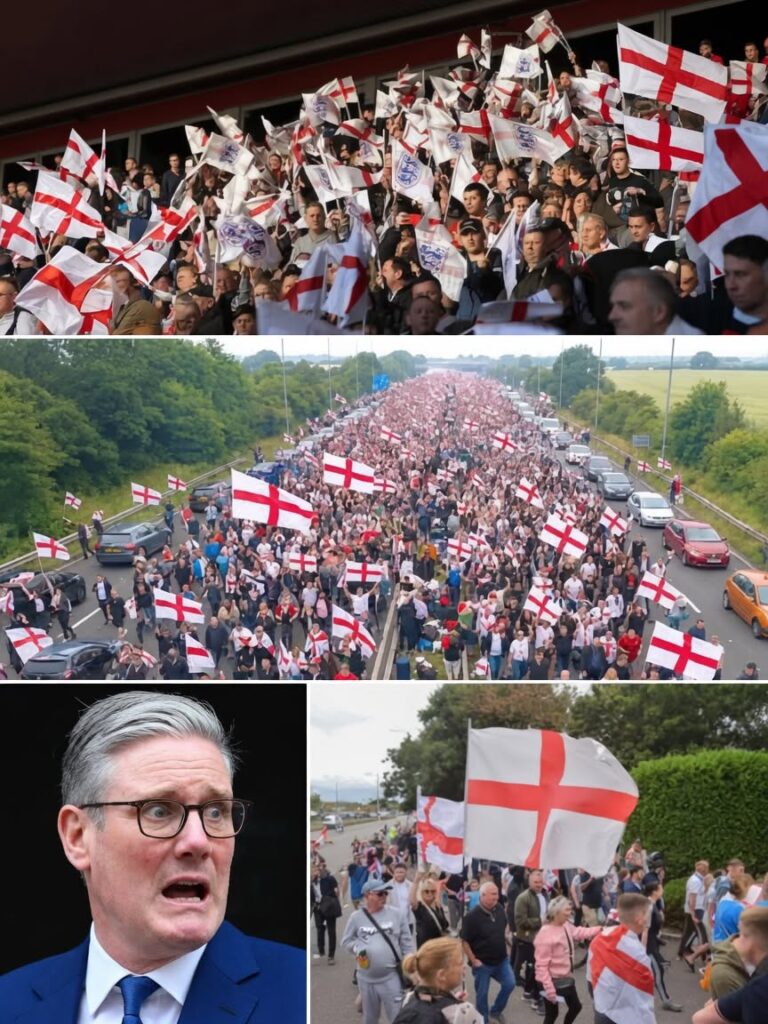
On the streets, however, the visible reality is one of heightened police presence, disrupted communities, and ongoing demonstrations in multiple locations.
In cities such as Belfast, Southampton, Liverpool, and Brighton, various forms of protest activity have been reported, each with its own local context but often connected through broader national debates.
These events have also highlighted the strain on policing resources, particularly when multiple demonstrations occur simultaneously or when counter-protests escalate tensions unexpectedly.
Public frustration is increasingly visible in online discourse, where individuals express concerns about safety, governance, and the effectiveness of political representation.
At the same time, counter-narratives strongly emphasise the importance of multicultural coexistence, rule of law, and rejection of collective blame or generalisation.
This ideological divide has become one of the defining features of the current climate, shaping not only public debate but also how events are interpreted and shared across media platforms.

As the situation continues to evolve, much depends on how authorities, communities, and political leaders respond in the coming days.
Whether tensions de-escalate or expand further will likely depend on a combination of policing strategy, public communication, and broader political decisions at both local and national levels.