THE HOPKINS ULTIMATUM: A NATION DIVIDED OVER SPEECH AND SECURITY
LONDON — A fresh political earthquake has rattled the United Kingdom following an incendiary speech that immediately ignited fierce debates among citizens, politicians, and the media. At the center of the storm is Katie Hopkins, whose provocative statements regarding national security and cultural values have once again deeply divided public opinion.
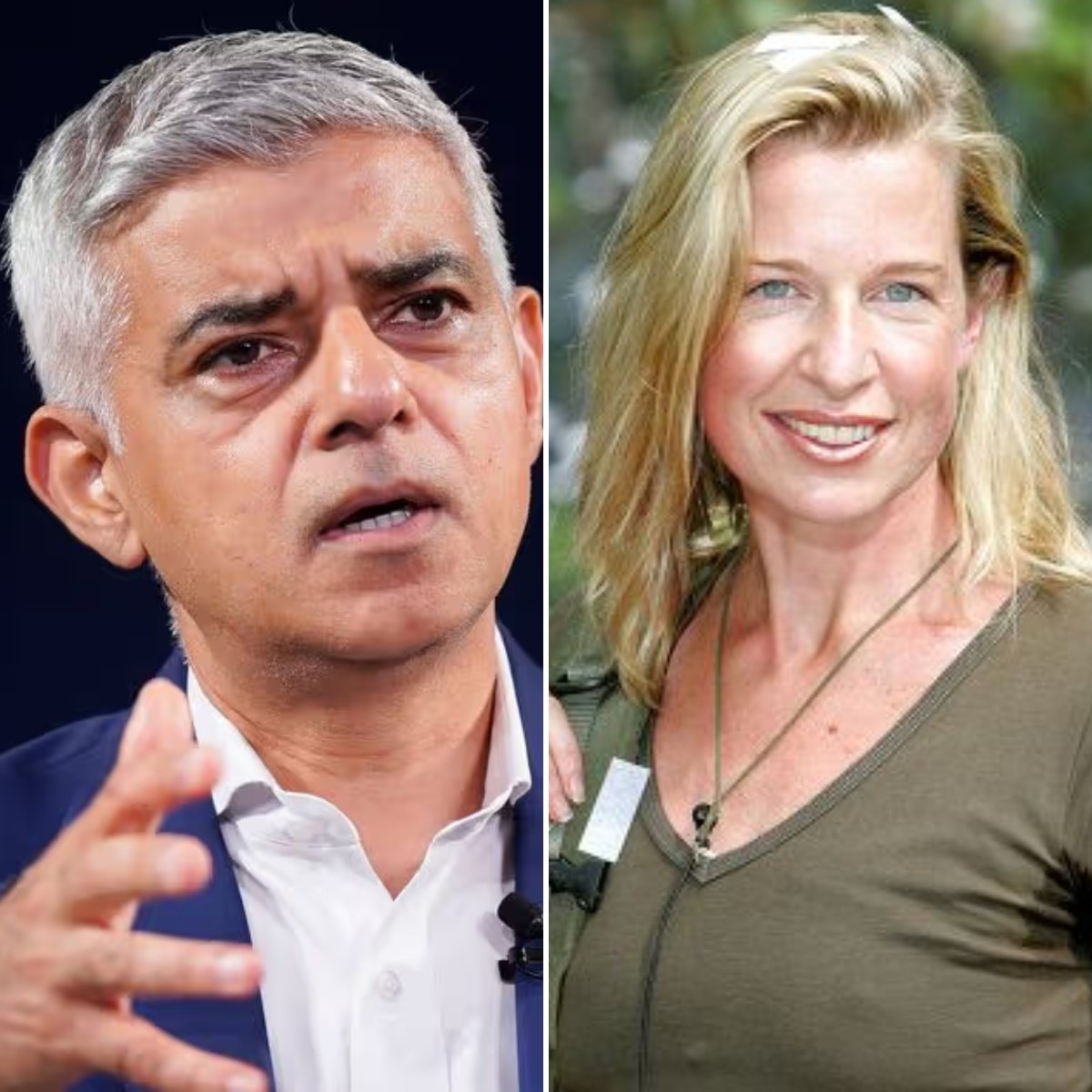
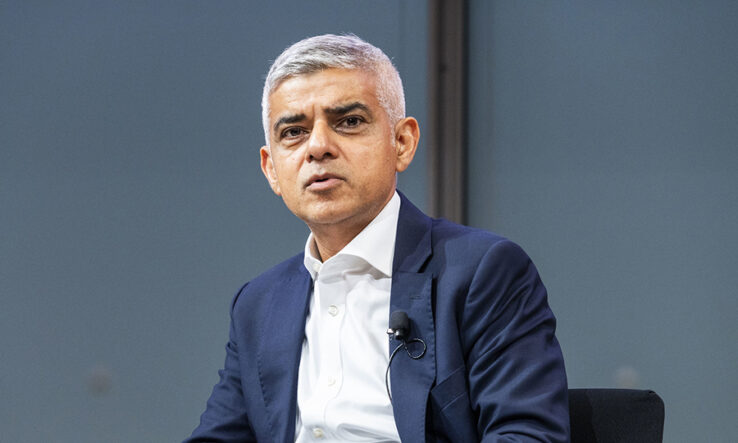
In her latest address, which spread like wildfire across social media platforms, Hopkins shocked viewers by directly targeting London Mayor Sadiq Khan. She asserted that the country would be “safer without radical Islamist influence,” explicitly naming the prominent Labour politician as the starting point for what she deems a necessary national purge.
“This country welcomes people of goodwill,” Hopkins stated during her passionate speech, which has since become a focal point of intense controversy. “But what we receive in return — from some — is contempt for our culture, values, and laws. It is time we started speaking up for the silent majority.”
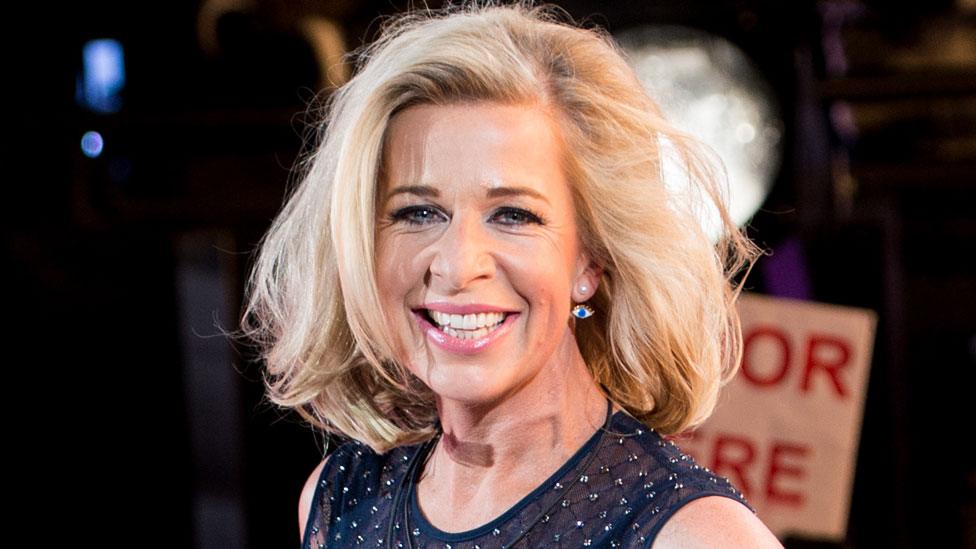
Her remarks, particularly the phrase “Starting with Sadiq Khan,” triggered an immediate and extremely heated backlash nationwide. Critics have slammed the rhetoric as divisive, inflammatory, and dangerous, arguing it incites hatred. Conversely, supporters claim she is finally voicing what millions of people are “too afraid to admit” in public.
This deep social fissure faithfully reflects the current polarization of British politics in 2026. The debate exploded onto digital platforms within moments; X, TikTok, and Facebook were flooded with video clips and emotional reactions. Millions are currently weighing in, making this one of the most viral political stories recently.
Many analysts view this episode as a symbol of the growing tension surrounding national identity and cultural integration. Others, however, believe the controversy is being deliberately amplified by the sensationalist logic of social media algorithms, diverting attention from the real structural and economic problems with which British society struggles.
Sadiq Khan continues to hold a central, often polarizing role in British political discourse. As one of the country’s most high-profile Muslim figures, his name frequently arises in debates over multiculturalism and urban safety. His followers view him as a symbol of inclusion, while his detractors blame him for systemic failures.
This duality makes every polemic involving the Mayor even more intense and media-centric, further deepening the social fault lines between the metropolis and the provinces. Civic and religious organizations have expressed grave concern over the rising hostility, fearing that such rhetoric could lead to real-world violence and instability.
Community leaders are demanding greater accountability in political and media language to avoid further social polarization. They argue that aggressive generalizations only serve to increase mutual distrust among citizens. Experts in political sociology emphasize that integration remains an incredibly complex issue where economics, security, and identity are permanently intertwined.
Reducing these complex societal challenges to mere slogans or mutual accusations prevents the development of realistic, constructive solutions. Meanwhile, tension is palpable within the British Parliament as various parties scramble to position themselves. This strategic maneuvering is making the debate within the legislative chambers increasingly emotional and unpredictable.
Some lawmakers are defending the fundamental right to free speech, even for controversial or offensive opinions. Others insist that rhetoric targeting specific religious or ethnic groups carries a high risk of destroying social peace. The tension between liberty and responsibility has become the absolute focus of national discourse this week.
The British media is following every development with immense scrutiny; television panels and editorials are analyzing the potential fallout of Hopkins’ statement. Some commentators speak openly about a “crisis of multiculturalism,” while others argue the true threat is the radicalization of political language which leaves no room for nuance.
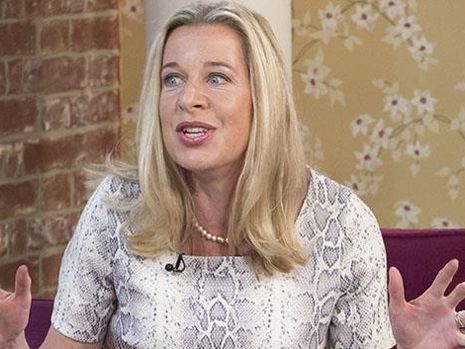
Videos of the confrontation are spreading rapidly beyond the UK’s borders, highlighting the global dimensions of these identity-based conflicts. Many European citizens are watching the events in London with bated breath, as the UK’s struggles often mirror similar social tensions brewing in other major Western democracies today.
Experts warn that increasing polarization could have profound consequences for long-term political stability. When communities interact solely through an emotional or hostile lens, the risk of social fragmentation grows. Consequently, many international observers are calling for a return to a more balanced and respectful tone in public life.
At the same time, millions of citizens are demanding concrete answers regarding national security and the future of integration. This proves that the topic is not a fringe issue but a central concern of contemporary British life. The speed of digital communication ensures every contradiction is magnified instantly.
A single viral sentence can now generate millions of reactions within hours, regardless of its context or factual accuracy. The continuous sharing of provocative headlines often occurs without a nuanced understanding of the situation. This contributes significantly to a climate of anger and further alienates different sections of the public.
Younger generations are also actively participating in these online debates, often viewing the conflict through the lens of digital activism. Some analysts suggest the Hopkins case is a symptom of a broader institutional crisis, fueled by a loss of trust in government and a fear of shifting cultural demographics.
Others believe the current standoff simply reflects the growing pains of a modern democracy undergoing rapid change. Regardless of the interpretation, it is clear that the confrontation over British identity will persist. The coming weeks will likely be decisive in determining how this rhetoric reshapes the political landscape.
Much depends on public temperament and the strategies adopted by the major political parties. Until then, millions remain glued to their screens, following every development in a case that began as a speech but evolved into a symbol of a nation divided against itself over its very future.
The question of political accountability is now sharper than ever, as words carry immense weight in a hyper-connected world. The public expects leaders not only to react to crises but to provide a vision for a cohesive society. Hopkins’ statement has effectively acted as a catalyst for a national soul-searching.
International observers note that the success or failure of the British model of integration is being tested. The effectiveness of social policies and the boundaries of free speech are under a global microscope. The atmosphere is thick with tension, and the solution seems to require unprecedented levels of national dialogue.
British society must now prove whether it can rise above populist rhetoric to find a common path. A total lack of communication only empowers the most radical voices on either side. The political messaging in the next few days will define the foundations of social peace for years to come.
Ultimately, this case highlights how modern technology can serve as a megaphone for social discontent. The role of critical thinking and responsible journalism becomes vital in a world where clickbait headlines dominate the narrative. British democracy is currently facing one of its most significant cultural trials in decades.
Historically, the United Kingdom has weathered many internal storms and existential challenges. The question remains whether the current political class is equipped to bridge these widening gaps. Hopkins’ explosive remarks might serve as a final wake-up call for an institutional system that many feel has become complacent.
The future of the UK depends on how it addresses the grievances currently boiling over onto the streets and screens. Integration must be a mutual effort that requires understanding and compromise from all parts of society. Amidst the shouting, the shared goals of safety and prosperity must remain the ultimate priority.
The debate continues to rage, and the stakes involve the very integrity of the British social contract. Hopkins’ voice, while singular, has resonated with enough force to shift the national conversation. In the halls of power, lawmakers are desperately seeking ways to lower the temperature while addressing the underlying issues.
As the situation develops, data from upcoming opinion polls may provide a clearer picture of where the majority of the public stands. These insights could help leaders move beyond the loudest voices toward a more representative consensus. Genuine change will require more than just rhetoric; it requires a renewed sense of belonging.
In summary, the storm surrounding Katie Hopkins illuminates the profound fractures within modern British life. International interest and internal pressures are converging to shape the nation’s destiny during this critical period. While definitive answers remain elusive, the questions raised are now impossible for the establishment to ignore.
Is this the peak of a cultural crisis or the beginning of a national redefinition? This remains the prevailing question as the country moves forward. Hopkins’ words have traveled far, and their echo will likely persist, reminding everyone of the heavy responsibility inherent in the words we choose to use.
The United Kingdom stands at a crossroads, balancing its traditions with the realities of a globalized world. The resolution of this specific controversy will signal much about the country’s direction. For now, the eyes of the world remain fixed on London, awaiting the next chapter in this unfolding drama.