WELCOME OR WARNING? THE HIGH STAKES OF STUDENT VISAS IN AN AGE OF UNREST
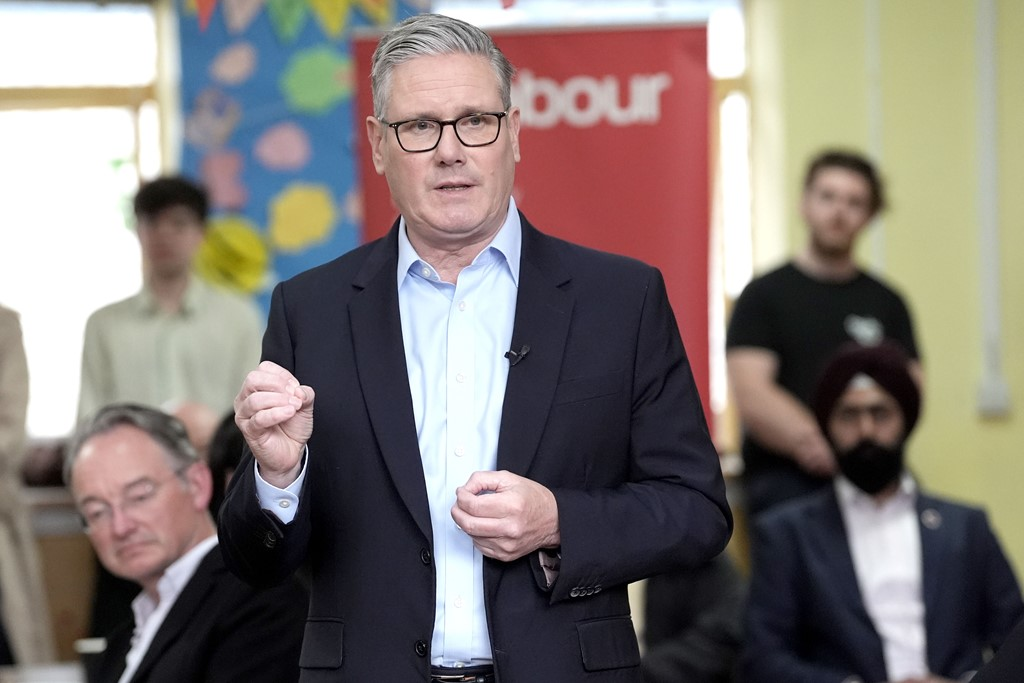
WASHINGTON — In a forceful address that quickly spread across digital platforms, Senator Marco Rubio delivered a message that has reignited a fierce national debate. He centered his argument on the boundaries of privilege, responsibility, and free expression for those visiting the United States on foreign visas.
Speaking against the backdrop of rising campus unrest, Rubio framed his argument with clarity and urgency. He emphasized that entry into the United States is not an inherent right, but a conditional opportunity. His remarks were directed primarily at international students and visitors studying under F-1 student visa programs.

Rubio argued that these individuals must adhere strictly to the laws and expectations of their host country. “The purpose of a student visa is education,” Rubio stated, drawing a sharp distinction between academic pursuit and political disruption. He warned that crossing that line carries very heavy and immediate legal risks.
He specifically warned that individuals who engage in vandalism, unlawful protests, or acts that undermine institutional order risk the revocation of their legal status. The speech comes at a moment when universities across the country have become flashpoints for intense demonstrations, some escalating into illegal building occupations.
While many of these protests are framed by organizers as protected exercises of free speech, Rubio suggested otherwise. He argued that certain actions go beyond expression and enter the realm of illegality. To illustrate his point, the senator employed a domestic metaphor that has since resonated widely across social media.
He likened the United States to a private home, where guests are welcomed under the expectation of respect. “If you invite someone into your home and they begin damaging your property, you would not hesitate to ask them to leave,” he said. This simple, pointed analogy has sparked intense reactions.
Supporters argue that the metaphor underscores a basic principle of national sovereignty. They believe nations, like households, have the authority to set conditions for those they admit. Critics, however, caution that such comparisons risk oversimplifying complex questions about constitutional rights, dissent, and the role of diverse international voices.
Beyond enforcement, Rubio raised concerns about what he described as dangerous gaps in the current visa screening process. He called for stricter “filters” to ensure that individuals entering the country do so with intentions aligned with their visa terms. This includes more thorough assessments of an applicant’s background.
The senator argued for deeper reviews of financial stability and potential affiliations with extremist or violent ideologies. The proposal reflects a broader shift toward more stringent immigration controls. It responds to growing concerns about national security and social cohesion in an increasingly polarized and volatile domestic political environment.
Yet, these proposals also raise difficult questions about implementation. Critics wonder how such measures can be enacted without infringing on personal freedoms or fostering discrimination. Rubio’s comments are not emerging in isolation, as governments in the United Kingdom and Europe are currently grappling with very similar societal tensions.
International governments are seeking to balance openness to global talent with the absolute need to maintain public order. Universities, long considered bastions of free thought and debate, are increasingly at the center of these discussions. The presence of international students undoubtedly enriches academic and cultural life significantly.
These students bring diverse perspectives essential to intellectual growth and global innovation. However, for others, recent incidents have highlighted the challenges of managing activism that crosses legal boundaries. The debate ultimately reflects a deeper question about the nature of democracy and the limits of state-sanctioned tolerance.
Societies must decide how to reconcile the right to protest with the obligation to uphold the law. Where is the line between dissent and disruption, and who gets to decide when that line has been crossed? Rubio’s answer to these questions is unequivocal and carries a strong warning.
The privilege of studying in the United States, he argues, comes with responsibilities that cannot be ignored. Failure to meet those responsibilities should carry consequences, not only for the individuals involved but as a clear signal to others. He framed his position as a necessary effort to protect.
In his closing remarks, the senator spoke of preserving safety, stability, and cultural continuity for coming generations. For his supporters, this message resonates as a necessary reaffirmation of order in uncertain times. They see it as a common-sense approach to maintaining the integrity of the American educational system.
For his critics, the speech raises concerns about the potential erosion of openness. They fear a narrowing of the space for dissent and a chilling effect on international exchange. What is clear, however, is that the conversation sparked by Rubio’s speech is far from over in Washington.
As universities, governments, and communities continue to navigate these challenges, the balance remains a defining issue. The tension between a warm welcome and a stern warning defines the current moment. Policy makers are now forced to consider the long-term implications of these proposed visa enforcement strategies.
The legal community is also weighing in, noting that visa holders do have certain due process rights. However, the executive branch maintains broad authority over immigration and national security matters. This creates a complex legal landscape for any student participating in campus activism that turns into a physical confrontation.
University administrators find themselves in an impossible position, caught between protecting free speech and ensuring campus safety. Many have called for clearer guidelines from the federal government regarding the status of international students involved in protests. Rubio’s speech provides one potential, albeit controversial, path forward for federal policy.
The economic impact of international students is also a factor in the broader discussion. These students contribute billions of dollars to the American economy and fill vital roles in research and development. Any policy that significantly reduces their numbers could have long-standing consequences for American global competitiveness.
Despite these economic concerns, Rubio and his allies maintain that security and the rule of law must come first. They argue that the integrity of the visa system is more important than short-term financial gains. This ideological divide reflects the larger struggle for the soul of American immigration policy.
The digital spread of Rubio’s message ensures it will remain a talking point for the foreseeable future. On platforms like X and TikTok, clips of the “private home” analogy have garnered millions of views. It has become a shorthand for the debate over what guests owe their hosts.
International student groups have expressed anxiety following the speech, fearing they may be unfairly targeted. They emphasize that the vast majority of foreign students are in the U.S. solely for their degrees. They worry that the actions of a few could tarnish the reputation of the many.
State department officials have yet to announce any formal changes to visa processing in light of the speech. However, the political pressure to act is mounting as the election cycle nears. Immigration remains a top-tier issue for voters across the political spectrum, and Rubio knows this well.
The senator’s focus on “extremist ideologies” suggests a move toward more ideological screening in the future. This would represent a significant departure from past practices and could lead to diplomatic friction with other nations. It highlights the growing intersection of foreign policy and domestic campus life in America.
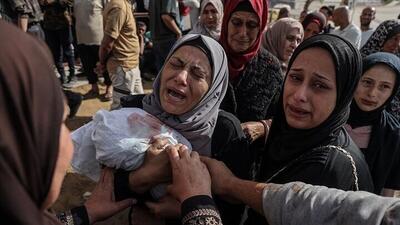
As campus tensions simmer, the role of law enforcement has also come under scrutiny. In several cities, police have been called in to clear encampments, leading to arrests of both citizens and non-citizens. The legal status of those arrested will now be a major point of contention.
Rubio’s message serves as a reminder that the world is watching how America handles its internal disagreements. The image of the United States as a global leader in education and free thought is being tested. How the government responds to this test will shape its international standing.
For now, the status quo remains, but the rhetoric is clearly shifting toward a more restrictive and punitive stance. The “habibi” tag on the news report suggests the message was intended to reach a specific audience. It signals that the era of unconditional welcome may be coming to an end.
In the end, the debate is about more than just visas; it is about the values of a nation. Whether the U.S. remains a “shining city on a hill” or becomes a “private home” with locked doors is the question. The answer will define the American experience for decades to come.
As the dust settles on this latest address, the fundamental questions remain unanswered. The balance between freedom and order is always delicate, and never more so than now. Rubio has made his position clear; now, the rest of the country must decide if they agree.