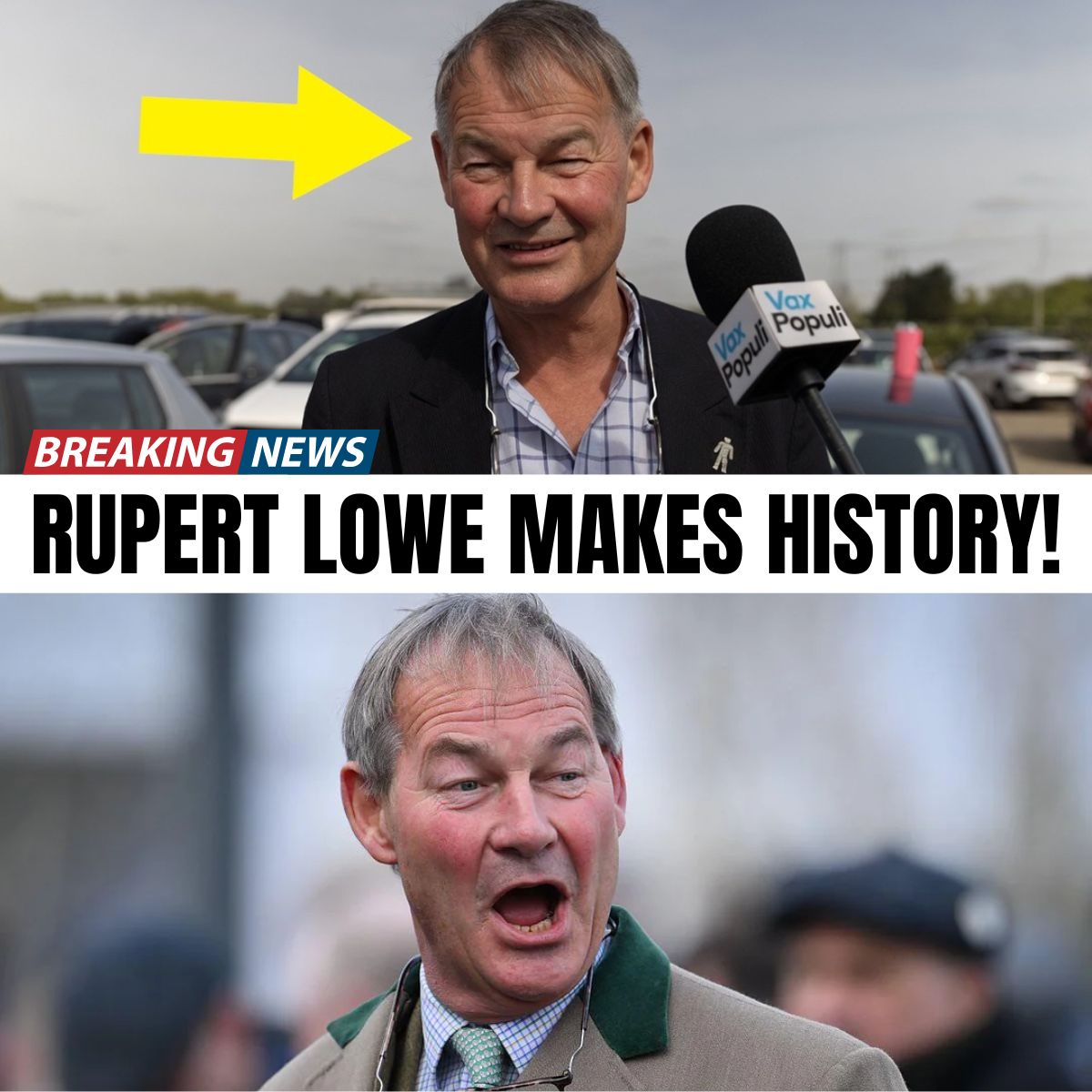
RUPERT LOWE JUST DELIVERED A POLITICAL SHOCK THAT NOBODY THOUGHT WAS POSSIBLE.
The Great Yarmouth Shock: Rupert Lowe’s Local Sweep Sends Tremors Through Britain’s Political Right
For most of the evening, Britain’s local election coverage followed a familiar script. Analysts focused on Labour’s setbacks, Reform UK’s gains, and growing pressure on Prime Minister Keir Starmer to recalibrate his political strategy after disappointing performances across several councils. Yet in the coastal constituency of Great Yarmouth, another story was quietly developing.
What began as a local contest rapidly evolved into one of the most discussed political surprises of the election cycle. Supporters of Rupert Lowe claimed that his local political vehicle, Great Yarmouth First, had secured all ten seats it contested in the area — a result that immediately intensified debate about the future direction of Britain’s populist right.
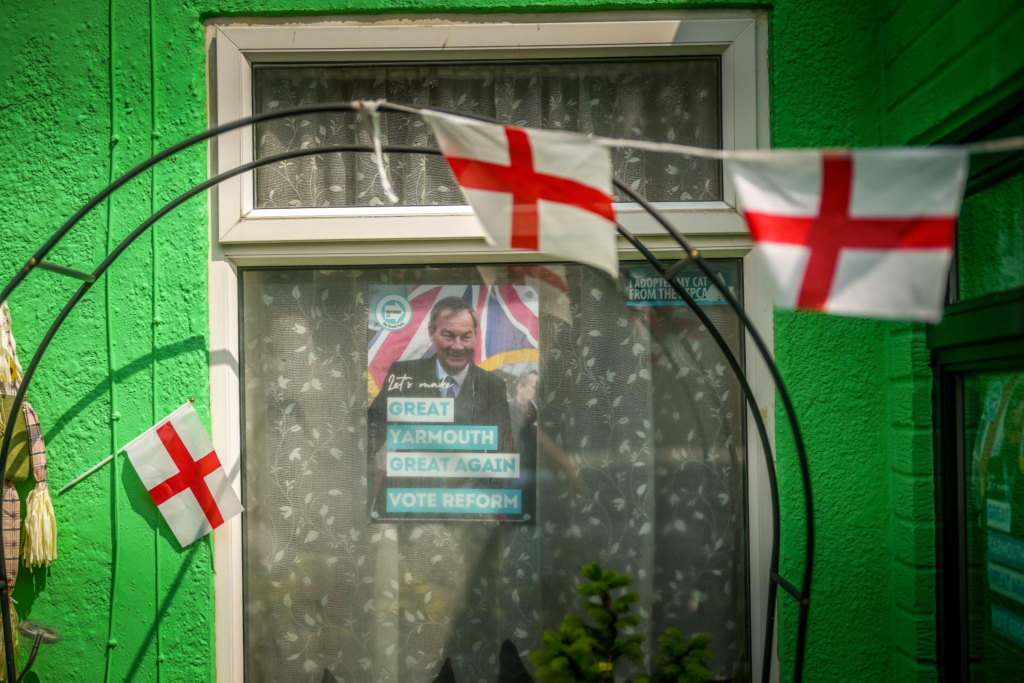
The result carried significance far beyond the boundaries of Norfolk politics. Only weeks earlier, critics had dismissed Lowe’s fledgling operation as politically marginal, arguing that it lacked the infrastructure, recognition, and organizational discipline required to compete meaningfully against larger national parties.
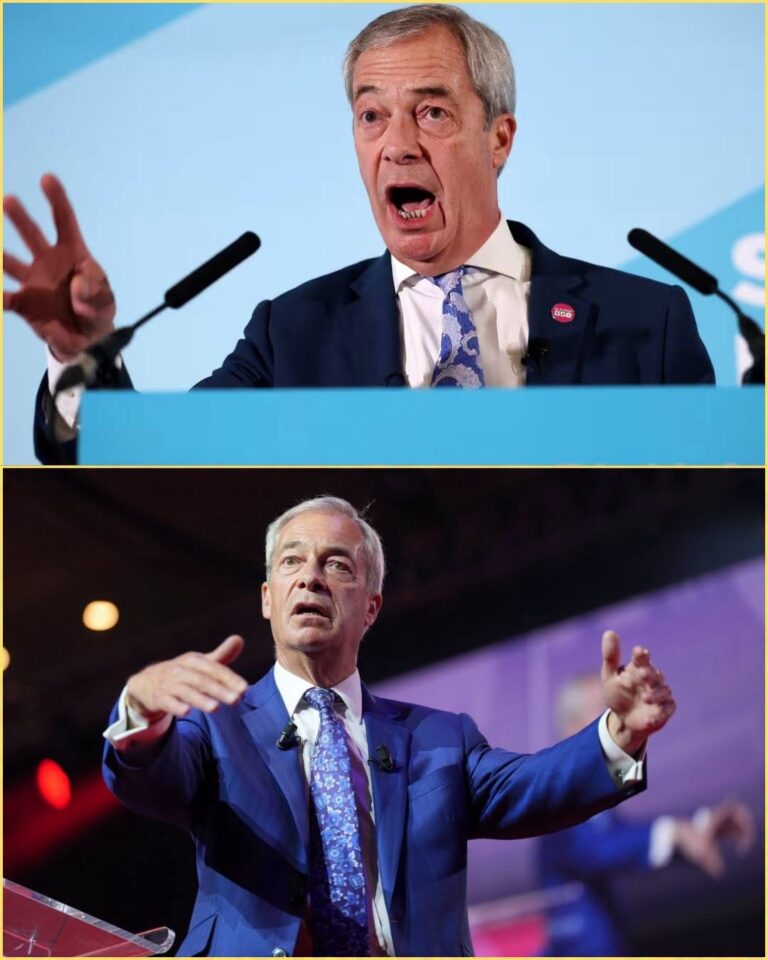
One particularly notable comment came from Nigel Farage, who reportedly suggested that Lowe’s movement would struggle to register even minimal support outside isolated pockets of Great Yarmouth. That assessment is now being revisited after the unexpectedly decisive outcome reported by Lowe’s supporters.
The local campaign itself was unusual in both tone and structure. Rather than emphasizing traditional party branding, Great Yarmouth First presented itself as a highly localized movement focused on civic frustration, identity, public services, and dissatisfaction with Westminster politics. According to campaign messaging, the strategy was designed to prioritize local concerns over national ideological battles.
That approach appears to have resonated with a section of voters increasingly skeptical of established political institutions. In many coastal constituencies across Britain, economic stagnation, declining public infrastructure, and pressure on local services have created fertile conditions for anti-establishment politics to gain traction over recent years.
Great Yarmouth has long represented one of those politically volatile communities. Once associated primarily with Conservative dominance, the constituency has increasingly become a battleground for insurgent political movements promising institutional disruption rather than incremental reform. Lowe himself won the parliamentary seat in 2024 under the Reform UK banner.

His subsequent split from Reform UK fundamentally altered the landscape on the British right. After internal disputes and suspension from the party whip, Lowe began constructing an alternative political platform under the banner of Restore Britain, combining local activism with national messaging centered on immigration, sovereignty, and cultural identity.
The Great Yarmouth First campaign functioned as an extension of that broader political project. Because Restore Britain had only recently formalized its organizational structure, Lowe opted to contest the local elections through the constituency-based Great Yarmouth First label instead of deploying a national slate immediately.
Observers noted that the campaign relied heavily on direct voter engagement and social media distribution rather than conventional party machinery. Videos, speeches, and short-form clips circulated extensively online, allowing the movement to cultivate visibility despite receiving relatively limited attention from mainstream broadcasters.
Supporters framed the election outcome as evidence that grassroots populist campaigns can outperform expectations when detached from traditional Westminster structures. Critics, however, argued that the result reflected highly localized dynamics rather than proof of a sustainable national breakthrough.
Even among sympathetic commentators, there remains uncertainty regarding how transferable the Great Yarmouth model may be elsewhere. Winning ten localized seats in a concentrated geographic area differs significantly from constructing a nationwide electoral coalition capable of competing across hundreds of constituencies simultaneously.

Still, the symbolic importance of the victory was difficult to ignore. The clean sweep immediately generated intense discussion online, particularly among right-leaning political communities frustrated with what they perceive as institutional caution within Reform UK itself.
For Reform UK, the optics were especially uncomfortable. The broader local elections already demonstrated substantial gains for populist and anti-establishment movements nationwide, with Reform emerging as a major force across several councils. Yet Great Yarmouth highlighted fragmentation within that same political space.
The tension between Lowe and Farage increasingly appears ideological as much as personal. While both figures advocate stricter immigration policies and stronger national sovereignty, Lowe’s rhetoric has often been more confrontational and uncompromising than that of Reform’s central leadership.
That distinction matters because many voters on Britain’s populist right no longer view anti-establishment politics as a fringe protest movement. Instead, they increasingly see it as a permanent structural feature of the political system — one capable of reshaping parliamentary competition for years to come.

The election also underscored the growing importance of digital political ecosystems. Much of the momentum surrounding Lowe’s campaign developed not through television appearances or newspaper endorsements, but through online circulation among politically engaged communities across platforms such as X and Reddit.
There, supporters described the Great Yarmouth result as proof that anti-establishment parties can bypass legacy media entirely if they establish direct emotional connections with disillusioned voters. Critics, meanwhile, warned that digitally amplified populism risks deepening political polarization and eroding public trust in democratic institutions.
The debate reflects a broader transformation occurring across Western democracies. Traditional party loyalty has weakened considerably, particularly in economically strained regions where voters increasingly prioritize authenticity, cultural identity, and perceived institutional accountability over conventional party affiliations.
For Labour strategists already confronting difficult local election results, the rise of movements like Great Yarmouth First introduces another layer of political complexity. While much attention has focused on competition between Labour and Reform UK, Lowe’s emergence suggests that the populist right itself may become increasingly fragmented and unpredictable.
That fragmentation could carry significant consequences in future general elections. A divided anti-establishment vote may weaken broader right-wing coordination in some constituencies, while simultaneously intensifying pressure on mainstream parties attempting to retain disillusioned working-class voters.
At the same time, supporters of Lowe argue that fragmentation is precisely the point. In their view, established parties — including Reform UK — have become overly cautious and institutionalized, failing to confront issues such as immigration and national identity with sufficient urgency.
Lowe’s critics strongly reject that framing. Some political opponents characterize Restore Britain and its affiliated campaigns as vehicles for hardline nationalist rhetoric that risk inflaming social tensions rather than resolving structural problems.

The controversy surrounding the movement has therefore become inseparable from broader debates about modern British identity. Questions surrounding migration, integration, sovereignty, and public trust now sit at the center of nearly every major electoral conversation unfolding across the country.
Within Great Yarmouth itself, however, many voters appear to have interpreted the campaign less as ideological revolution and more as local protest against perceived institutional neglect. Coastal towns across eastern England have frequently expressed frustration regarding economic decline and limited investment from successive governments.
That frustration has created openings for political figures capable of presenting themselves as outsiders challenging a distant political establishment. Lowe’s background as a businessman and former football executive has contributed to that outsider image, despite his increasing prominence within national politics.
The speed of the movement’s growth has surprised even experienced observers of Britain’s populist landscape. Great Yarmouth First only recently secured official political registration before entering the elections, yet still managed to establish a meaningful local organizational presence within months.
Whether that momentum can survive beyond the current electoral cycle remains uncertain. Political history in Britain is filled with insurgent movements that achieved temporary breakthroughs before collapsing under the pressures of national scrutiny, internal division, or organizational overstretch.
Nevertheless, the symbolism of the Great Yarmouth result continues to resonate. At a moment when trust in traditional political structures appears increasingly fragile, even relatively small electoral shocks can produce disproportionate national attention and psychological impact.
The local elections also demonstrated how quickly political narratives can shift in the digital era. Earlier dismissals of Lowe’s electoral prospects were rapidly replaced online with claims that a broader realignment may already be underway inside Britain’s populist right-wing electorate.

Importantly, official national implications remain unclear. Great Yarmouth represents a unique political environment, and analysts caution against extrapolating localized outcomes into definitive predictions about future parliamentary contests or national voting behavior.
Yet the result has undeniably altered perceptions surrounding Lowe’s political viability. A figure once treated primarily as a dissident former Reform MP is now being discussed as a potentially influential actor within a broader anti-establishment movement reshaping parts of British politics.
For Downing Street, the significance may lie less in the number of council seats themselves and more in what the result reveals about voter volatility. Across Britain, longstanding partisan loyalties continue to weaken as new movements exploit dissatisfaction with institutional politics.
The deeper question now confronting Westminster is whether these insurgent campaigns represent temporary protest vehicles or the early foundations of a more enduring political realignment. Great Yarmouth alone cannot answer that question, but it has undeniably intensified the conversation.
As counting concludes and party leaders reassess the local election landscape, one reality has become increasingly difficult for Britain’s political establishment to dismiss. In an era shaped by digital mobilization, economic anxiety, and institutional mistrust, even small regional movements can suddenly command national attention.
For Rupert Lowe and his supporters, Great Yarmouth may represent the beginning of something larger. For critics, it remains an isolated protest shaped by uniquely local conditions. What neither side can yet fully determine is whether this electoral moment will fade quickly — or become an early signal of a more profound transformation inside British politics.