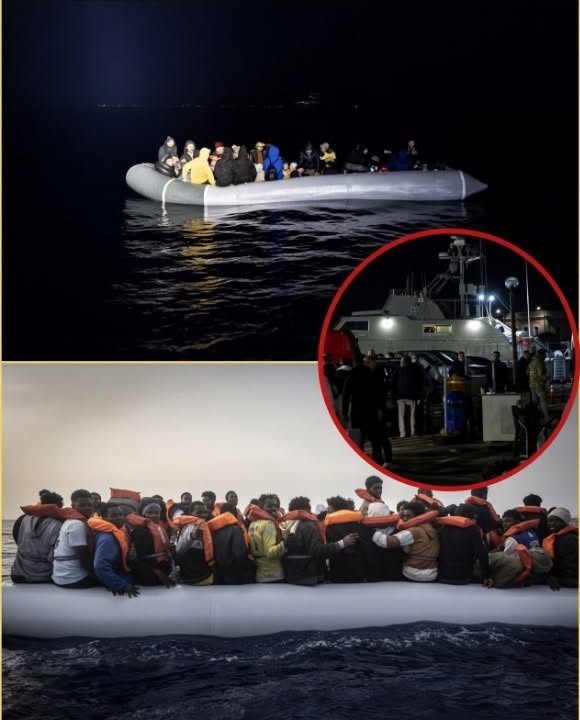
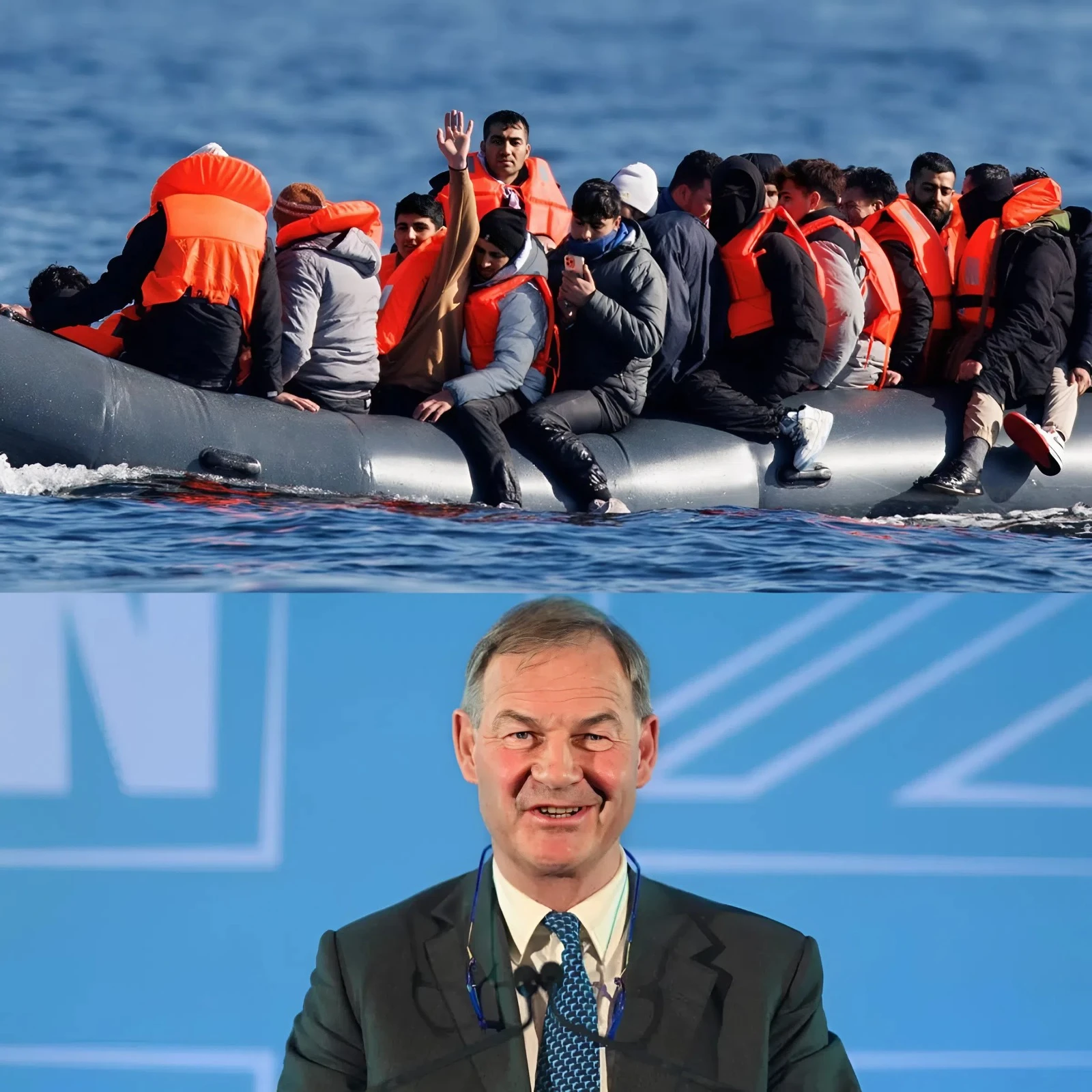
Rupert Lowe dropped a bombshell claim: £10.1 BILLION of Universal Credit money in 2024 allegedly
The British Parliament has erupted into a fiery political clash following new accusations concerning immigration, state welfare, and the use of public funds, triggering a massive national controversy that immediately went viral online.
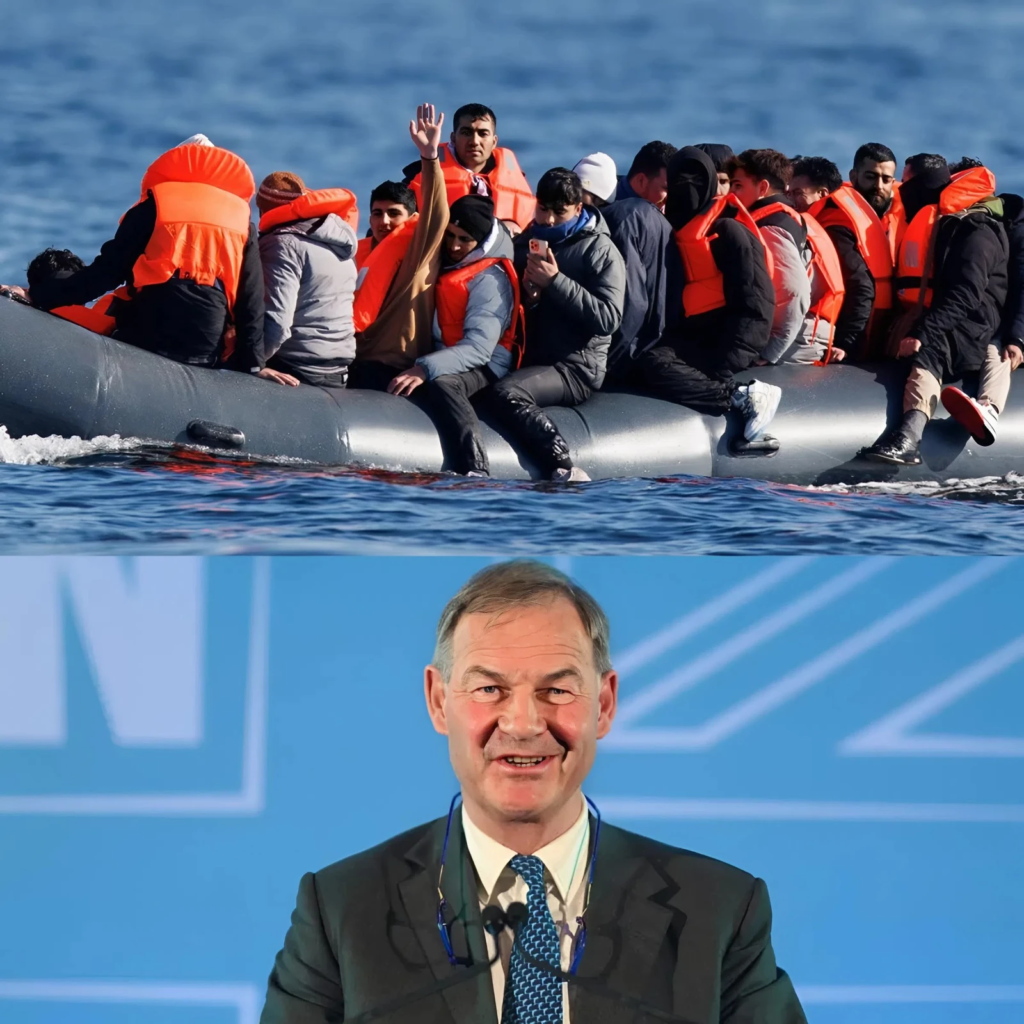
During a heated parliamentary debate, extremely controversial statements regarding billions of pounds allocated to social benefits turned Westminster into the center of a political battle followed by millions of British citizens.
The words spoken in the chamber quickly ignited social networks, television programs, and public discussions, as citizens, journalists, and politicians became fiercely divided over immigration, taxation, and the right to state financial support.
According to the accusations raised during the political confrontation, a significant portion of funds allocated to social support was allegedly linked to foreign nationals present in the modern United Kingdom, which has undergone deep economic and social changes in recent years.
These statements immediately sparked explosive reactions from across the British political spectrum, with enthusiastic supporters claiming long-hidden truths had finally been revealed, while critics warned of extremely dangerous media distortions spreading widely.

Many British citizens argue that the national welfare system is under unsustainable pressure, worsened by rising living costs, a housing crisis, and growing economic hardship experienced daily by millions of families.
Other residents counter that the public debate is deliberately oversimplifying extremely complex issues, fueling collective anger and cultural tensions through figures presented without full context or proper verification.
The minister involved in the parliamentary clash strongly rejected the accusations, arguing that the figures cited during the debate were misleadingly interpreted and improperly used to generate immediate public outrage.
According to the government representative, much of the information shared in the political debate does not actually prove the claims made by critics, turning complex statistics into aggressive and media-effective slogans.
This response further intensified tensions inside Parliament, where MPs from opposing sides began shouting at each other in front of national cameras during one of the most heated confrontations of the political year.
Images of the verbal clash are rapidly circulating across digital platforms, gathering millions of views and sparking furious discussions about public transparency, immigration, and the future of the British welfare system.
Many conservative voters argue that British citizens have lost trust in institutions seen as incapable of controlling public spending, irregular immigration, and the distribution of increasingly limited national resources.
According to these citizens, the government should give absolute priority to British taxpayers, drastically reducing benefits perceived as too easily accessible to people from abroad or those lacking genuine economic integration.
Other British residents, however, accuse certain political movements of exploiting economic fear and social frustration to fuel emotional campaigns against immigrants, increasing public hostility and deepening cultural divisions within already polarized communities.
National television networks are dedicating entire broadcasts to the controversy, inviting economists, sociologists, tax experts, and political representatives to debate who is truly telling the truth about the figures used in the parliamentary debate.

Many economists emphasize that interpreting data related to welfare and immigration requires extreme caution, as aggregate figures can easily be used to construct completely opposing narratives within modern political debate.
According to some financial experts, the real issue concerns the overall sustainability of the British social system, which is under pressure from economic stagnation, population growth, and the housing market crisis.
Many British citizens say they feel economically exhausted after years marked by rising inflation, high utility bills, and wages considered insufficient relative to the cost of living.
This growing economic pressure is increasing collective anger toward any issue related to taxes, public spending, and the use of national resources, making political debate increasingly emotional and polarized.
Digital platforms are massively amplifying the controversy, continuously promoting provocative videos, aggressive slogans, and content capable of generating immediate outrage around welfare, immigration, and national economic priorities.
Experts in digital communication argue that topics related to public money and national identity are among the most powerful drivers of virality and highly aggressive online discussions today.
Many British users continue to share fragments of the parliamentary debate, accompanied by mutual accusations, opposing interpretations, and calls for radical change in economic management and migration policies.
According to several sociologists, the massive public reaction reflects growing distrust toward traditional politics and institutions perceived as incapable of seriously addressing economic problems and social tensions.
Many young people in Britain are watching the current political climate with concern, fearing that increasing polarization and aggressive emotional campaigns could undermine social cohesion and future democratic stability.
Other young citizens believe that such intense debates are an inevitable consequence of accumulated public frustration after years of economic hardship and perceived political disorder.
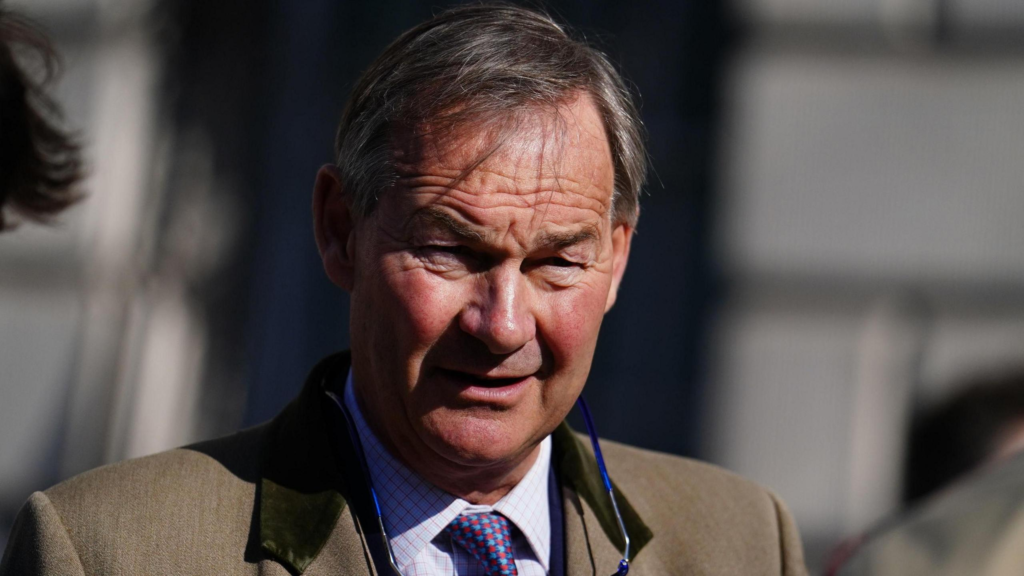
British universities are organizing urgent debates focused on welfare, immigration, and economic populism, trying to understand why extremely harsh political messaging is gaining increasing support among the public.
Many professors insist that simplifying complex economic issues through aggressive slogans risks only increasing collective anger, preventing balanced analysis and genuinely sustainable solutions.
Meanwhile, civil organizations and human rights groups are strongly criticizing the tone of the British political debate, accusing some leaders of using immigrants as symbolic targets during times of economic crisis and social tension.
Supporters of stricter proposals respond that calling for tighter controls on social benefits does not automatically promote discrimination, but rather aims to defend economic sustainability and fiscal fairness for taxpayers.
This ongoing narrative battle continues to fuel one of the most explosive political confrontations in recent years in the United Kingdom, where every new statement is instantly transformed into viral content shared millions of times online.
Images from Parliament show MPs repeatedly interrupting each other during the debate, creating scenes that many observers describe as a clear symbol of growing political polarization in Britain.
According to international analysts, what happened at Westminster reflects tensions present in many other Western democracies dealing with controversies over immigration, welfare, and the distribution of national resources.
Similar debates are taking place in countries such as France, Germany, Italy, and the Netherlands, focusing on welfare sustainability, social integration, and the increasingly conflictual relationship between frustrated citizens and institutions seen as distant from everyday reality.
Many observers believe that the real contemporary challenge lies in the growing difficulty Western societies face in simultaneously managing economic crises, demographic aging, and increasingly strong cultural tensions.
The coming weeks may prove decisive in determining whether this parliamentary controversy is merely a temporary media storm or the beginning of a new political phase in the United Kingdom marked by even more intense conflicts.
Many moderate citizens say they feel trapped between two opposing extremes, unable to fully identify with either alarmist rhetoric or what they see as insufficient reassurances from traditional British politics.
This sense of collective disorientation is reportedly increasing distrust toward traditional parties, national television, and digital platforms, which are seen as incapable of seriously addressing complex problems without turning them into constant emotional spectacle.
According to many political sociology experts, the greatest risk is the definitive transformation of democratic politics into a continuous narrative war, where outrage and fear gradually replace rational debate and balanced public analysis.
Many citizens still hope that government and opposition can restore calm to the national debate, avoiding further escalation that could damage social trust and democratic stability.
Others believe that tensions built up over years of economic crisis, tax pressure, and digital polarization will inevitably continue to erupt, deeply shaping the political and social future of the United Kingdom.
Images of the parliamentary clash will likely continue to circulate online for a long time, fueling new controversies, mutual accusations, and increasingly aggressive debates about welfare, immigration, and British national identity.
As millions of citizens argue intensely across social media and in front of televisions, one question now dominates the contemporary British public debate: who is really telling the truth about money, welfare, and the country’s future?