Rupert Lowe Presents Grooming Gang Survivor Testimonies in Parliament, Reigniting Britain’s Fight Over Accountability


Rupert Lowe Presents Grooming Gang Survivor Testimonies in Parliament, Reigniting Britain’s Fight Over Accountability
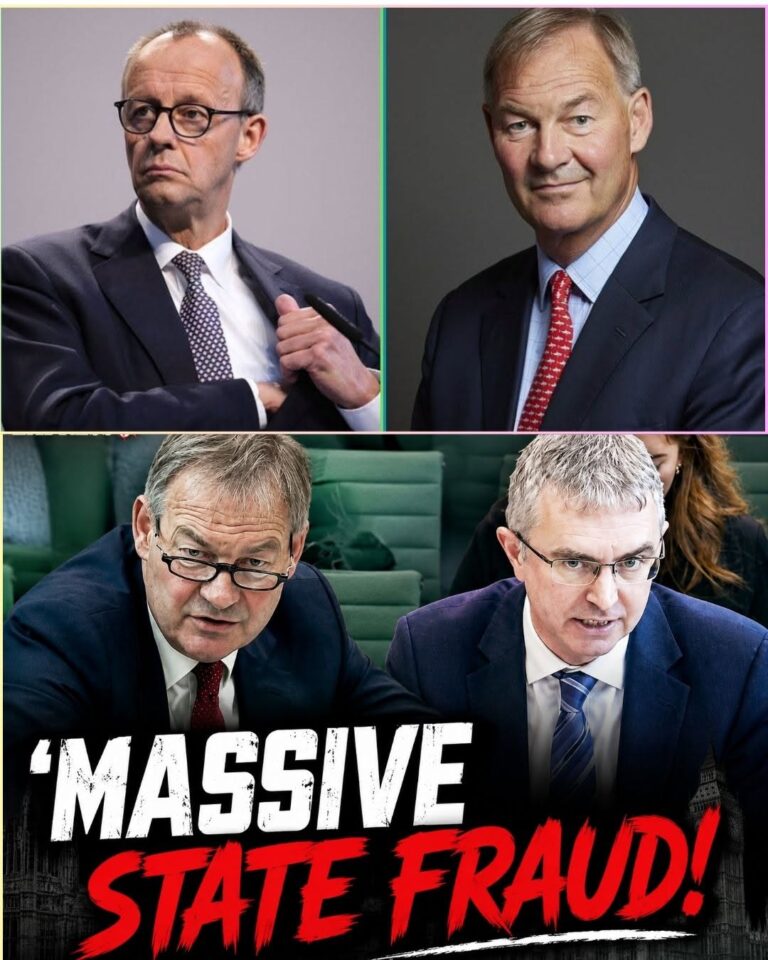
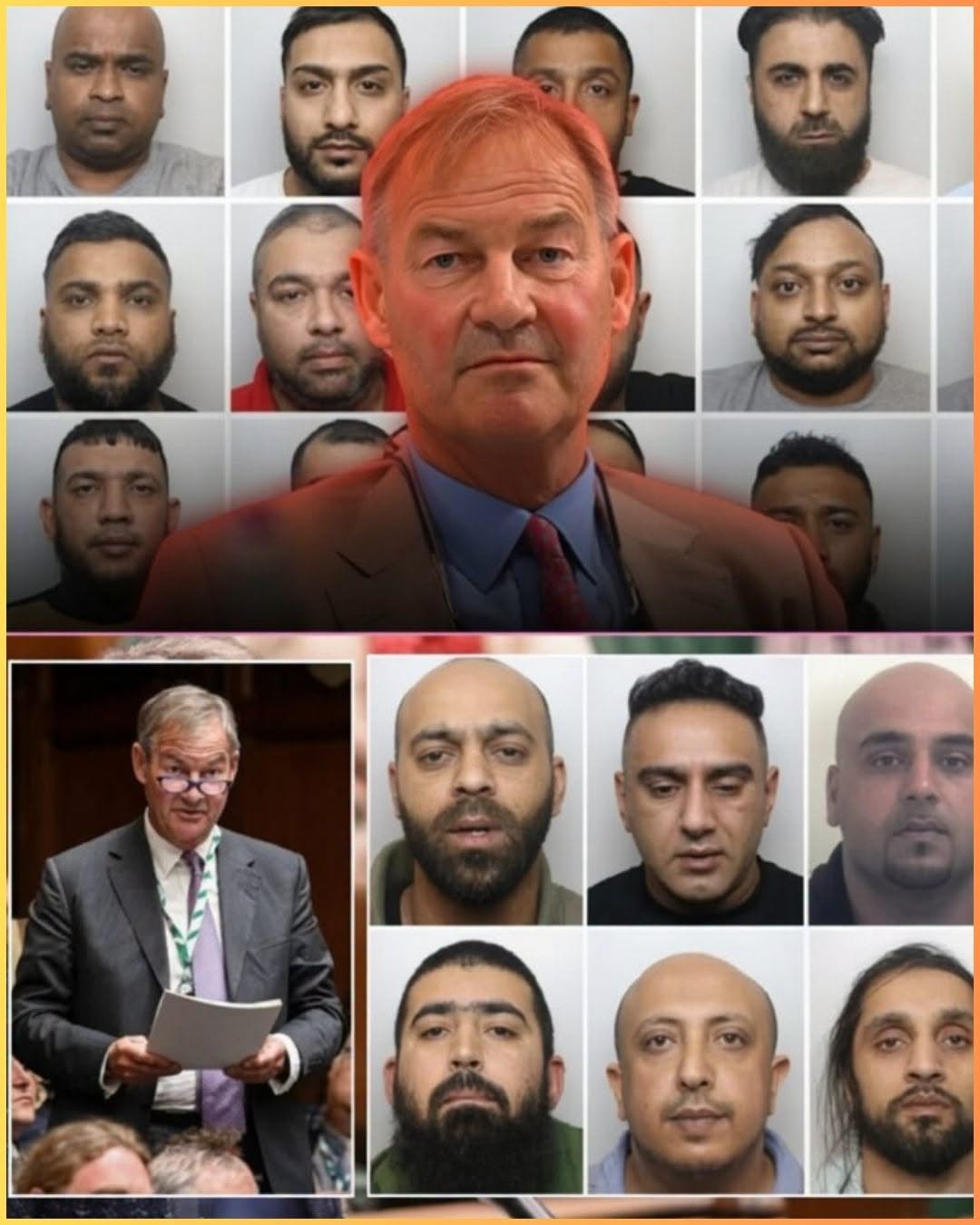
Rupert Lowe has reignited one of Britain’s most painful national debates after presenting harrowing survivor testimonies linked to grooming gang abuse in Parliament. The intervention has drawn strong reactions across the political spectrum, with supporters praising him for forcing Westminster to confront survivor accounts directly, while critics warn that the issue must be handled with care, evidence, and restraint.
According to reports, Lowe read graphic testimony from survivors of group-based child sexual exploitation and linked the accounts to his call for a fuller national reckoning over institutional failure, safeguarding collapse, and the treatment of victims who say they were ignored or disbelieved for years.
Why the Testimonies Matter
The grooming gang scandal is not only a story of criminal abuse. It is also a story of institutional failure.
Across towns including Rotherham, Rochdale, Telford, Oldham, and others, survivors have described being exploited as children while authorities failed to intervene effectively. Some victims were vulnerable, in care, known to social services, or already in contact with police. Yet official responses were too often slow, dismissive, confused, or shaped by failures of professional judgment.
That is why survivor testimony carries such force. It strips away the bureaucratic language and reminds the public that behind every review, report, and inquiry are children who were failed by adults who were supposed to protect them.
The Accountability Question
Lowe’s remarks have intensified demands for accountability. Supporters argue that Britain has had enough apologies, enough carefully worded statements, and enough promises of lessons learned. They want names, consequences, independent scrutiny, and a clear explanation of why agencies failed so badly.
That demand is not new. Labour MP Sarah Champion, who represents Rotherham, previously called for a national inquiry and argued that the country needed to understand both the crimes and the failures of public bodies if children are to be protected in the future.
The core question remains painfully simple: how did so many warning signs go unanswered for so long?
What Official Reviews Have Found
Official reviews and public reporting have repeatedly highlighted failures by police, councils, social services, prosecutors, and safeguarding systems. The wider scandal has involved serious questions about poor data collection, weak leadership, fear of confronting sensitive issues, and a lack of professional curiosity around patterns of abuse.
The 2020 Home Office report on group-based child sexual exploitation found that available ethnicity data was not strong enough to draw national conclusions, while also stating that convictions involving groups of men from Asian ethnic backgrounds warranted closer examination. Later debate around Baroness Casey’s audit renewed questions about whether authorities had avoided difficult issues rather than confronting them openly.
That balance is important. It is legitimate to examine offender patterns, institutional fears, community dynamics, and whether political sensitivities contributed to inaction. It is not legitimate to blame an entire ethnicity or religion for the crimes of specific offenders.
Supporters Say Lowe Gave Victims a Voice
For Lowe’s supporters, the speech was powerful because it placed survivor voices at the centre of the debate. They argue that Westminster too often speaks about victims in abstract terms, while avoiding the brutal reality of what survivors endured.
They also say the issue has been softened by official language. Words such as “safeguarding failure,” “missed opportunity,” and “multi-agency learning” can sound bloodless when placed beside survivor accounts of rape, coercion, violence, intimidation, and years of being ignored.
From this view, Lowe’s speech was not political theatre. It was a necessary shock to a political system that still has not delivered full justice.
Critics Warn Against Politicisation
Critics do not dispute the seriousness of the abuse. Their concern is how the subject is used.
They warn that grooming gang scandals can be turned into a political weapon, especially when discussion moves from specific offenders and institutions to broad claims about Muslims, Pakistanis, migrants, or minority communities. That risks collective blame, which can harm innocent people and distract from the failures of police, councils, social services, and prosecutors.
The strongest criticism is not that the issue should be silenced. It is that it should be handled with precision. Survivors deserve truth, justice, and reform — not to have their trauma turned into a slogan.
The Need for Survivor-Centred Justice
A serious response should begin with survivors, not party politics.
Survivors should be heard directly and treated with dignity. They should have access to support, legal advice, counselling, and protection from harassment. Their accounts should be examined by independent investigators with the power to compel evidence where necessary.
There should also be consequences for institutional failure. If officials ignored warnings, mishandled cases, dismissed victims, failed to record evidence, or avoided action because the issue was politically sensitive, that must be exposed.
But accountability must be based on evidence. It should not become a substitute for due process.
Why This Debate Keeps Returning
The issue keeps returning to Parliament because many people believe the country has never fully confronted what happened.
There have been reports. There have been trials. There have been apologies. There have been local reviews. Yet survivors and campaigners still say too many questions remain unanswered and too few officials have faced meaningful consequences.
That gap between acknowledgement and accountability keeps the scandal politically alive.
It also explains why speeches like Lowe’s travel quickly online. They connect with a public belief that institutions protect themselves before protecting the vulnerable.
What Should Happen Next
If Parliament is serious, the next steps should be practical and transparent.
The government should ensure that independent inquiries have enough power to compel documents and testimony. Police and councils should be required to explain past failures clearly. Data collection should improve so that offender patterns, victim profiles, and institutional decisions can be properly understood. Survivors should not have to keep reliving trauma simply to be believed.
The goal should not be another cycle of outrage followed by delay.
The goal should be justice, prevention, and public trust.
Conclusion
Rupert Lowe’s presentation of grooming gang survivor testimonies has reignited a debate Britain has never fully resolved.
Supporters see his intervention as a necessary demand for truth and accountability. Critics fear the issue may be politicised in ways that inflame division. Both reactions reflect the same underlying reality: the abuse was real, the failures were real, and the wounds remain open.
The country now faces a test.
It can turn the testimonies into another political shouting match.
Or it can use them as a renewed demand for survivor-centred justice, institutional accountability, and a safeguarding system that never again looks away.