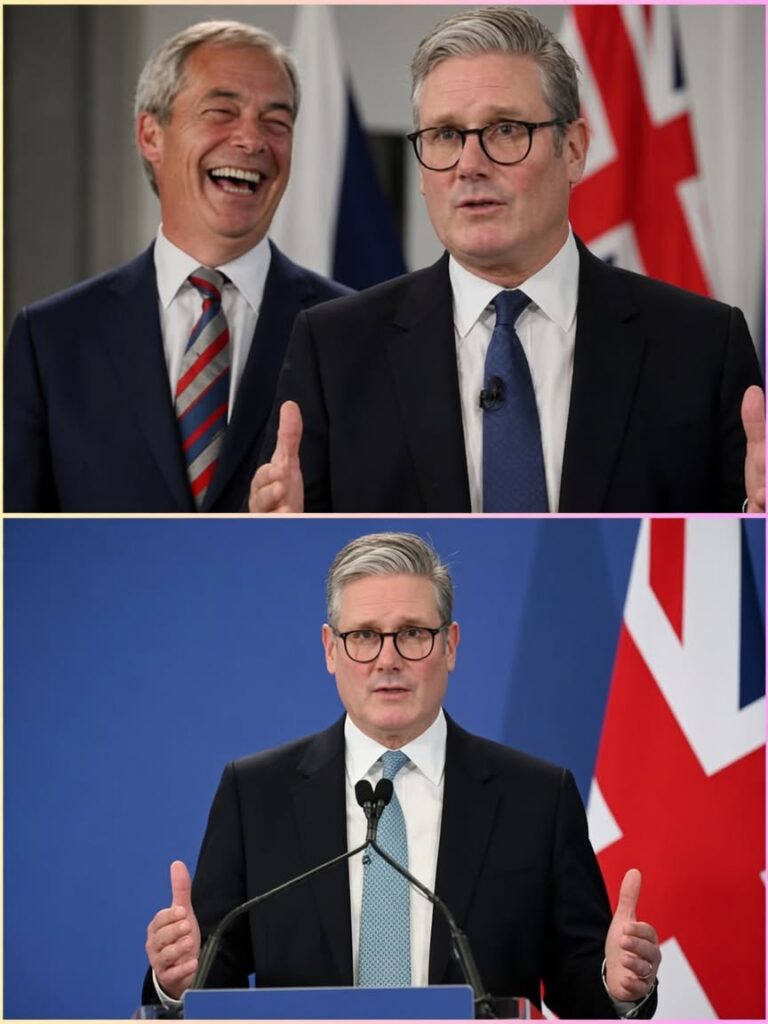

The Labor government just pulled a massive U-turn that no one saw coming! In the biggest policy shake-up in 50 years
Some argue that stricter measures are necessary to protect public resources and essential services, while others fear negative consequences for inclusion and social cohesion.
The Reform UK party is often cited as one of the actors that has contributed to increasing political pressure on this issue.

New proposals include possible changes to the time required to obtain permanent residency, a matter that directly affects thousands of people currently living in the country.
In addition, discussions are ongoing about potential restrictions on access to social benefits, with the stated goal of balancing rights and responsibilities within the national system.
Reactions have been immediate, with some citizens welcoming the measures and others expressing strong concern about their long-term implications.
On social media, the debate has quickly gone viral, with hashtags, comments, and videos fueling an increasingly intense and polarized discussion.
Many users emphasize the importance of addressing the issue with accurate data and thorough analysis, avoiding oversimplifications that can distort reality.

Others, however, are calling for rapid and concrete action, arguing that the current system requires significant changes to function effectively.
Economists are analyzing the potential impact of the new measures, evaluating how they might influence the labor market and the country’s economic growth.
Some experts believe that stricter regulation could reduce pressure on public services, while others highlight possible negative effects on the available workforce.
Some argue that stricter measures are necessary to protect public resources and essential services, while others fear negative consequences for inclusion and social cohesion.
The Reform UK party is frequently mentioned again as a key contributor to rising political pressure on this topic.
The new proposals once again include potential changes to residency timelines, directly affecting thousands of individuals.
Further discussions continue around restricting access to welfare benefits in an effort to rebalance obligations and entitlements within the system.

Public reaction remains divided, with strong support from some groups and deep concern from others regarding long-term outcomes.
Online platforms continue to amplify the discussion, turning it into a highly visible and globally followed debate.
Many participants stress the need for fact-based analysis, warning against misleading simplifications.
Others insist that urgent reform is necessary, emphasizing the need for decisive action.
Economists continue to assess the broader implications, particularly regarding employment and economic stability.
Human rights organizations have expressed concern, urging the government to carefully consider the social consequences of new policies.
According to sociologists, the debate reflects broader tensions present in modern societies, where globalization and national identity often come into conflict.
Universities are studying the issue as an example of the transformation of migration policies in the contemporary European context.
Many students and researchers are actively participating in the discussion, contributing diverse analyses and perspectives.
Meanwhile, businesses are closely monitoring developments, aware that potential changes could impact the availability of workers across various sectors.
Some business leaders are calling for greater clarity and stability, emphasizing the importance of predictable policies for long-term investment planning.
Local communities are directly involved, experiencing the effects of policies firsthand and actively engaging in public debate.
Many citizens are expressing strong opinions, reflecting a society divided on fundamental issues related to the economy, identity, and national future.
Digital platforms continue to amplify every statement, turning the debate into a global phenomenon followed by millions.
According to some analysts, this visibility can contribute to greater transparency but also increases the risk of polarization and conflict.

Other observers stress the need for constructive dialogue that takes into account the diverse perspectives within society.
The government has stated its intention to proceed with a balanced approach, seeking to reconcile economic needs, security, and fundamental rights.
However, it remains to be seen how these policies will be implemented and what their real long-term effectiveness will be.
In the meantime, the debate continues to evolve, with new information and interpretations emerging daily.
One thing appears clear: the issue of immigration will remain central in British politics, influencing decisions, public opinion, and the country’s future direction.