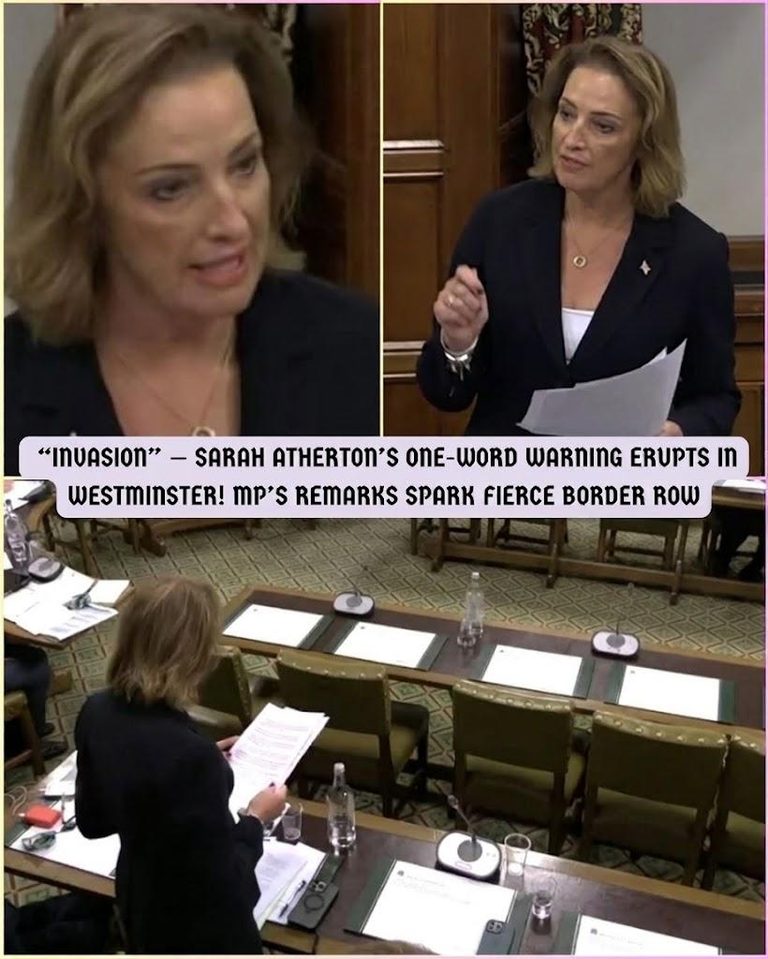
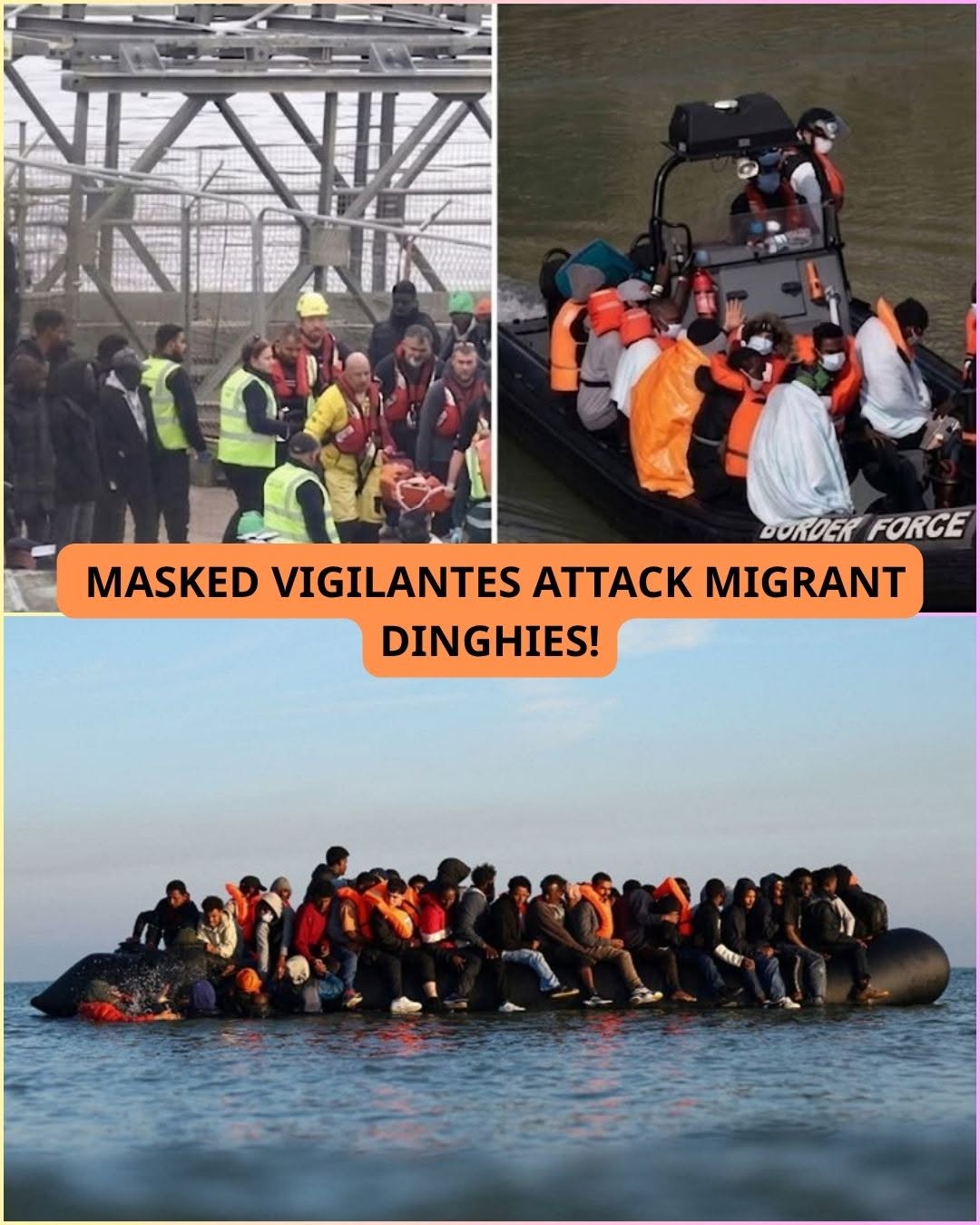
A SHOCKING act of violence caught on camera!
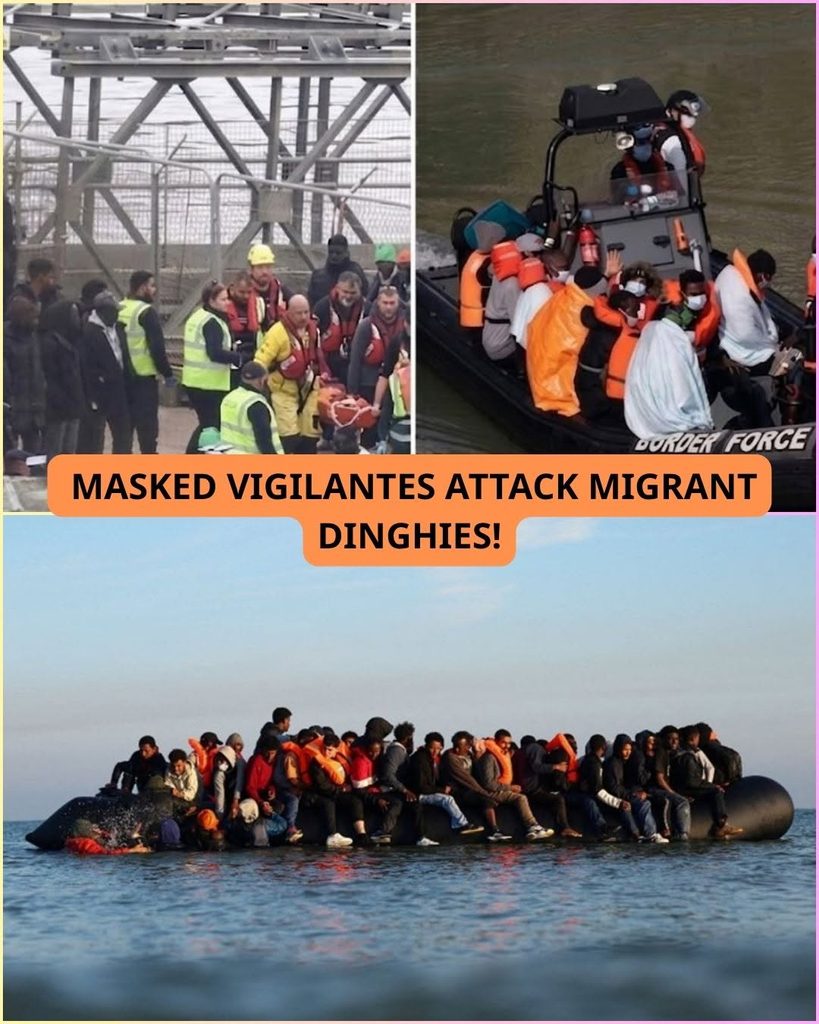
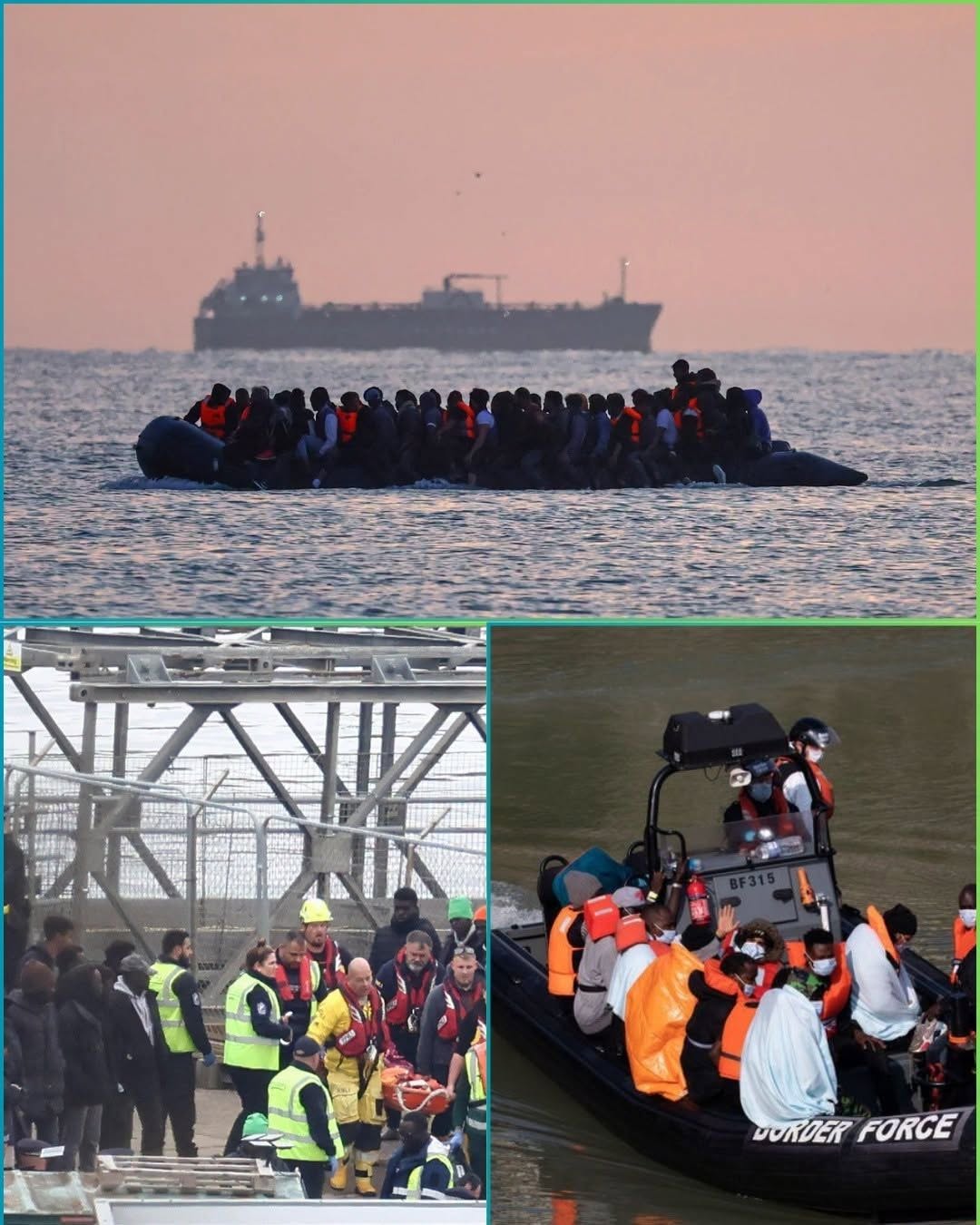
Alleged Attack on Migrant Dinghies Sparks Debate Over Vigilantism, Border Anger and the Rule of Law
Claims that masked British vigilantes attacked migrant dinghies have triggered an emotionally charged debate over immigration, border control and the limits of civilian action. Footage said to show the incident has been described online as evidence of growing anger over Channel crossings, but without verified details about when and where the video was recorded, who was involved and what actually happened, the strongest claims surrounding the episode remain unconfirmed.
A disturbing video circulating online has prompted fresh controversy over Britain’s immigration crisis after claims emerged that masked individuals deliberately attacked dinghies allegedly connected to migrants attempting to reach the United Kingdom.
The footage has been described in dramatic terms, with some posts calling the perpetrators “British vigilantes” and portraying the incident as an extreme response to frustration over irregular Channel crossings.
If the account is accurate, the episode would raise serious legal and moral questions.
Damaging a boat that may be carrying people — particularly at sea or near open water — can create an immediate risk to life.
But before drawing conclusions, several basic facts need to be established.
Where was the video recorded?
When did the incident take place?
Were migrants actually aboard the vessels?
Were the individuals shown civilians, campaigners, fishermen, activists or something else?
And most importantly, did police or maritime authorities confirm that a criminal attack occurred?
Without answers to those questions, a viral video can easily produce a narrative that goes beyond what the images actually prove.
Why Channel Crossings Generate Such Intense Anger
The English Channel has become one of the most visible symbols of Britain’s immigration debate.
Small inflatable boats carrying migrants toward the UK have appeared repeatedly in news coverage and political campaigns.
For critics of the government’s border policies, the crossings represent a failure of enforcement.
They ask why boats can leave the French coast, enter British waters and result in people being brought ashore while asylum applications are considered.
Supporters of tougher immigration controls argue that the persistence of these journeys encourages criminal smuggling networks and undermines public confidence in the state’s ability to control its borders.
Those concerns are politically significant.
But frustration with government policy does not give private citizens authority to enforce immigration law themselves.
That distinction is central to any alleged vigilante incident.
Vigilantism Is Not Border Enforcement
A state has police forces, border agencies, courts and maritime authorities for a reason.
Immigration enforcement is governed by law.
Private individuals do not generally have the power to decide who is entitled to enter Britain, who should be stopped at sea or what punishment should be imposed on people suspected of entering unlawfully.
The word “vigilante” usually refers to someone attempting to enforce perceived justice outside official legal structures.
That can be dangerous even when the underlying public grievance is genuine.
A person attacking a suspected smuggling boat may believe he is defending national borders.
But if civilians are aboard, damaging the vessel could endanger innocent lives.
The law cannot function according to individual suspicion.
Migrants and Smugglers Are Different Categories
The political rhetoric surrounding Channel crossings often merges migrants and smugglers into one category.
They are not the same.
People-smuggling networks can profit from arranging illegal or unauthorized journeys, supplying boats, organizing departures and collecting large sums of money from passengers.
Migrants aboard those boats may have very different legal circumstances.
Some may eventually qualify for asylum.
Others may have claims rejected.
Some may be fleeing war or persecution.
Others may have primarily economic motives.
Those distinctions are determined through legal processes rather than by individuals confronting boats on a beach or coastline.
This matters because a person damaging a migrant dinghy is not necessarily attacking a criminal smuggler.
The people placed at risk could be passengers, including children or vulnerable adults.
What Does the Video Actually Prove?
Video evidence can appear extremely persuasive.
A recording may clearly show masked individuals striking, cutting or damaging an inflatable vessel.
But even authentic footage does not automatically verify the story surrounding it.
An old video can be reposted as a new incident.
Footage from another country can be misidentified as British.
A boat used for training or abandoned equipment can be described as carrying migrants.