Europe’s Eastern Frontier Under Pressure: Poland’s BorderSecurity, Migration Challenges, and the Continuing Debate Over Europe’s External Borders
The eastern frontier of the European Union has once again become the focus of international attention as Poland continues to strengthen security along its border with Belarus amid persistent migration pressures. Images of fortified fencing, surveillance equipment, and groups of migrants gathering near the border have circulated widely online, prompting renewed debate over immigration policy, humanitarian responsibilities, national sovereignty, and regional security. While some social media posts portray the situation as an unprecedented “border clash,” the reality is considerably more complex, involving years of geopolitical tensions, evolving migration routes, and competing legal and humanitarian obligations. As governments across Europe continue searching for long-term solutions, Poland’s border has become one of the most closely watched frontiers on the continent.
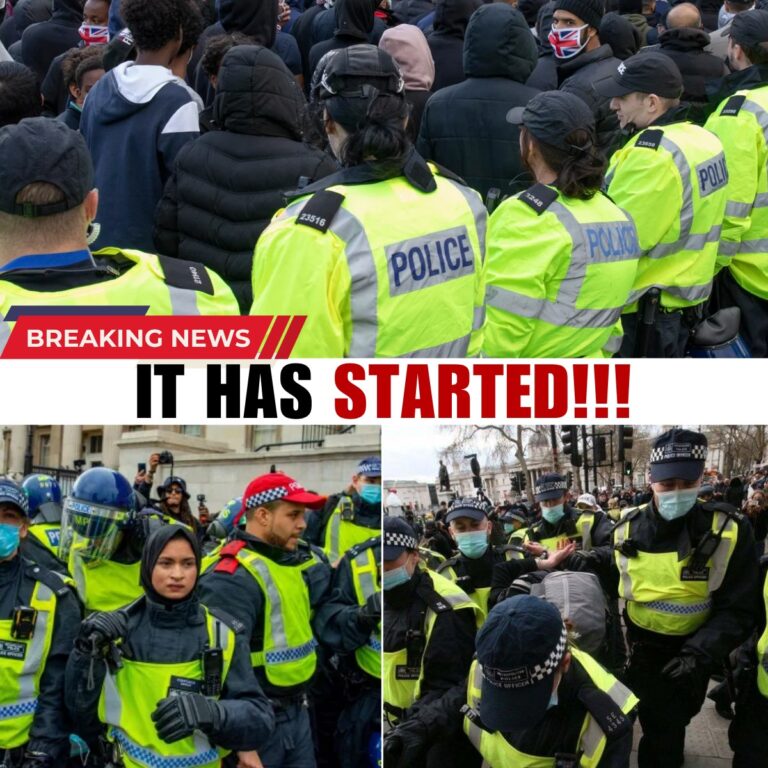
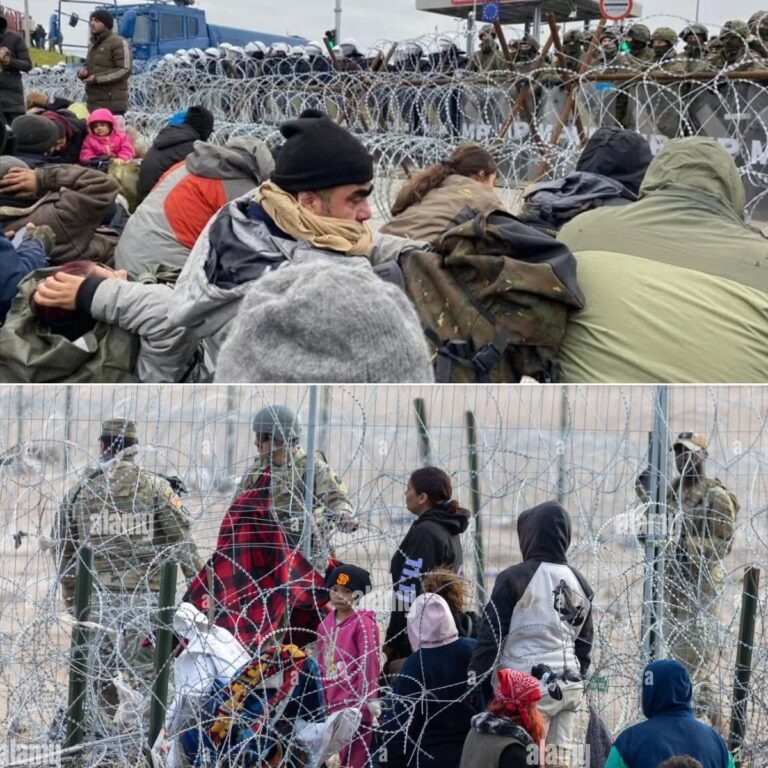
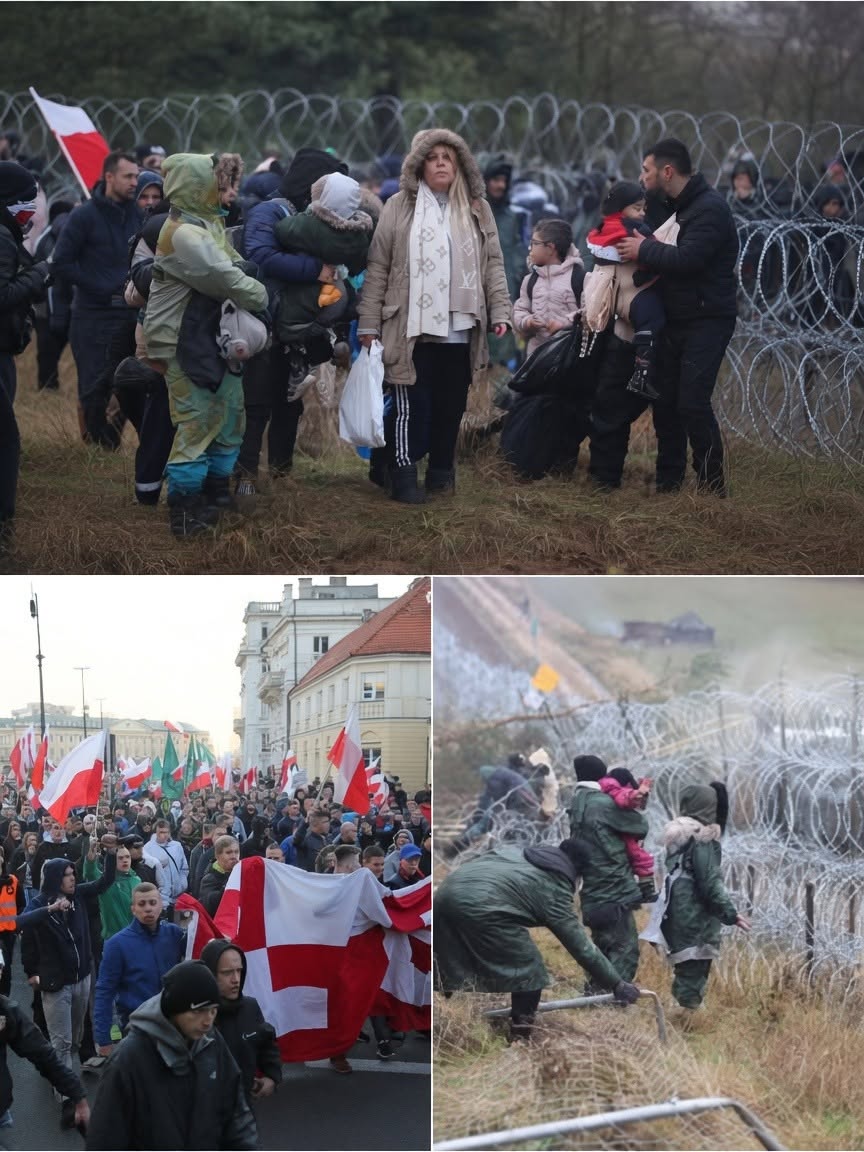
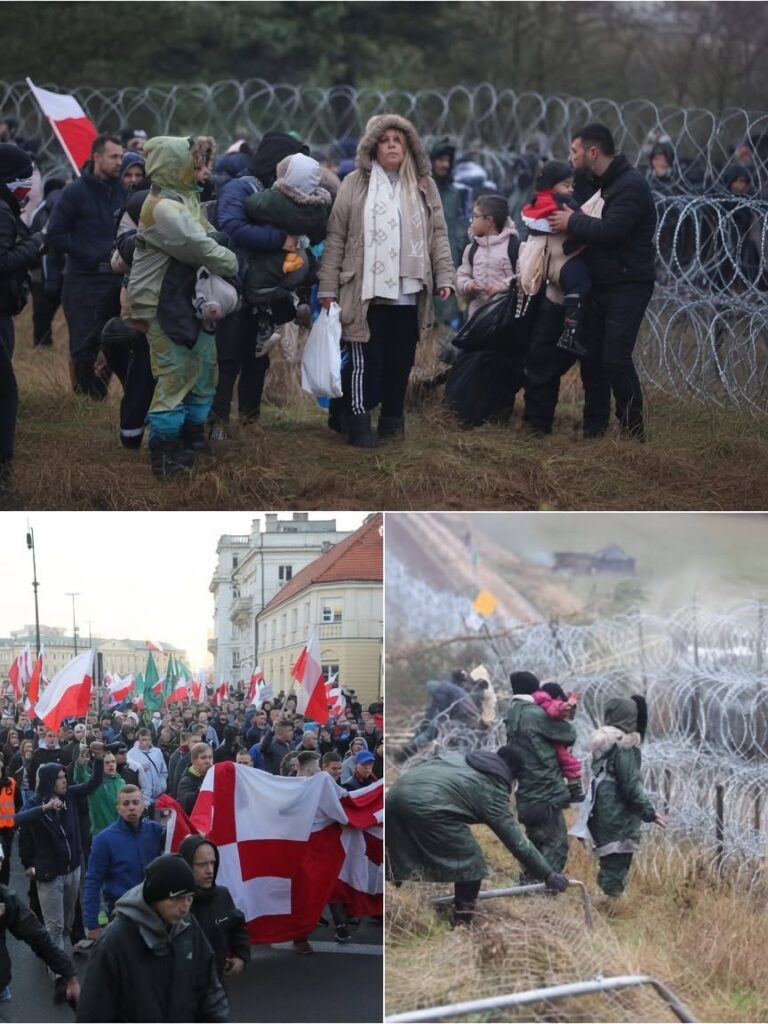
The recent images shared across social media show several distinct aspects of the ongoing situation. One depicts public demonstrations supporting stronger border protection, while others show migrants gathered near heavily fortified border barriers consisting of steel fencing, razor wire, and modern surveillance systems. Although dramatic headlines frequently describe these scenes as evidence of immediate large-scale confrontations, official information generally indicates that border activity varies significantly over time, with periods of heightened pressure followed by quieter intervals depending on seasonal conditions, enforcement measures, and developments in neighboring countries.
Poland’s border with Belarus stretches for hundreds of kilometers through forests, wetlands, rivers, and rural terrain. Historically, this frontier served as one of the external borders of both the European Union and the Schengen Area, giving it strategic importance beyond Poland itself. Since the migration crisis that intensified in 2021, the border has increasingly become a symbol of Europe’s broader struggle to balance humanitarian commitments with concerns about border security and national sovereignty.
The modern steel barrier constructed by Poland represents one of the largest border security projects undertaken in Europe in recent years. Standing several meters high and reinforced with advanced surveillance technology, motion detectors, cameras, thermal imaging equipment, and monitoring systems, the barrier was designed to reduce unauthorized crossings while allowing border authorities to respond more efficiently to incidents. Officials argue that physical infrastructure, combined with technological monitoring, has significantly improved operational control over difficult sections of the frontier.
Polish authorities have repeatedly maintained that the barrier is not intended to eliminate all migration but rather to reduce irregular crossings and improve border management. Government representatives have argued that migrants seeking international protection should use established legal procedures rather than attempting unauthorized entry through forests or remote crossing points. Officials also emphasize that border officers remain responsible for processing asylum claims in accordance with applicable national and international legal frameworks where appropriate.
The migration pressure along the Belarusian border differs in important ways from the Mediterranean migration routes that have dominated European discussions for many years. Rather than dangerous sea crossings, migrants reaching Poland often travel through Belarus before attempting to cross heavily forested land areas. These journeys can be extremely hazardous, particularly during winter months when freezing temperatures, dense woodland, marshland, and limited access to food or medical assistance create serious risks to human life.
Humanitarian organizations operating in the region have expressed continuing concern about conditions faced by migrants stranded near the frontier. Aid groups report that families, children, elderly individuals, and vulnerable people sometimes spend extended periods outdoors under difficult weather conditions. Human rights organizations have called upon all parties to ensure access to humanitarian assistance, medical treatment, and procedures allowing individuals to present claims for international protection where legally applicable.
At the same time, Polish authorities argue that the migration situation cannot be understood solely as a humanitarian issue. Successive governments have described the crisis as involving elements of hybrid pressure directed against the European Union. Warsaw has repeatedly accused the Belarusian government of facilitating or encouraging migration toward the EU’s external border as a means of exerting political pressure following deteriorating diplomatic relations between Belarus and Western countries. Belarus has rejected many of these accusations.
The European Union has broadly supported Poland’s assessment that migration flows along the Belarusian frontier differ from traditional refugee movements. EU institutions have repeatedly expressed concern regarding allegations that organized transportation networks have directed migrants toward border areas. European leaders have emphasized that external actors should not exploit vulnerable individuals for political purposes while simultaneously encouraging member states to uphold humanitarian obligations under international law.
The fortified barrier itself has become a powerful political symbol. Supporters argue that secure borders constitute an essential function of every sovereign state and that effective control over external frontiers protects not only national security but also public confidence in immigration systems. Many believe that without credible border enforcement, governments lose the ability to distinguish between lawful immigration, asylum claims, and unauthorized entry.
Critics, however, argue that physical barriers alone cannot solve the underlying causes of migration. They point to conflicts, political instability, poverty, climate-related pressures, and persecution as long-term drivers that continue pushing people toward Europe regardless of increasingly sophisticated border infrastructure. According to this perspective, sustainable migration policy requires international cooperation extending far beyond border enforcement measures alone.
The debate has become particularly significant within Poland itself. Public opinion surveys conducted over recent years have often shown substantial public support for stronger border protection, especially following heightened tensions along the Belarusian frontier. At the same time, civil society organizations have continued urging authorities to ensure that humanitarian standards remain fully respected, particularly regarding children and families seeking protection.
Poland’s experience has influenced broader European discussions regarding external border policy. Several other EU member states have introduced or expanded physical barriers, surveillance technology, and enhanced border patrols in response to migration pressures. Governments increasingly emphasize integrated border management combining personnel, intelligence sharing, technological monitoring, international cooperation, and physical infrastructure. The European Border and Coast Guard Agency, Frontex, headquartered in Warsaw, also plays a significant role in supporting member states facing migration challenges. Frontex coordinates joint operations, shares intelligence, assists with surveillance, and provides technical expertise while national governments retain primary responsibility for border control. The agency’s growing role reflects the increasingly European nature of migration management across the continent.
Migration remains one of the European Union’s most politically divisive issues. Member states continue disagreeing over asylum reform, burden sharing, relocation mechanisms, return procedures, and responsibility for external border management. Countries located on the EU’s external frontiers often argue that they bear disproportionate responsibility for protecting the Union as a whole, while other member states emphasize the need for solidarity and coordinated responses.
Supporters of Poland’s border strategy frequently point to statistical reports indicating reductions in successful irregular crossings following completion of major sections of the barrier. Officials argue that improved surveillance has enabled border guards to detect attempted crossings more effectively while discouraging organized smuggling operations. However, migration experts caution that reduced crossings in one location sometimes correspond with increased activity along alternative routes rather than overall reductions in migration.
Smuggling networks remain an important factor in the broader migration landscape. Criminal organizations frequently adapt rapidly to changing enforcement measures, identifying new routes and methods as governments strengthen border controls. European law enforcement agencies continue working together to combat human trafficking and migrant smuggling operations that profit from vulnerable individuals seeking entry into Europe.
For migrants themselves, the journey often involves extraordinary hardship regardless of political debates surrounding migration policy. Many have traveled thousands of kilometers after fleeing conflict, economic instability, or persecution in their countries of origin. Others may be seeking improved economic opportunities rather than qualifying for refugee protection under international law. Determining individual circumstances requires case-by-case legal assessment rather than assumptions based solely on group movements.
International refugee law distinguishes between refugees entitled to protection and other categories of migrants. Individuals claiming asylum generally have the right to have their applications considered according to established legal procedures. At the same time, governments retain authority to regulate immigration and address unauthorized border crossings. Balancing these principles remains among the most challenging aspects of modern migration governance. The political language surrounding migration frequently reflects deep societal divisions. Some political leaders describe irregular migration primarily as a security challenge requiring stronger enforcement, while others emphasize humanitarian obligations and international solidarity. Most policymakers acknowledge that both security and humanitarian considerations must play roles in comprehensive migration policy, although disagreements persist regarding the appropriate balance. Media coverage often contributes to public perceptions of border events. Dramatic images of fences, security personnel, or groups of migrants naturally attract attention, yet they sometimes provide only partial snapshots of evolving situations. Accurate understanding generally requires considering official reports, humanitarian assessments, independent journalism, and broader geopolitical developments rather than relying solely on isolated photographs or emotionally charged social media posts.
Experts in international relations note that the Poland-Belarus border dispute also reflects broader geopolitical tensions affecting Eastern Europe. Relations between Belarus and many Western governments have deteriorated significantly in recent years, influencing cooperation on migration management, border security, and regional stability. Consequently, migration issues cannot be entirely separated from wider diplomatic and strategic considerations.
Technology increasingly shapes modern border management. Thermal cameras, drones, satellite monitoring, artificial intelligence-assisted surveillance, motion sensors, biometric identification systems, and integrated communication networks have transformed how governments monitor external frontiers. Supporters argue these technologies improve efficiency while reducing risks to border personnel. Privacy advocates, however, continue raising questions regarding oversight, accountability, and appropriate limitations on surveillance powers.
Public demonstrations supporting stronger border controls, like those depicted in widely shared images, illustrate the political significance migration now holds across Europe. Participants often argue that governments must prioritize national security, preserve public order, and maintain confidence in immigration systems. Counter-demonstrations organized by humanitarian groups frequently emphasize compassion, refugee protection, and international legal obligations. Both perspectives continue shaping democratic debate throughout Europe.
Looking ahead, the challenges surrounding Poland’s eastern border are unlikely to disappear quickly. Ongoing geopolitical tensions, global displacement, regional instability, and evolving migration routes suggest that border management will remain a central issue for both Poland and the European Union. Infrastructure alone cannot address every aspect of migration, yet humanitarian responses without effective border governance also leave difficult policy questions unresolved. Ultimately, the situation at Poland’s eastern frontier reflects one of the defining public policy debates of modern Europe. Governments must simultaneously protect national borders, uphold international legal commitments, safeguard human rights, combat organized smuggling, maintain diplomatic relationships, and respond to domestic public concerns. While political rhetoric often presents the issue in absolute terms, the reality remains far more nuanced. As legal frameworks evolve, diplomatic negotiations continue, and migration patterns change, Poland’s border will likely remain a focal point in Europe’s ongoing effort to reconcile security, sovereignty, and humanitarian responsibility in an increasingly interconnected world.