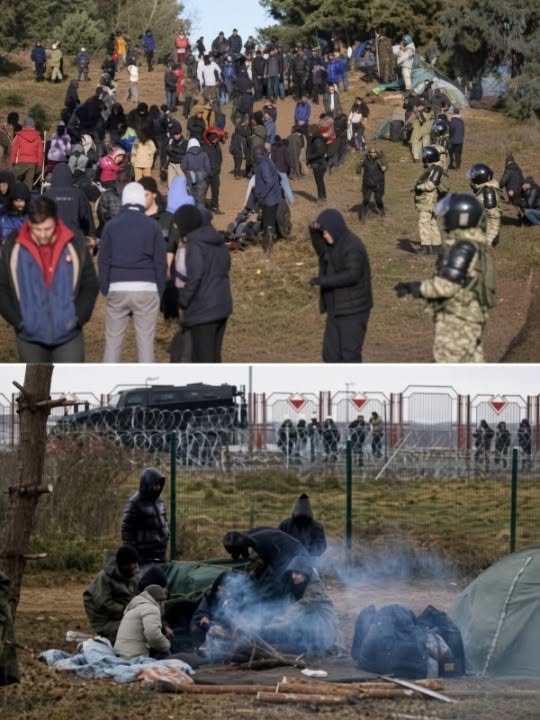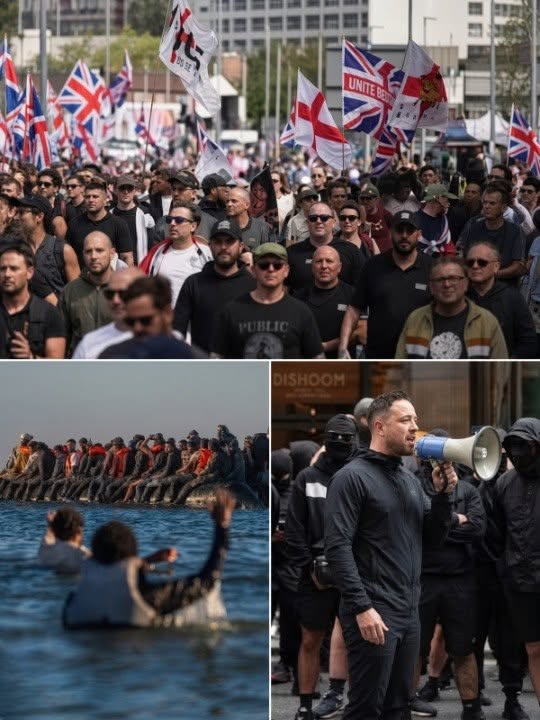
FARAGE DROPS A MIGRATION BOMBSHELL.
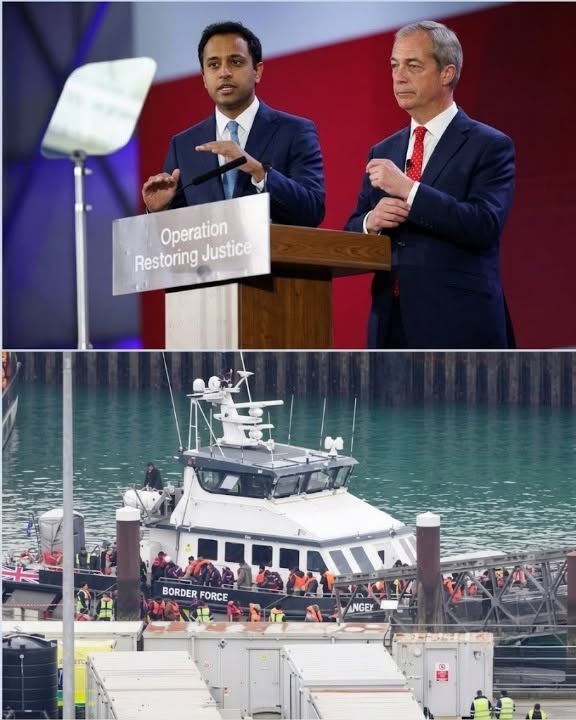
Farage’s Migrant Detention Proposal Reignites Britain’s Border Control Debate
Nigel Farage has reignited Britain’s immigration debate with a hardline proposal that would prevent migrants who arrive illegally from freely moving into surrounding communities while their asylum or immigration cases are processed.
The Reform UK leader argues that accommodation sites currently used to house asylum seekers—including hotels, military barracks and large-scale facilities – should instead operate as detention centres. In practice, that would mean people who arrive illegally, especially by small boat, would be held under controlled conditions rather than allowed to leave the site and move around nearby towns and villages.
Supporters call the plan common sense. They argue that if someone enters the country illegally, the state should know where they are, prevent absconding, protect local communities and process cases quickly.
Critics call the proposal deeply controversial. They warn that mass detention would be expensive, legally difficult and potentially harmful to people who may have valid asylum claims.
The argument has struck a nerve because it speaks directly to one of the public’s biggest frustrations: many voters believe Britain has lost control of who enters the country, where they are housed and how long cases take to resolve.
What Farage Is Proposing
Farage has previously said that a Reform government would transform military barracks used for asylum accommodation into detention facilities from its first day in office. GB News reported in April 2026 that Farage wanted asylum seekers in army bases to be banned from nearby towns and that Reform would use emergency legislation to override existing barriers.
This fits with Reform UK’s wider migration platform. In 2025, Farage unveiled plans for “Operation Restoring Justice,” under which Reform said it would arrest people arriving by small boat, expand detention capacity and seek mass removals. The Evening Standard reported that the plan included immediate arrest for small-boat arrivals and detention centres with capacity for 24,000 people.
The latest political message is simple: accommodation should not feel like release.
Farage’s argument is that people who arrive illegally should not be able to enter nearby communities while the state decides whether they can stay. He says detention would restore control and reassure local residents.
Why the Proposal Resonates
The proposal resonates because asylum accommodation has become one of the most politically explosive issues in Britain.
Across the country, communities have protested against hotels, former military sites and other large facilities being used to house asylum seekers. Residents often say they were not properly consulted, that local services are already stretched and that they want clearer security arrangements.
At the same time, small boat crossings continue to dominate headlines. The Sun reported that 752 migrants reached the UK in nine boats on the busiest day of Channel crossings in 2026, while four people died attempting the journey.
For many voters, those images create a sense of system failure: boats arriving, hotels filling, costs rising and decisions taking too long.
Farage’s detention proposal offers a clear answer to that frustration: hold people in secure sites, process claims quickly, and remove those who have no right to stay.
That clarity is politically powerful.
The Legal Challenge
But turning asylum accommodation into detention facilities is not simply a matter of changing signs at the gate.
Under UK law, immigration detention must be lawful, necessary and proportionate. People who are detained or liable to be detained may be granted immigration bail, and the Home Office’s own guidance makes clear that someone can remain on immigration bail even where they can no longer lawfully be detained, including where there is no realistic prospect of removal within a reasonable time.
That is a major legal obstacle.
If the government detains someone, it must usually be able to justify why detention is necessary. It must also keep detention under review. People can challenge detention through bail applications, judicial review and other legal safeguards.
A policy of automatically detaining everyone who arrives illegally would therefore face legal questions almost immediately. Is detention necessary in every case?
Is removal realistically possible?
How long would people be held?
Would children, families, trafficking victims or vulnerable people be included?
What happens if a person’s asylum claim takes months?
These questions would matter in court, not just in politics.
The Current System
At present, many asylum applicants are not generally confined to a closed detention facility while their claims are processed. The Asylum Information Database notes that movement is not usually restricted to defined areas, although asylum applicants are commonly required to live at a particular address and keep the Home Office informed of any chang of address.
That system frustrates critics who say it gives too much freedom to people who entered unlawfully.
But defenders argue that most asylum seekers are not convicted criminals. They are people awaiting a legal decision. Some will be refused. Others may be recognised as refugees. Until that process is complete, critics of detention argue, mass confinement would be excessive.
This is the core divide: is illegal entry enough to justify detention, or should detention require an additional reason such as absconding risk, removal readiness, identity concerns or security risk?
Cost and Capacity
There is also a practical question: where would the government hold people?
Detention is more expensive than ordinary accommodation. It requires secure facilities, staff, healthcare, legal access, safeguarding, transport, casework and oversight.
Reform has previously spoken about expanding detention capacity, but analysts have questioned whether the numbers add up. The Independent reported criticism that Farage’s wider deportation proposals would require major increases in detention and removal capacity and would face serious logistical barriers.
Even if a government wanted to detain all small-boat arrivals, it would need enough places to hold them. If arrivals increase during good weather, capacity could be overwhelmed quickly.
A detention policy only works if the state can process and remove people fast enough. Otherwise, detention centres risk becoming overcrowded holding sites for unresolved cases.
Supporters Say Communities Need Protection
Supporters of Farage’s proposal argue that the current system asks too much of local communities.
They say people living near asylum accommodation often receive little information, have limited influence over decisions and are expected to accept large numbers of arrivals without confidence that the government can monitor them properly.
For supporters, detention would solve several problems at once. It would stop absconding, reduce community tension, reassure residents and create a stronger deterrent against illegal crossings.
They also argue that the current approach is unfair to people who apply through legal routes. In their view, allowing illegal arrivals to live freely while cases are processed rewards those who bypass the system.
This is why the proposal has appeal far beyond Reform UK’s core voters. It speaks to a broader demand for visible border control.
Critics Say It Risks Punishing Asylum Seekers Before Their Cases Are Heard
Critics argue that Farage’s plan treats asylum seekers as if they are guilty before their claims are examined.
Entering a country irregularly does not automatically mean a person has no asylum claim. Some people flee persecution without documents or through dangerous routes because safe legal routes are limited or unavailable.
Human-rights lawyers and refugee organisations would likely argue that detention should be exceptional, not automatic. They would say the state should focus on faster decisions, better casework, returns agreements and targeted detention for those who pose a genuine risk or are ready for removal.
They also warn that detention can harm mental health, especially for people who have experienced war, torture, trafficking or trauma.
A 2026 academic study on refugee and asylum seeker experiences in the UK found that border control systems and hostile immigration processes can produce insecurity, anxiety and uncertainty for people navigating the system.
For critics, mass detention would deepen those harms.
Political Strategy
Farage’s proposal is also a political strategy.
By calling for detention centres, Reform forces other parties to answer a difficult question: should people who arrive illegally be free to move around while their claims are processed?
If Labour or the Conservatives reject the idea, Reform can accuse them of weakness.
If they move closer to the proposal, Reform can claim it set the agenda.
This is how Farage has often shaped migration debate: by making a hardline demand that pushes the political centre toward tougher language.
The proposal also places pressure on the government at a time when Channel crossings, asylum hotels and public spending remain politically toxic.
A Debate Britain Cannot Avoid
The argument over detention centres is not going away.
Britain has to decide how it wants to handle people who arrive irregularly but claim asylum. The current system satisfies almost nobody. Communities feel ignored. Taxpayers question the cost. Asylum seekers face uncertainty. Courts are asked to resolve policy failures. Governments promise control but struggle to deliver it.
Farage’s answer is detention.
Others argue for faster processing, more removals, better accommodation planning, stronger cooperation with France and safe routes for genuine refugees.
The truth may require parts of several approaches: targeted detention where justified, faster case decisions, credible removals, serious action against smugglers, and proper consultation with local communities.
But automatic mass detention would be a major shift in British policy – and it would almost certainly face legal, financial and moral scrutiny.
Conclusion: Common Sense to Some, a Red Line to Others
Nigel Farage’s proposal to turn asylum accommodation sites into detention centres has reopened one of Britain’s hardest migration questions.
Supporters say people who arrive illegally should not be free to move into surrounding communities while their cases are processed. They argue detention would restore control, protect residents and deter dangerous Channel crossings.
Critics say the policy risks punishing asylum seekers before their claims are heard, would be costly to operate and could face serious legal challenges under existing detention and bail rules.
Both sides are responding to a real problem: Britain’s asylum system is under strain, public trust is low, and local communities want answers.
The political battle now is over what “control” should mean.
For Farage, control means detention first, decision later.
For critics, control must still operate within law, proportionality and individual assessment.
That is why Britain is talking about it – and why this debate is likely to shape the next phase of the country’s migration politics.