HENRY NOWAK CASE: POLICE CHIEF ACKNOWLEDGES FAILURES AS TWO OFFICERS FACE INVESTIGATION! A police chief has admitted that officers failed Henry Nowak during the final moments of his life. Now, two officers are facing gross misconduct proceedings, bringing renewed attention to the circumstances surrounding the tragic case.
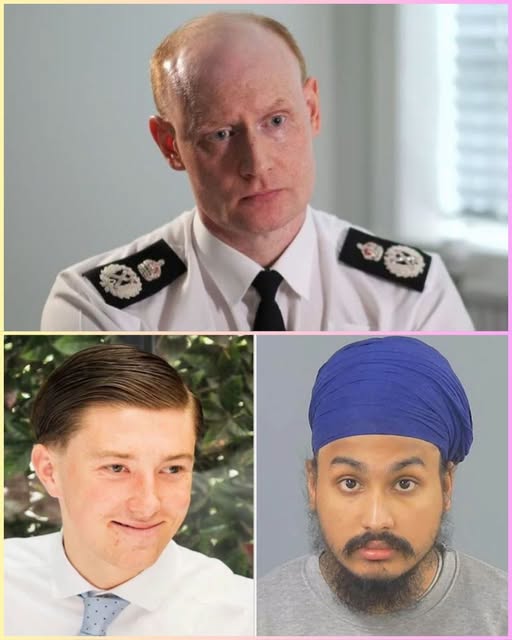
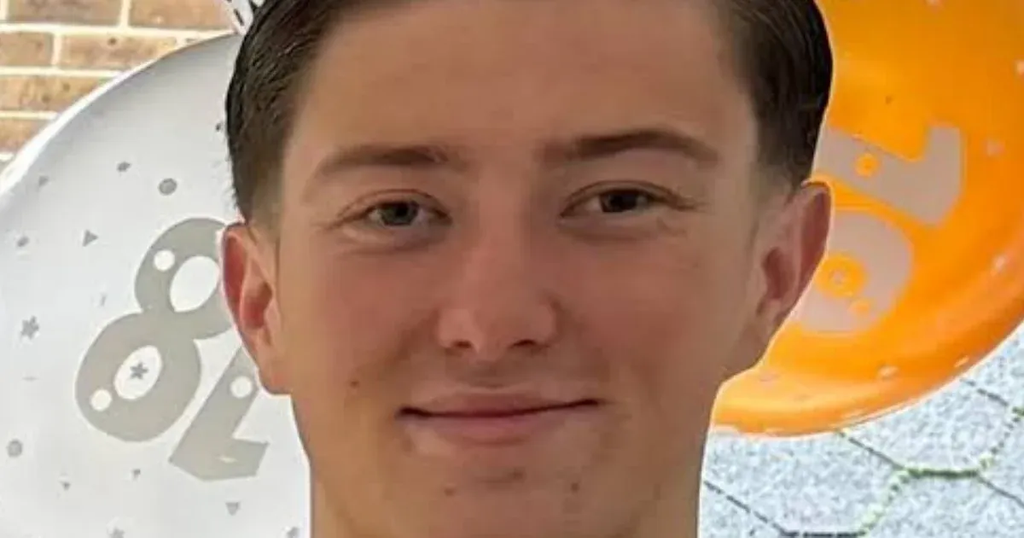
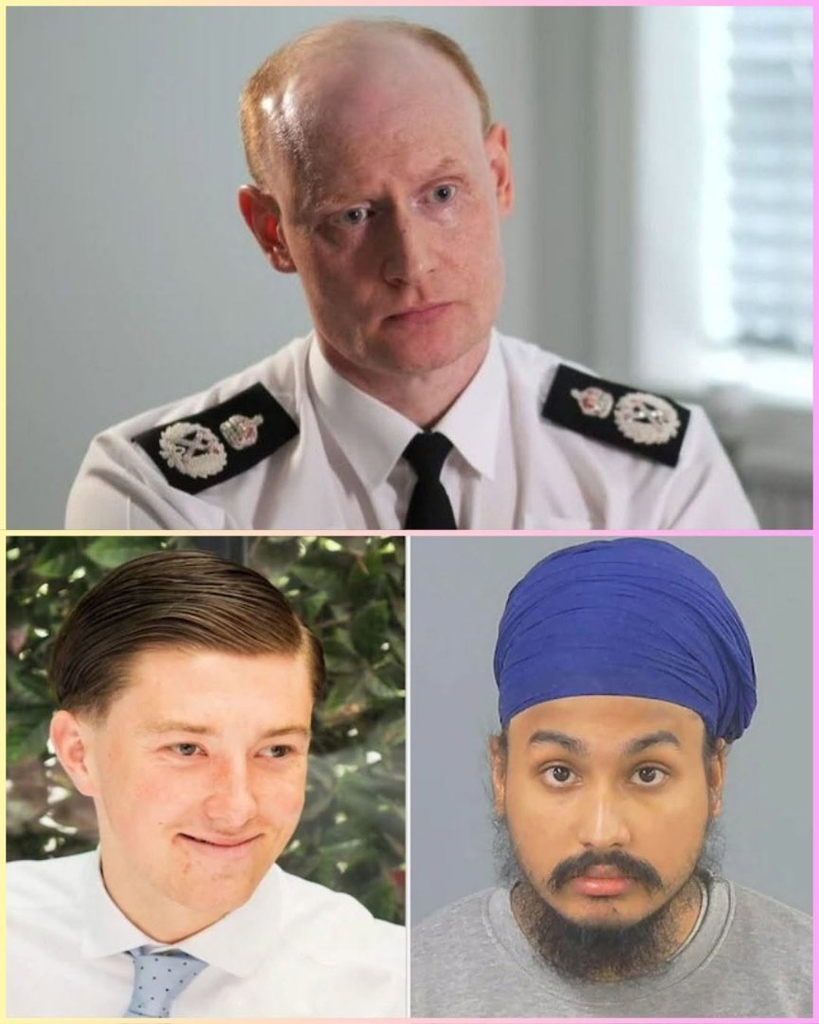
A police chief has issued a public apology over the treatment of murdered student Henry Nowak, who was handcuffed and arrested by officers as he lay dying from multiple stab wounds.
Hampshire and Isle of Wight Constabulary Chief Constable Alexis Boon admitted that his force had failed the 18-year-old in his final moments, following fresh criticism from Henry’s devastated family.
Two officers who attended the scene are now under investigation for potential gross misconduct, while the Government has ordered a separate independent review into the circumstances surrounding the murder and the treatment of Henry’s relatives.
The developments have brought renewed scrutiny to the police response on the night Henry was killed by Vickrum Digwa in Southampton on December 3, 2025.
Henry, a first-year university student, was walking home when he encountered Digwa, who was armed with a large dagger.
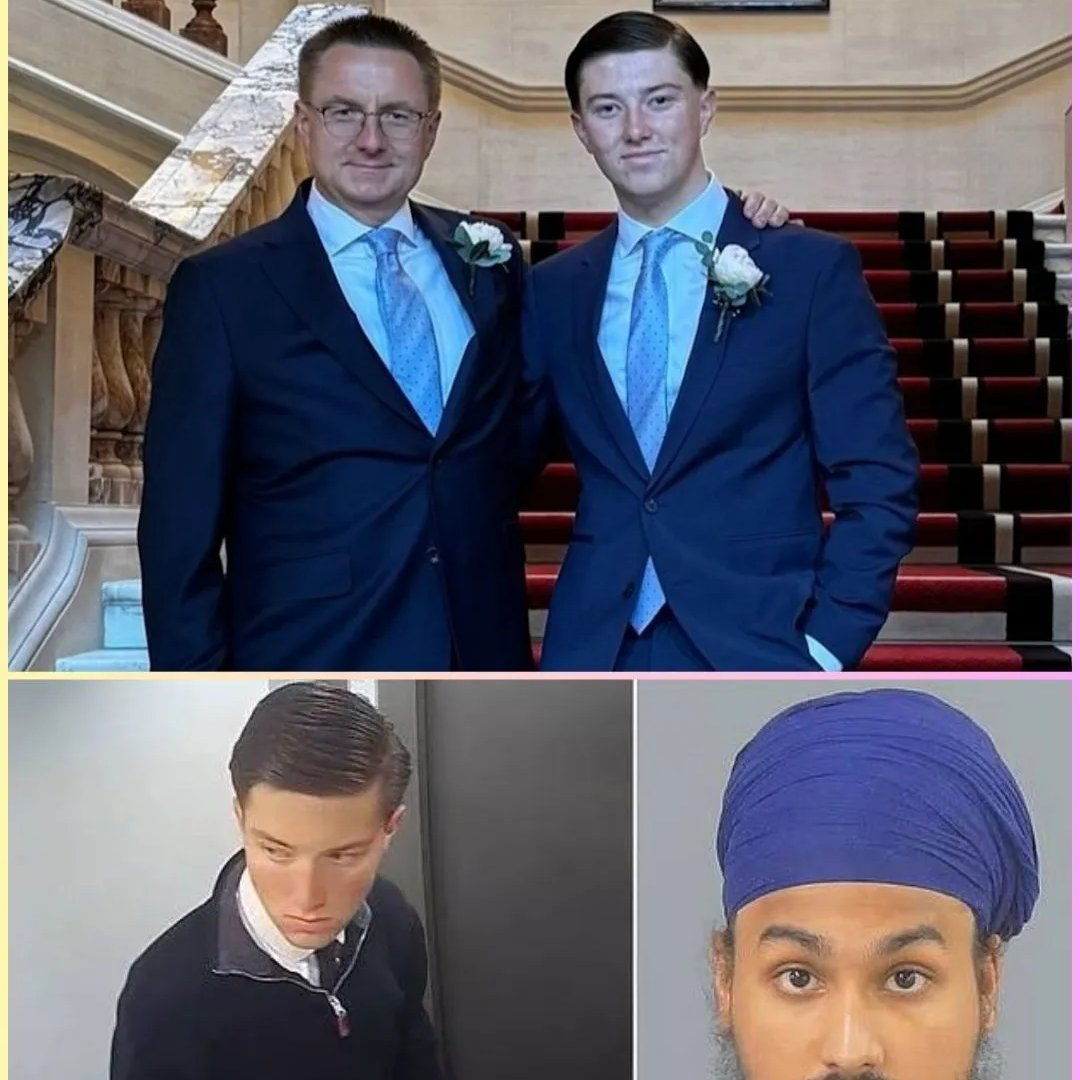
The two men were strangers.
Digwa stabbed Henry repeatedly, inflicting devastating injuries that ultimately proved fatal.
However, when police arrived at the scene, officers initially treated Henry as a suspect rather than recognising that he was the victim of a serious stabbing.
Body-worn camera footage subsequently showed officers handcuffing and arresting the teenager while he repeatedly pleaded for help.
Henry told police that he had been stabbed and was struggling to breathe.
Despite his desperate warnings, an officer appeared to dismiss his account, responding: “Don’t think you have, mate.”
The footage has since become central to questions about the conduct of the officers who attended the scene.
According to evidence heard during Digwa’s trial, police did not discover Henry’s fatal chest wound until approximately eight minutes after arriving.
By that stage, the teenager had become unresponsive.
Officers subsequently began CPR, but Henry could not be saved.
The trial heard that his injuries were so severe that he would not have survived even if medical assistance had been provided sooner.
Nevertheless, the circumstances surrounding his final moments have prompted widespread anger and calls for accountability.
In a statement issued following an ITV News investigation, Chief Constable Alexis Boon acknowledged the failings of his officers.
He said: “I am incredibly sorry that in his final moments, when he needed us most, we failed him.”
The admission followed an emotional interview with Henry’s family, who accused police of failing to provide an accurate account of what happened.
His father, Mark Nowak, said the family initially believed officers had immediately recognised the seriousness of Henry’s injuries and attempted to save his life.
However, they subsequently discovered that their son had been detained, handcuffed and arrested before receiving emergency medical attention.
Mark explained that the information provided to the family appeared to change over time.
What began as an account of officers immediately administering first aid later developed into an explanation that everyone at the scene had been detained.
The family were then informed that Henry alone had been detained, before learning that he had also been handcuffed and arrested.
by Taboola
Mark said the changing explanations left relatives feeling that they had not been told the truth.
Henry’s stepmother, Katie Nowak, expressed similar concerns.
She told ITV News that she feared the family had been manipulated during the darkest period of their lives.
Katie questioned whether some decisions had been made to protect the reputation of the police rather than support Henry’s grieving relatives.
The family also criticised the delay in being shown the police body-worn camera footage.
They said they did not see the recording of Henry’s arrest until the first day of Digwa’s murder trial.
The footage showed the teenager repeatedly telling officers that he could not breathe and had been stabbed.
His mother, Lucy Ross, said her son had pleaded for help numerous times.
She questioned why officers had dismissed his warnings when he was clearly in distress.
The family’s concerns have been compounded by the circumstances that led officers to treat Henry as a suspect.
Following the stabbing, Digwa falsely claimed that Henry had racially abused him and that he had acted in self-defence.
The claims were subsequently rejected during the criminal proceedings.
However, Henry’s relatives believe the false account influenced how officers responded when they arrived.
They have questioned why their son was restrained while the person responsible for stabbing him was initially treated differently.
The Independent Office for Police Conduct launched an investigation following a mandatory referral from Hampshire and Isle of Wight Constabulary.
Find Police JobsThe watchdog initially examined the actions of officers who attended the scene, including their use of handcuffs and the medical assistance provided.
However, the family have criticised the way that investigation developed.
In April 2026, they received correspondence from the IOPC indicating that the available evidence had not identified concerns sufficiently serious to justify disciplinary proceedings against officers at that stage.
The family say they were shocked when they subsequently viewed the body-worn camera footage during the murder trial.
Following the conclusion of the criminal proceedings, the watchdog reassessed the evidence and expanded its investigation.
On July 1, the IOPC confirmed that two officers who were first to arrive at the scene had been placed under investigation for potential gross misconduct.
The investigation is examining whether the officers breached professional standards relating to their duties and responsibilities, use of force and discreditable conduct.
Investigators are considering whether the officers failed to recognise Henry’s urgent need for medical attention.
They are also examining why immediate action was not taken after he said he had been stabbed and could not breathe.
Another central issue is the decision to arrest and handcuff Henry rather than provide immediate first aid.
The IOPC has also identified concerns about whether one officer failed to treat Henry with appropriate respect and courtesy when apparently dismissing his claims that he had been stabbed.
The watchdog has emphasised that being placed under investigation does not automatically mean an officer will face disciplinary proceedings.
No findings of gross misconduct have been announced.
The investigation remains ongoing, with the IOPC expected to determine whether there is sufficient evidence to justify further action.
Investigators are also examining the actions of police control room staff and the information passed to officers and ambulance personnel.
Another aspect of the inquiry concerns whether assumptions or prejudice relating to race, religion or community tensions influenced police decision-making.
The watchdog is considering complaints made by Henry’s family about differences between the treatment of their son and that of Digwa and his relatives.
These matters remain under investigation, and no conclusion has been announced that discrimination played a role.
The case has also prompted intervention from the Home Secretary.
Shabana Mahmood announced an independent review on October 26, appointing former Lord Chancellor Alex Chalk KC to lead the examination.
The review will consider whether authorities missed opportunities to prevent Henry’s murder.
It will examine information held about Digwa during the five years before the attack, including any relevant concerns involving violence, threatening behaviour or weapon possession.
The first phase will also investigate how Henry’s family were treated by the criminal justice system following his death.
This will include their interactions with the police, Crown Prosecution Service, courts and prison and probation services.
The review is expected to assess whether the family received appropriate information, communication and support.
Its first phase is due to report to the Home Secretary by March 2027.
A second phase will follow the conclusion of the IOPC investigation and will consider the watchdog’s handling of the case and, where necessary, the actions of police.
The Government has said the purpose of the review is to establish whether lessons can be learned to prevent another family experiencing a similar tragedy.
Meanwhile, the IOPC has issued a further statement confirming that its investigators remain in contact with Henry’s relatives.
On November 6, the watchdog said it was committed to establishing the full circumstances of the police response and determining whether any officers should face disciplinary proceedings.
It also acknowledged the family’s need for answers about why Henry was treated as he was during his final moments.
The watchdog said investigators had met members of the family on several occasions since Digwa’s conviction.
Those meetings have allowed relatives to raise concerns about the actions of police and the progress of the investigation.
The IOPC said it was working to conclude its enquiries as quickly as possible while ensuring all relevant evidence was properly examined.
The renewed scrutiny comes just days after Digwa’s prison sentence was increased by the Court of Appeal.
Digwa, 23, was convicted of murdering Henry in May 2026 and originally received a life sentence with a minimum term of 21 years.
On November 5, the Court of Appeal increased that minimum term to 25 years after the sentence was challenged under the Unduly Lenient Sentence scheme.
The ruling means Digwa must serve a longer minimum period before he can be considered for release.
However, the criminal proceedings against Henry’s killer are separate from the investigations into how police responded to the stabbing.
For Henry’s family, the conviction and increased sentence have not resolved their concerns about the treatment their son received.
They continue to seek answers about why officers failed to recognise him as the victim and why they were initially given an account that differed from what the body-worn camera footage showed.
Chief Constable Boon has acknowledged that the family’s concerns extend beyond the events of the night itself.
He said their treatment throughout the investigation and afterwards had also raised serious questions.
The police chief confirmed that the force would cooperate with the independent reviews and the IOPC investigation.
He also indicated that improvements would not necessarily wait until those processes had concluded.
The force has committed to learning lessons from the tragedy and improving the way victims and their families are treated.
For now, two officers remain under investigation for potential gross misconduct, while the wider review continues.
No final disciplinary findings have been announced.
The case has become a significant test of police accountability, with investigators examining not only the decisions made at the scene but also the information given to Henry’s family afterwards.
As the independent investigations continue, Henry’s relatives are demanding a full explanation of why their son was handcuffed and arrested when he desperately needed medical help.
Their questions remain at the centre of a case that has prompted a public apology from one of Britain’s senior police officers and a Government-commissioned review.