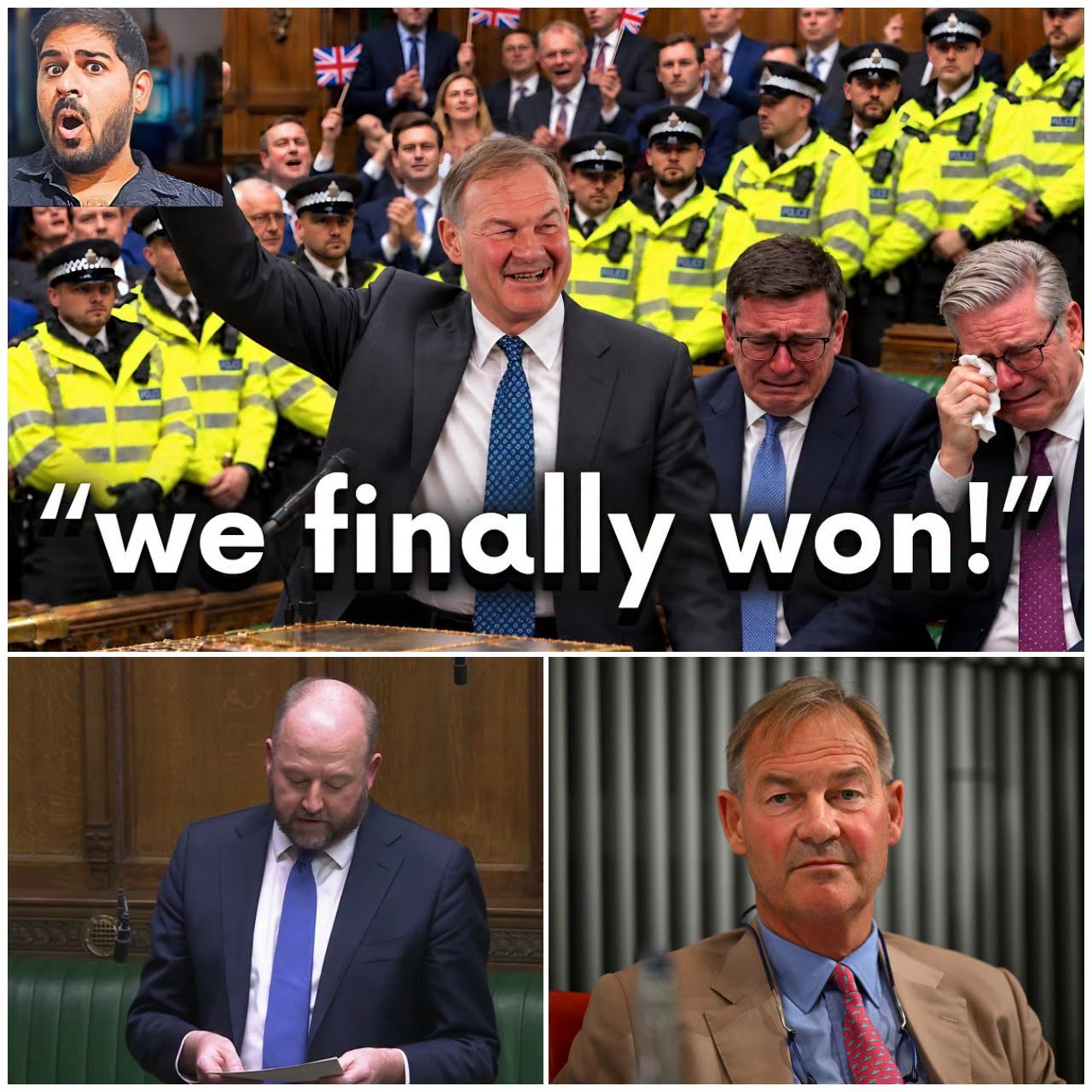
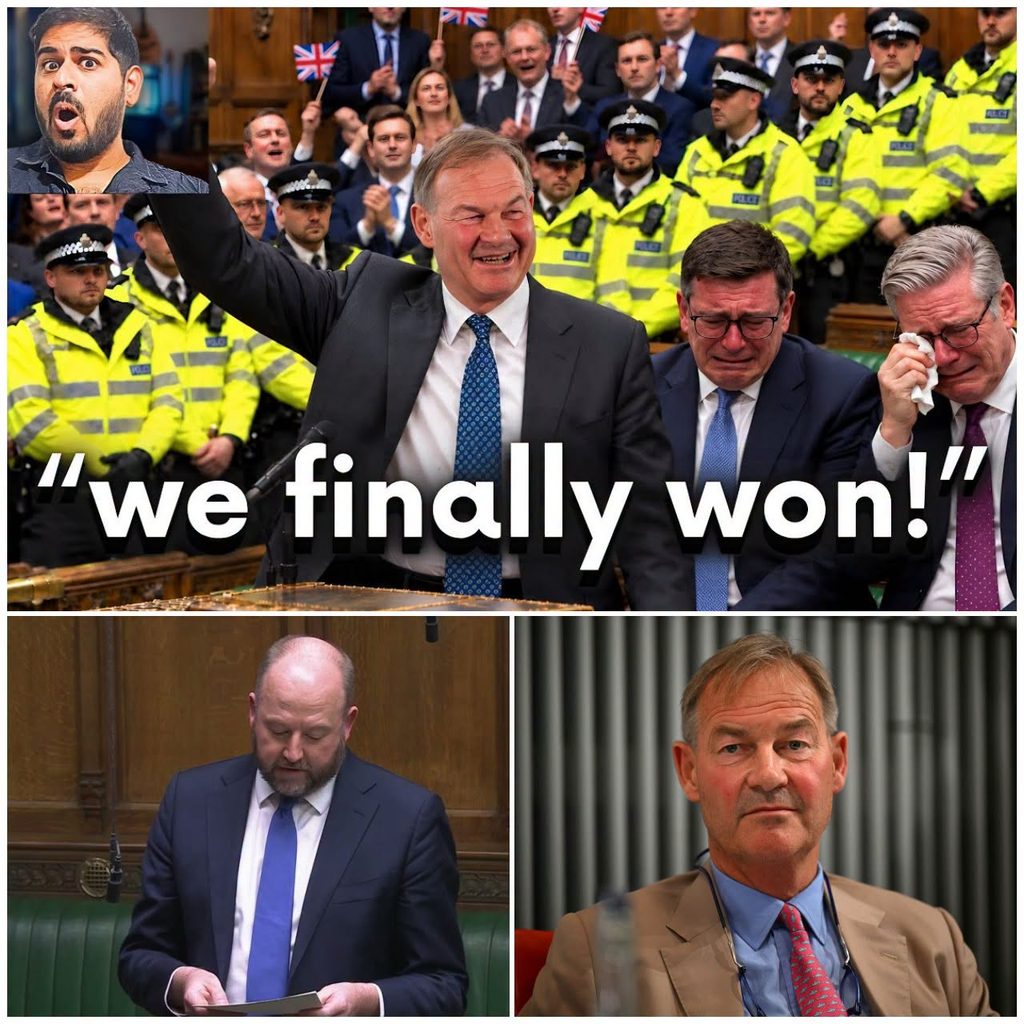
HISTORY MADE AS PARLIAMENT FINALLY REJECTS ISLAM!! A parliamentary decision has sparked intense debate across Europe. Supporters see it as a historic defence of national values, secular law and social cohesion, arguing that it challenges parallel systems they believe threaten Western societies. Critics, however, condemn the move as discriminatory and Islamophobic, warning that it unfairly targets an entire religion and risks deepening social divisions. The vote has sharply divided public opinion, with some calling it a necessary turning point and others viewing it as a dangerous step toward exclusion. The controversy raises a wider question: should other countries follow the same approach?
LONDON — Britain’s increasingly bitter debate over immigration, deportation and freedom of speech has returned to the political spotlight as MPs and campaigners push for tougher action on illegal migration while challenging what they describe as growing restrictions on criticism of religion.
At the centre of the controversy are Restore Britain MP Rupert Lowe and Conservative MP Nick Timothy, two politicians approaching the issue from different directions but united in arguing that Britain’s political establishment has failed to enforce existing boundaries.
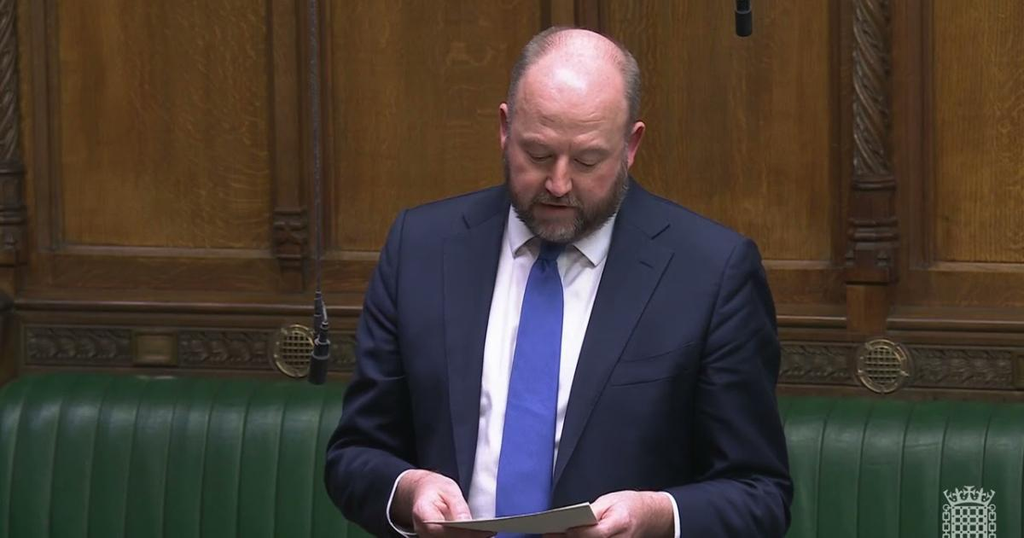
Lowe has put immigration at the heart of his political programme.
In material circulated online, he argues that foreigners who cannot financially support themselves should lose access to welfare and that people living in Britain illegally should be detained and removed.
He has also advocated removing foreign offenders and later examining the status of migrants who depend heavily on welfare.
The transcript supplied with the viral video records Lowe saying that Britain should first deal with illegal arrivals, people residing illegally and foreign criminals before addressing people he argues are “living here on welfare, not contributing.”
Those are not merely comments from an online interview.
In July 2026, Lowe took his deportation campaign directly into Parliament.
Speaking during a Westminster Hall debate, he referred to a petition signed by more than 720,000 people and argued for a programme of mass removal of migrants who do not have a legal right to remain in Britain.
He said a Restore Britain government would seek to deport all illegal migrants and overhaul legal barriers that he believes prevent removals.
Lowe currently represents Great Yarmouth and has been affiliated with Restore Britain since March 2026, according to Parliament’s official records.
But the other major confrontation concerns something very different:
Can people freely criticise Islam, Christianity or any other religion without risking prosecution under public-order legislation?
Nick Timothy attempted to address that issue through his Freedom of Expression (Religion or Belief System) Bill.
Speaking in the House of Commons, Timothy argued that people should remain legally free to satirise, criticise or mock religious beliefs.
He explicitly applied that principle both to Islam and Christianity.
“I do not mind if Muhammad is satirised, criticised or mocked,” Timothy told MPs, before adding that he did not believe anyone should be prosecuted for doing the same to Jesus.
His proposal focused on the Public Order Act 1986.
Timothy argued that sections dealing with threatening, abusive or insulting conduct risked being used in a way that effectively created what he called a “de facto blasphemy law.”
His bill sought to expand existing protections for discussion and criticism of religion to additional sections of the Public Order Act and communications legislation.
The House agreed to allow Timothy to introduce the bill.
That moment is the basis for some viral claims that Parliament had “rejected Islam”.
But that description dramatically overstates what happened.
Parliament did not vote to reject Islam, Muslims or religious freedom.
It allowed an MP to formally introduce a proposed law dealing with the limits of criminal liability for speech about religion.
Under the Ten Minute Rule procedure, approval to introduce a bill is only an early parliamentary step and does not mean that the bill has become law.
In fact, the bill never completed the legislative process.
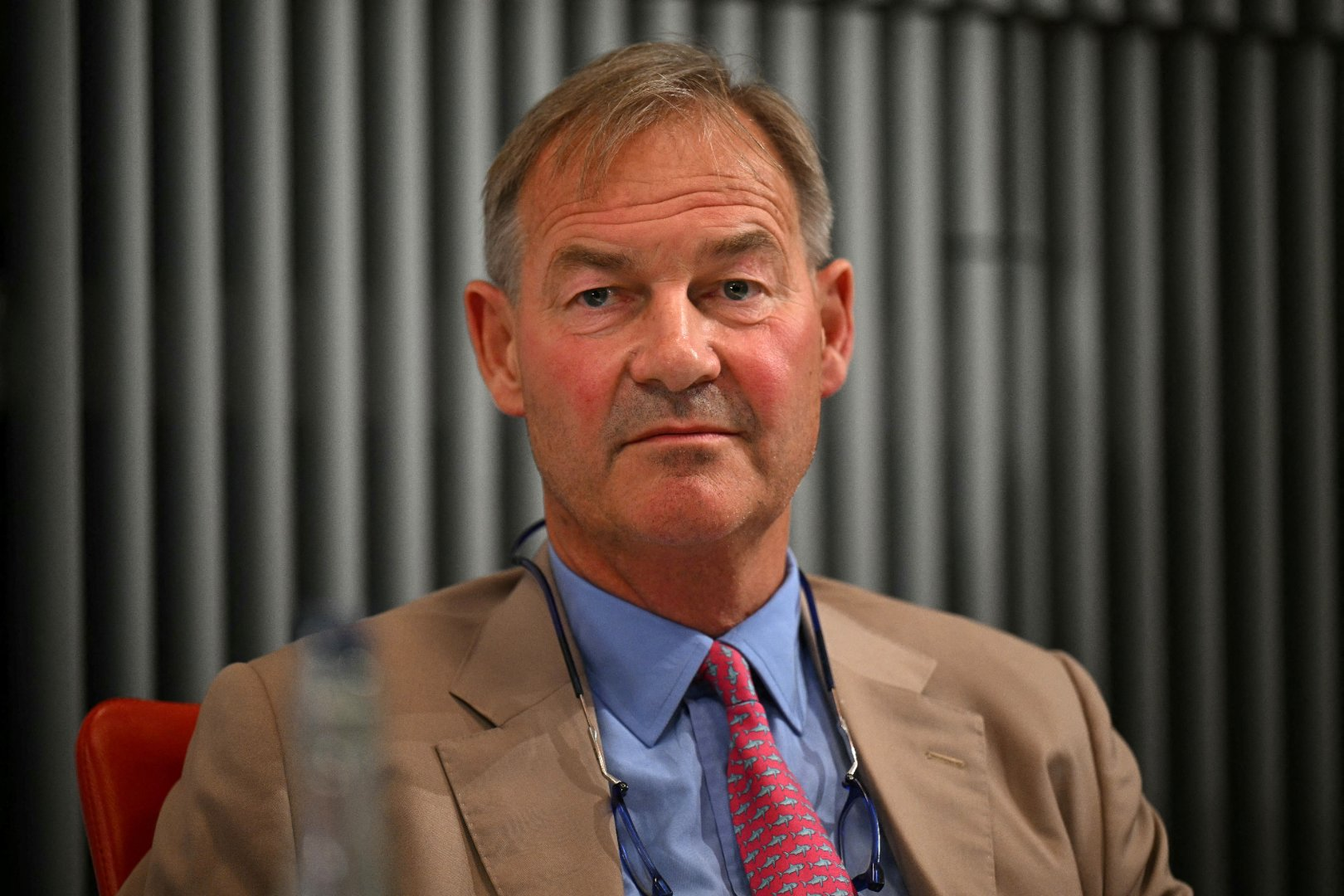
UK Parliament’s official bill tracker states that the parliamentary session ended before it could make further progress.
It therefore did not become an Act of Parliament.
The Government has meanwhile taken its own position.
In its response to a parliamentary inquiry on extremism, it stated explicitly that “there is no law against blasphemy in this country” and that it would not introduce legislation creating a de facto blasphemy regime.
At the same time, the Government stressed that it would act against intimidation connected with accusations of blasphemy while also enforcing laws against anti-Muslim hate crime.
That distinction sits at the heart of the controversy.
Free expression protects the right to criticise religious doctrines.
Freedom of religion protects people’s right to practise their faith.
And existing criminal law can still apply where conduct crosses into threats, harassment or other offences.
The political fight therefore is not simply “Islam versus Parliament”.
It is a much broader dispute over where Britain should draw the line between religious freedom, offensive speech, public order and intimidation.
At the same time, Lowe’s deportation campaign is pushing another boundary: how far Britain should go in restricting welfare, detention and removal of people without legal status.
His critics argue that sweeping deportation policies could create major legal, practical and human-rights challenges.
Supporters argue that immigration law has little meaning if removal orders cannot ultimately be enforced.
These debates are now converging into a much larger political argument.
Who should be allowed to remain in Britain?
What obligations should taxpayers have toward non-citizens?
How much protection should controversial speech receive?
And when does protecting one group from intimidation become an unjustified restriction on another person’s freedom of expression?
Those questions are unlikely to disappear.
But one point is already clear:
Britain has not “rejected Islam”.
What Parliament is actually confronting is far more complicated — a growing battle over immigration enforcement, freedom of speech and the limits of state power in an increasingly polarised country.