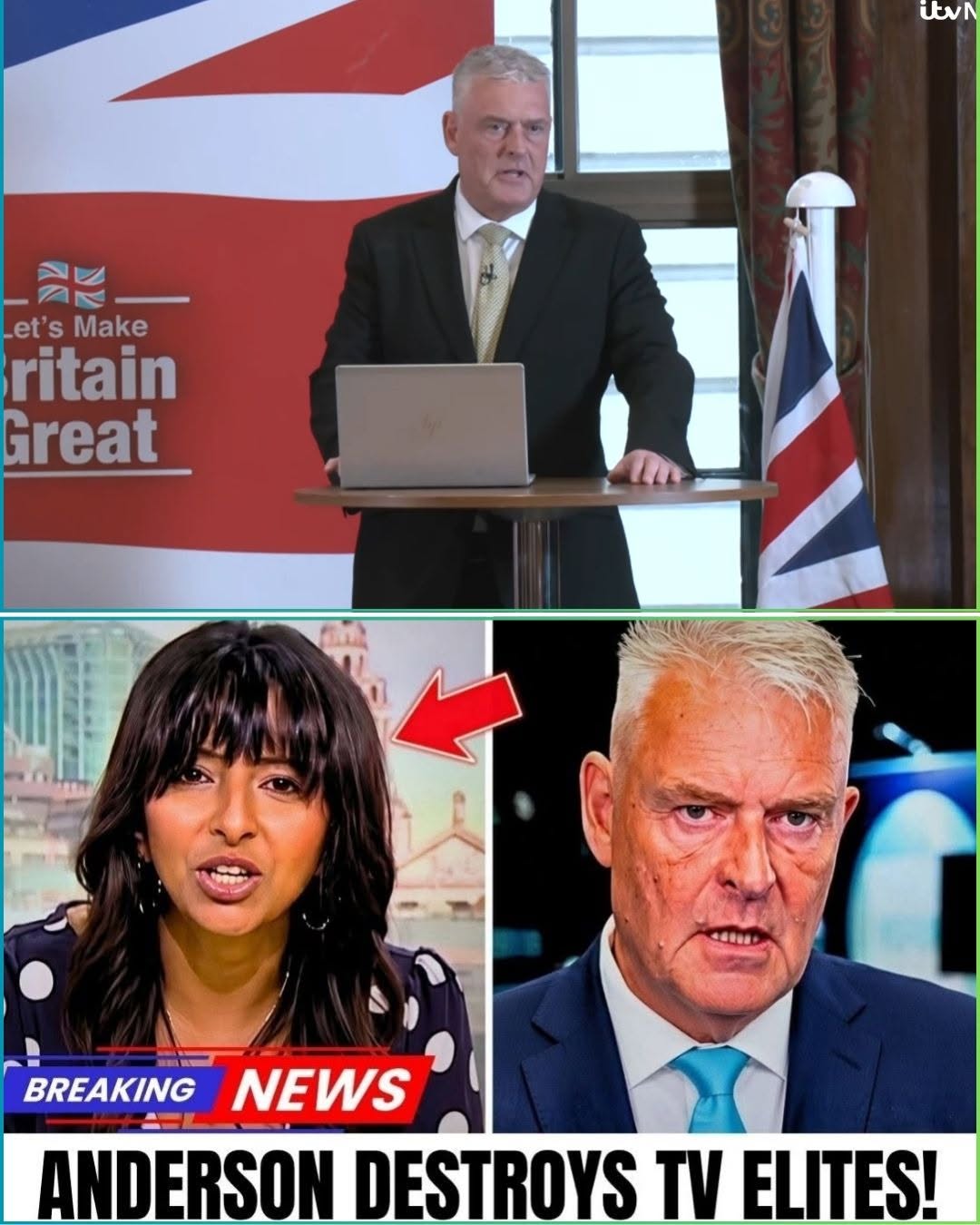
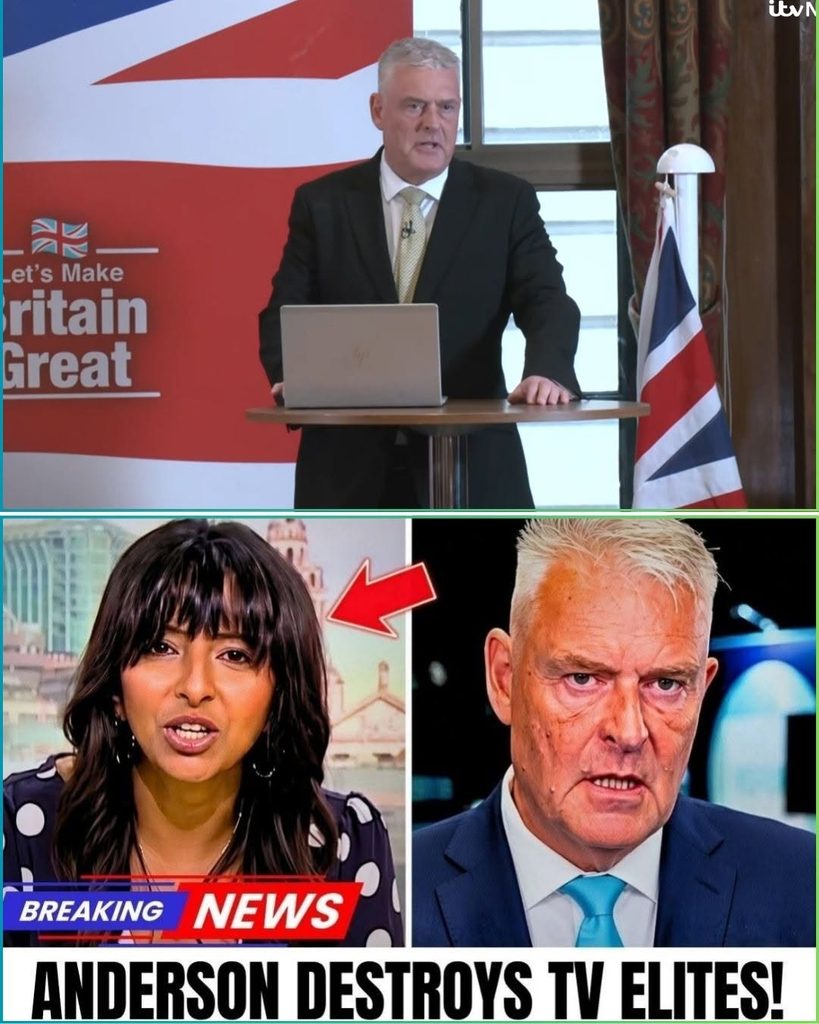
A live television interview on Good Morning Britain devolved into a tense exchange when presenters pressed Reform UK MP Lee Anderson regarding a controversial social media post made by the party’s chairman, Zia Yusuf. The clash occurred on the opening morning of Reform UK’s party conference, highlighting the ongoing friction between the populist party and mainstream media outlets.
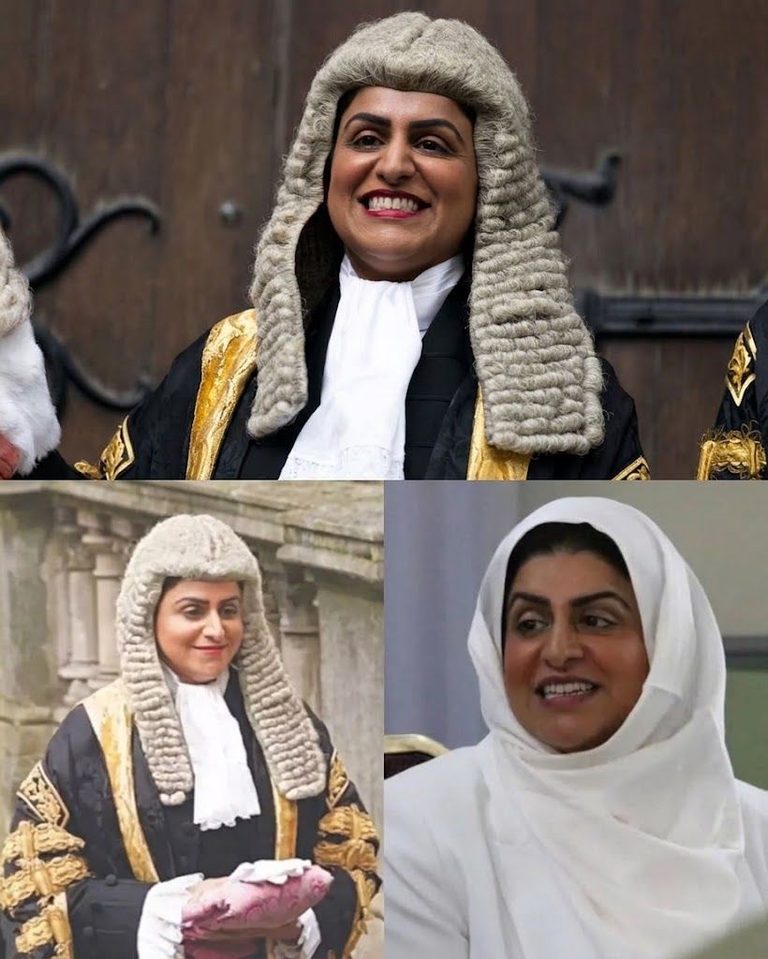
The interview quickly shifted focus to a recent post by Yusuf on X (formerly Twitter). The post criticized the Labour Party’s selection for the Holborn constituency, a seat recently vacated by Sir Keir Starmer. Yusuf’s post noted that the frontrunner, Abdi Duale—who came to the UK as a child refugee—was “born in Somalia,” followed by the question, “Do you understand what’s happening?”
The presenters confronted Anderson, stating that Yusuf’s post had been “roundly condemned by people on all sides of politics as being outright racist,” and directly asked Anderson if there was a “racism problem” within Reform UK.
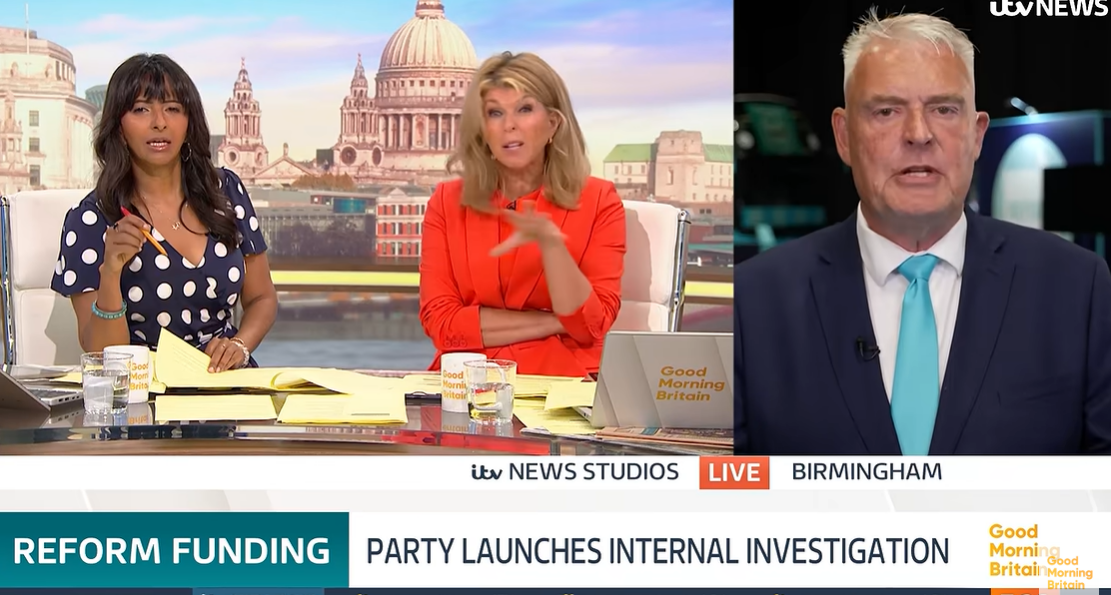
Anderson emphatically denied the accusation, stating, “There’s no racism problem within Reform UK.” When pressed repeatedly on what Yusuf meant by the post, Anderson declined to answer on his colleague’s behalf. He cited his recent return from a vacation and subsequent travel directly to the conference as the reason he had not yet spoken to Yusuf about the specific tweet. Anderson suggested that the presenters should locate Yusuf later at the conference, noting that the chairman is “always very happy to talk to the media.”
The presenters pushed back against Anderson’s deferral, suggesting that as a leading figure in a party aiming for government, he should be briefed on major controversies and capable of addressing them. “People need confidence that the party chairman is across it and can address it, so I don’t feel that it’s unfair questioning,” one presenter noted.
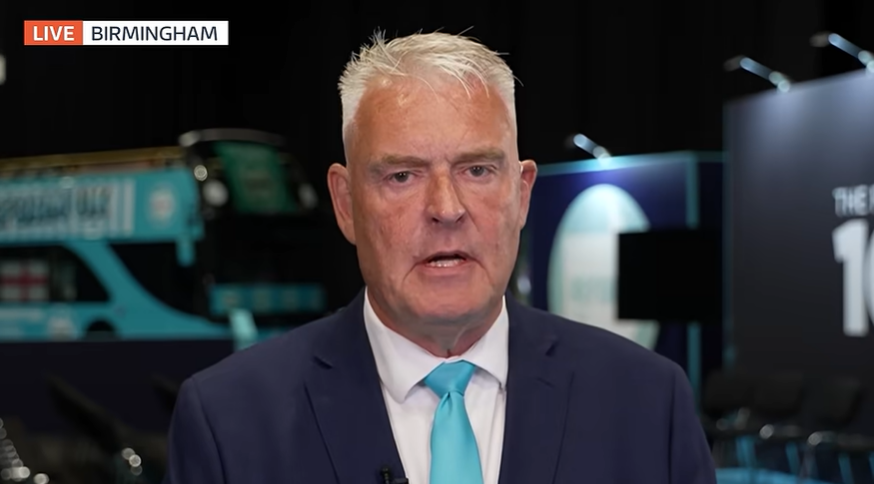
Anderson acknowledged the presenters’ role in scrutinizing politicians but forcefully rejected their framing of the situation. He shifted the focus from media criticism to voter sentiment, arguing that the ultimate arbiters are the British public. “The real people that count in the real world who do scrutinize political parties are the public,” Anderson declared. “They will scrutinize us at the next general election. They will go to the ballot box in massive numbers, and I’m pretty sure they’re going to vote for us.”
The confrontation underscores the hostile dynamic between Reform UK and legacy media organizations. Conservative commentators immediately seized on the interview, accusing the network of deploying a coordinated “smear” campaign designed to overshadow Reform UK’s conference. Conversely, critics argue the exchange demonstrated an evasion of accountability by senior party leadership regarding potentially inflammatory rhetoric from its chairman. The incident further cements Reform UK’s strategy of positioning itself in direct opposition to established media narratives as it builds toward the next general election.