Protest Policing, Immigration Fraud Claims and the Growing Debate Over Trust in Britain’s Institutions

Introduction: A New Political Flashpoint Over Policing and Public Confidence
A new political controversy has emerged in Britain as debates over immigration enforcement, protest policing and the treatment of veterans become increasingly connected in public discussions.
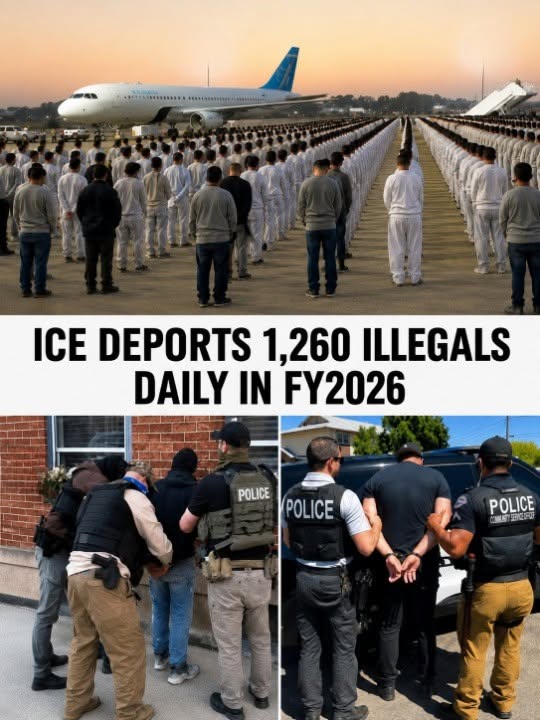
The argument has intensified after claims circulated comparing immigration enforcement actions in the United States with policing decisions during demonstrations in the United Kingdom. Supporters of stricter immigration controls argue that governments should prioritise tackling illegal activity, including immigration fraud and organised crime, while critics warn that political pressure must not influence policing decisions or undermine the rule of law.
At the centre of the debate is a wider question that has become increasingly important across many Western democracies: how can governments maintain public order while protecting democratic freedoms?
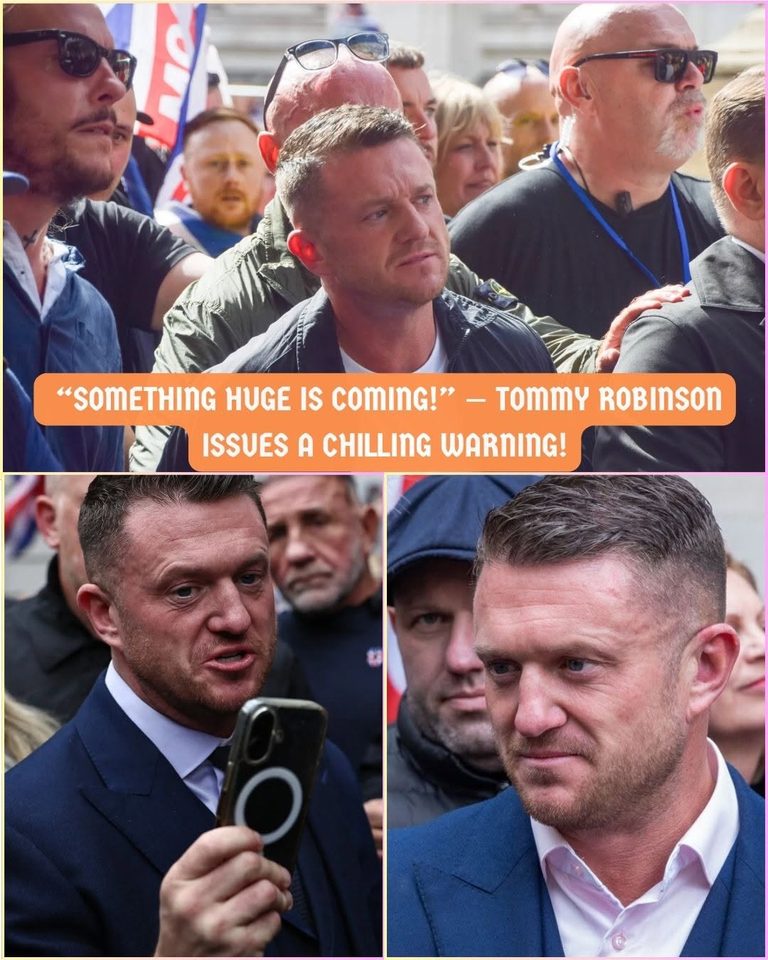
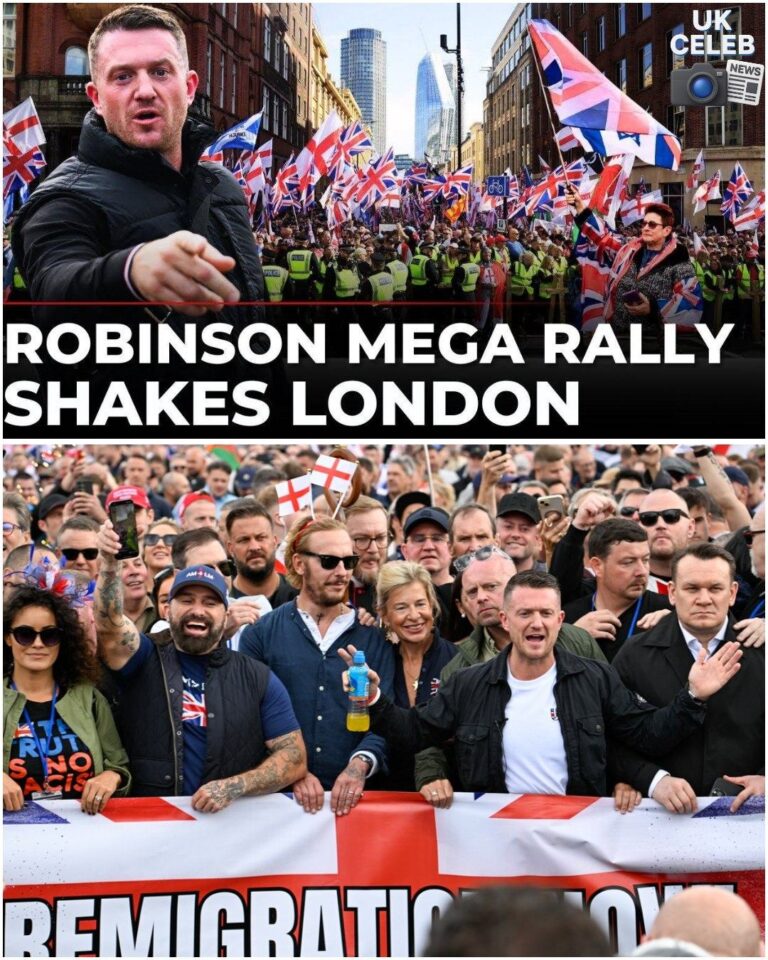
Recent demonstrations linked to immigration concerns have placed police forces under significant pressure. Officers have been required to balance competing responsibilities — protecting public safety, allowing lawful protest and responding to potential criminal behaviour.
For some critics, the handling of certain protests has created a perception that authorities apply rules differently depending on the political views of those involved.
Government supporters reject that accusation, arguing that policing decisions are based on evidence, risk assessments and legal frameworks rather than political opinions.
The disagreement reflects a deeper issue: declining public trust in institutions and growing suspicion about whether governments and authorities treat different groups equally.
Immigration Enforcement and the International Comparison Debate
Across the Atlantic, immigration enforcement has also become a major political issue.
Reports of large-scale investigations into alleged immigration fraud involving Somali immigrants in the United States have attracted attention among commentators who argue that immigration systems require stronger oversight.
The FBI and other federal agencies have conducted investigations into immigration-related offences, including cases involving alleged fraudulent documentation or violations of immigration rules.
However, immigration enforcement cases are complex. Each investigation involves specific evidence, legal procedures and individual circumstances. Authorities must establish wrongdoing through proper legal processes rather than assumptions based on nationality or background.
The issue highlights a challenge faced by many countries: maintaining confidence in immigration systems while ensuring enforcement actions follow legal standards.
In Britain, similar debates have focused on illegal Channel crossings, asylum applications and concerns about the ability of government agencies to process cases efficiently.
Critics argue that failures in immigration control can damage public confidence and place pressure on housing, healthcare and local services.
Government officials have responded by emphasising the need for practical solutions, international cooperation and reforms designed to reduce illegal migration.
Portsmouth Protests and the Debate Over Mask Restrictions
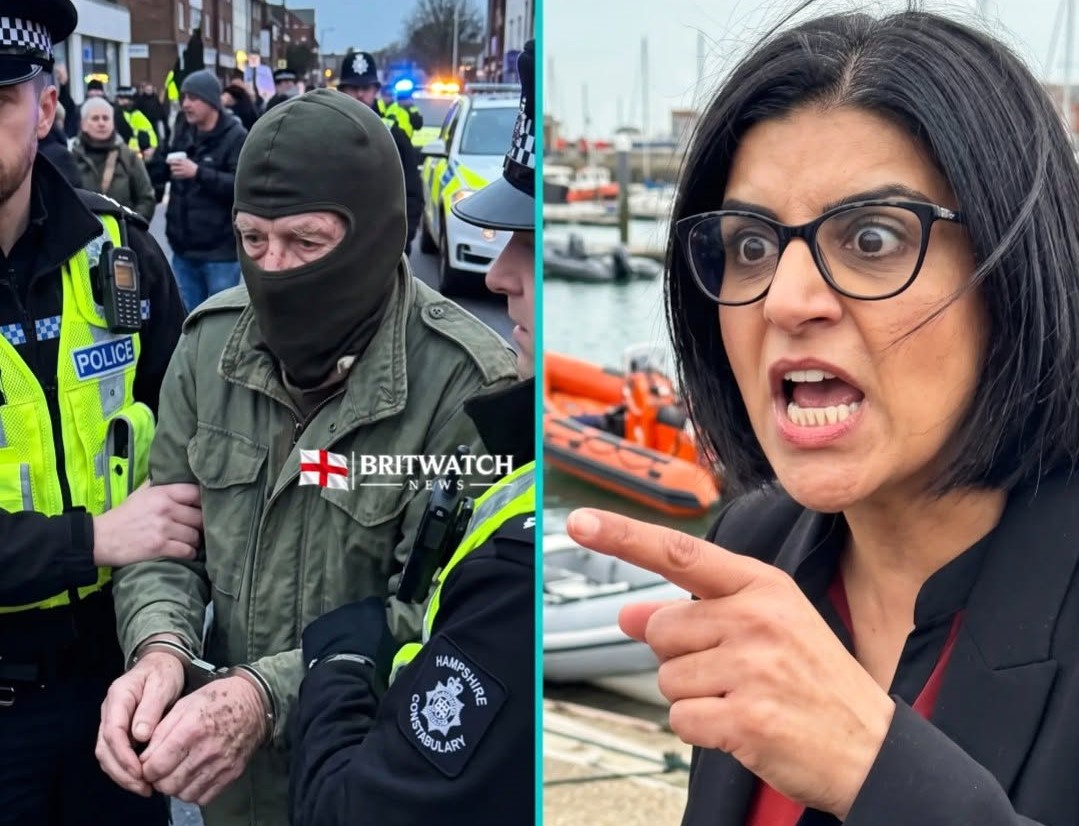
In the United Kingdom, protests connected to immigration policies have generated significant controversy, particularly around the use of face coverings during demonstrations.
Police forces have powers under existing legislation to impose restrictions in certain circumstances where there are concerns about public safety, criminal activity or the identification of individuals involved in offences.
Supporters of stronger enforcement argue that people attending demonstrations should not be allowed to hide their identities if authorities believe masks could be used to facilitate crime.
They say anonymity can make it harder for police to investigate incidents and hold individuals accountable.
However, critics argue that wearing a face covering does not automatically indicate criminal intent.
Some people choose to cover their faces for personal reasons, including concerns about online harassment, employment consequences or privacy.
The central legal question is therefore not simply whether someone wears a mask, but whether authorities can demonstrate that restrictions are necessary and proportionate in a specific situation.
This distinction has become a major part of the wider political debate.
The Accusations of “Two-Tier Policing”
One of the most repeated criticisms from some political groups is the claim that Britain has developed a system of “two-tier policing”.
Those making the accusation argue that different protest movements have been treated differently depending on their political message.
They point to previous demonstrations involving groups from across the political spectrum and question whether police responses have always been consistent.
Supporters of this criticism say public confidence depends on people believing that laws are applied equally regardless of ideology.
However, police leaders have repeatedly rejected claims that officers operate according to political preferences.
They argue that every protest is assessed individually based on factors such as intelligence, risk of disorder, threats to public safety and evidence of criminal behaviour.
The challenge for police forces is that public perception can be influenced not only by what officers do, but also by how decisions are explained.
A lack of communication can create suspicion, even when decisions are legally justified.
Veterans and the Political Debate Over Respect and Recognition
Another emotional aspect of the controversy involves veterans.
Many former members of the armed forces have expressed concerns about how they are treated by society and government.
Veterans often represent themes of national service, sacrifice and loyalty, which makes debates involving former soldiers particularly sensitive.
Some critics argue that a government asking citizens to support future defence commitments must also demonstrate respect toward those who previously served.
They question whether policies affecting veterans reflect sufficient appreciation for their contribution.
Others argue that political disagreements should not be interpreted as a lack of respect for the armed forces.
Governments of different political parties have historically faced criticism from veterans’ groups over issues including healthcare support, housing, employment and administrative difficulties.
The relationship between governments and veterans is therefore broader than any single protest or political dispute.
Freedom of Expression, Flags and National Identity
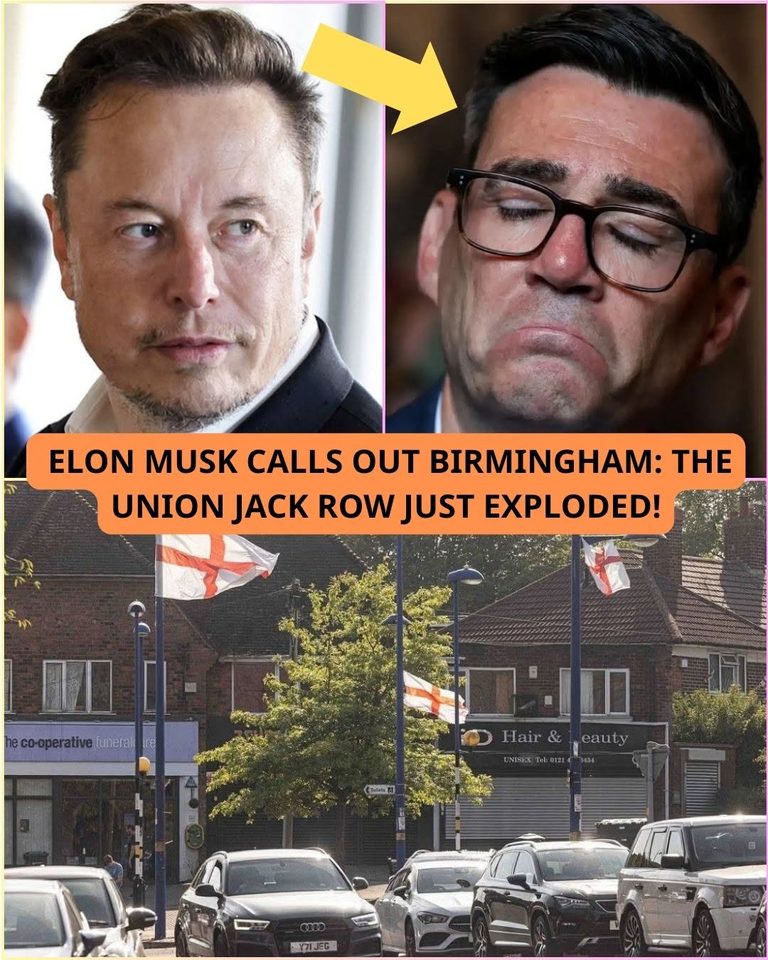
Another part of the debate concerns national symbols and freedom of expression.
Flags, slogans and public demonstrations have always played an important role in political movements.
Supporters of stronger national identity policies argue that citizens should have the right to express pride in their country without fear of criminal consequences.
Critics, however, argue that context matters.
A symbol displayed peacefully is different from a symbol used alongside threats, intimidation or violence.
Modern democracies constantly face the challenge of protecting free expression while preventing genuine harm.
The legal distinction between offensive speech and criminal behaviour is often debated, particularly during periods of heightened political tension.
Government Transparency and Public Trust
A recurring theme in immigration debates is transparency.
Critics often argue that governments should release more information about immigration numbers, enforcement outcomes and public spending.
They say transparency allows citizens to judge whether policies are working.
Governments, meanwhile, sometimes argue that releasing certain information could interfere with legal processes, investigations or individual privacy rights.
This tension between transparency and confidentiality exists across many areas of public policy.
However, when trust in institutions declines, demands for openness become stronger.
Citizens often want clear explanations about how decisions are made and why certain priorities receive attention.
Are Governments Facing a Crisis of Trust?
The controversy surrounding immigration, protest policing and veterans reflects a wider political trend.
Across many countries, citizens increasingly question whether traditional institutions represent their concerns.
Issues such as migration, crime, economic pressure and national identity have become central political subjects because they directly affect people’s daily lives.
For some voters, the biggest concern is whether governments can maintain control over borders and public safety.
For others, the priority is protecting democratic freedoms and preventing excessive state power.
Both concerns exist simultaneously, creating difficult choices for policymakers.
A successful approach requires maintaining security without damaging civil liberties.
Conclusion: Balancing Security, Freedom and Fairness
The debate over immigration enforcement, protest policing and treatment of veterans is unlikely to disappear soon.
Supporters of tougher policies argue that governments must act decisively to protect citizens and maintain confidence in national institutions.
Critics warn that strong enforcement must always operate within the boundaries of law and respect democratic rights.
The challenge facing Britain is not simply choosing between security and freedom.
It is finding a balance where both can exist.
A society built on the rule of law requires effective enforcement, but it also requires public trust.
When citizens believe institutions are fair, transparent and accountable, cooperation becomes easier.
When trust declines, even lawful decisions can become sources of political conflict.
As Britain continues to debate immigration, national security and public order, the central question remains the same:
How can a modern democracy protect its people while ensuring that the principles it claims to defend remain protected as well?