Old Giorgia Meloni Remarks Resurface, Reigniting Europe-Wide Debate Over Immigration, Integration, and National Identity
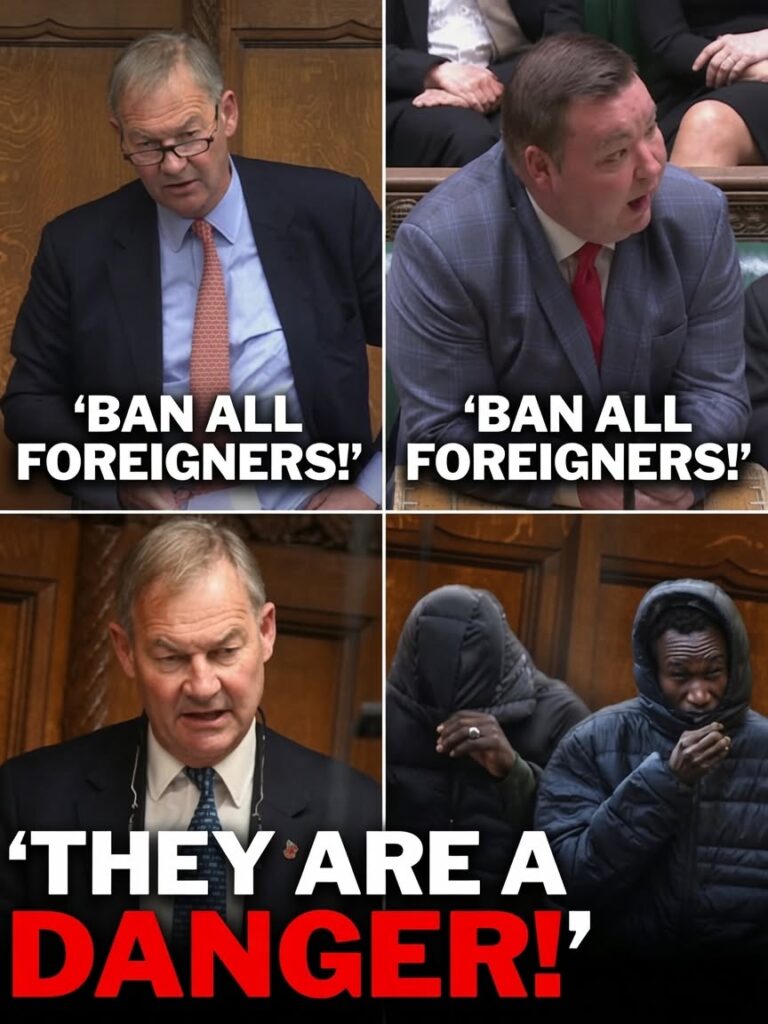
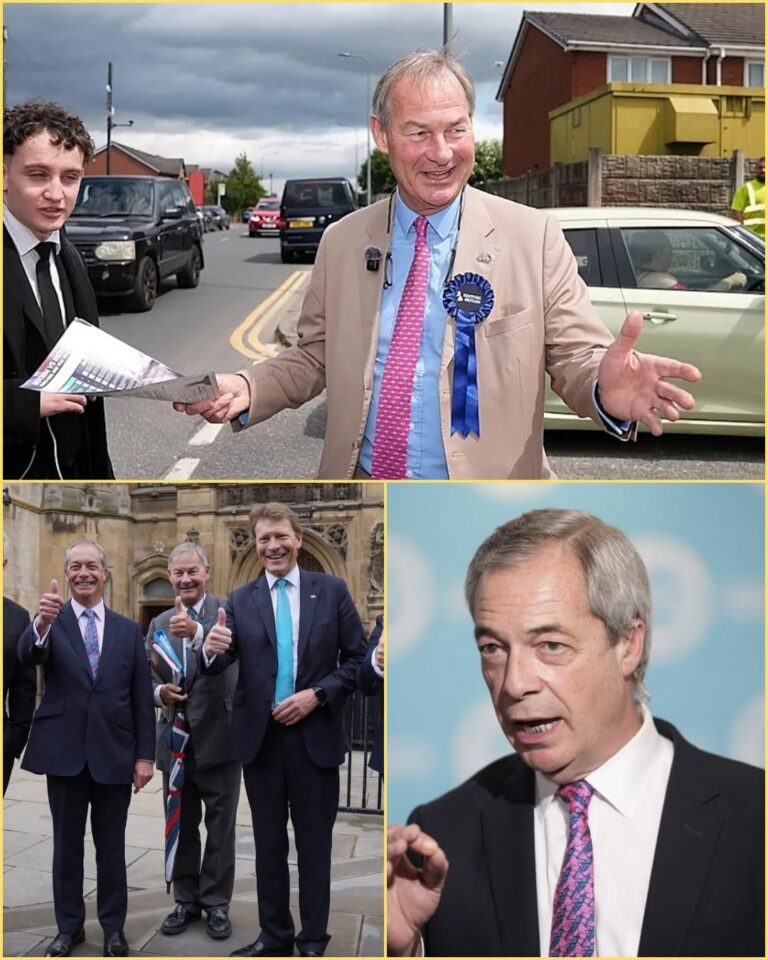
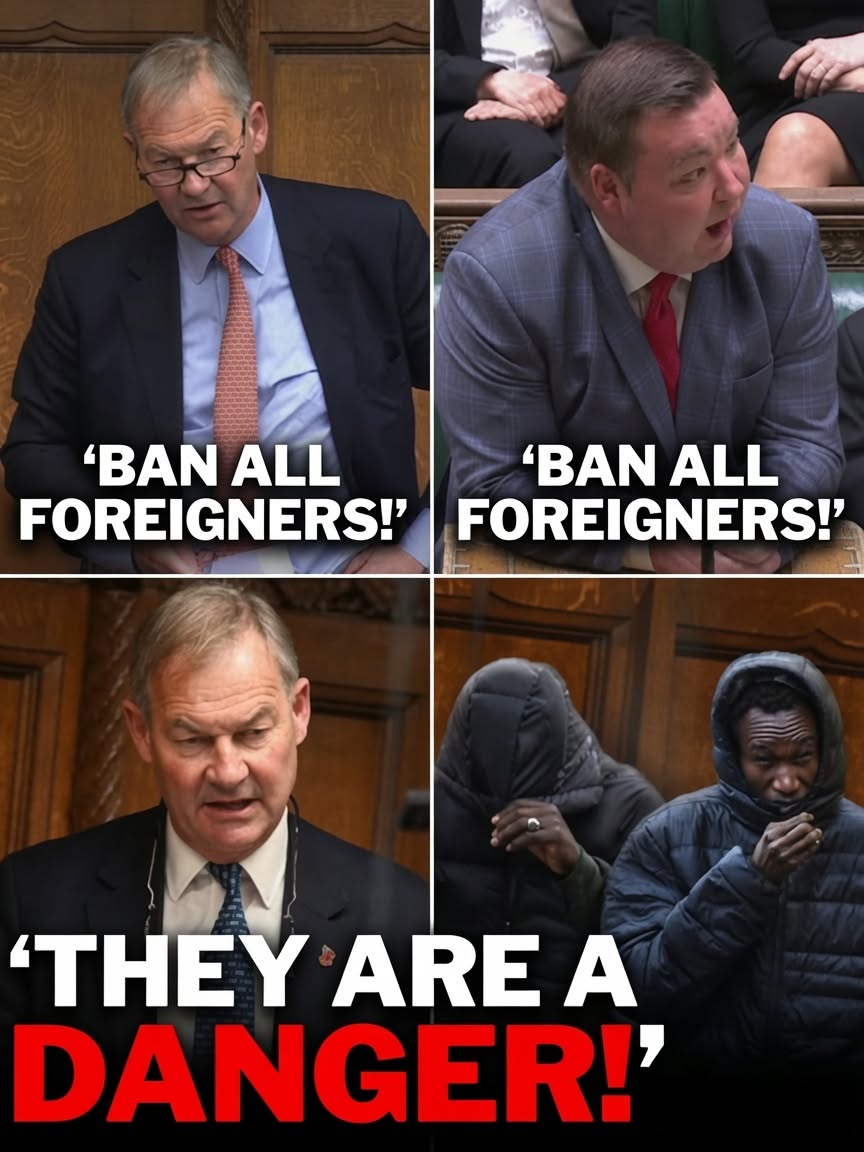
A speech delivered by independent MP Rupert Lowe in Westminster has once again placed migration, public safety, and government policy at the center of Britain’s political conversation. During his address, Lowe argued that current migration policies are failing to address concerns raised by many members of the public, particularly regarding border control, law enforcement, and confidence in public institutions. His remarks quickly attracted widespread attention across Parliament, traditional media, and social media platforms, prompting both strong support and sharp criticism. Supporters praised the speech as a candid assessment of issues they believe have been ignored for too long, while critics argued that several of his conclusions require greater context and warned against linking complex social challenges to migration alone. The rapid reaction demonstrates how immigration continues to be one of the most politically sensitive and closely watched issues in modern British politics.
The atmosphere surrounding Westminster was already politically charged before Rupert Lowe rose to speak, but within minutes his remarks had become one of the day’s biggest talking points. His speech focused heavily on migration policy, border security, and public confidence in the government’s ability to manage both. Lowe argued that Britain has reached a critical moment where difficult questions can no longer be postponed, insisting that policymakers must confront concerns that many citizens have been raising for years. As clips from his speech began circulating online, commentators from across the political spectrum immediately began analyzing both his arguments and the broader implications of his message. By the end of the day, his speech had become one of the most discussed political events in Westminster. One of the central themes of Lowe’s address was his assertion that immigration policy should prioritize effective border management before addressing broader integration strategies. He argued that any country’s immigration system must begin with the principle that elected governments should retain control over who enters and under what conditions. According to Lowe, restoring public confidence requires demonstrating that immigration laws are enforced consistently and transparently. He maintained that concerns about border management should not automatically be dismissed as politically controversial, but instead should be debated openly within a democratic society. His comments reflected positions that have become increasingly prominent within parts of Britain’s political landscape.
Lowe also linked migration to broader public safety concerns, arguing that citizens deserve reassurance that government agencies possess the necessary resources and legal frameworks to maintain order. He did not present migration as the sole cause of crime or public disorder, but argued that rapid population changes, when not effectively managed, can create additional pressures for policing, housing, healthcare, and local government services. Supporters interpreted these remarks as an attempt to highlight practical policy challenges rather than assign blame to specific communities. Critics, however, cautioned that public safety is influenced by numerous factors, including economic conditions, policing strategies, education, and social investment. The differing interpretations quickly became another focal point of the national discussion.
Almost immediately after the speech concluded, reactions began emerging from politicians representing multiple parties. Some lawmakers agreed that migration policy deserves more open debate and welcomed Lowe’s willingness to address issues they believe resonate with many voters. Others rejected his conclusions, arguing that Britain’s immigration challenges cannot be reduced to a single narrative and require balanced policy responses supported by evidence. Several MPs emphasized the importance of distinguishing between irregular migration, legal immigration, refugees, international students, and skilled workers, noting that each category raises different legal and policy considerations. The parliamentary response reflected the complexity of the issue rather than a simple division between supporters and opponents.
Across social media, the debate expanded rapidly. Video excerpts from Lowe’s speech accumulated hundreds of thousands of views as users shared clips highlighting different sections of his address. Supporters praised his direct communication style, describing the speech as an example of a politician articulating concerns that they believe are often underrepresented in mainstream political debate. Critics circulated their own responses, arguing that isolated clips cannot fully capture the broader realities of migration policy and cautioning against drawing sweeping conclusions from emotionally charged political rhetoric. The online discussion illustrated how modern political speeches often continue evolving long after they conclude inside Parliament.
Immigration has remained one of Britain’s defining political issues since the Brexit referendum, and Lowe’s speech arrived against that historical backdrop. Questions surrounding border control, asylum processing, labor shortages, economic growth, humanitarian obligations, and international cooperation continue to shape public debate. Different governments have introduced a variety of policies intended to reduce irregular migration while maintaining legal immigration pathways for workers, students, and families. Yet public opinion remains deeply divided regarding whether those policies have achieved their intended objectives. Lowe’s intervention therefore tapped into an already ongoing national conversation rather than creating an entirely new one.
Supporters of Lowe’s arguments frequently point to opinion polling suggesting that immigration consistently ranks among the issues British voters consider most important. They argue that elected representatives have a responsibility to address public concerns directly rather than avoiding politically difficult conversations. For these supporters, transparency about migration figures, asylum processing, border enforcement, and long-term planning strengthens democratic accountability. They also contend that discussing immigration policy does not necessarily imply hostility toward immigrants themselves, but reflects legitimate debate over government priorities. This distinction became a recurring theme among commentators defending Lowe’s remarks.
Critics responded by emphasizing that migration remains a multifaceted issue requiring careful analysis rather than simplified political messaging. They argued that immigration contributes significantly to Britain’s economy through sectors including healthcare, technology, higher education, agriculture, and hospitality. Many economists have noted that labor shortages in several industries have increased demand for international workers in recent years. Human rights organizations also stressed Britain’s legal obligations toward individuals seeking asylum under international conventions. From this perspective, sustainable migration policy must balance border security with humanitarian commitments and economic realities.
Several policy experts noted that discussions surrounding migration often become more emotionally charged because they intersect with broader concerns about national identity, public services, and economic opportunity. Housing shortages, healthcare waiting times, school capacity, and infrastructure demands frequently become part of migration debates, even though these challenges may also have multiple underlying causes unrelated to immigration alone. As a result, politicians often disagree not only about migration itself but also about how various social pressures should be interpreted. Lowe’s speech reflected one perspective within this wider policy discussion, while critics continued to advocate alternative explanations and solutions.
The issue of public confidence also featured prominently throughout Lowe’s address. He argued that regardless of individual opinions on immigration levels, citizens should feel confident that immigration laws are being implemented fairly, consistently, and transparently. According to Lowe, uncertainty regarding border enforcement can gradually weaken trust in public institutions. Some political analysts agreed that institutional trust represents an important component of effective governance. Others argued that confidence is strengthened not only through enforcement but also through clear communication, reliable data, and evidence-based policymaking.
Media organizations across Britain covered the speech from noticeably different editorial perspectives. Some outlets highlighted Lowe’s criticism of current migration policies, presenting his remarks as another sign of growing political pressure on the government. Others emphasized the immediate criticism his comments received from opposition politicians, academics, and advocacy groups. Editorial writers interpreted the significance of the speech differently depending on their broader political perspectives. This diversity of coverage illustrated how migration remains one of the country’s most contested subjects, with identical events often generating contrasting narratives across different publications.
Observers also pointed out that political speeches frequently influence public discussion even when they do not immediately produce legislative change. By raising specific questions about migration, public safety, and border management, Lowe ensured that these topics remained prominent within the national conversation. Political analysts noted that speeches can shape future debates by influencing media agendas, public opinion, and parliamentary priorities. Whether or not policymakers ultimately adopt similar proposals, such interventions often contribute to longer-term shifts in political discourse. Lowe’s address appears to have achieved precisely that effect.
Britain’s migration system itself remains extraordinarily complex. It encompasses legal work visas, family reunification, higher education, humanitarian protection, refugee resettlement, seasonal employment, asylum procedures, and enforcement against irregular migration. Policymakers therefore face the challenge of balancing economic needs, legal obligations, humanitarian responsibilities, and public expectations simultaneously. Experts caution that no single policy can resolve every aspect of this multifaceted system. Instead, migration reform typically involves numerous interconnected administrative, legal, and diplomatic decisions.
The broader European context further complicates Britain’s migration debate. Although the United Kingdom left the European Union, migration continues to be discussed across Europe as governments confront similar questions regarding border security, asylum systems, labor mobility, and international cooperation. Several European countries have introduced stricter border measures in recent years, while others continue emphasizing coordinated European responses to migration pressures. These differing approaches illustrate that migration remains a challenge extending well beyond Britain’s domestic politics. Lowe’s speech therefore resonated within a wider continental debate.
Political scientists observed that migration often becomes especially prominent during periods of broader economic uncertainty or rapid social change. Public concern may increase when voters perceive growing pressure on public services or uncertainty regarding future government policies. At the same time, migration debates frequently involve competing interpretations of statistical evidence, making constructive discussion more difficult. Different political actors often emphasize different datasets or policy priorities when presenting their arguments. Consequently, public debates sometimes become as much about competing narratives as about specific legislative proposals.
Civil society organizations also entered the discussion following Lowe’s speech. Some community groups argued that political leaders should avoid language that could unintentionally increase social tensions or stigmatize particular communities. Others agreed that governments should maintain firm border controls while simultaneously protecting legal migration pathways and encouraging successful integration. These organizations emphasized that public confidence and social cohesion depend upon balanced policymaking capable of addressing security concerns without undermining community relations. Their responses reflected efforts to encourage constructive rather than purely confrontational debate. As public discussion continued, several analysts encouraged citizens to distinguish between verified evidence, political opinion, and social media commentary. Short video clips often capture only portions of lengthy speeches, making it important to consider full transcripts and broader policy context before drawing conclusions. Experts also stressed the value of consulting official government statistics, independent research, and multiple credible news sources when evaluating claims relating to migration and public safety. Such careful analysis remains particularly important given the emotional nature of the issue and its significance for public policy.
Looking ahead, many observers believe migration will remain one of the dominant issues shaping British politics in the months and years to come. Questions surrounding asylum reform, border security, legal migration routes, economic competitiveness, and public confidence are unlikely to disappear regardless of which political party holds power. Speeches such as Rupert Lowe’s ensure that these debates remain firmly within the national spotlight. Whether his arguments ultimately influence future legislation remains uncertain, but they have undoubtedly contributed to another significant chapter in Britain’s ongoing conversation about immigration, governance, and national priorities.
Ultimately, Rupert Lowe’s Westminster speech has become far more than a single parliamentary address. It has reignited a nationwide debate touching on sovereignty, public safety, democratic accountability, humanitarian responsibility, and the future direction of British immigration policy. Supporters see his remarks as a necessary challenge to existing approaches and an expression of concerns shared by many voters, while critics argue that migration requires nuanced solutions grounded in evidence, international law, and balanced policymaking. The intensity of the reaction from politicians, journalists, academics, and the public underscores just how deeply this issue continues to divide opinion across the United Kingdom. As the political conversation evolves and further proposals emerge, migration is likely to remain one of the defining issues shaping Britain’s future.