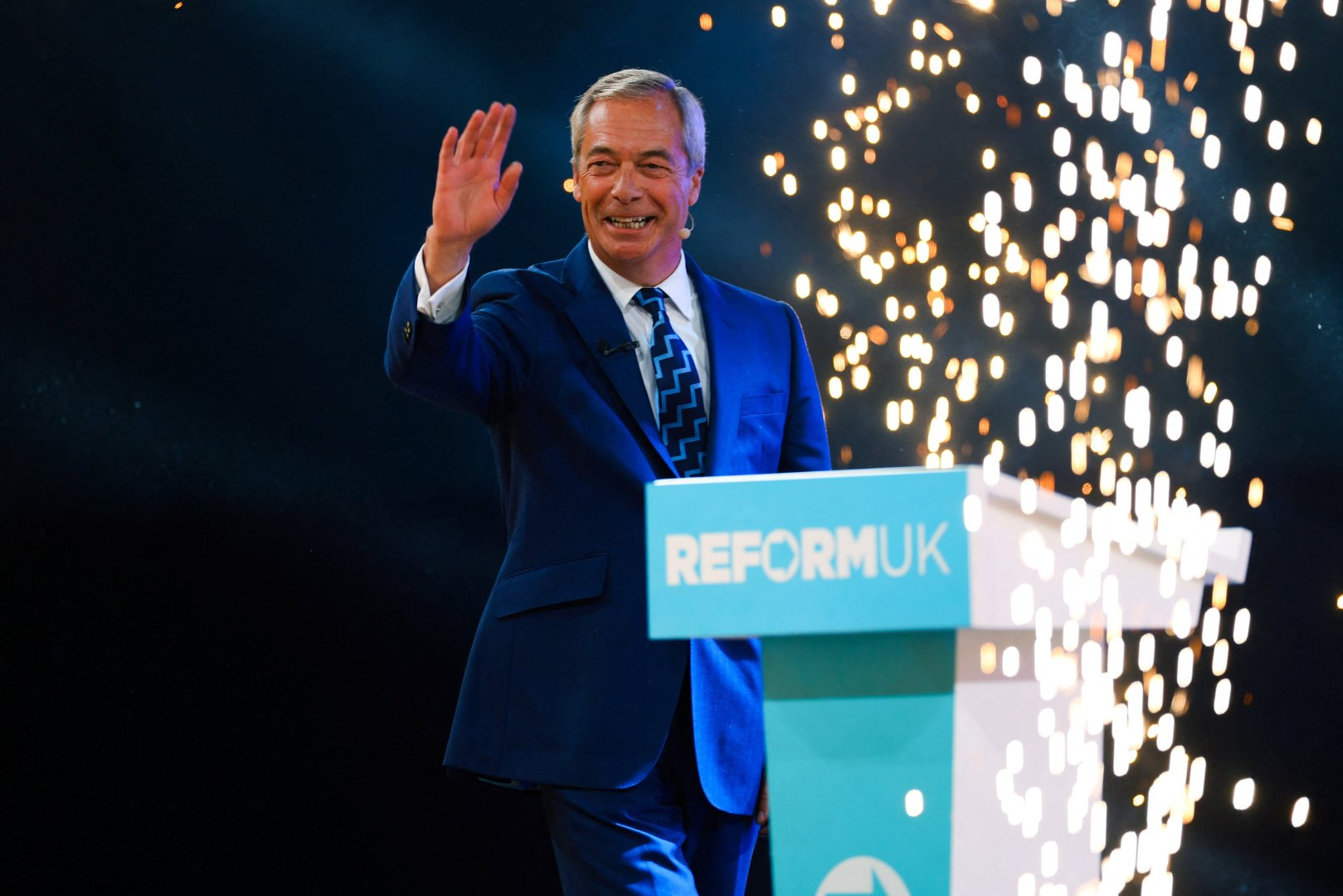
POLITICAL BOMBSHELL: Nigel Farage’s Reform UK is reportedly planning its own TV channel as revelations of £87 million in fundraising put wealthy donors and political influence under the spotlight.
Nigel Farage’s Reform UK is preparing to launch its own television channel, backed by millions of pounds from cryptocurrency billionaires, as the party attempts to bypass traditional broadcasters and recover from weeks of damaging political controversies.
The new YouTube-based operation is expected to cost more than £10 million to establish, employ around 25 journalists and editors, and produce daily political programming designed to reach voters directly without relying on established news organisations.
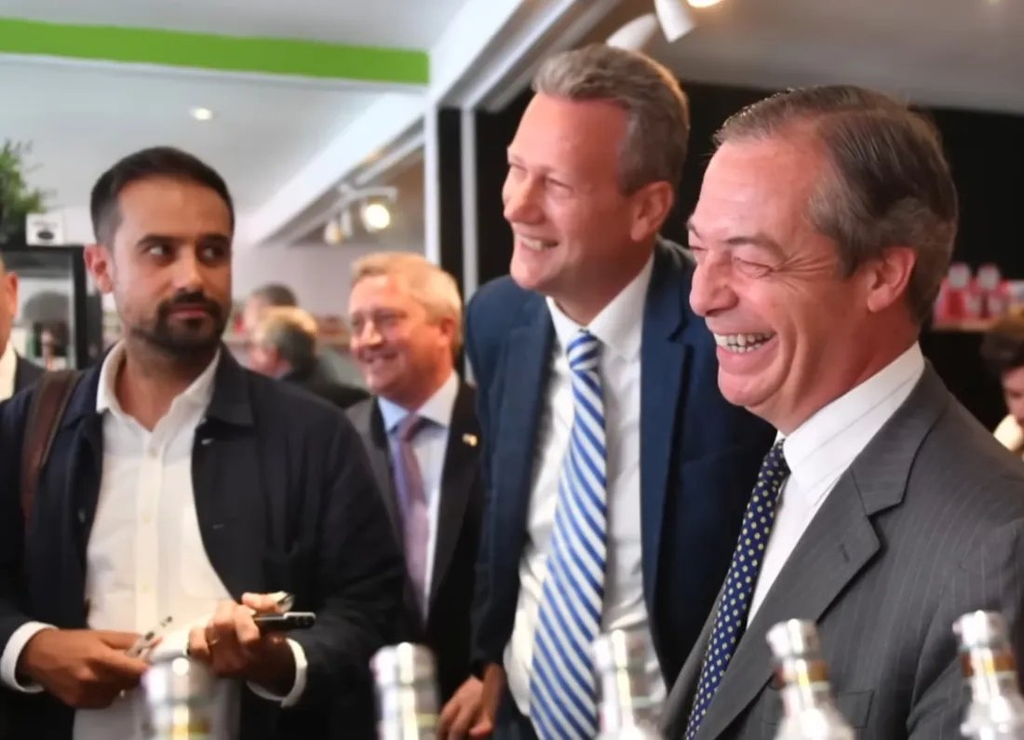
The plans come after Reform raised an extraordinary £87 million from private donors so far this year, including £72 million from just two cryptocurrency entrepreneurs, Ben Delo and Christopher Harborne.
The scale of the fundraising has given Farage’s party a financial advantage unprecedented in modern British politics, allowing it to expand its media operation, recruit political advisers and prepare for the next general election while its rivals struggle to match its resources.
The revelations come from a Reuters investigation involving interviews with at least eight Reform officials, which also uncovered plans for a new newspaper with an initial print run of 15 million copies.
Reform has already begun advertising for staff as it prepares to transform its existing YouTube presence into a much larger broadcasting operation.
Twelve media vacancies have been advertised, with the party seeking to recruit presenters, journalists, editors and production staff capable of producing a daily stream of interviews, documentaries and political programmes.
The channel will build on Reform’s existing online presence, which currently publishes approximately eight videos each week, but the ambition is to create something much closer to a dedicated political broadcaster.
Rather than depending on appearances on the BBC, ITV, Sky News or other established outlets, Reform wants greater control over how its policies, politicians and political arguments are presented to the public.
Gawain Towler, a member of the party’s governing board who has worked alongside Farage for more than two decades, argued that mainstream broadcasters are hostile towards Reform.
“The media always say they offer a fair hearing to all opinions,” he said.
But when it comes to Reform, Towler claimed, “they just want to say we’re horrible”.
The party believes its own channel would allow it to challenge unfavourable coverage while giving senior figures more opportunities to communicate directly with supporters.
It would also reduce the pressure on Reform’s eight MPs, who currently face repeated requests to appear on television and radio programmes.
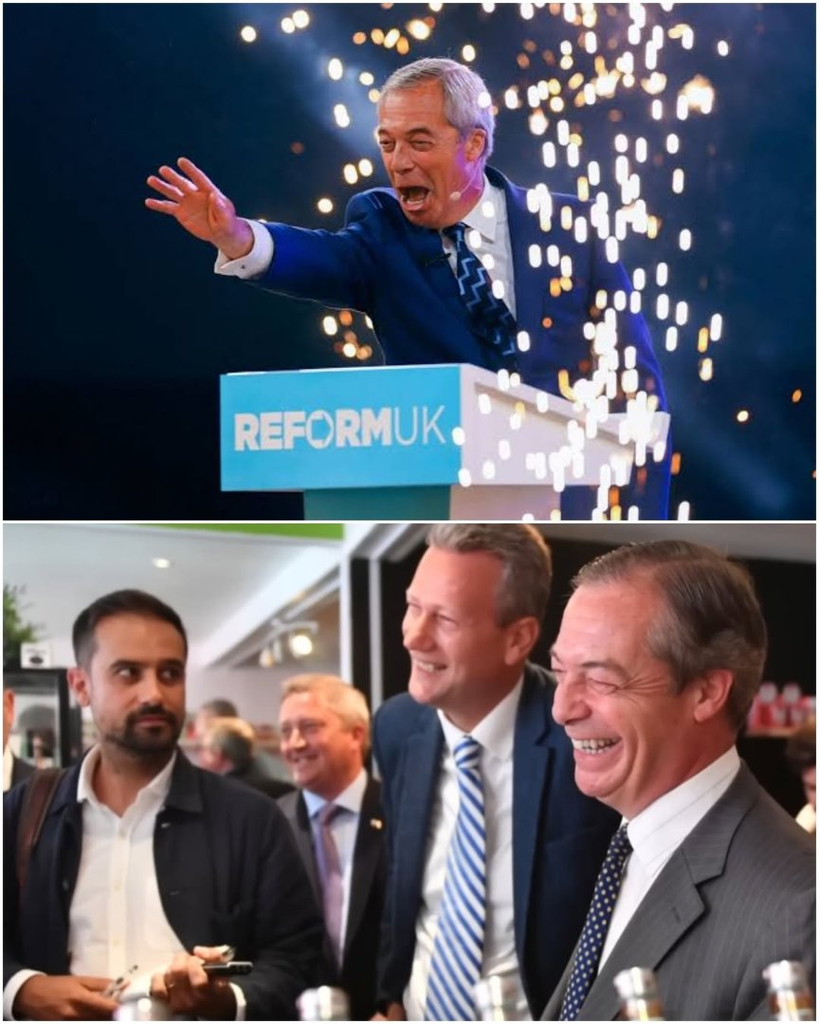
The distinction between a political party producing its own material and an independent news organisation is an important one, however.
Reform would control the channel’s editorial priorities, staffing and output, allowing it to present political events through the party’s own perspective.
Viewers would therefore be receiving political communication produced by Reform itself, even where the programmes adopted the appearance and format of conventional news broadcasting.
The television operation forms part of a much wider attempt to build an alternative media network around Reform.
Senior figures are also planning a newspaper with an initial print run of 15 million copies, an exceptionally large distribution for a publication associated with a British political party.
The newspaper would provide another way of getting Reform’s message directly into households, particularly among voters who may not regularly consume political content online.
Alongside the printed publication, the party intends to significantly expand its social media operation and recruit more people capable of appearing confidently in television interviews and public debates.
The strategy draws inspiration from Donald Trump’s approach to political communication in the United States, where his political movement has increasingly relied on sympathetic media, direct-to-audience broadcasting and online platforms.
Reform’s proposed television operation has been compared with Trump TV, the American president’s streaming channel which broadcasts White House-approved programming throughout the day.
For Farage, whose political career has relied heavily on television appearances and media attention, the creation of a dedicated broadcasting platform represents a significant change in how Reform intends to campaign.
It would mean the party no longer needed to rely entirely on broadcasters it frequently accuses of bias to reach a national audience.
The ambitious expansion has been made possible largely by two extraordinary donations received in September.
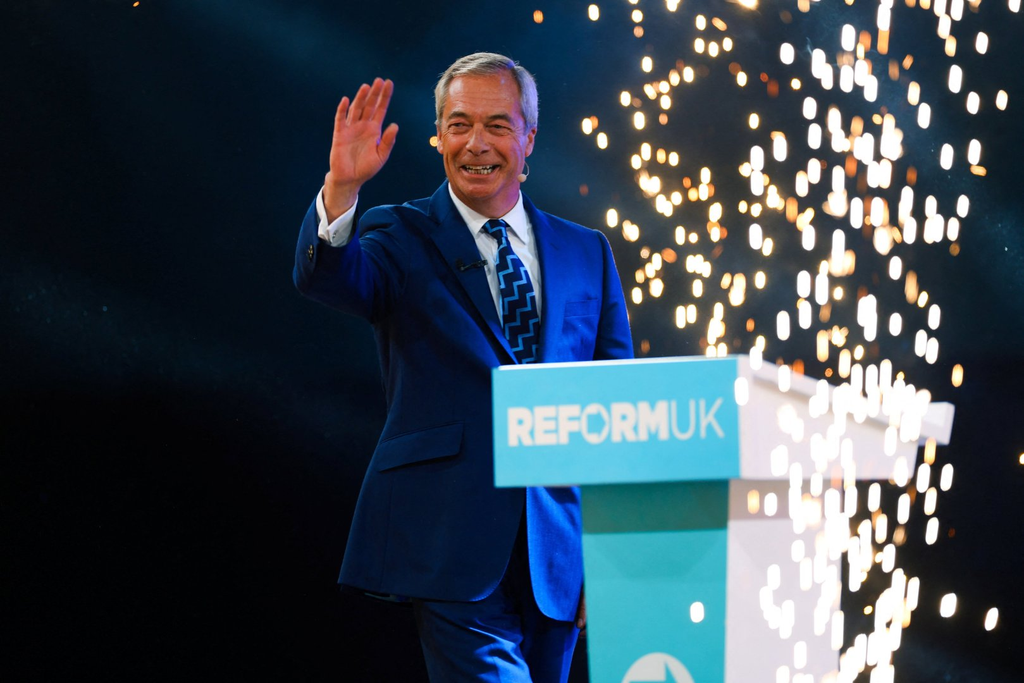
Ben Delo, a cryptocurrency entrepreneur and co-founder of the BitMEX exchange, donated £36 million to Reform, setting a new record for an individual contribution to a British political party.
Just two days later, Christopher Harborne matched the sum with another £36 million, bringing the combined total to £72 million.
Harborne has been a significant financial supporter of Farage’s political projects for years, previously donating approximately £10 million to the Brexit Party in 2019.
He also contributed more than £228,000 to the Conservatives between 2001 and 2018, before becoming one of the most prominent backers of Farage’s political movement.
Delo, meanwhile, previously supported the Battle of Ideas festival associated with former Brexit Party MEP Claire Fox.
Both men have insisted that their donations are intended to support political change rather than secure personal benefits.
Harborne has said that he wants nothing in return for his contributions, while a source close to Delo said his donation came without conditions and that he was content for the party to decide how the money should be spent.
Reform argues that the funding will allow it to compete with Labour and the Conservatives, which have spent decades building up their organisations, membership structures and fundraising networks.
Farage has similarly defended the donations as necessary to challenge what he describes as the established political system.
The party’s financial position is now remarkable even by international standards.
Reform has raised £87 million from private donors during 2026, surpassing the annual fundraising totals recorded by major political parties elsewhere in Europe.
The figure exceeds the previous European benchmark of £86.3 million raised by Germany’s Christian Democratic Union in 2024 through donations and membership fees.
It also places Reform well ahead of Labour and the Conservatives in private fundraising this year.
The sums involved illustrate how a relatively small number of extremely wealthy individuals can transform the resources available to a political movement almost overnight.
Around 83 per cent of Reform’s reported £87 million fundraising total has come from the two £36 million donations made by Delo and Harborne.
That concentration has raised questions about the influence wealthy donors can exercise over political parties, even when no conditions are formally attached to their contributions.
Fernando Casal Bértoa, an associate professor of politics at the University of Nottingham, warned that Britain was moving closer to the American model of political fundraising, where enormous donations from wealthy individuals can play a decisive role in campaigns.
“If you give large sums to a party do you really think they won’t give you favours or help you?”
he asked.
“It is never for free.”
There is no evidence that Delo or Harborne received improper benefits in exchange for their donations.
Nevertheless, the scale of the contributions has intensified the debate about whether Britain’s political finance rules are adequate for an era in which individual donors can provide tens of millions of pounds.
The financial windfall comes with considerable uncertainty because the Labour government is considering changes to political donation laws.
In March, ministers announced proposals to impose a £100,000 limit on donations from British citizens living overseas, with additional requirements relating to residency.
The government is also considering applying parts of the legislation retrospectively, potentially affecting donations already received by political parties.
Harborne, who spent many years living in Thailand, registered to vote at a British address earlier this year, while corporate filings indicate that Delo changed his recorded country of residence from Hong Kong to Britain in June.
If the proposed restrictions were introduced retrospectively and applied to their donations, Reform could face the extraordinary prospect of having to return some or all of the £72 million.
The party has strongly opposed the prospect, describing the proposals as a potential “retroactive trapdoor” designed to undermine its finances.
Reform has indicated that it could challenge any retrospective restrictions through the courts.
For now, however, the party is proceeding with its spending plans, including allocating roughly half of the £72 million towards running its headquarters until the next general election, expected by 2029.
Further funds are earmarked for policy development, political advisers, campaigning operations and the planned media expansion.
The fundraising plans have emerged during a period of intense scrutiny of Reform’s finances and the conduct of senior party figures.
Farage is currently facing a parliamentary standards investigation over a separate £5 million personal gift from Harborne, received before the 2024 general election.
The Reform leader has offered different explanations for the payment, initially suggesting it was connected to personal security arrangements and later describing it as recognition for his work securing Brexit.
The parliamentary standards commissioner is examining whether the gift should have been registered under the rules governing MPs’ financial interests.
Reform has also faced questions following undercover investigations into party officials allegedly discussing ways of obtaining donations from overseas sources.
The party maintains that its internal inquiries have found no breach of electoral law, and it has disputed allegations of wrongdoing.
Separately, ITV’s undercover investigation exposed racist, misogynistic and extremist comments by Reform councillors and prospective candidates, prompting resignations, suspensions and renewed criticism of the party’s vetting procedures.
The controversies have contributed to a difficult period for Farage, with Reform losing ground in opinion polls after previously establishing a substantial lead over Labour and the Conservatives.
Prime Minister Andy Burnham’s Labour Party and Kemi Badenoch’s Conservatives have both recovered support, leaving Reform looking to regain the momentum it enjoyed earlier in the year.
The decision to invest heavily in broadcasting comes as Reform increasingly argues that established media organisations are unwilling to give it a fair hearing.
By recruiting its own journalists, launching a newspaper and producing daily television programmes, the party will be able to determine which political issues receive attention and how its leading figures are questioned.
That gives Reform an opportunity to reach supporters who distrust mainstream broadcasting, but it also creates a media environment in which the party’s own claims may receive far less independent scrutiny.
The distinction is particularly relevant while Reform faces ongoing investigations into political donations and questions about the behaviour of some of its representatives.
Political parties are entitled to produce their own publications and online programmes, and Labour and the Conservatives already operate substantial communications teams.
What makes Reform’s plan unusual is the scale of the proposed investment and its ambition to create a broadcasting operation that resembles a permanent television news channel.
The new operation will begin with a budget exceeding £10 million, plans to employ 25 journalists and editors, and an audience already familiar with Reform’s existing social media content.
The party is also preparing a newspaper with an initial print run of 15 million copies, while expanding the political and campaigning operation made possible by the September donations.
As Reform board member Gawain Towler put it when discussing the party’s spending ambitions: “It’s a massive game of catch up.”