
Recent polling data across three of Europe’s largest economies—France, Germany, and the United Kingdom—suggests a significant political realignment may be on the horizon, with right-wing and nationalist parties seeing historic surges in support.
The shifting political landscape poses a potential challenge to the current centrist and left-leaning establishments, as well as the broader integration policies championed by the European Union leadership.
In France, a new poll released this week shows Marine Le Pen’s National Rally party reaching a record-breaking 38% in voter preference, creating a substantial 21-point lead over its nearest rival at 17%. The surge comes ahead of the critical French presidential election scheduled for April and May 2027. Incumbent President Emmanuel Macron is constitutionally barred from seeking a third consecutive term, leaving an open field. Following a successful July 2026 court appeal that shortened her period of ineligibility, Le Pen immediately confirmed her candidacy.
The National Rally’s evolving platform includes proposals for severe restrictions on legal migration, the end of birthright citizenship, and a “national priority” policy that would give French citizens preferential access to social benefits. Furthermore, the party has proposed a national referendum on immigration and nationality reforms. While not explicitly advocating for a “Frexit,” the platform demands a “France first” approach to the EU, prioritizing national policymaking and border control over further European integration.
A similar rightward shift is occurring in Germany. The Alternative for Germany (AfD), led by Alice Weidel, has recently extended its lead in national polls to 29%, eight points ahead of the governing CDU/CSU alliance (21%). The polling data emerges ahead of critical state elections in Saxony-Anhalt slated for September 6, 2026, where the AfD is anticipated to perform strongly. Weidel has campaigned heavily on strict border enforcement, stating that if the EU does not secure its external borders, Germany should withdraw from the Schengen Area and initiate large-scale deportation programs. Germany’s next federal election is expected in 2029.
In the United Kingdom, political analysts note growing dissatisfaction with the current Labour government. Speculation is increasing that the UK could see a right-wing or Reform-led coalition take power during the next general election, currently anticipated for 2029.
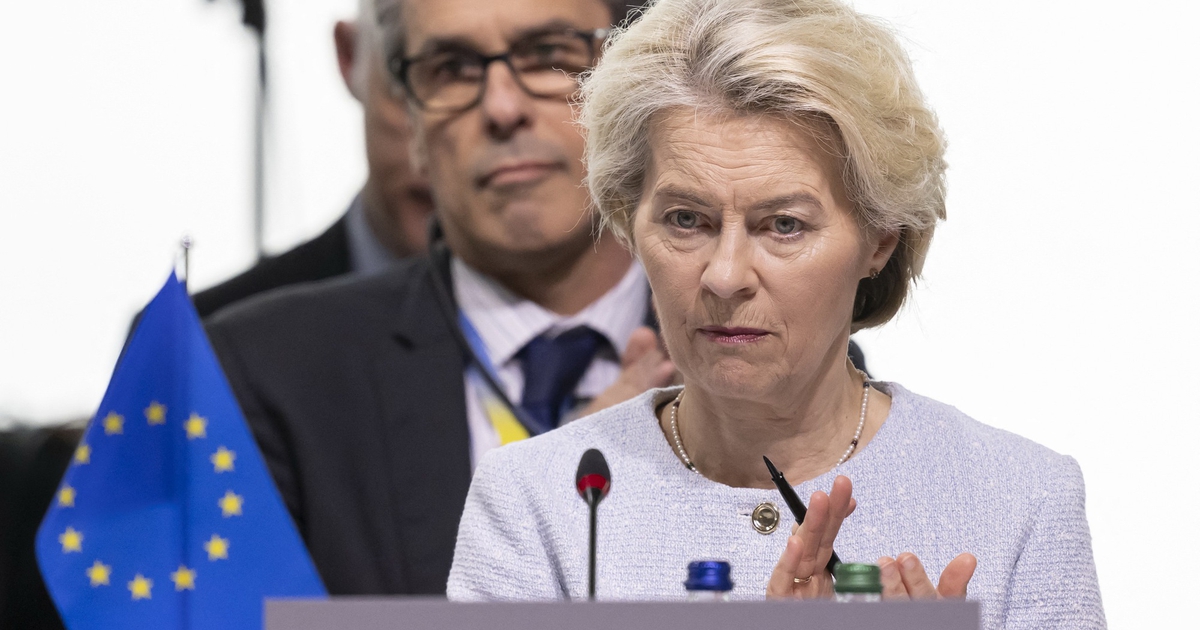
The simultaneous rise of right-wing populism in Europe’s core nations presents a formidable challenge to European Commission President Ursula von der Leyen and the broader EU legislative agenda. The potential for right-wing governments in Paris, Berlin, and London by the end of the decade could fundamentally alter the trajectory of European politics, heavily impacting immigration policies, climate initiatives, and the balance of power between national sovereignty and EU integration.