SHOCKING NEW QUESTIONS ROCK UK AFTER REFORM FIGURE’S DEATH AS POLICE FACE GROWING SCRUTINY OVER INVESTIGATION.
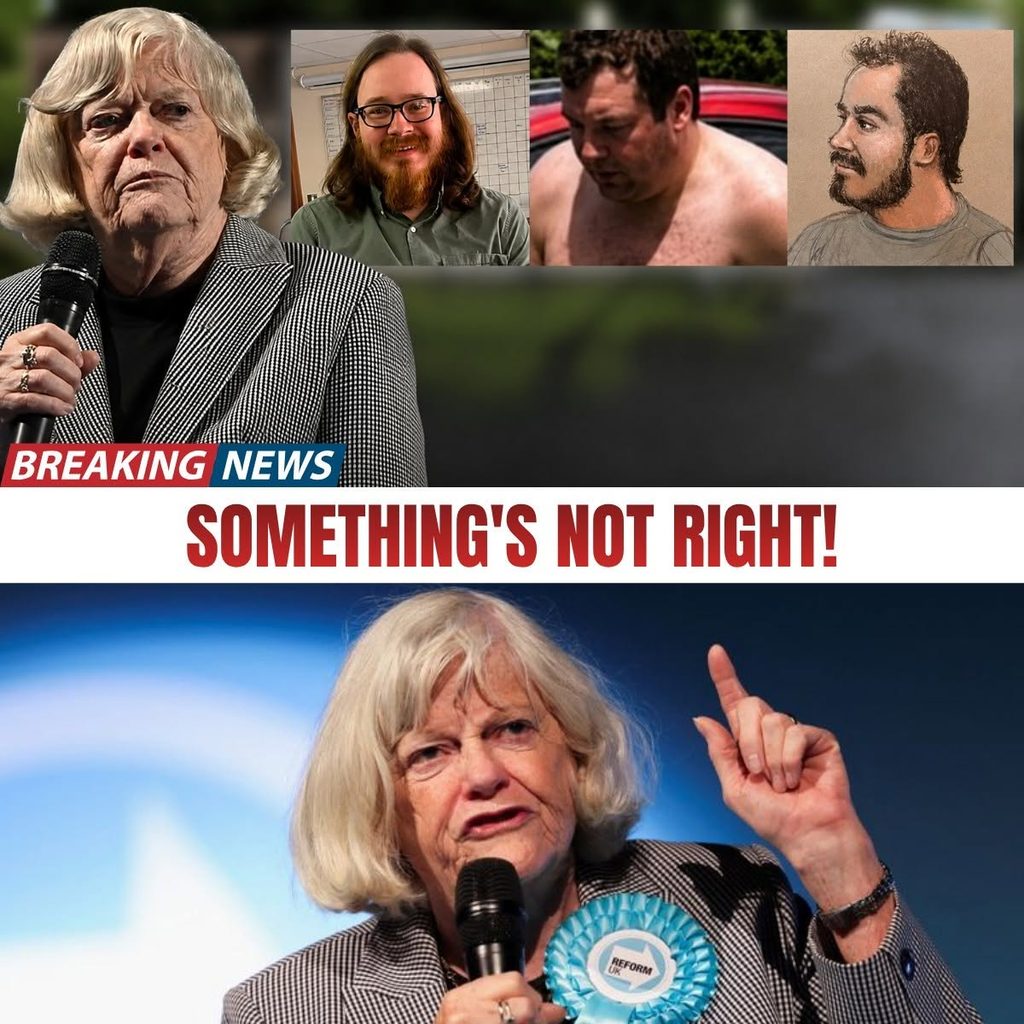
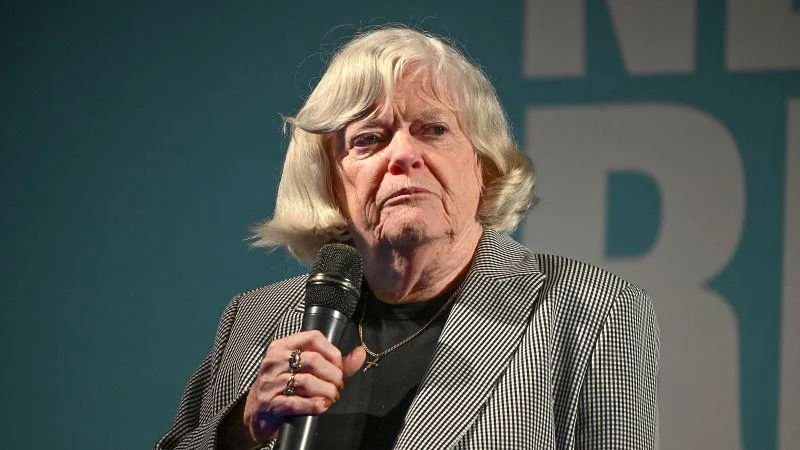
Fresh controversy has erupted in the United Kingdom following the killing of Reform UK immigration spokesperson Anne Whittickam, as political figures and commentators continue raising questions about the police investigation and the information released to the public.
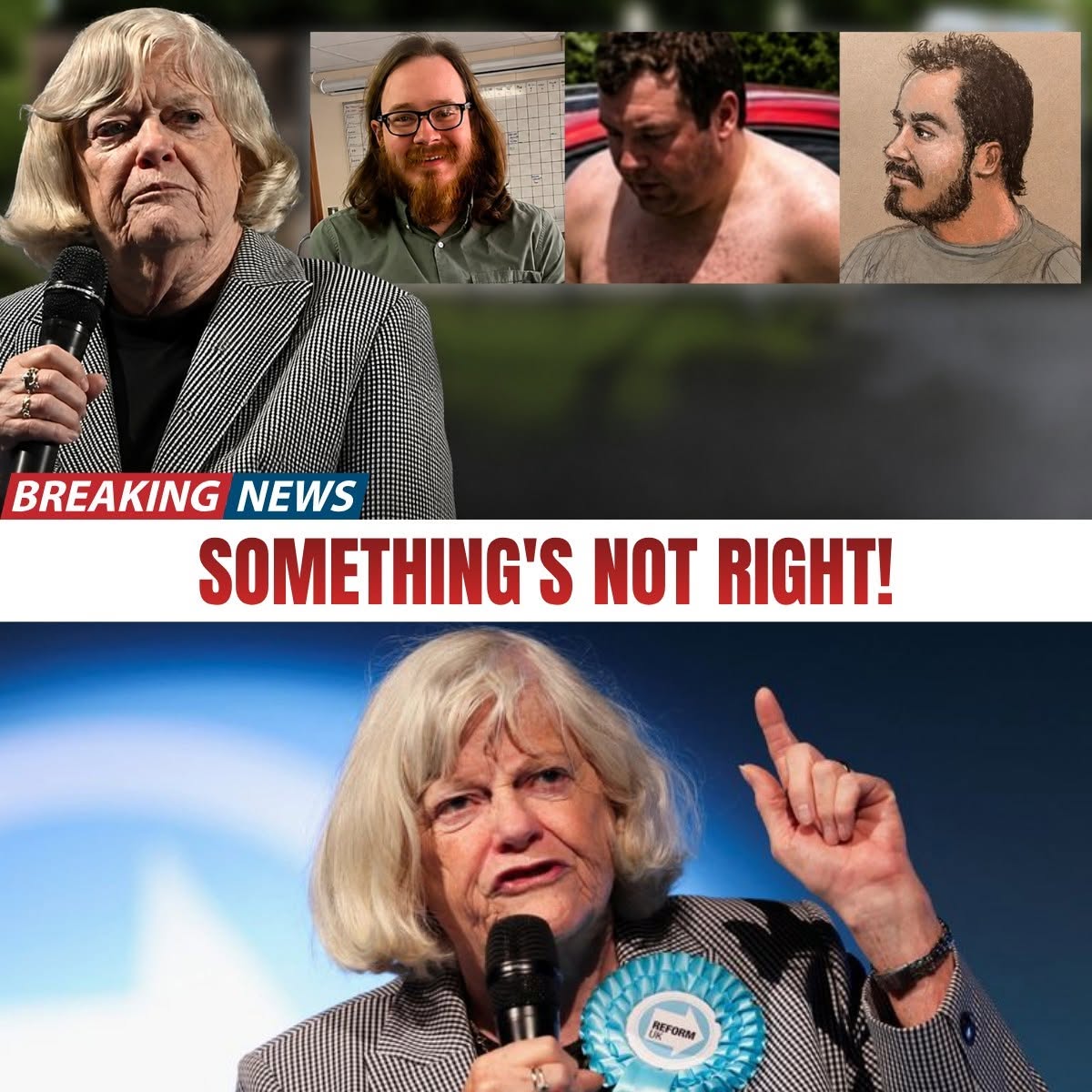
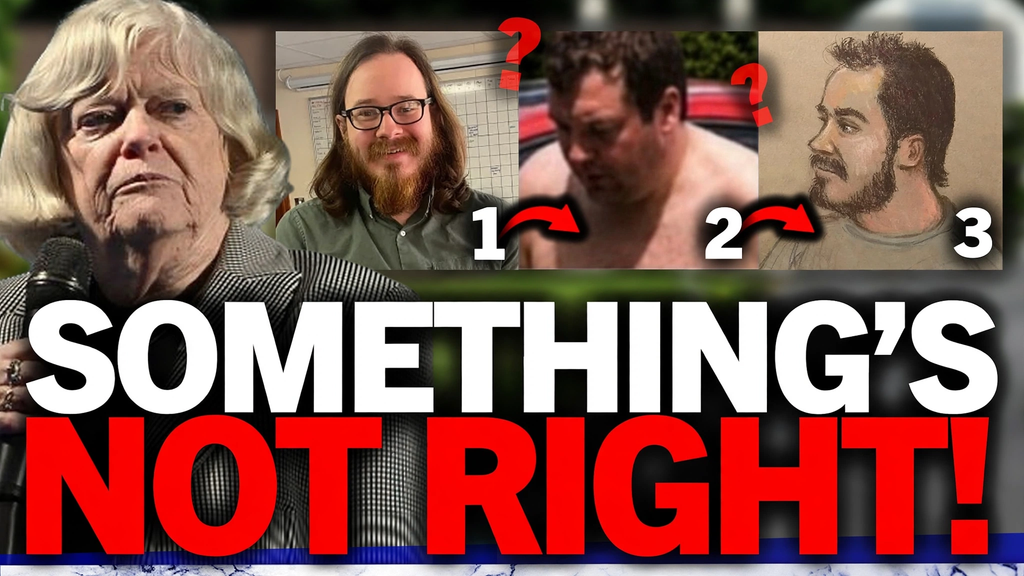
Several senior Reform UK figures have publicly expressed concern over what they describe as inconsistencies surrounding the case. Darren Grimes highlighted apparent differences between publicly circulated images of the suspect, while GB News presenter Alex Armstrong commented that “something is not right.” Reform UK representative Russell Quirk also questioned the differing images, adding to a growing online debate. Some commentators have pointed out that one widely shared image may have been enhanced using artificial intelligence after the original photograph was blurred, while another image reportedly dates back several years.
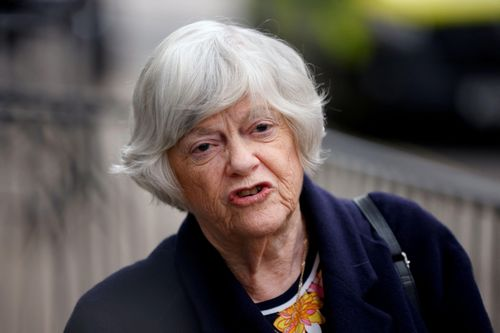
The discussion comes amid wider criticism of Devon and Cornwall Police, whose handling of the investigation has already drawn significant attention. Critics argue that public confidence was damaged after officers initially arrested another individual before later confirming that he was not the suspect they were seeking. According to media reports, that individual was allegedly a delivery driver who had visited Anne Whittickam’s home.
Police also stated during the early stages of the investigation that they did not believe the incident was terrorism and urged members of the public not to speculate while inquiries continued. However, those comments have since been heavily criticized by some politicians and media figures, who argue that the investigation appeared to change direction as more evidence emerged.
Commentators have questioned how investigators initially assessed the situation after prosecutors later told the court that the attack had been captured on CCTV installed at the property. Because criminal proceedings remain ongoing, many details cannot legally be discussed outside what has already been presented in court.
The issue has become increasingly political after historian David Starkey suggested during a television interview that authorities may have deliberately withheld certain information in an effort to prevent public disorder. His remarks have generated significant debate but remain his personal opinion rather than an established finding.
Questions have also been raised about statements made by police regarding public safety. During the investigation officers indicated that they were not aware of any continuing danger to the public, although prosecutors later described an attack involving multiple blows with a hammer. Some critics argue these developments have further weakened public confidence in the official narrative.
The debate expanded further after Elon Musk commented on social media, writing that “the lunatic left is horrifically violent.” His remarks came as commentators highlighted online material from a radical activist group that has reportedly promoted violent imagery, including posters featuring hammers alongside anti-transphobia slogans.
Reports have noted that the group encouraged activists to organize independently and target political figures or organizations they oppose. However, there is currently no publicly available evidence linking that organization or its supporters to the suspect in Anne Whittickam’s case, and commentators have acknowledged that no such connection has been established.
Nevertheless, some Reform UK members argue that political violence and intimidation deserve greater scrutiny regardless of ideology. They point to previous online campaigns targeting politicians and activists across the political spectrum as evidence that extremist rhetoric has become increasingly normalized.
During the televised discussion, several guests argued that concern should focus less on the specific weapon allegedly used and more on the motivations behind politically motivated violence. Others claimed that left-wing extremism has not received the same level of public attention as other forms of political violence, although those views remain matters of political opinion.
The conversation also turned toward campaign group Hope Not Hate after participants noted that the organization had previously published material about Anne Whittickam before later removing it from its website. Some panelists questioned why the article had disappeared, while others suggested there was no evidence that the publication had any connection to the events under investigation.
Religious commentator Father Calvin Robinson claimed that campaign groups have increasingly contributed to a hostile political climate by labeling opponents in ways that could encourage harassment. Similar concerns were echoed by other panel members, who argued that individuals across the political right have frequently been portrayed negatively in reports published by activist organizations.
Several participants also criticized what they described as inconsistent responses from authorities in other recent security incidents, arguing that public trust has been undermined by conflicting official statements. They suggested this broader loss of confidence explains why many people remain skeptical about the handling of Anne Whittickam’s case.
Despite the speculation circulating online, the criminal proceedings remain active, and key questions surrounding motive and other aspects of the case have yet to be determined in court. Under UK contempt of court laws, public commentary is subject to significant legal restrictions while the trial continues.
As investigations move forward, the case has evolved beyond a criminal inquiry into a broader debate over policing, political extremism, public trust, and transparency. Supporters of Anne Whittickam continue calling for a full and impartial investigation, while political figures across the country await further evidence that may clarify the circumstances surrounding her death.