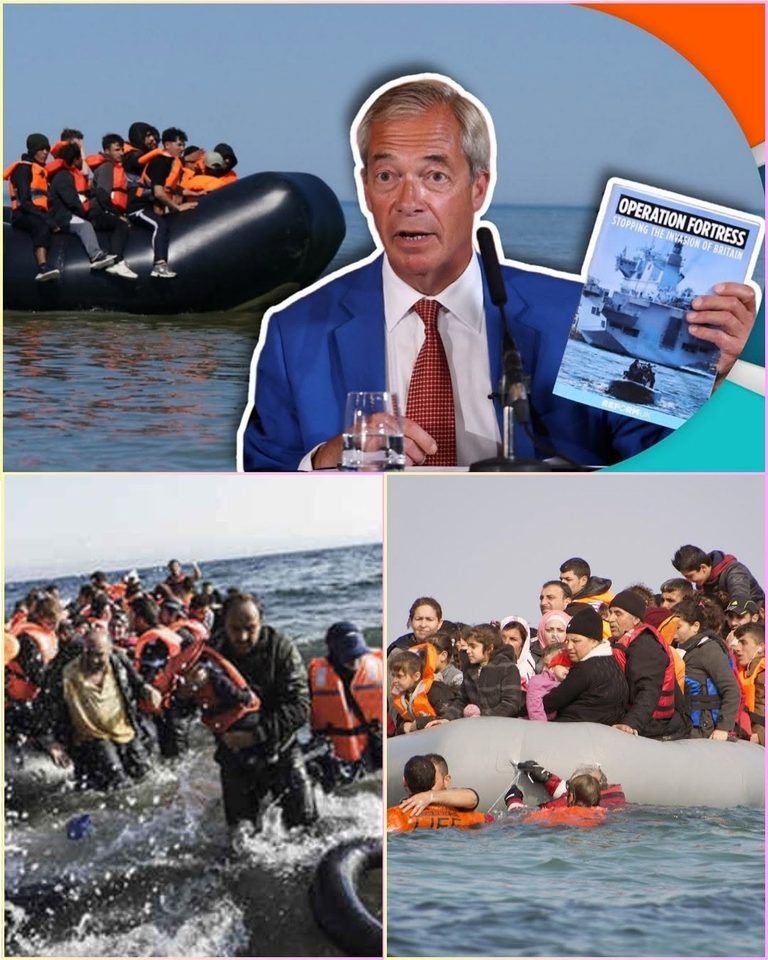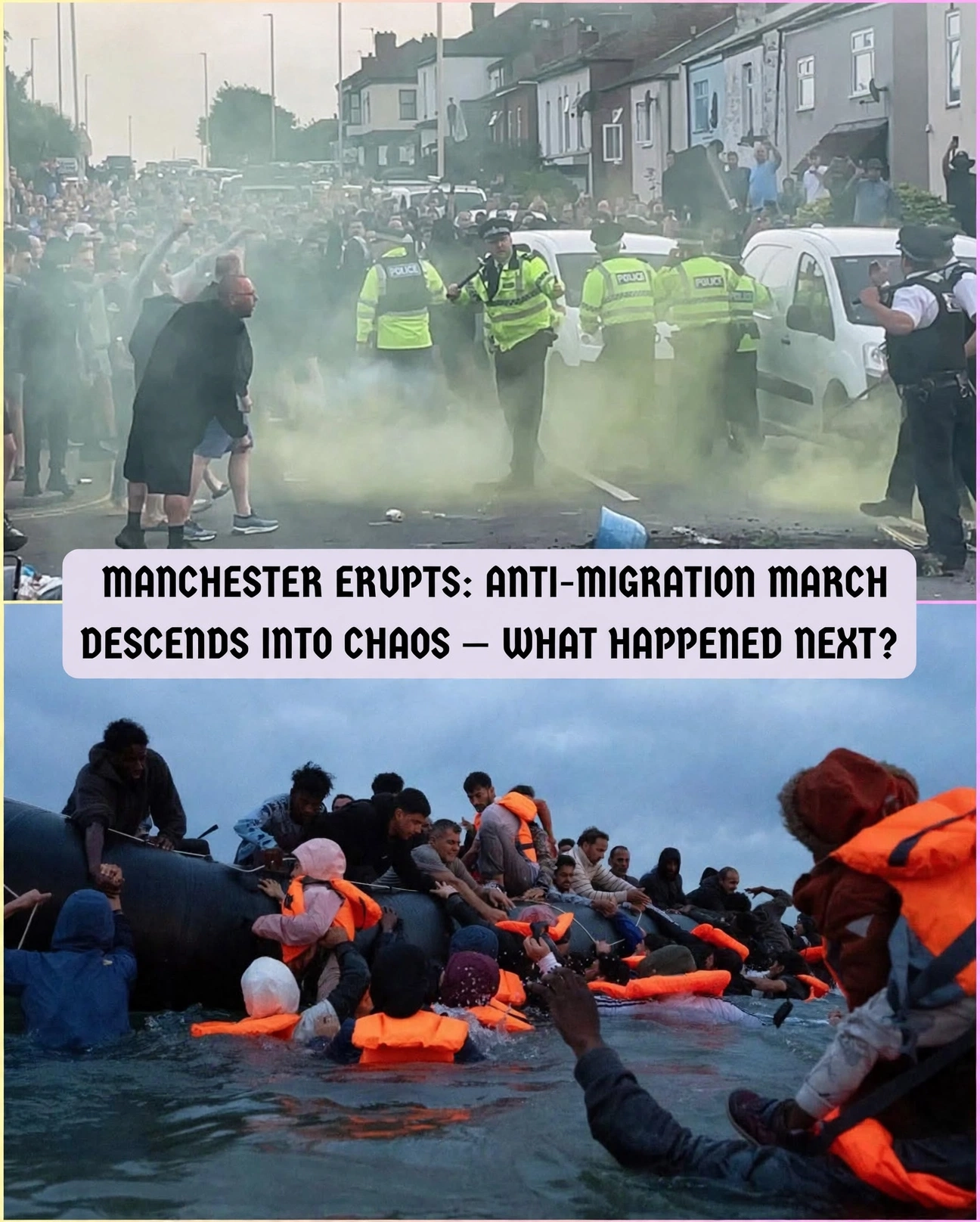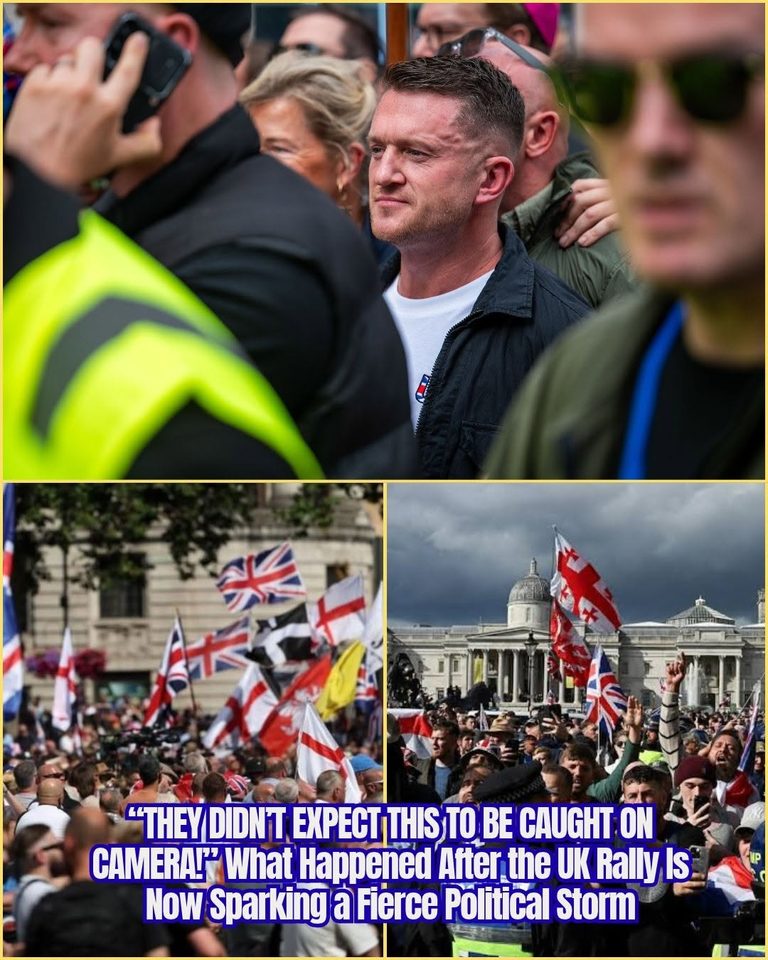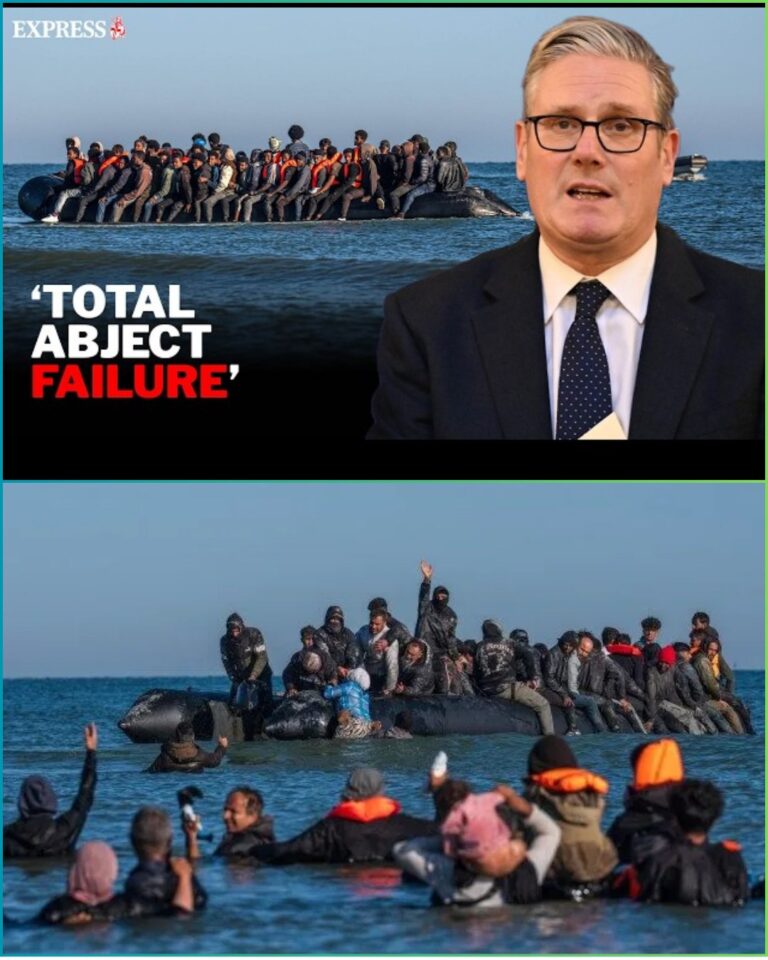
The government said it wouldn’t stop the boats, so British lads went to France to do it themselves.
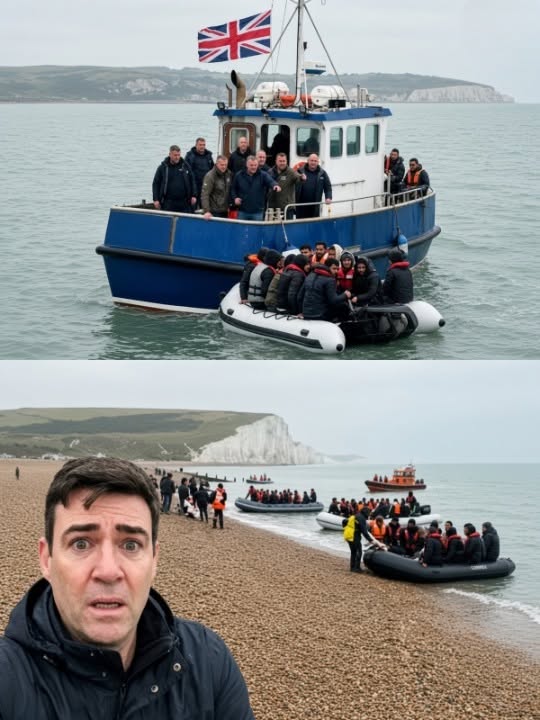
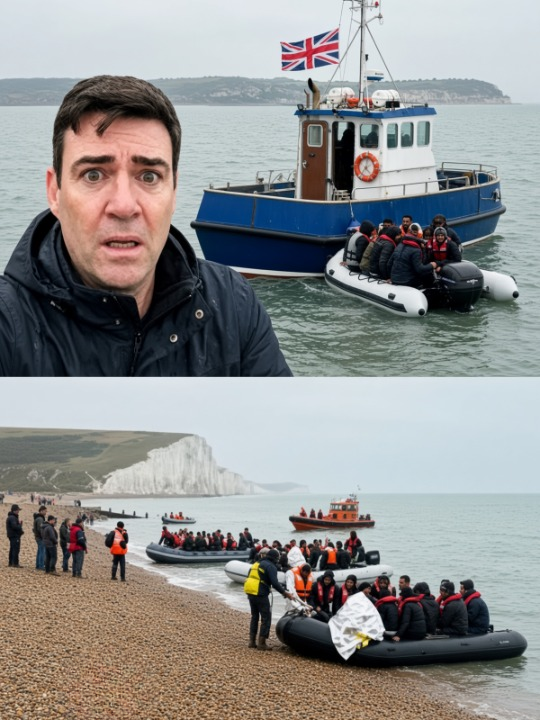
BRITONS WENT TO THE FRENCH BEACHES THEMSELVES — AND THE SMALL-BOATS CRISIS ENTERED A DANGEROUS NEW PHASE
LONDON — For years, Britain’s small-boats crisis was a confrontation between governments, smugglers and migrants. Then ordinary political activists began travelling across the Channel themselves.
The development represents something potentially more consequential than another argument over immigration statistics.
British activists associated by French authorities with the Raise the Colours movement appeared on the northern French coastline, where migrants and smugglers prepare small boats for journeys to Britain.
Some went beyond observing.
French authorities accused activists of searching for and destroying small boats and producing propaganda aimed at a British audience.
Paris eventually responded.
In January 2026, France’s Interior Ministry issued territorial exclusion orders against ten British nationals identified as activists associated with Raise the Colours, barring them from entering or remaining in France.
The ministry warned that their activities risked serious disturbances to public order.
Raise the Colours itself now explicitly states that it does not encourage people to travel to France, approach migrant boats or intervene in Channel crossings.
But the episode revealed something politically significant.
Some Britons had become frustrated enough with government migration policy that they were prepared to cross an international border and involve themselves directly.
That is where a border crisis begins to become something else.
THEN CAME THE FOOTAGE
Months later, dramatic video emerged from the French coastline.
French officers could be seen confronting a group preparing to launch an inflatable boat.
Objects were thrown toward police.
Officers responded with crowd-control measures.
Then an officer reached the dinghy and cut into its inflatable hull with a knife.
For critics who had spent years demanding tougher French action, the images were extraordinary.
Here, finally, was exactly the kind of intervention they had demanded: stop the vessel before it reaches the Channel.
But one popular interpretation of the footage requires caution.
There is no established evidence that French police adopted these tactics because British activists had patrolled the beaches.
The increased French enforcement effort was already part of a much broader agreement with Britain.
Under the new UK-France arrangements, specialist units have been deployed, additional officers committed and French authorities given greater capacity to disrupt launches.
The results are measurable.
Between April 27 and August 2, French authorities reported preventing 185 small-boat crossing events involving approximately 4,300 people.
The UK government says 61% of attempted crossing events were stopped during that period.
That does not mean 61% of individual migrants were intercepted — an important distinction because increasingly large numbers are being packed into individual boats.
But it demonstrates that French authorities are intervening.
THE CROSSINGS HAVE ACTUALLY FALLEN
Another inconvenient fact complicates the narrative of total government failure.
Small-boat crossings have fallen significantly in 2026.
By early September, around 16,500 people had crossed the Channel this year — still a substantial number, but approximately 43% lower than at the equivalent point in 2025.
The combined total for June, July and August was the lowest summer figure for several years.
That hardly means the crisis is solved.
Smuggling gangs have adapted.
They are increasingly using so-called “mega-dinghies,” loading extraordinary numbers of people into individual vessels.
One recent boat reportedly carried 230 people.
So fewer boats can still mean extremely large numbers of arrivals.
The Channel remains a lucrative criminal marketplace.
And Britain still faces the fundamental question that has haunted successive governments:
How do you destroy that market?
“JUST DON’T LET THEM LAND”
The apparently obvious answer is also one of the most politically powerful.
Stop boats leaving France.
Or stop them landing in Britain.
If people know they cannot successfully enter the UK by small boat, the argument goes, they will eventually stop paying smugglers thousands of pounds for the journey.
There is logic to deterrence.
Border systems depend partly on convincing people that unauthorized entry will not produce the desired outcome.
But physically preventing every boat is considerably more complicated than the slogan suggests.
The English Channel is one of the world’s busiest shipping routes.
Overloaded inflatable boats create immediate risks to life.
Once people are at sea, governments face maritime rescue obligations.
Police action in shallow water can itself become dangerous.
French officers have historically faced legal and operational restrictions on interventions after vessels enter the water.
Smuggling gangs understand those constraints.
They exploit them deliberately.
THE STATE IS NOW RESPONDING
Britain and France are consequently escalating their enforcement operation.
Around 1,050 French officers are now involved in efforts supported by UK-France cooperation.
A further surge team of approximately 45 officers has been announced to respond to launches moving farther west along the French coastline.
Drones and aerial surveillance are increasingly being used.
Authorities are targeting equipment supply chains as well as boats themselves.
Police are also pursuing the criminal networks organizing crossings.
The strategy increasingly focuses on stopping boats before they reach the water — exactly the point at which intervention is both safer and legally easier.
But enforcement produces its own controversies.
A French NGO has accused police of increasingly violent treatment of migrants during beach operations.
French authorities and the British government emphasize the dangers officers themselves face, including objects being thrown during confrontations.
The result is an increasingly physical struggle along the coastline.
WHEN CITIZENS DECIDE GOVERNMENT HAS FAILED
This is where the Raise the Colours episode becomes more significant than the number of boats its activists may or may not have affected.
Democratic states depend on something deeper than laws.
They depend on public confidence that legitimate institutions can enforce those laws.
When citizens believe the state has lost control, political frustration grows.
When they begin believing that government refuses to exercise control, frustration can become anger.
And when individuals decide they have the right to perform enforcement themselves, a dangerous threshold has been crossed.
Whatever someone thinks about immigration, vigilante border enforcement cannot become an alternative system of government.
Private citizens do not possess police powers.
They cannot determine who is an asylum seeker, who has legal status, who is trafficking people or who should be detained.
And destroying vessels or physically confronting migrants can create risks to human life as well as criminal liability.
That is precisely why France intervened against the British activists.
THIS IS NOT “CIVIL WAR”
The language now appearing around the migration debate is becoming increasingly dangerous.
Some commentators openly ask whether Britain is heading toward civil conflict.
There is no evidence that Britain is currently approaching civil war.
Street protests, political anger and even isolated vigilantism are not equivalent to organized armed conflict.
Treating them as inevitable steps toward war can itself inflame tensions.
But dismissing the underlying anger would be equally foolish.
The warning sign is not that civil war has begun.
It is that some people appear to have lost enough confidence in conventional government that taking direct action seems legitimate to them.
That should concern politicians across the ideological spectrum.
THE GOVERNMENT CANNOT SIMPLY SAY “TRUST US”
Prime Minister Andy Burnham and President Emmanuel Macron now face exactly that challenge.
Their governments can point to falling crossings.
They can point to 185 prevented events.
They can show footage of boats being destroyed.
They can deploy additional officers.
But statistics alone will not rebuild public confidence.
Voters will judge the policy by a simpler standard:
Does illegal entry become harder?
Do smugglers lose their business model?
Are people without a right to remain actually returned?
And can governments achieve those objectives without abandoning asylum law or endangering lives?
Those are difficult tests.
But they are the tests governments are elected to meet.
THE MOST IMPORTANT LINE
The image of a French officer cutting open a dinghy is powerful.
For some Britons, it represents the enforcement they wanted to see years ago.
For others, it symbolizes an increasingly aggressive border regime.
But the most important development may have happened before that knife ever touched the inflatable hull.
British citizens had already travelled to another country believing they could contribute to stopping the boats themselves.
France responded by excluding ten of them.
Raise the Colours itself now publicly rejects vigilante intervention.
And the governments in London and Paris are expanding their own enforcement operation.
That is how the situation must remain.
Citizens can protest.
They can campaign.
They can vote governments out.
They can demand tougher borders and expose failures by those in power.
But the moment political activists begin assuming the coercive powers of the state, a migration crisis risks becoming a public-order crisis as well.
Britain therefore needs something more convincing than slogans from either side.
It needs a border system that is lawful enough to survive the courts, humane enough to protect people genuinely entitled to asylum — and effective enough that ordinary citizens no longer believe they have to enforce it themselves.
Because the most dangerous sign of a state losing control is not simply that people cross its borders.
It is when its own citizens stop believing the state is capable of controlling them.