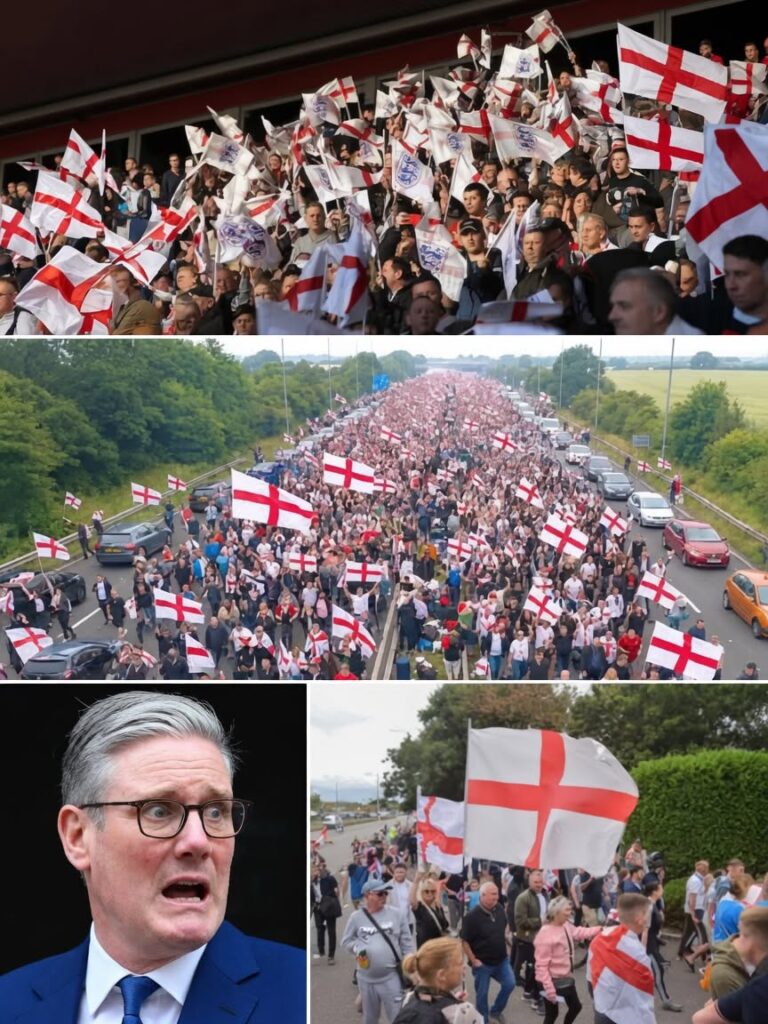
UK PARLIAMENT DEBATES IMMIGRATION, COMMUNITY PRESSURES AND THE – cici
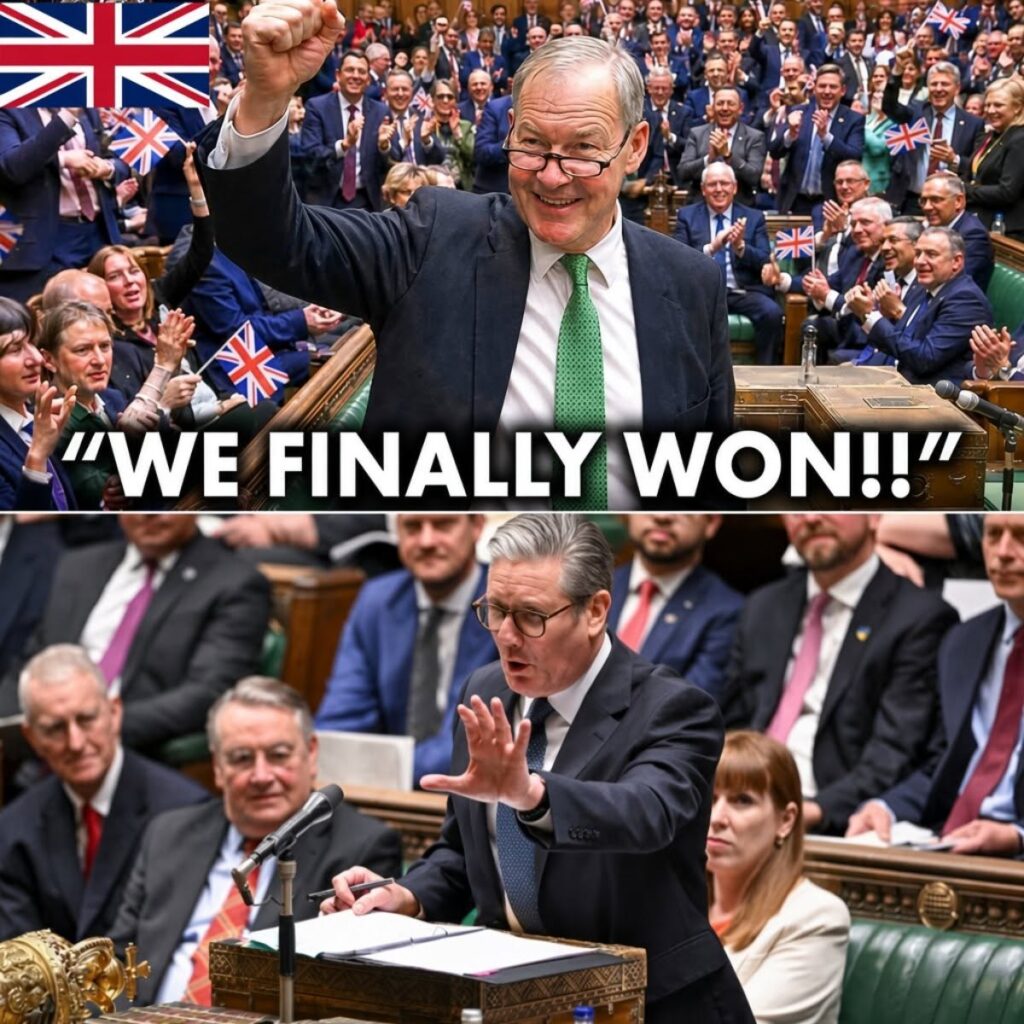

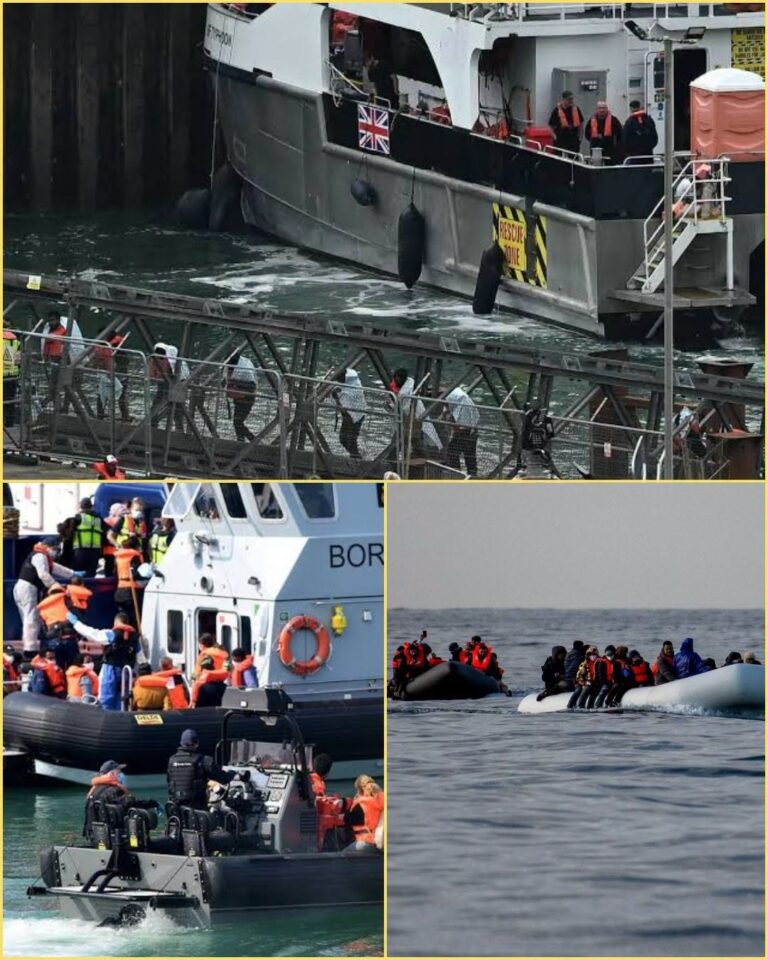
A heated debate over illegal immigration, housing pressures, women’s safety and the challenges facing young men has highlighted some of the deepest political divisions currently shaping Britain. The discussion, presented through a parliamentary debate and subsequent commentary, focused heavily on small-boat arrivals, the government’s immigration policies and wider concerns about social cohesion. During the debate, a speaker referred to a petition signed by around 720,000 people calling for offshore detention and deportation of people described by supporters of the petition as illegal immigrants. The speaker also cited Home Office figures, claiming that just under 77,000 people had arrived by small boat since Labour came to power in July 2024, while arguing that the average daily arrival rate was significantly higher than under the previous Conservative government.
The figures and political conclusions presented during the discussion became the basis for a wider attack on the Labour government’s record on migration. Critics argued that Labour had promised to tackle people-smuggling gangs and reduce irregular migration but had not yet delivered the results they expected. One commentator went further, suggesting that election promises were sometimes made primarily to secure political support rather than to produce long-term change. That criticism was presented as an opinion rather than an independently established fact, but it reflected a broader frustration expressed throughout the discussion about successive governments’ handling of immigration. The commentary also argued that the political debate around migration had shifted considerably, with issues that were once considered politically difficult now receiving much greater attention.
Housing and pressure on local communities formed another major part of the argument. A parliamentary speaker criticised plans associated with accommodation for migrants in Stoke Heath, Shropshire, arguing that newly built homes should instead have been available to local families who had spent years waiting for affordable or social housing. Veterans were also mentioned as a group that, in the speaker’s view, deserved greater consideration. According to the speech, strong opposition from the local community contributed to the government deciding that similar newly built estates would not be considered for migrant accommodation in the future. The speaker welcomed that reported change but expressed caution about whether the commitment would ultimately be maintained.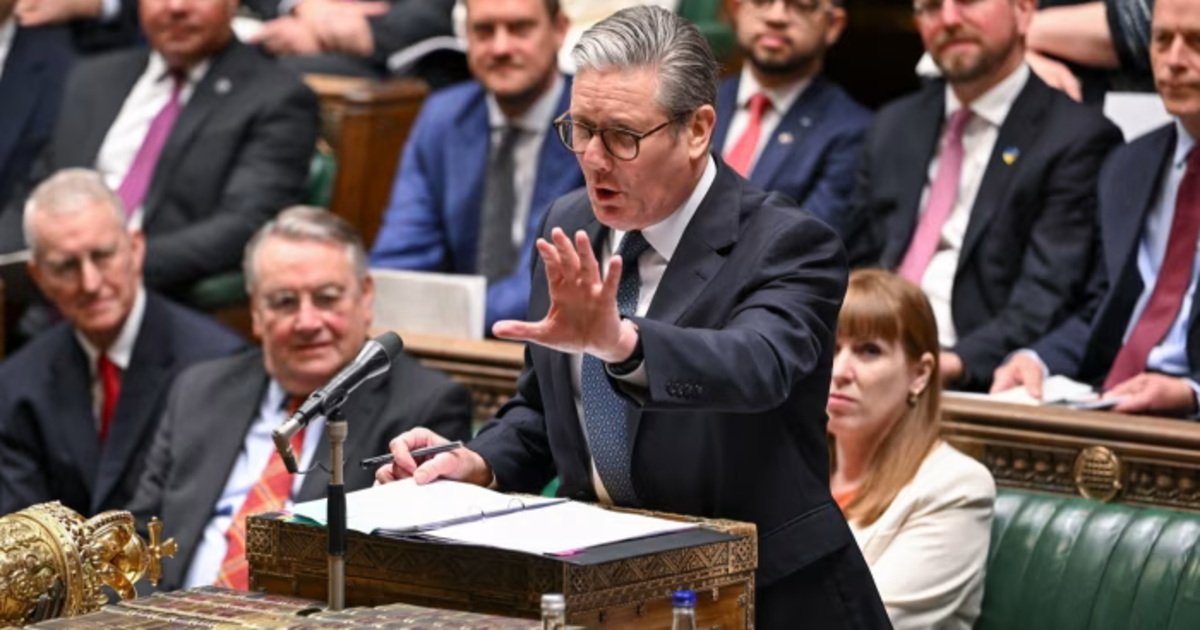
The debate also raised questions about how far Britain should go in changing its legal and immigration framework. One speaker argued that stronger deportation policies would require measures including the reinstatement of the Rwanda scheme, changes to Britain’s relationship with European human-rights arrangements and repeal of the Human Rights Act. These proposals represent a strongly contested political position and were presented by the speaker as necessary steps to regain control over deportations. The subsequent commentary acknowledged that the immigration problem did not begin with Labour, noting that Conservative governments had also overseen rising numbers and had failed to resolve the issue. The argument therefore shifted from simply blaming one administration to criticising what the commentator described as a long-running failure by successive governments to implement effective policy.
Another controversial section of the debate concerned women’s safety and street harassment. Robert Low raised concerns about women in Britain, including in his Great Yarmouth constituency, who he said felt intimidated, harassed or abused in town centres. He called for a national audit examining street harassment, intimidation and sexual offences by nationality and immigration status, arguing that the public should be able to see the scale of any problem. His intervention prompted a sharp response, with another speaker referring to an investigation into Low’s own conduct and alleged mistreatment of two female MPs. The exchange demonstrated how quickly discussions about immigration and crime can become personalised and politically confrontational. Rather than producing agreement over the proposed audit, the argument became another example of the increasingly hostile atmosphere surrounding sensitive political questions.
The debate then moved beyond immigration to a different but connected concern: the position of young men and boys in modern Britain. Lee Anderson argued that Britain should consider appointing a minister responsible for young men and boys, claiming that the needs of this group were receiving insufficient attention from policymakers. He pointed to what he described as declining outcomes for boys and men in education, employment and social wellbeing. Anderson also argued that young men had historically played an important role in British society, including in heavy industry and military service, and questioned whether enough attention was now being paid to their difficulties.
A central theme of Anderson’s speech was the importance of family relationships and male role models. He recalled growing up with a father who worked in the mining industry and described his father as an important example of responsibility, employment and hard work. He argued that many young boys no longer had comparable role models and linked this, in his view, to wider problems involving education, employment, family structures and antisocial behaviour. Anderson also criticised what he regarded as an excessive tendency to blame young boys for broader problems involving the treatment of women. He suggested that educational material addressing misogyny and relationships should be viewed by both boys and girls rather than focusing exclusively on young males.
The wider commentary strongly endorsed Anderson’s argument about the importance of family, while also connecting it to changing economic and social conditions. The commentator described the experience of watching a parent work and provide for a family as an important source of guidance for children. At the same time, he acknowledged that families can face circumstances in which fathers are absent or unable to play such a role. He argued that the loss of traditional employment opportunities and changing social expectations had also affected communities, particularly working-class communities. These observations were presented as the commentator’s interpretation of broader social changes rather than as established conclusions supported by evidence within the transcript.
Ultimately, the discussion connected two major political debates: immigration policy and the condition of Britain’s communities. Critics of the government argued that rapid migration, pressure on housing and concerns about public safety were symptoms of a wider failure of political leadership. Meanwhile, the discussion about young men highlighted a separate set of concerns surrounding education, employment, family structures and social identity. Although the speakers offered sharply different political solutions from those normally associated with the centre-left, one recurring theme was dissatisfaction with successive governments and the belief that existing policies had failed to address problems that many voters consider increasingly urgent.
The debate also demonstrated how difficult it is to separate immigration from wider questions about Britain’s social and economic future. For some politicians and commentators, reducing irregular migration is primarily a matter of border control and enforcement. For others, the discussion raises questions about housing, public services, integration and community relations. The debate over young men introduces another dimension, focusing attention on whether families, schools, communities or the state should bear the greatest responsibility for helping children develop stable futures. These disagreements are unlikely to disappear soon, particularly as immigration remains one of the most politically sensitive issues in Britain.
The parliamentary exchanges therefore provide a snapshot of a country engaged in a much broader argument about government responsibility, national identity and social cohesion. While the speakers disagreed sharply over policy, the discussion reflected concerns about whether existing institutions are adequately responding to changes taking place across British society. The strongest claims made during the debate remain political arguments and should be distinguished from independently verified evidence. Nevertheless, the intensity of the discussion demonstrates the continuing significance of immigration, housing, public safety and the wellbeing of young people in Britain’s political conversation.