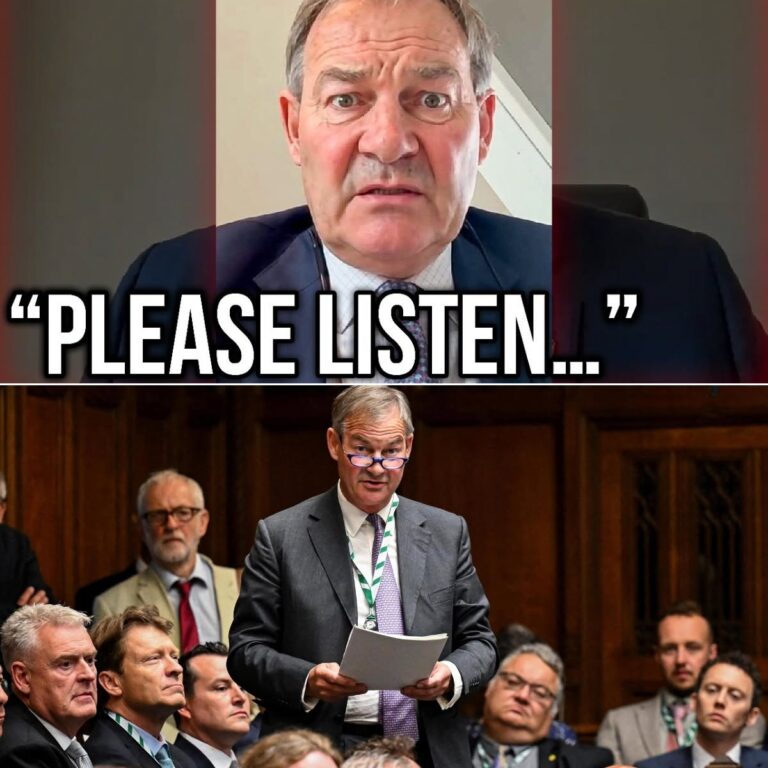

“””WE’VE GOT CONTROL!””… BUT THESE SHOCKING NEW NUMBERS HAVE JUST LEFT LABOUR EXPOSED! Labour insists Britain’s borders are finally under control. But one explosive moment in Parliament—and a set of figures now circulating—has critics asking a brutal question: **who is really telling the truth?** As ministers repeat the same promises, fresh evidence is fueling accusations that the crisis is spiraling rather than slowing. Even some MPs are now demanding answers that the government appears desperate to avoid. With public anger growing and pressure mounting, this latest revelation could become one of the biggest political headaches Labour has faced yet. **What was revealed that has everyone talking? Read the full story in the comments and tell us whether you think Britain is heading in the right direction.

UK IMMIGRATION DEBATE INTENSIFIES AS LABOUR DEFENDS BORDER POLICY AMID RISING CROSSINGS
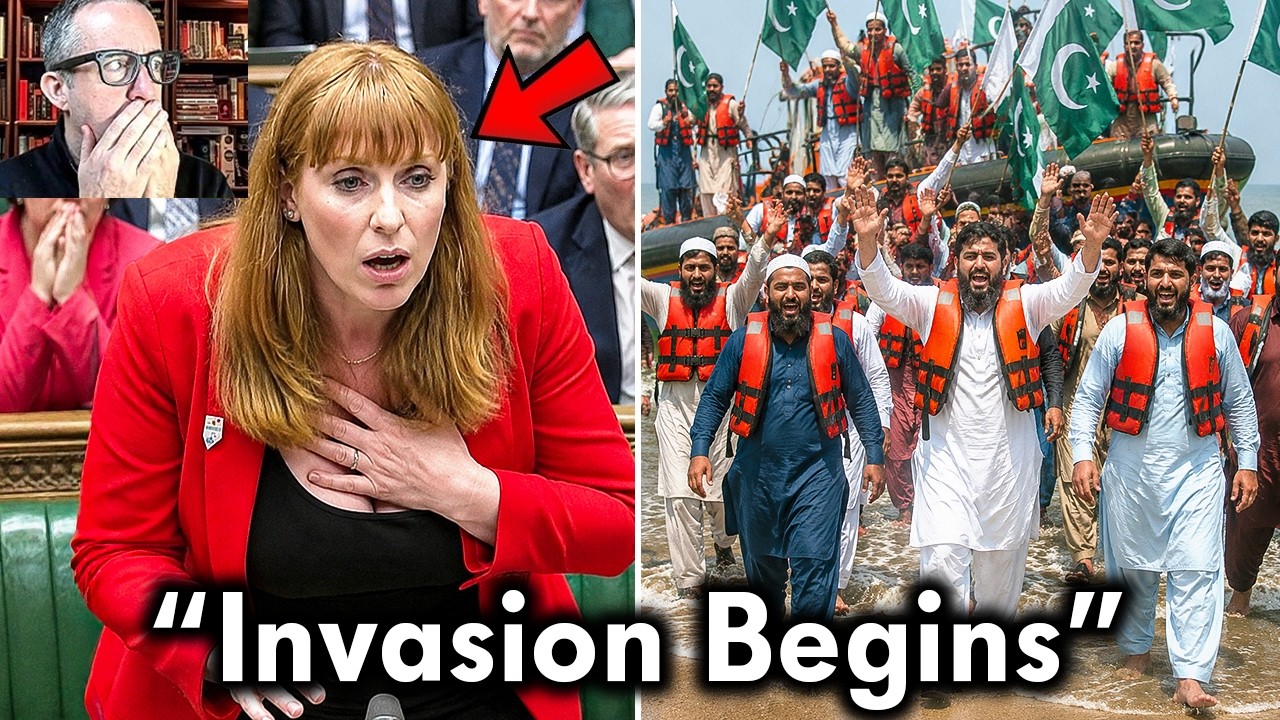 Britain’s immigration debate has intensified once again after a heated parliamentary exchange over illegal Channel crossings and the government’s handling of asylum policy.
During a recent debate, ministers defended Labour’s border strategy after opposition politicians accused the government of failing to reduce the number of small boats arriving on England’s southern coast. Critics argued that Labour’s election promises to tackle people-smuggling networks have yet to produce visible results, while government representatives maintained that rebuilding the border system requires time following years of challenges.
One of the central points raised during the discussion concerned the number of migrants arriving since Labour entered office. Opposition MPs cited Home Office figures they said showed that tens of thousands of people had crossed the English Channel in small boats since July 2024. They argued that the current rate of arrivals remains high despite repeated government commitments to strengthen border enforcement.
Labour ministers rejected suggestions that the situation demonstrates a policy failure, insisting they inherited a system that had already been under significant strain. They argued that criminal smuggling organizations continue to exploit vulnerable migrants and that dismantling those networks requires long-term cooperation with international partners rather than quick political solutions.
The debate also focused heavily on housing and public services. Several MPs claimed that communities across England continue to experience pressure on affordable housing, healthcare, schools, and local council budgets. They argued that these concerns have contributed to growing frustration among residents, particularly in areas already facing shortages of social housing.
Some opposition speakers questioned decisions to accommodate asylum seekers in hotels or other publicly funded facilities while many local families remain on waiting lists for permanent housing. Veterans were also mentioned during the debate, with critics arguing that former service personnel should receive greater priority when housing resources are limited.
Government representatives responded that local authorities must balance legal obligations toward asylum seekers with broader housing responsibilities. Ministers also emphasized that many housing shortages predate the current administration and reflect wider structural problems affecting communities throughout the country.
Another major issue discussed was deterrence. Opposition MPs argued that people who travel through multiple safe countries before reaching Britain should face a greater likelihood of removal if they enter the country illegally. According to their argument, without a credible prospect of deportation, criminal smuggling gangs retain a financial incentive to continue organizing dangerous Channel crossings.
Several speakers called for stronger border measures, including renewed consideration of offshore processing arrangements and broader reforms to immigration legislation. Some also argued for changes to existing legal frameworks governing asylum claims and deportation procedures, claiming current rules make removals more difficult.
Labour ministers defended their approach by emphasizing efforts to target organized crime groups rather than focusing solely on individual migrants. They maintained that breaking the business model of smuggling gangs remains a central objective of government policy and argued that international cooperation is essential to achieving lasting results.
The parliamentary discussion also highlighted broader political disagreements over immigration policy. Opposition parties argued that successive governments have failed to restore public confidence in border management, while Labour maintained that meaningful reform requires a combination of enforcement, international agreements, and improvements to the asylum system.
Beyond Westminster, immigration remains one of the most closely watched political issues in the United Kingdom. Opinion polls have consistently shown that border security, public services, and housing remain among voters’ leading concerns, particularly as local councils continue managing increased demand for accommodation and community support.
Analysts note that the issue is likely to remain central to British politics in the coming months, especially as Parliament continues debating immigration legislation and broader reforms to border enforcement. Future discussions are expected to focus on whether current policies can reduce irregular migration while remaining consistent with Britain’s domestic laws and international obligations.
For now, both the government and its critics continue presenting sharply different assessments of the situation. While ministers argue that their strategy requires time to deliver measurable results, opponents contend that rising arrivals demonstrate the need for more immediate and far-reaching changes. As the debate continues, immigration is expected to remain one of the defining political issues facing the United Kingdom.