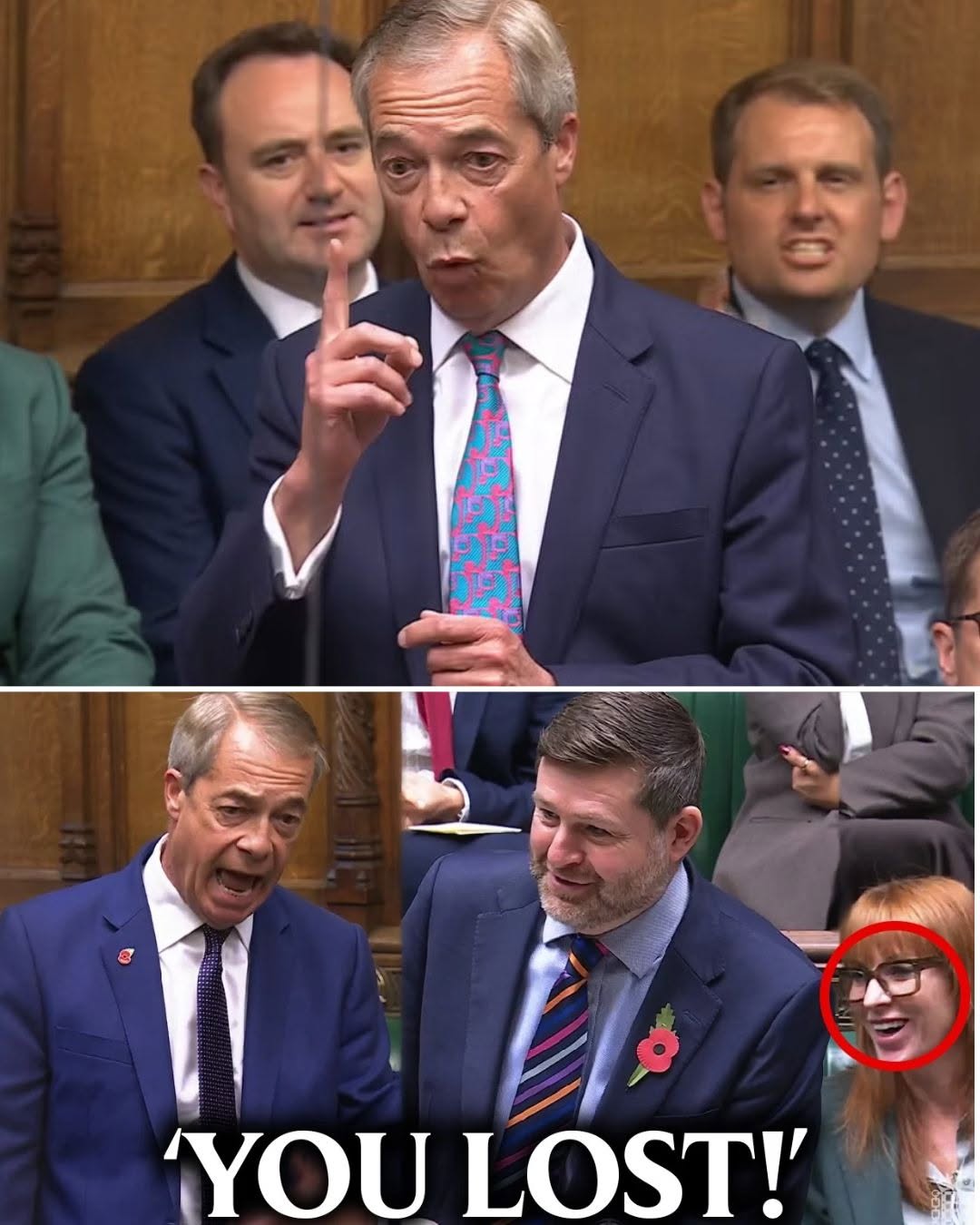
🚨 BREAKING: FARAGE CLAIMS VICTORY AS GOVERNMENT RETREATS ON ESSEX COUNCIL SHAKE-UP — BUT DID HE REALLY “WIN” IN COURT?
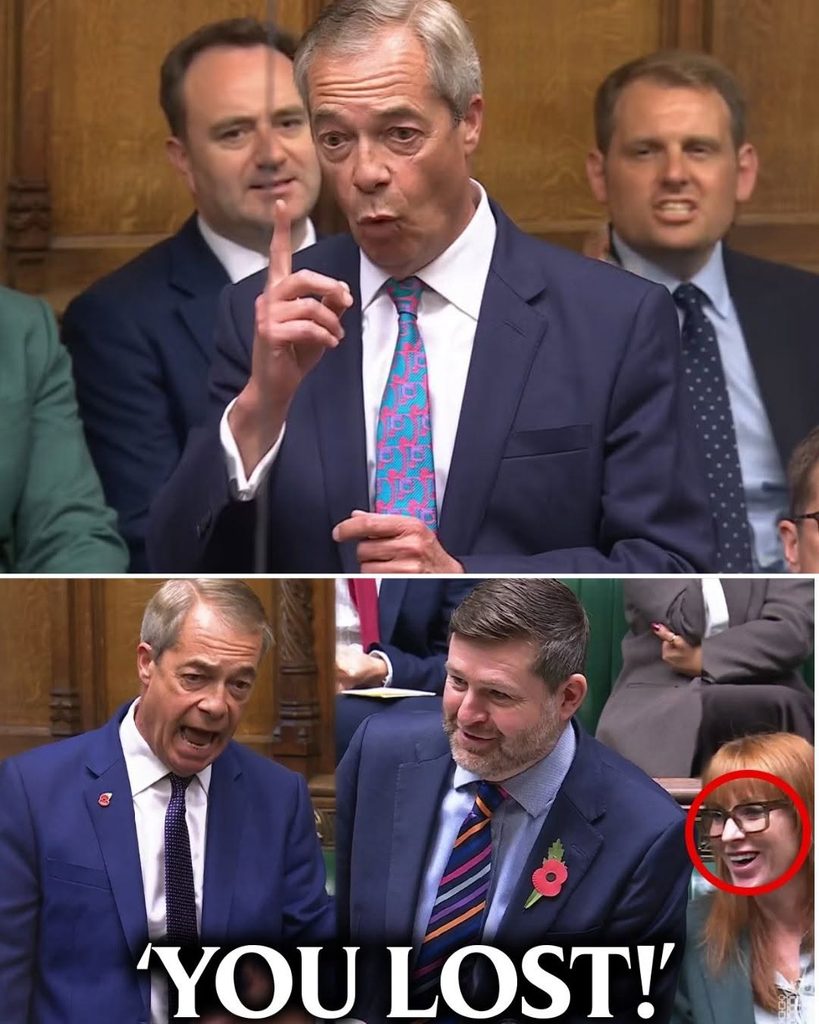
WESTMINSTER — Nigel Farage has claimed political vindication after the Government backed away from controversial plans to reorganise local councils across Essex and several other English counties, triggering fresh arguments over local democracy, devolution and how much power should be concentrated in larger authorities.
Speaking in the House of Commons, the Reform UK leader welcomed what he described as a “stay” secured through legal pressure.
“I am pleased that my party’s legal challenge has bought us a stay in Essex and elsewhere,” Farage told MPs.
He then focused on what he sees as the central problem with local government reorganisation:
local decisions becoming more distant from local people.
Farage argued that in constituencies such as Clacton, major planning decisions are currently taken locally at Clacton Town Hall.
Under proposals to replace existing district and county councils with larger unitary authorities, he warned that those decisions could instead be made in bigger population centres miles away from the communities directly affected.
His question was politically potent.
How can a government claim to support devolution while simultaneously removing decision-making from smaller local councils?
But the parliamentary exchange also exposed a key problem with the viral headline claiming that Farage had “won his court case against Angela Rayner”.
He did not.
Local Government Minister Jim McMahon immediately corrected Farage’s wording.
“The Reform party is not taking the Government to court; local authorities have decided to issue claims,” McMahon told MPs.
That distinction matters.
Essex County Council initiated legal proceedings against the Government in May 2026 and later confirmed it would pursue a judicial review.
The council, controlled by Reform UK, argued that the Government’s preferred model for Greater Essex was financially weak, politically motivated and likely to increase the distance between residents and their elected representatives.
The Government’s original plan would have replaced the existing 15 councils across Greater Essex with five new unitary authorities.
But documents released during the dispute revealed that senior officials had recommended a different option involving three unitary councils.
Essex County Council said officials considered that three-council model the strongest financially and the only one likely to be viable within five years.
Ministers nevertheless selected the five-council model.
That became one of the central grounds for the legal challenge.
Then came the Government retreat.
On 7 September 2026, ministers announced that decisions affecting Essex, Hampshire, Norfolk and Suffolk would be withdrawn.
The Government said updated legal advice had prompted a wider review of the entire local government reorganisation programme.
Plans affecting another 14 areas were also paused for review.
For Farage and Reform UK, the reversal represented an obvious political victory.
They had opposed the plans.
A Reform-controlled council had launched legal action.
And the Government eventually withdrew the disputed decisions.
But legally, calling it a court “win” goes too far.
There was no final judicial ruling declaring Reform correct and Angela Rayner wrong.
The Government changed course before such a judgment was delivered.
That is why the more accurate description is a government retreat under legal pressure, rather than a courtroom victory.
The parliamentary exchange on October 29 brought that distinction into sharp focus.
Farage portrayed the pause as proof that Reform’s legal challenge had worked.
McMahon responded that the Government still supported the principle of local government reorganisation and insisted that larger structures did not have to mean the destruction of neighbourhood-level decision-making.
He pointed to the English Devolution and Community Empowerment Act 2026, saying the Government intends to create neighbourhood governance arrangements so local councillors retain frontline powers and resources.
The minister also took a swipe at Farage personally, joking that he was pleased the Reform leader had “managed to find his seat today”.
But behind the theatre lies a serious policy dispute.
Supporters of unitary councils argue that England’s current two-tier system can be fragmented, expensive and confusing.
They say larger councils can reduce duplication, coordinate services more effectively and support strategic planning.
Opponents fear exactly the opposite:
larger authorities could become bureaucratically remote, weaken local accountability and leave smaller towns and rural communities with less influence over planning, housing and public services.
Essex has become a test case for that wider argument.
And it is not over.
The Government’s October update confirmed that local government reorganisation will continue, although the timetable has been pushed back and several areas remain under review. New unitary authorities are now expected to take full powers later than originally planned.
That means Farage can reasonably claim that Reform helped force ministers to rethink their approach.
What he cannot accurately claim is that a judge ruled against Angela Rayner in a completed court case.
The Government withdrew.
The judicial pressure mattered.
The political embarrassment was real.
But a legal victory requires something more specific:
a judgment.
For Farage, however, the episode still delivers a useful political message.
He can tell Reform voters that legal resistance forced Westminster to pause plans that his party opposed.
The Government can argue that it acted responsibly after receiving new legal advice and is now redesigning the process.
And local councils are left waiting to find out what the final map of English local government will actually look like.
So the real headline is not that Farage “humiliated Angela Rayner in court”.
It is this:
A Reform-led legal challenge helped push the Government into retreat — and reopened one of England’s biggest battles over who should control local power.