David Lammy ERUPTS in RAGE After Being ROASTED in POWERFUL Speech!
The Constitutional Friction: Examining the Debate Over Judicial Reform and the Future of Jury Trials
The foundational principles of the British legal system have come under intense parliamentary scrutiny following a series of contentious proposals regarding court reform. At the center of this legislative storm is the Labour front bench, specifically David Lammy, who recently faced a formidable critique regarding the government’s perceived trajectory on the right to a trial by one’s peers.
The debate was sparked by a powerful speech from the opposition benches, which challenged the government’s justification for curbing jury trials. While ministers have publicly cited the necessity of clearing massive court backlogs as the primary driver for these reforms, critics argue that the motivations may be more ideological than administrative in nature.
The speaker, Katy Lamb, directly challenged the Minister for Courts and Legal Services, Sarah Sackman, noting that previous statements suggested these reforms would have been pursued even without a backlog crisis. This revelation has fueled concerns that the administration is seeking a permanent shift toward a more judge-led, European-style judicial system.
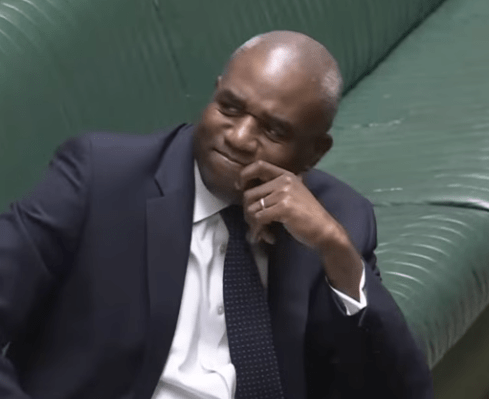
Throughout the address, observers noted David Lammy’s visible presence on the front bench. As the critique intensified, his composure became a focal point for political analysts, who interpreted his expressions as a reflection of the internal pressures facing a government currently struggling to maintain public trust following difficult local election results.
The core of the argument presented against the government is that jury trials serve as a vital democratic “backstop.” By involving ordinary citizens in the administration of justice, the system ensures that the judiciary does not stray too far from the public’s fundamental conception of fairness, particularly in cases involving free speech.
Statistical evidence was introduced to highlight a significant divergence between judge-only magistrates’ courts and Crown courts involving juries. In cases regarding free speech defenses, success rates were nearly double when a jury was present, suggesting that the public holds a broader appreciation for civil liberties than the established judicial hierarchy.
This divergence has led to accusations that the government “does not trust the public.” The opposition contends that the current leadership would prefer a system run entirely by legal professionals, whom they perceive as more aligned with the state’s interests than the nuances of community-based social justice.
David Lammy’s recent public statements have emphasized the need for “genuine change” and the importance of listening to the electorate. However, critics point out that the push for these specific court reforms seems to contradict the promise of delivering for the public rather than maintaining the administrative status quo.
The debate also touched on broader issues of national identity and constitutional history. References to the Magna Carta and the English Bill of Rights were used to frame the right to a jury trial as an inalienable privilege that has endured for centuries, protecting the individual against potential state overreach.
There is a growing sentiment among certain segments of the population that the government is systematically “annihilating rights and privileges” in the name of efficiency. This perception has been exacerbated by the administration’s handling of sensitive issues ranging from asylum and immigration to the prosecution of military veterans.
The role of the Fabian Society within the Labour Party has also been scrutinized by those who fear a “slow, stealthy” erosion of traditional liberties. Some analysts suggest that using court backlogs as a pretext for removing juries is a strategic move that could eventually lead to the total abolition of jury-led trials.
Proponents of the reform, however, maintain that the current system is unsustainable. They argue that the “time-honored right” to a jury trial must be balanced against the practical reality of a justice system that is currently failing victims and defendants alike due to historic and ongoing delays.
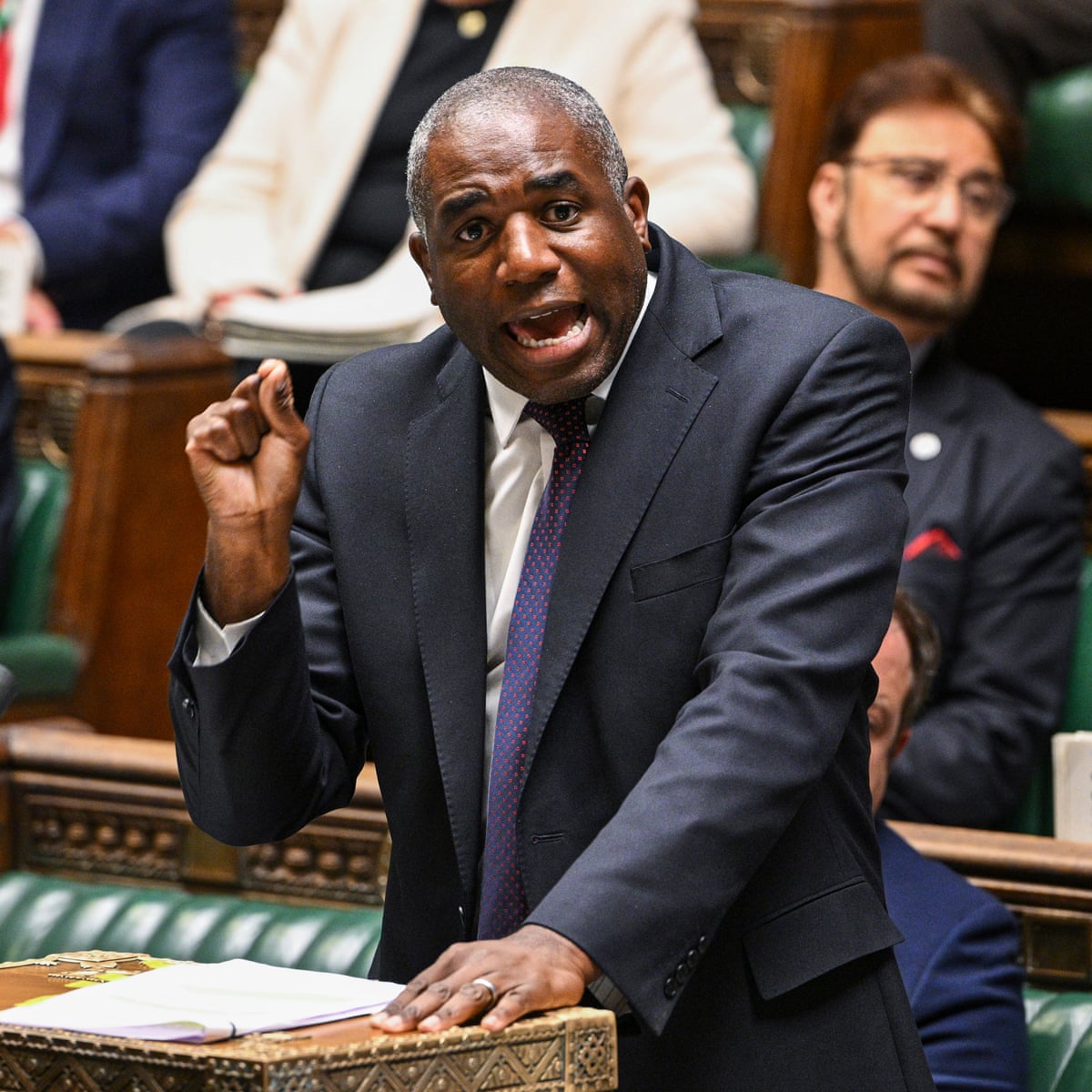
The confrontation in the House of Commons illustrates a deeper shift in the tectonic plates of British democracy. As the government attempts to modernize institutions, it finds itself clashing with a public that is increasingly defensive of its traditional roles within those very same institutions.
The “Lowe Effect”—a term used to describe the rise of hardline, anti-establishment rhetoric—appears to be influencing how these legal debates are received. There is a palpable “bottom-up” anger among voters who feel that the legal profession and the political elite are increasingly shielded from public accountability.
Recent local election results, where Labour suffered significant losses in several regions, have provided the backdrop for this legislative tension. Many see the pushback against jury reforms as a symptom of a much larger disconnect between the Westminster engine and the rural or coastal “neglected” seats.
The discussion regarding judicial “efficiency” is often viewed through a skeptical lens by those who have experienced the system firsthand. Personal anecdotes of “funny business” in election petitions and judge-led hearings have fueled the narrative that without a jury, the truth can be easily obscured by institutional bias.
The contrast between the English legal system and the continental European model was also highlighted. Critics of the government’s plans argue that moving away from juries is a form of “legal Europeanization” that ignores the unique historical and cultural specificities of English and Welsh common law.
As the government moves forward with its legislative agenda, the “David Lammy eruption” of debate serves as a permanent reminder of the limits of political bluster. Power in the 21st century is not just about legislative majorities, but about maintaining the moral high ground in the eyes of the public.
The economic and cultural gravity of this issue is too strong to be altered by a single news cycle. The speeches will continue, and the legal challenges will likely follow, as the British public weighs the value of administrative speed against the preservation of their constitutional heritage.
Furthermore, the standoff has emboldened a segment of the public that was once seen as perpetually silent. By challenging the narrative of “efficiency,” the opposition has signaled that it is prepared to play a long game based on national necessity and the defense of the common man.
In the final analysis, the movement to protect jury trials represents a bridge between two philosophies of power. While the government may believe in the power of the committee and the professional judge, the rise of vocal opposition suggests that the future belongs to those who respect public participation.
The question of whether these reforms will ultimately alienate the public remains a central concern. If the justice system continues to drag itself further away from the views of the British people, the resulting institutional paralysis could have long-term consequences for national stability and social cohesion.
The “broken record” of government talking points—promising to “hear the public” while simultaneously proposing to limit their role in the courts—is being increasingly challenged. This dissonance is where the current political crisis resides, as the public waits for actions that match the official rhetoric.
As the first ballots are cast in upcoming devolved and local elections, the “jury trial” issue may become a symbol of a new, uncompromising strategic patience among voters. The geography of identity and the desire for social justice remain powerful forces that no administration can easily block.
The lesson for Downing Street is clear: you cannot easily negotiate away a right that the people view as their ultimate hedge against state overbearance. The rise of this specific grievance is a testament to the fact that national stability is a shared, and often fragile, architecture.
In the end, the movement that the establishment seems to fear most is the one that bypasses political leverage in favor of raw constitutional reality. The defense of the jury is not just a legal argument; it is a declaration of national will in a fractured world.
Whether or not the government will heed these warnings remains to be seen. The debate over the future of jury trials is far from over, and the outcome will likely define the relationship between the British state and its citizens for a generation to come.
The rise of the “Restore Britain” sentiment suggests that any attempt to pull down a pillar of the justice system without broad public consent could result in the whole roof of institutional trust falling in. This serves as a warning to all who occupy the government benches.
As the ceremonies of democracy continue, the political noise will fade, but the low hum of public concern will remain. The movement toward a more defined and legally protected vision of Britain is gaining momentum, fueled by the quiet power of those who refuse to be ignored.
The transition toward a new judicial reality is currently stalled by this fundamental disagreement. Until the government can convincingly reconcile its need for efficiency with the public’s demand for participation, the justice system will remain a primary battleground in the ongoing war for Britain’s soul.
Do you believe that administrative efficiency in the courts is a sufficient justification for reducing the number of cases heard by juries?