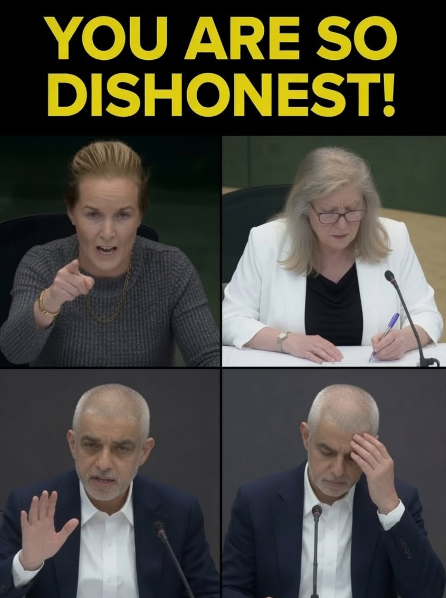
STARMER JUST MADE A MOVE THAT’S IGNITING MAJOR BACKLASH AHEAD OF SATURDAY’S HUGE LONDON RALLY
The Battle for the British Soul: Starmer Faces Scrutiny Over Rally Border Bans
The political atmosphere in Westminster has reached a point of heightened tension as Prime Minister Sir Keir Starmer’s government implements strict border measures ahead of a major demonstration scheduled for Saturday, 16 May. The move has reignited a fierce debate over the boundaries of free speech and the consistency of the UK’s current immigration enforcement policies.
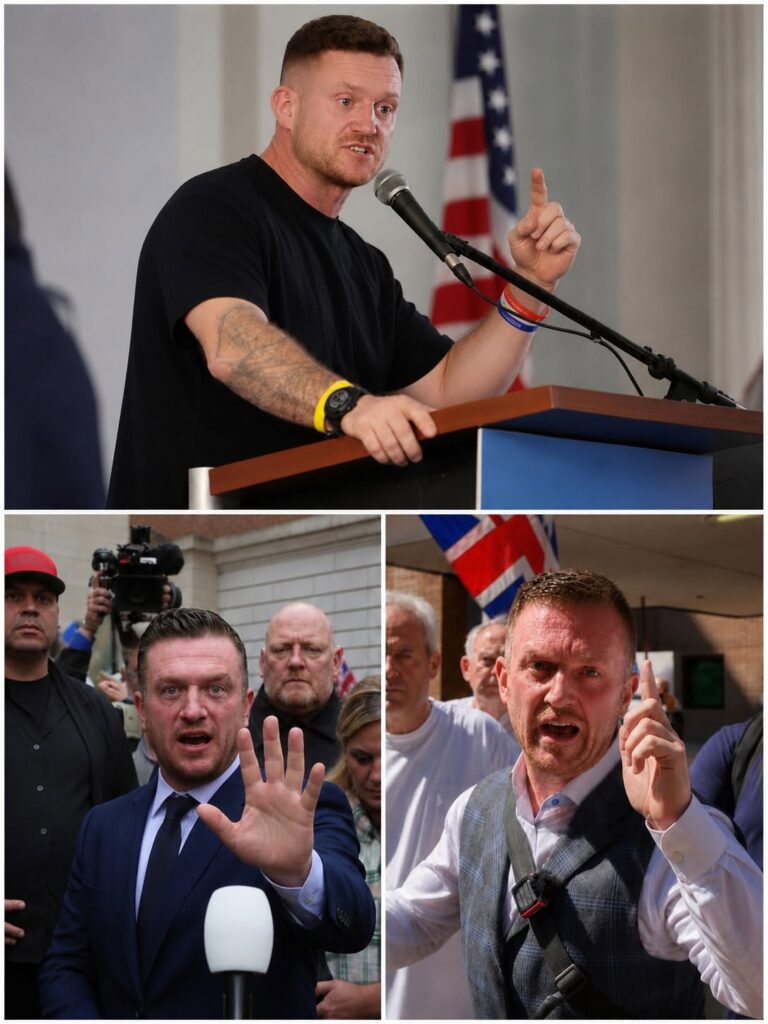
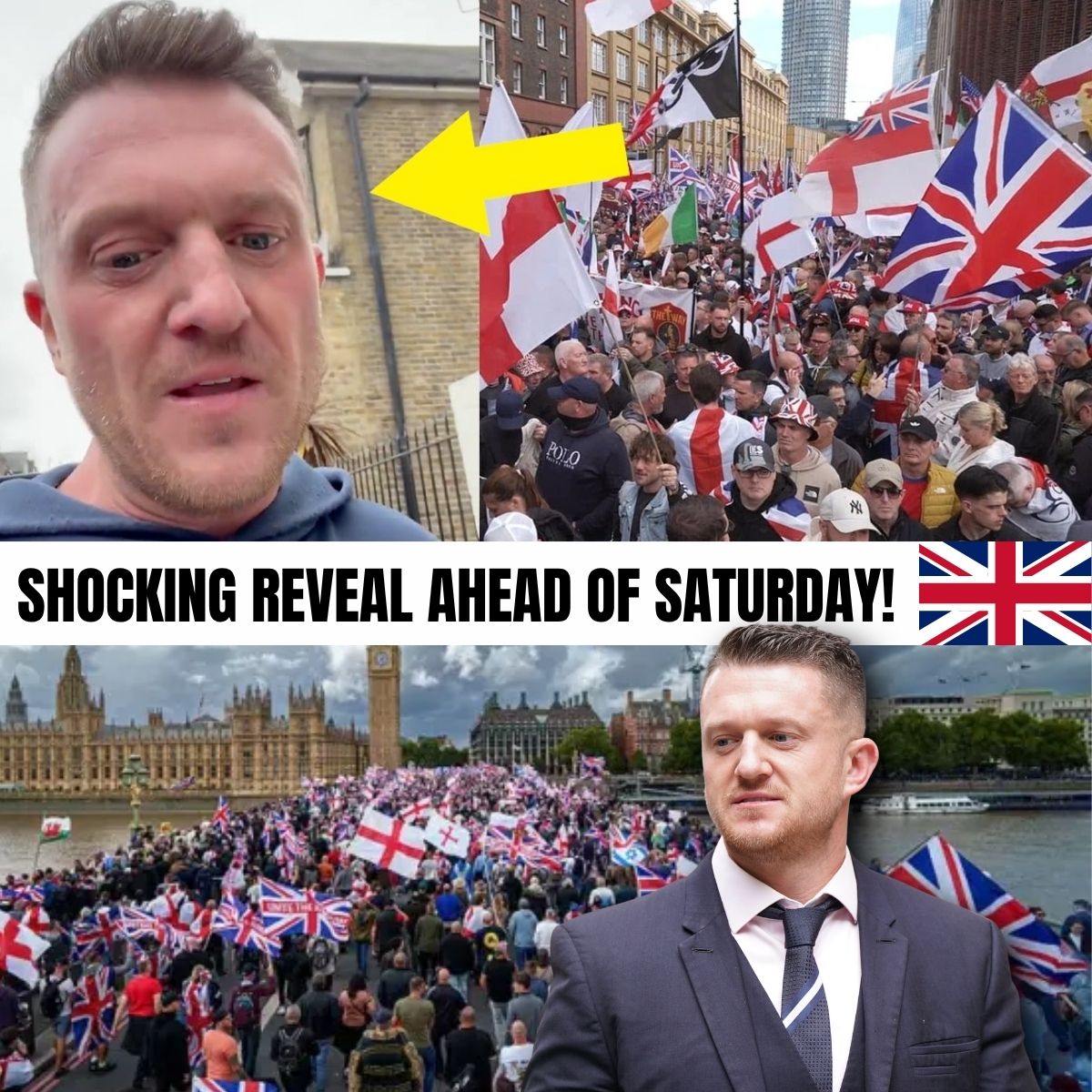
At the heart of the controversy is the “United Kingdom Rally,” an event organised by political activist Tommy Robinson. While supporters describe the upcoming march as a peaceful celebration of British identity and culture, the government has categorised it as a gathering designed to incite discord and intimidate diverse communities within the capital.
The situation escalated significantly when the Home Office reportedly blocked the Electronic Travel Authorisations (ESTAs) for four international speakers invited to address the rally. Officials justified the decision by stating that the presence of these individuals was “not conducive to the public good,” effectively banning them from entering British territory.
Prime Minister Starmer addressed the measures during a high-profile policy speech, marking the fifth time during his premiership that he has explicitly referenced the rally. He took full responsibility for the exclusion of these foreign figures, framing the government’s intervention as a necessary defense against “far-right agitators” and “hate on our streets.”
During his address, Starmer characterised the upcoming event as a “march designed to confront and intimidate this diverse city and this diverse country.” He further intensified his rhetoric by describing the current political climate as nothing less than a “battle for the soul of our nation,” underscoring the ideological weight of the confrontation.
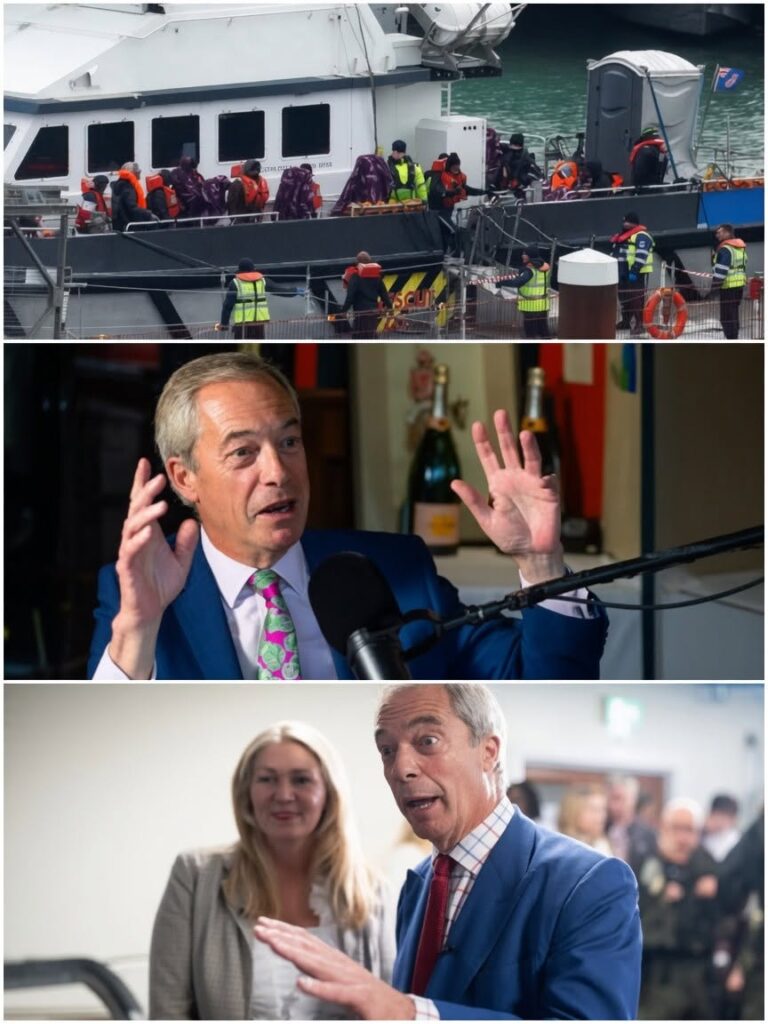
Critics of the Labour government, however, have been quick to point out what they perceive as a fundamental contradiction in the Prime Minister’s priorities. The decision to block specific political speakers has drawn sharp comparisons to the ongoing challenges the UK faces regarding illegal Channel crossings and small boat arrivals.
The narrative emerging from the rally’s organisers suggests a “double standard” in border enforcement. They argue that while the government possesses the technological and legal power to identify and stop specific political commentators at the border, it appears less effective at curbing the daily influx of thousands of undocumented migrants.
Activists have also questioned why the government’s rhetoric on “far-right extremism” is so prevalent, while large-scale pro-Palestine protests—which some claim have been “rife with anti-semitism”—often receive different levels of scrutiny or direct condemnation from the executive branch.
This perceived inconsistency has led to accusations that the Starmer administration is selective in its defense of public order. Opponents argue that by targeting specific speakers, the government is not merely protecting communities but is instead actively suppressing dissent and infringing upon traditional British values of free expression.
The Prime Minister’s previous comments regarding free speech, made during a visit to the White House, have also been brought back into the spotlight. In that context, Starmer had expressed pride in the UK’s long history of free expression, a sentiment that critics now claim is at odds with his current executive actions.
In response to the travel bans, Tommy Robinson released a series of public statements accusing the Prime Minister of acting like a “tyrant.” Robinson argued that the government is specifically targeting journalists and commentators to prevent the international community from witnessing the scale of domestic dissatisfaction.
Robinson’s response was not merely defensive; he utilised the government’s intervention as a recruitment tool, urging those who were “sitting on the fence” to travel to London on Saturday. He framed the rally as a “beautiful celebration of British identity,” specifically mentioning Christianity and national culture as central themes.
The activist also issued a strategic plea to his supporters, advising them to maintain strict self-control and avoid any acts of aggression. He warned that the media and the government are eager to paint the movement as one of “thugs and hooligans,” and urged participants not to provide any footage that could support such a narrative.
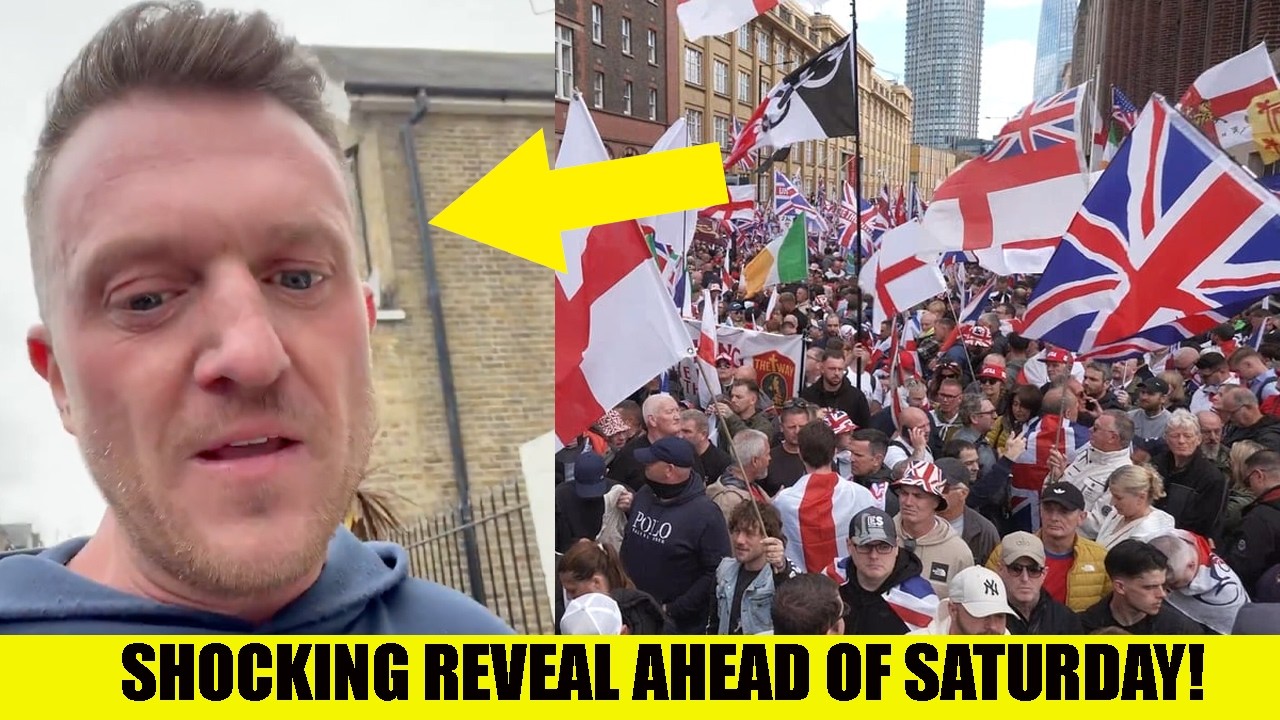
This emphasis on peaceful conduct highlights a tactical shift in how these demonstrations are managed. By attempting to avoid the “far-right” label through disciplined behaviour, the organisers hope to undermine the Prime Minister’s justification for the restrictive measures taken earlier in the week.
Political analysts note that the term “far-right” is becoming increasingly contested in the UK. While the government uses it to describe extremist elements, critics argue it is being used too broadly to marginalise any citizen who advocates for more secure borders or expresses concern over the pace of cultural change.
There is a growing concern that the government’s rhetoric may be alienating a significant portion of the electorate. Estimates suggest that nearly 40% of the population may hold views that align with the concerns being raised by the rally organisers, particularly regarding immigration and national sovereignty.
By labelling such a large demographic as “far-right,” the Prime Minister risks deepening the very divisions he claims to be trying to heal. This “alienation of the center” is seen by some as a major political miscalculation that could bolster support for parties like Reform UK.
The logistical focus on the Saturday rally remains intense. With millions expected to be in the capital for various events, the Metropolitan Police are under immense pressure to ensure that the confrontation between government policy and public protest does not spiral into violence.
Furthermore, the legal implications of blocking foreign speakers based on their political views may lead to future challenges in the courts. Legal experts are closely watching whether the “public good” clause is being interpreted in a way that creates a precedent for political censorship in the UK.
As the 16th of May approaches, the “United Kingdom Rally” has become a symbol for a much larger struggle over national identity. It is no longer just a protest against a specific individual, but a focal point for a broader debate on what it means to be a diverse and free nation in the 21st century.
The Prime Minister’s “emergency reset” speech was intended to unify the country and win over sceptics. However, the immediate fallout from his stance on the rally suggests that his approach has instead clarified the battle lines of a profound cultural and political divide.
The effectiveness of Starmer’s strategy will likely be judged by the events of Sunday morning. If the rally passes peacefully as a “celebration of culture,” the government’s pre-emptive bans may appear heavy-handed. If the event turns chaotic, the Prime Minister’s warnings will be seen as prophetic.
Regardless of the outcome on Saturday, the questions regarding the consistency of the UK’s border policy will remain. The contrast between the treatment of invited speakers and the management of illegal migration has touched a nerve that resonates far beyond the immediate context of a political demonstration.
The Labour government finds itself in a delicate position, attempting to balance the maintenance of public order with the preservation of democratic norms. In a “battle for the soul of the nation,” the tools used by the state are often as controversial as the groups they are intended to regulate.
The international community is also observing these developments with interest. The UK has long been seen as a bastion of free speech and the rule of law; any perceived erosion of these standards could have implications for Britain’s soft power and its standing among Western democracies.
Ultimately, the events surrounding the 16th of May rally represent a significant test for Sir Keir Starmer’s leadership. His ability to navigate this explosive political confrontation without further polarising the British public will be a defining factor of his early premiership.
As the crowds gather in London, the eyes of the world—and the scrutiny of the British public—will be on the streets of the capital. The debate over whether the UK is protecting its soul or silencing its citizens is far from over, and the resolution remains one of the most pressing issues in contemporary British politics.