In a fiery challenge to the current European political order, Alternative for Germany (AfD) leader Alice Weidel delivered a scathing attack on the European Union and its financial structures, directly targeting EU Commission President Ursula von der Leyen and calling the system a “scam” that exploits German taxpayers

Weidel’s comments come amid a surge in right-wing populism across Europe and immediately follow the AfD’s sweeping local election victories in the German states of Saxony and Saxony-Anhalt. The AfD’s rising popularity is stoking significant anxiety within the Brussels establishment regarding the future stability of the bloc.
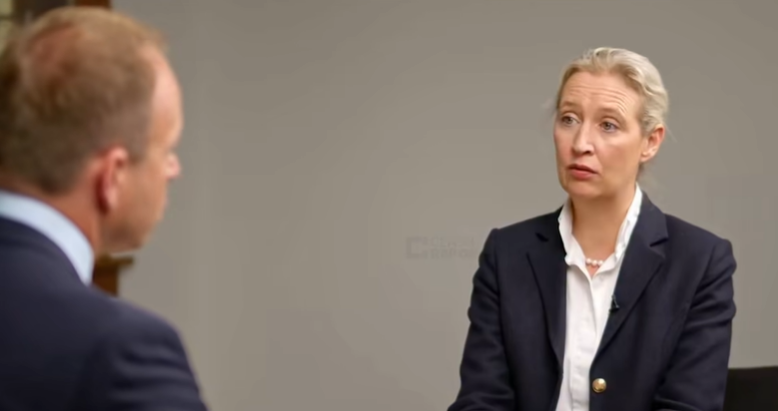
At the heart of Weidel’s critique is Germany’s status as the EU’s largest financial contributor. She argued aggressively that the current system represents an unacceptable drain on the nation’s sovereign wealth, funneling German money to fund EU agendas rather than benefiting German citizens.
“She is not going to be playing a part in this scam,” a commentator analyzing Weidel’s speech noted, emphasizing her commitment to “withdrawing Germany from playing a part in this scam” .
Germany is currently the largest net contributor to the EU budget, contributing approximately €34.4 billion annually . This constitutes roughly 22.62% of the EU’s total financing share under the 2021-2027 framework . While Germany does receive EU funding in return, calculations suggest a net loss for the country; for example, in 2024, Germany reportedly paid roughly €18 billion more to the EU than it received back .
Weidel framed this financial imbalance as an assault on German taxpayers, demanding that the nation retain its wealth to govern its own affairs rather than ceding control and capital to unelected bureaucrats in Brussels. The AfD’s rhetoric reflects a growing sentiment among European populist parties—including Marine Le Pen’s National Rally in France—that seek to wrest political and financial control away from the EU.
If the AfD were to secure national power and follow through on threats to slash or withhold Germany’s massive financial contributions, the impact on the European Union would be catastrophic . Because the EU relies heavily on German funds to operate its centralized programs and subsidize other member states, a German withdrawal of financial support would render the current EU structure effectively “obsolete” and could potentially “completely destroy the EU as we know it” .
Weidel’s aggressive posture underscores the existential threat populist movements pose to Ursula von der Leyen’s leadership and the broader European project. As voters across key member states increasingly gravitate toward parties advocating for national sovereignty over European integration, the EU faces a critical test of its long-term viability .