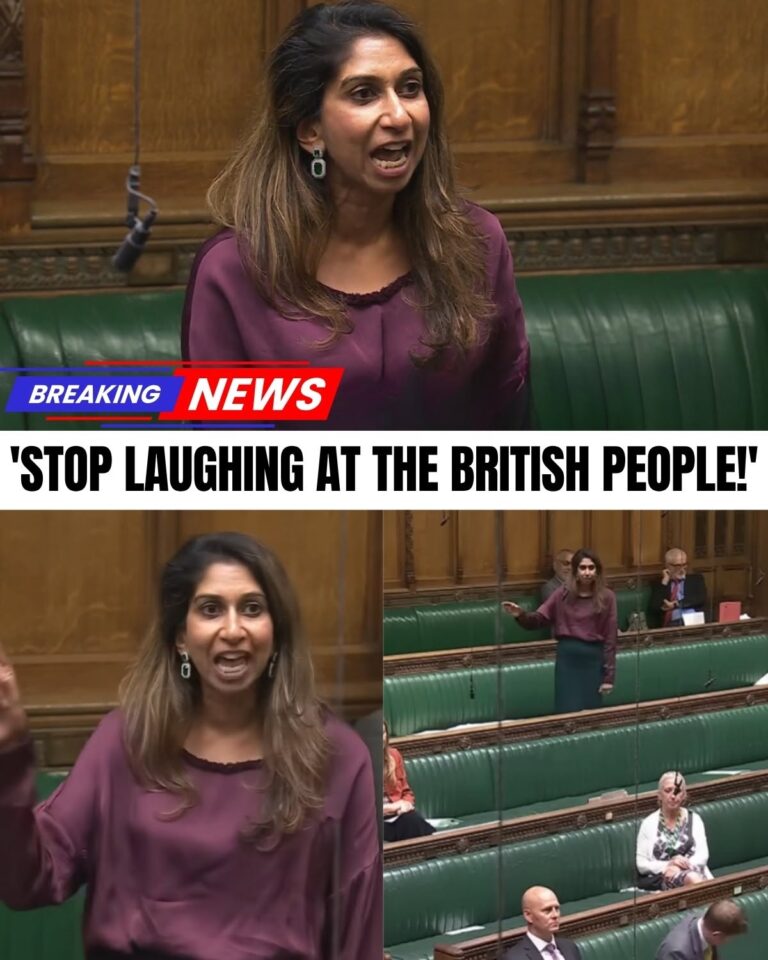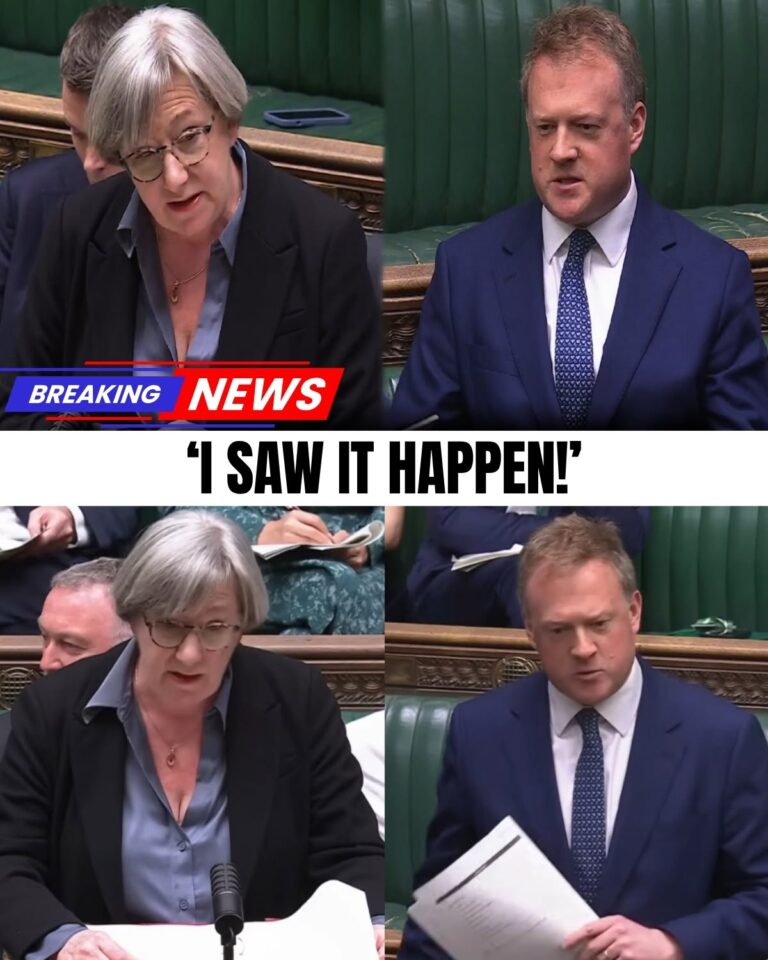
LABOUR IN CHAOS! 200,000 GRANTED SETTLEMENT — AND THE IMMIGRATION ROW IS DEEPENING! Nearly 200,000 people were granted settlement in Britain in the year to June. Labour is considering extending the waiting period for indefinite leave to remain from five to ten years, but the plan remains unfinalised. Home Secretary Shabana Mahmood faces growing opposition from Angela Rayner, trade unions and Cabinet colleagues. Mahmood warns that 1.6 million people could qualify for settlement between 2026 and 2030, potentially costing taxpayers £10 billion over their lifetimes. While the Conservatives face criticism for previous migration policies, Labour is struggling to agree on reforms. Will internal divisions derail the government’s immigration plans, or can Labour deliver its promises?
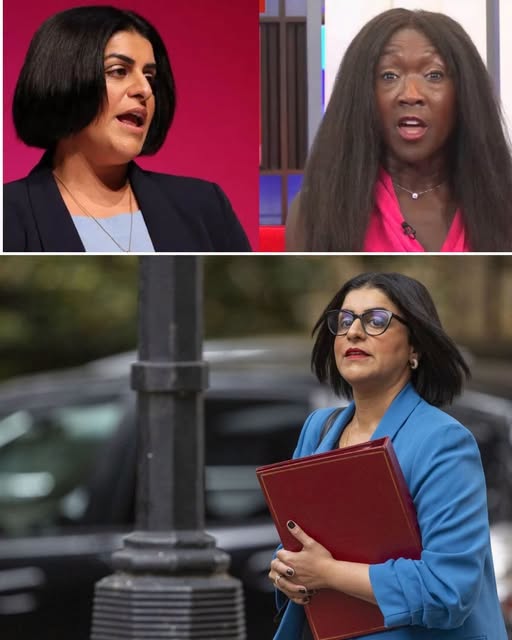
Official figures show a sharp rise in indefinite leave to remain grants while the government’s planned extension of the qualifying period remains undecided amid internal party pressure.
The delay keeps the existing five-year route open for those already in the system.

Home Office statistics for the year ending June 2026 record 199,628 grants of settlement under non-EU Settlement Scheme routes — a 24 per cent increase on the previous year and the highest annual total since 2011.
When EU settled status grants are included, the broader figure exceeds 537,000.
The rise is driven mainly by people who previously held work visas and by British National (Overseas) visa holders from Hong Kong reaching the end of their qualifying period.
Settlement, or indefinite leave to remain (ILR), confers the permanent right to live and work in the UK and, for many, opens a pathway to citizenship and potential access to public funds once eligibility criteria are met.
At the current rate, thousands of people are securing this status every week.
The proposed crackdown that has not yet landed
Last year Home Secretary Shabana Mahmood announced plans to overhaul the system under an “earned settlement” model.
The centrepiece was doubling the standard qualifying period from five years to ten for most routes, with longer periods for lower-paid roles and shorter ones for high earners or those making clear economic and integration contributions.
The changes were intended to apply to people already in the UK who had not yet been granted ILR.
Mahmood previously warned that without reform, large numbers — estimated in the region of 1.6 million between 2026 and 2030 — could become eligible, with associated long-term fiscal costs running into billions.
A public consultation closed earlier this year. Final rules have not been laid.
In recent months the Home Secretary’s language has shifted towards “balancing fairness” for those who arrived legally under the previous rules and fairness for British citizens.
No firm implementation date has been confirmed beyond a general commitment to set out the policy later in 2026, ahead of the point when the first post-2021 arrivals would otherwise qualify under the existing five-year route.
Internal resistance
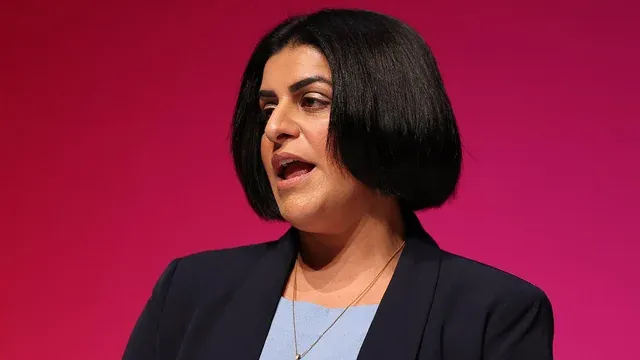
The proposals have met significant pushback inside the Labour Party and from trade unions.
Deputy Prime Minister Angela Rayner described retrospective application as “un-British” and a breach of trust.
Unison, representing many care workers who arrived on health and care visas, has pressed for exemptions, arguing the plans risk damaging recruitment in a sector already under strain.
Energy Secretary Miatta Fahnbulleh has publicly questioned whether prolonging the wait for settlement could hinder community cohesion, remarks that prompted accusations of a breach of collective responsibility.
These interventions have left the government appearing divided on one of its flagship immigration commitments.
Critics on the right argue that every month of delay allows more people from the high-net-migration years of 2021–2024 — often called the “Boris wave” — to reach the current five-year threshold.
Supporters of a more cautious approach insist that changing the rules mid-stream for people who entered in good faith is both unfair and politically damaging.
The wider context

Net migration has fallen sharply from its peak, and small-boat arrivals are lower than in recent years, reflecting changes begun under the previous Conservative government and continued under Labour.
Yet the “stock” of people already present and approaching settlement eligibility continues to generate new permanent residents at a high rate.
Work-route settlement grants alone rose 36 per cent in the latest year.
Both major parties share responsibility for the current position.
Conservative governments after 2019 expanded work and student routes dramatically, creating the pipeline now feeding into settlement statistics.
Labour came to power promising tighter control and has delivered reductions in the flow of new arrivals, but has yet to finalise the rules that would alter the settlement pathway for those already here.
The practical stakes are significant. ILR is a one-way door in most cases.
Once granted, it is difficult to reverse and carries long-term implications for public spending, housing demand and social cohesion.
Whether the government ultimately implements a ten-year baseline, softens it with exemptions, or applies it only to future arrivals will shape the size of the settled population for decades.
For now the five-year route remains open, and the numbers granted settlement continue to climb while the political argument continues.